Apple's $299 HomeView Is Unlikely to Move the Needle. The Services Math Might
Even 10 million units a year would add less than 1% to Apple's revenue. The real test is whether the smart display deepens iCloud+ and other recurring revenue.
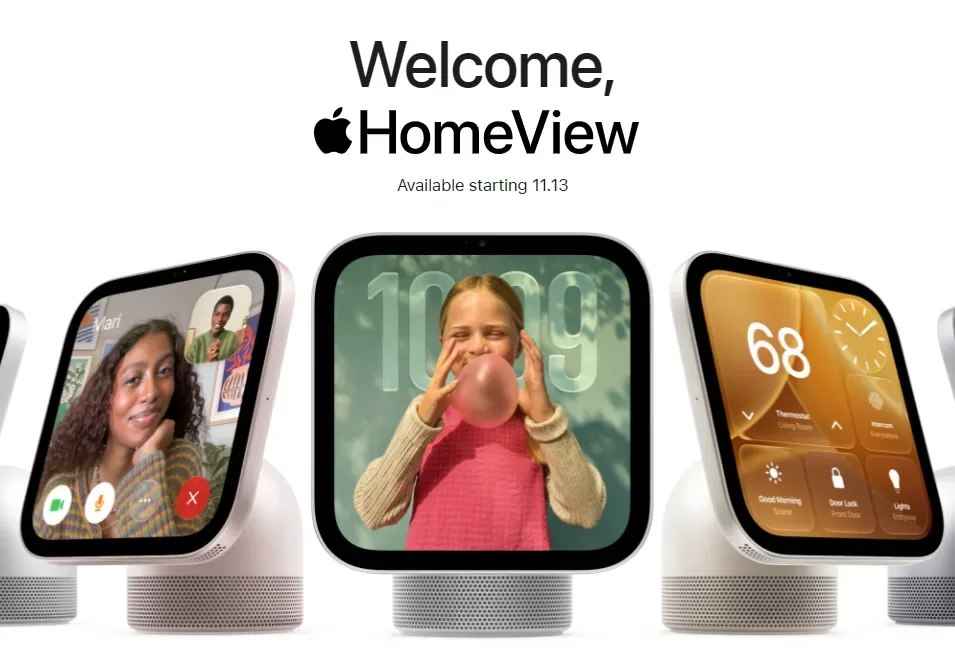
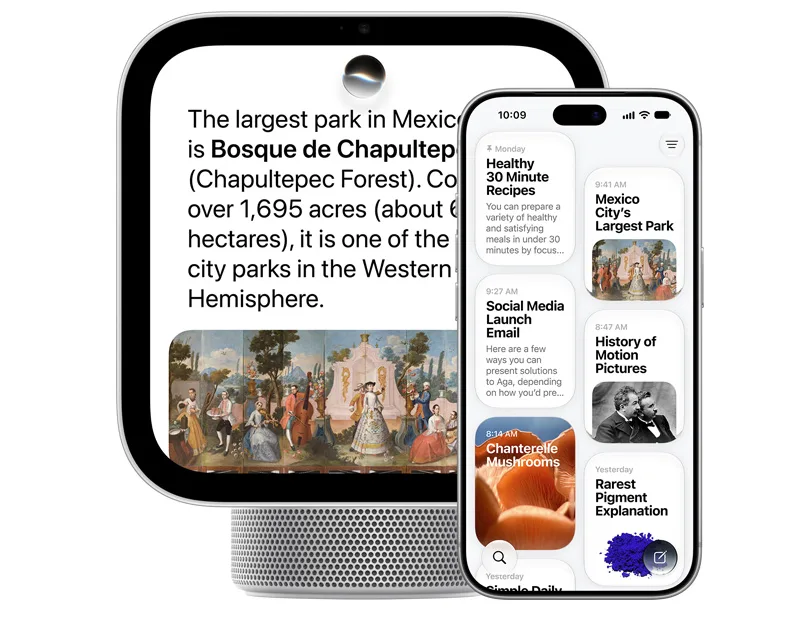
Apple unveiled HomeView on Oct. 13 at a price of $299. It is not a device you carry like an iPhone. It is a 7-inch smart display that sits in the home and is shared by the family.
The space Apple wants after the iPhone
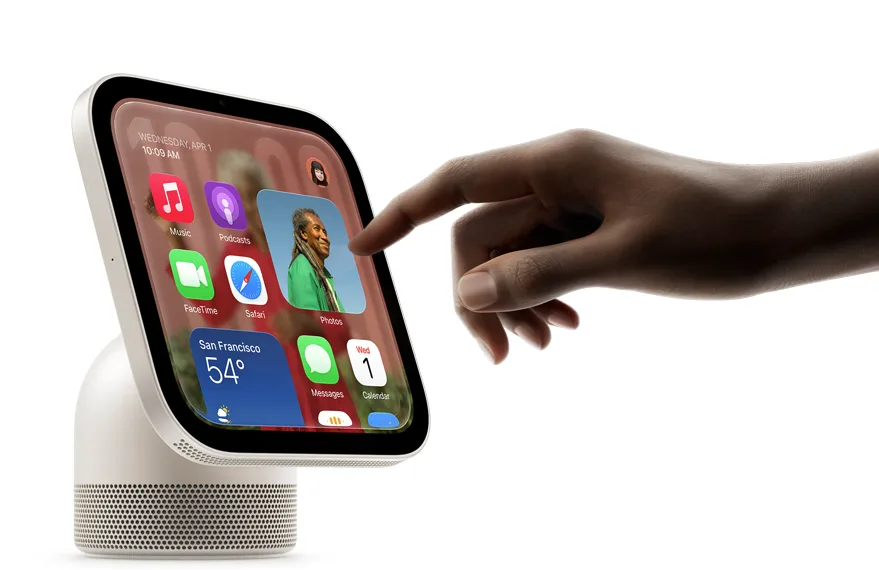
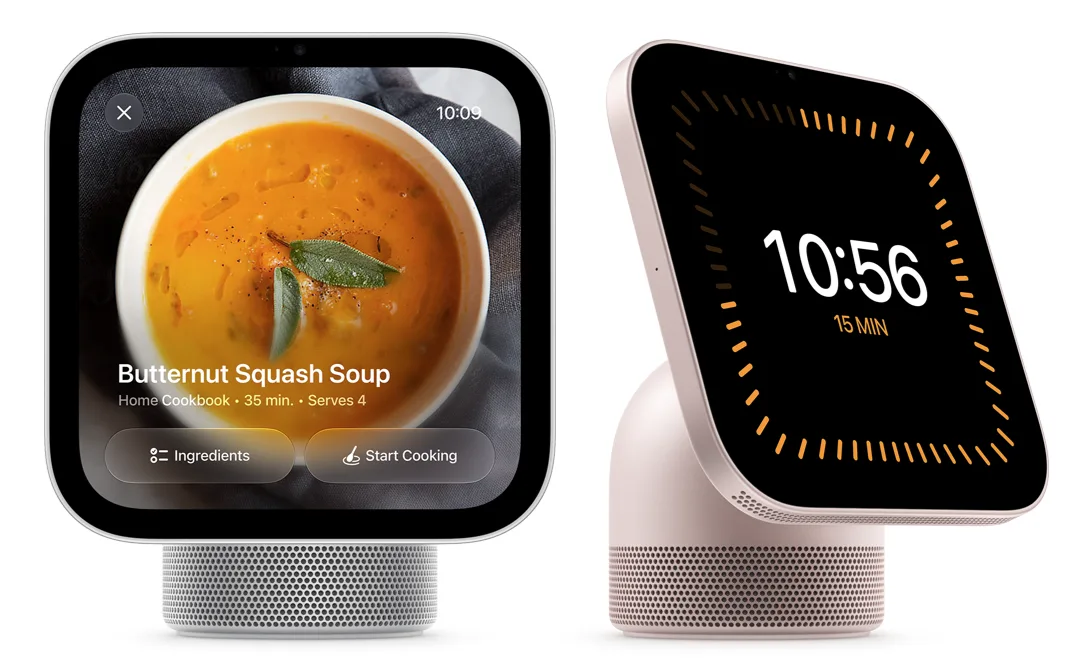
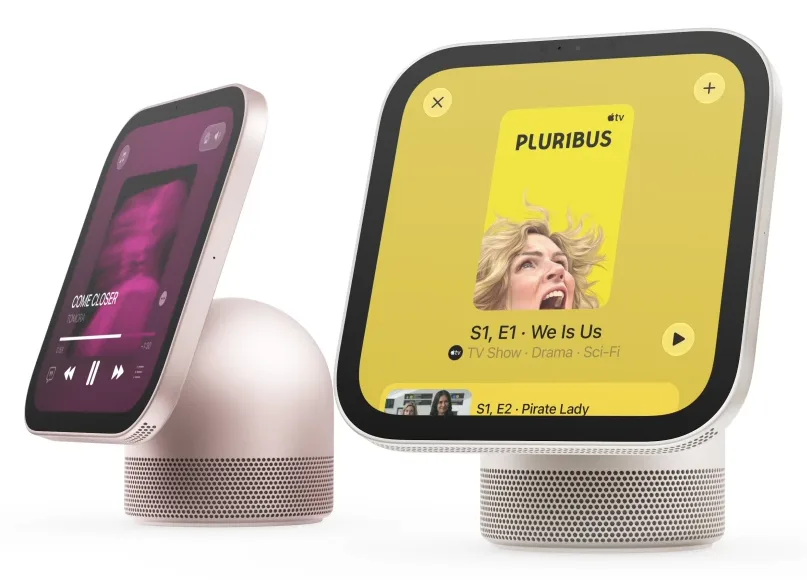
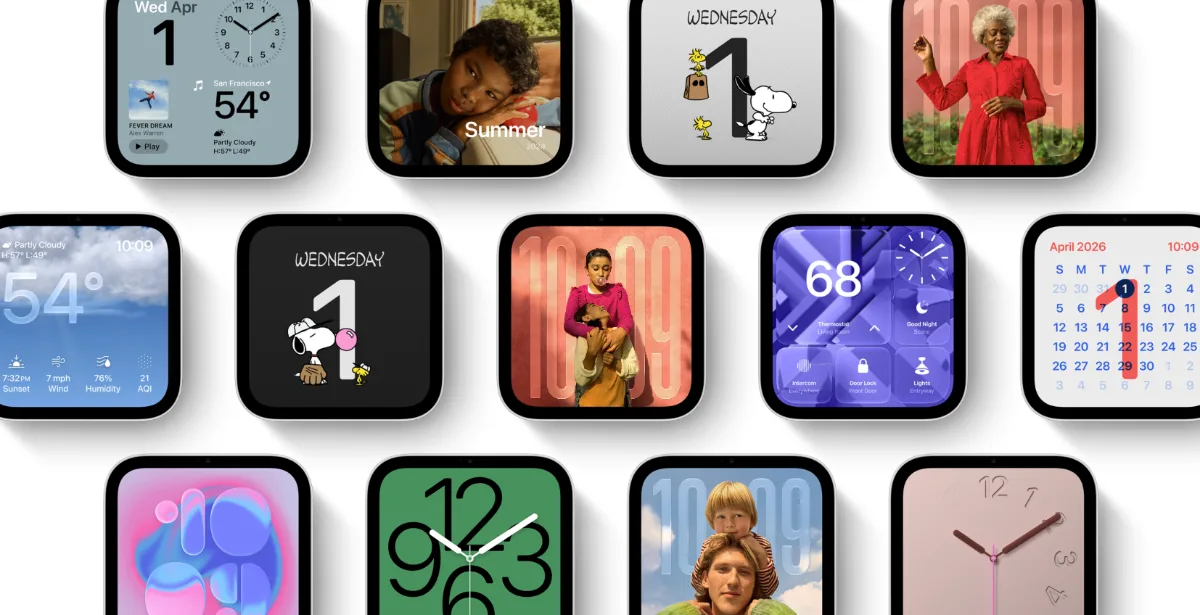
HomeView has a 7-inch Liquid Retina display, an A18 chip and a 12MP camera. It recognizes up to six family members by face and shows personalized messages, calendars and photos.
It handles FaceTime calls, music and appliance control. It can also show feeds from up to nine security cameras on one screen. With Matter and Thread support, it connects smart home devices from different makers.
The biggest change is that Siri expands from a voice assistant that answers questions into an AI interface that understands household information and operates devices.
Still, the advanced features that draw on personal context stored on an iPhone or iPad require pairing with a device that supports Apple Intelligence. It is too early to call HomeView a finished home agent that carries out every task on its own.
Even 10 million units would be under 1% of Apple's revenue
Start with the math.
Apple's fiscal 2025 revenue was $416.161 billion. Of that, the Wearables, Home and Accessories segment brought in $35.686 billion, about 8.6% of the total.
The table below assumes every unit sells at $299. Actual reported revenue could differ with discounts, returns, sales channels and revenue recognition.
| Annual unit sales | Assumed revenue | Share of Apple revenue |
|---|---|---|
| 1 million | $299 million | 0.072% |
| 5 million | $1.495 billion | 0.359% |
| 10 million | $2.99 billion | 0.718% |
Assumes all units sell at $299. Benchmark is Apple's total fiscal 2025 revenue of $416.161 billion.
Ten million units a year is not a demand forecast. It is an assumption to show the scale involved. Even at that level, the effect on Apple's overall revenue growth rate would be limited.
Profit tells a similar story. In fiscal 2025, Apple's gross margin was 36.8% on products and 75.4% on services. HomeView's own margin has not been disclosed, so applying the product average to estimate actual profit would not be appropriate.
Apple is not after the profit on a single device
Alongside HomeView, Apple introduced the HomePod mini 2, a new Apple TV 4K and a line of smart home accessories with partners including LG Electronics and Schneider Electric.
Add locks, doorbells, security cameras and thermostats, and HomeView becomes a kind of control screen for the house. That changes the business model.
A household that wants smart security features has a reason to keep its iCloud+ subscription. Music and video services may also become easier to use. The connected experience built up between an iPhone and home devices raises the cost of switching to another ecosystem.
But more usage does not necessarily mean new subscription revenue. Existing subscribers may simply use the services more. That is why the numbers to watch are new paying subscribers and subscription retention, not HomeView itself.
Late to the party. What is different?
Amazon's Echo Show and Google's Nest Hub already offer screen-based smart home experiences. Apple is a latecomer, and HomeView's $299 price is high next to cheaper rivals.
Apple's pitch is an integration of per-family personalization, device-to-device connectivity, privacy and an AI-based voice interface.
Those strengths have to be proven in real homes. The Nov. 13 first-sale markets are limited to eight countries: the US, UK, Canada, Australia, New Zealand, India, Singapore and South Africa.
The European Union is excluded because of restrictions tied to Siri AI, and South Korea and Japan are not among the initial launch markets. Siri AI language support at launch is also centered on English. Global potential is one thing. The market Apple can actually sell into today is another.
Apple is not selling a small screen. It is selling a new touchpoint meant to keep iPhone users living around Apple's AI at home as well.
Whether HomeView is a successful product can be judged by unit sales. Whether it is a successful investment story depends on how much more recurring revenue and profit it generates for Apple.
Insight Times Editorial Desk