Investing
Companies, industries and valuation. What a business earns, and what that leaves for the shareholder.
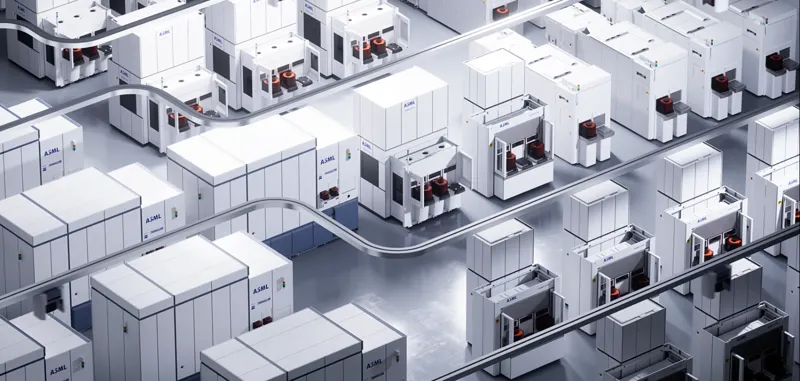
The Real ASML Number Isn't the 3% Pop, It's the 30% Capacity Hike
ASML's rally isn't just an AI trade. Customers are already locking in 2027 tool slots, and ASML is raising Low-NA EUV capacity by roughly 30% to keep up.

5% Rates and AI: This Week's Real Variables Are Oil and Cash Flow
The Fed hiked rates for the first time in three years even as core CPI cooled to 2.4% in August. The market's real question this week is not whether inflation has fallen, but whether an oil shock revives inflation expectations and long-term yields, and whether AI earnings are strong enough to survive 5% rates.
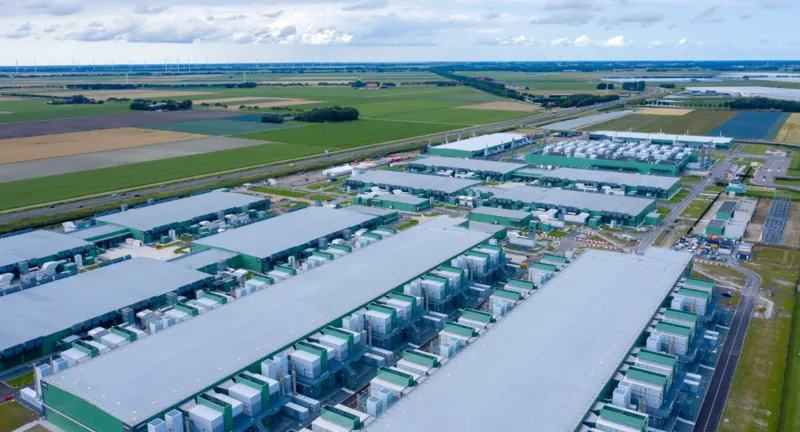
$300 Billion in AI Investment Is Moving Off the Balance Sheet
As AI data centers grow too large for any one company to own outright, Big Tech is turning to separate entities that borrow the money and buy the assets, backed by long-term usage contracts and residual-value guarantees. The risk hasn't disappeared. It has just moved.
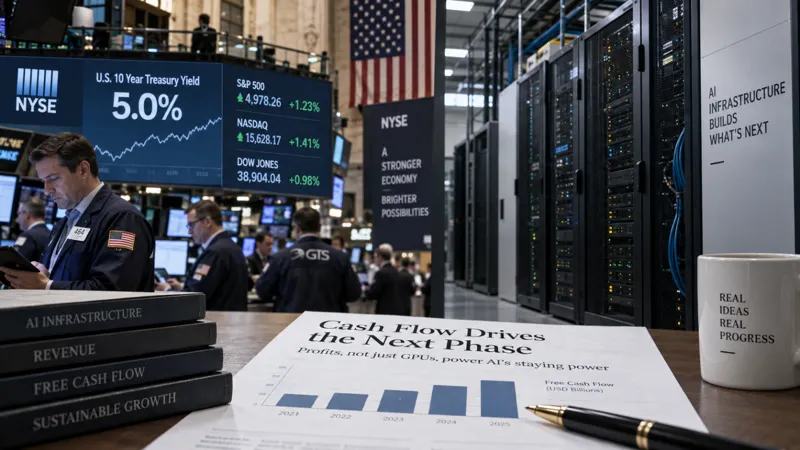
[Weekly Check] AI Held Up Even at 5% Rates - Now the Market Wants Cash, Not Just GPUs
The Fed actually raised rates, and the 10-year is back above 5%. But the Nasdaq did not crack. This week's real story is not the end of the AI rally, but a shift in how the market grades it.

Your Portfolio Doesn't Need a Reset. It Needs a Rule for the Next Dollar
Rebalancing sounds like a professional's craft, but the actual job for individual investors is simple: set a target, move only when you have drifted too far, and use new money before you sell.

The Real AI Rally Question Isn't a Bubble, It's Whether Profits Catch Up to Capex
Rather than taking the latest bullish calls from Tom Lee and Dan Ives at face value, we separated what's confirmed by data from what's still forecast. The conclusion is simple: what matters now isn't the size of the AI buildout, but how fast it monetizes.
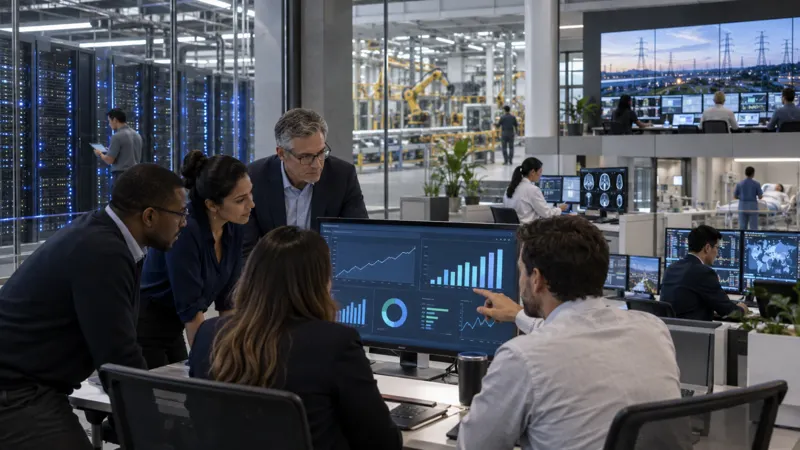
AI's Second Act: Where the Money Goes After GPUs
Morgan Stanley's 24 "AI Adopter" stocks share one trait: not heavy AI usage, but the ability to convert AI into revenue, margin and cash flow.

Tesla Semi's Real Bottleneck Is Starting to Clear
A new 30-megawatt heavy-truck charging buildout in California is too small to move Tesla's earnings on its own. But it marks real progress on one of the Semi business's hardest problems: charging infrastructure that has to exist before the trucks do.
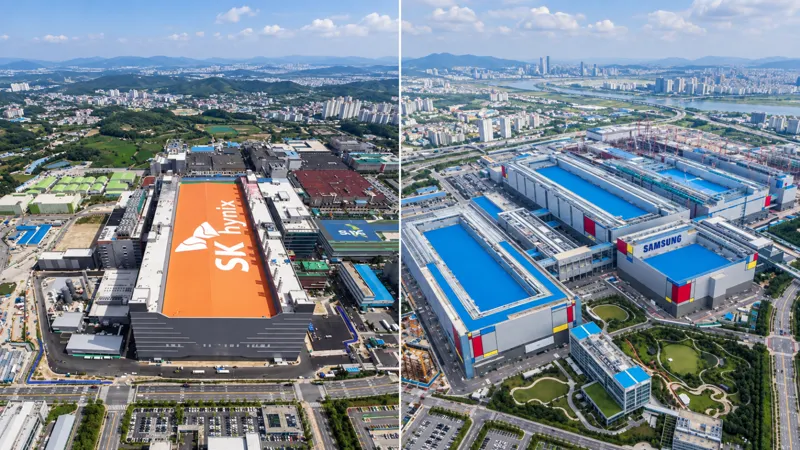
Samsung and SK Hynix Sold Off on AI Fears. The Order Books Haven't Cracked Yet
The selloff reflects markets recalculating the pace of AI capex and memory earnings, not proof that AI spending has actually stopped. So far the data shows a gap between fear and reality.
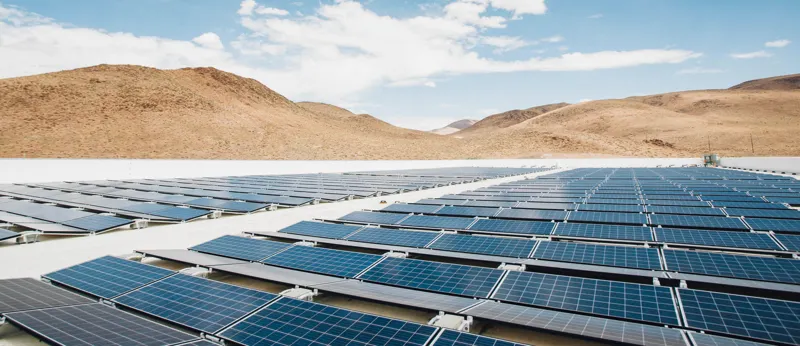
Texas Solar Passed Nuclear. The Real AI-Era Trade Isn't the Panel
Elon Musk says solar's exponential growth will make nearly every other power source disappear. The direction is right, but the investable story runs through storage, grids, transformers and interconnection, not solar modules alone.
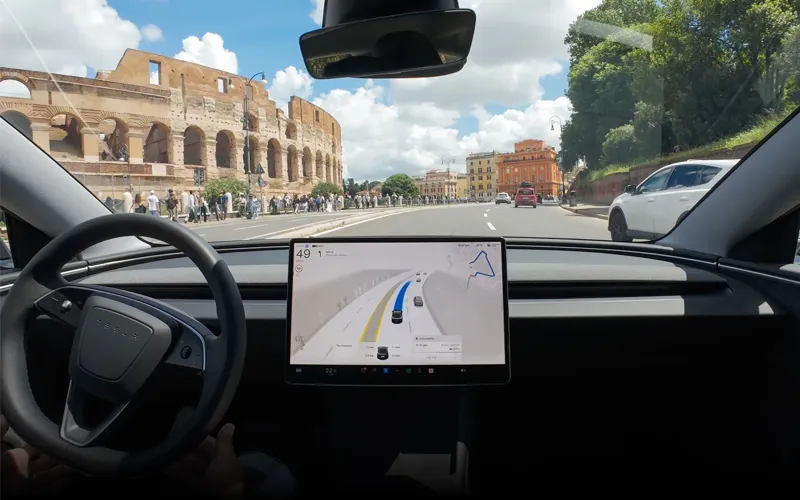
When Will Tesla's Rally Finally Hold? The Case for 2027
The next leg up for Tesla will not come from another product reveal. It will come when self-driving, AI investment and Optimus stop being "future stories" and start showing up as real profit and cash flow. The first real test window is likely 2027.

Cybercab's Next Bottleneck Isn't FSD. It's Legally Deploying a Car With No Steering Wheel
NHTSA has told Tesla to submit the legal basis for Cybercab's self-certification by September 30. That does not mean an imminent halt or recall, but it makes clear the next hurdle for the robotaxi business is not just self-driving software. It is whether a purpose-built vehicle with no steering wheel or pedals can legally be deployed at scale on US roads.
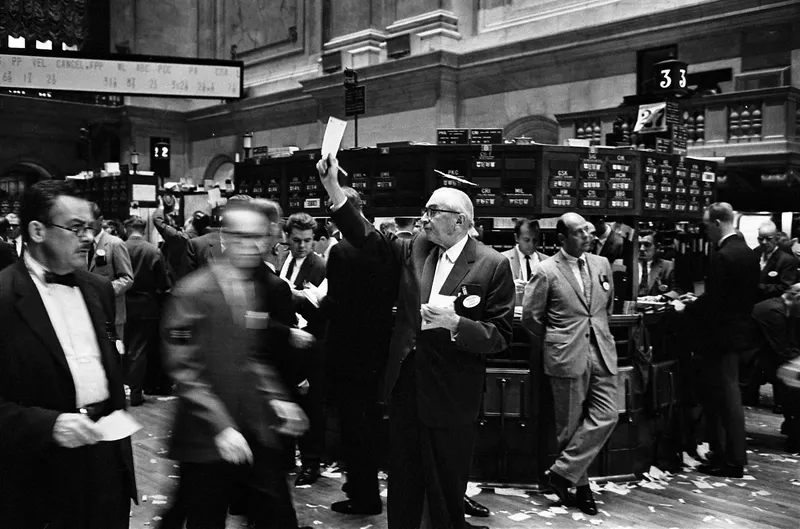
AI Slowdown Fears Hit Chips as the 10-Year Treasury Yield Finally Broke 5%
The S&P 500 fell just 0.48% while semiconductors collapsed 5.86%. What matters is not how much the index dropped, but what the market chose to sell first: the AI-pace debate hit chip earnings expectations, and the 10-year Treasury's push past 5% raised the discount rate applied to those expectations.
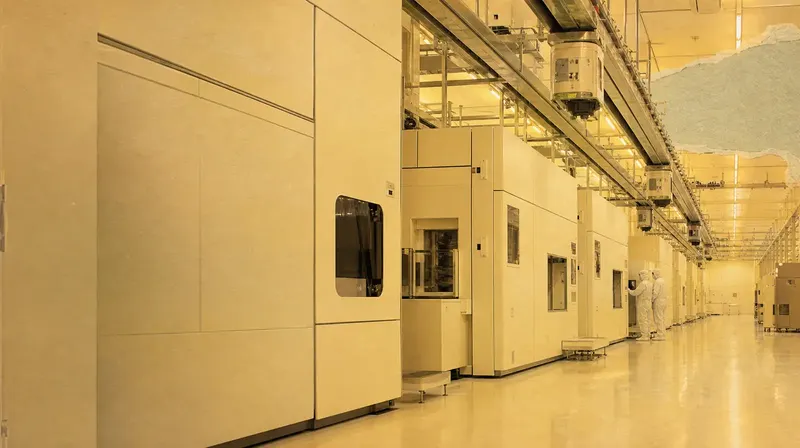
Who Hits $1 Trillion Next: Reading AMD and ASML by Different Rules
One company is chasing Nvidia's GPU empire. The other sells the machine that draws the chips for every advanced chipmaker, including Nvidia. Both get floated as 2028 trillion-dollar candidates, but the numbers investors need to watch are entirely different.
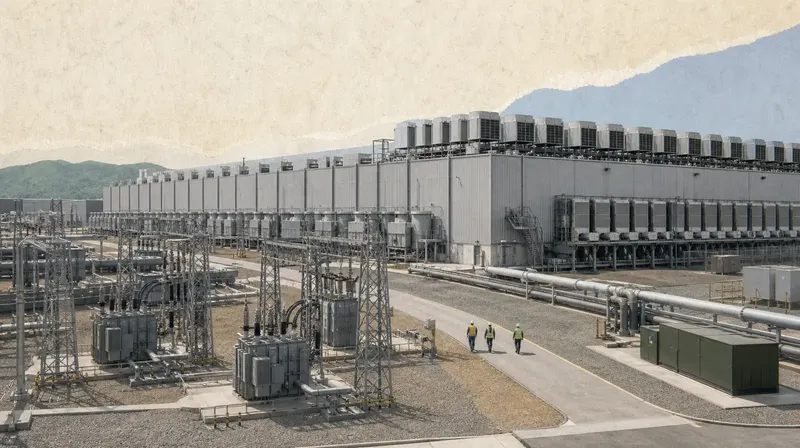
AI's next bottleneck is not silicon. It is electricity
GPUs were scarce, then HBM and advanced packaging. Now the constraint is power delivered to the right place at the right time, and the ability to pull heat out of racks drawing more than 100kW.
InsightTimes
뉴스 뒤의 질문.
오늘 알아 둘 가치가 있는 것을 골라, 왜 중요한지 쉽게 씁니다.
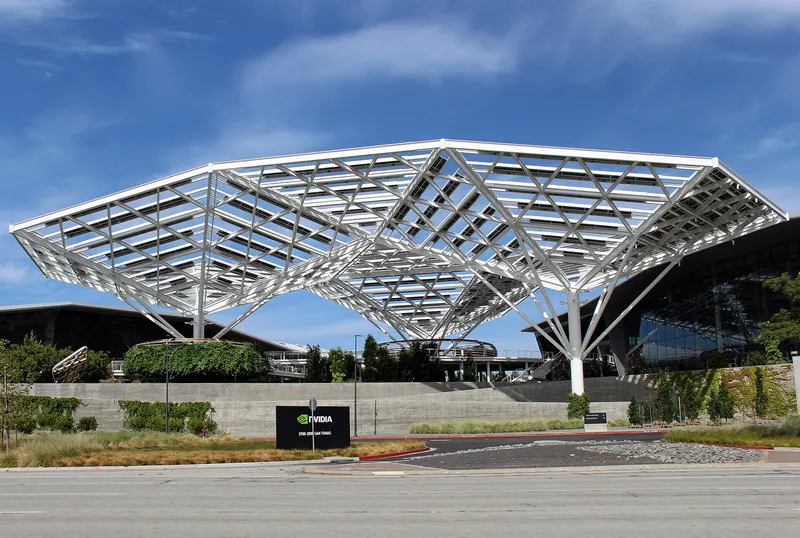
AI Is Not One Wave. It Is Five, and They Do Not Peak Together
Treating AI as a single chip cycle hides the important part. Training, inference, infrastructure, agents and physical AI run on different clocks and different revenue models, which is why slower growth at Nvidia and the end of the AI supercycle are not the same sentence.
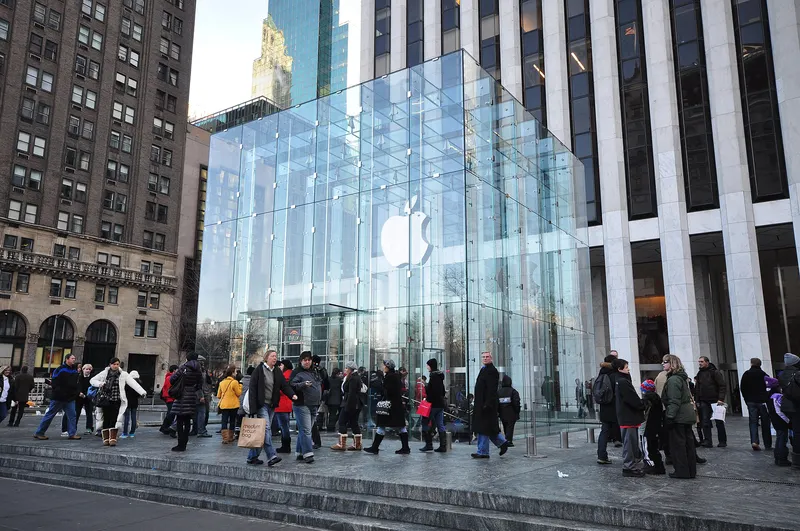
Apple's first foldable barely moved the stock. Margin, not the $1,999 price, is why
The iPhone Duo is a real break in Apple's product strategy. For investors, the question is not how many it sells, but whether the price increase survives memory and foldable component costs and reaches EPS.
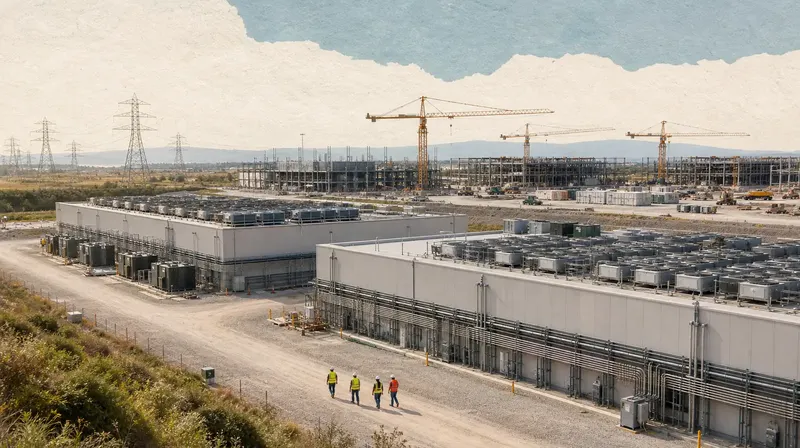
The industry wins, the shareholder loses: AI's most awkward scenario
The biggest risk in AI is not that the technology fails. It is that AI works, spreads through the economy, and still destroys returns because too much capacity gets built. The internet succeeded. Plenty of dot-com investors did not.
AI Stocks Come in Three Kinds. Pricing Them the Same Way Is the Mistake
Nvidia, Meta and Tesla all get called AI growth stocks. They sell entirely different things: proven cash, a productivity boost hidden inside an old business, and a bet on a market that does not exist yet.

Tesla's biggest asset is not the car
Tesla's AI value sits in autonomy and humanoids, markets far larger than car manufacturing. The gap that matters is the one between a demo and a fleet that clears its own bills.
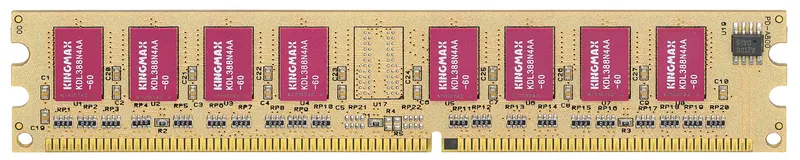
A 3x P/E is not a discount. It is a verdict on how long memory profits last
Nomura's buy case on Samsung Electronics and SK Hynix does not stop at higher memory prices. It argues that if AI has turned memory from a cyclical component into strategic infrastructure, the formula the market uses to value both companies has to change too.
If GPUs Are the Muscle, the Network Is the Nervous System
AI data centers do not get faster just by buying more GPUs. When thousands of accelerators cannot exchange data on time, the most expensive asset in the building sits idle. That is the whole investment case for Arista.

The Cybercab is not a $30,000 car. Tesla is selling hours, not vehicles
No steering wheel, no pedals. The economics of Tesla's robotaxi turn on how many paid hours a day it runs, not on what it costs to build.
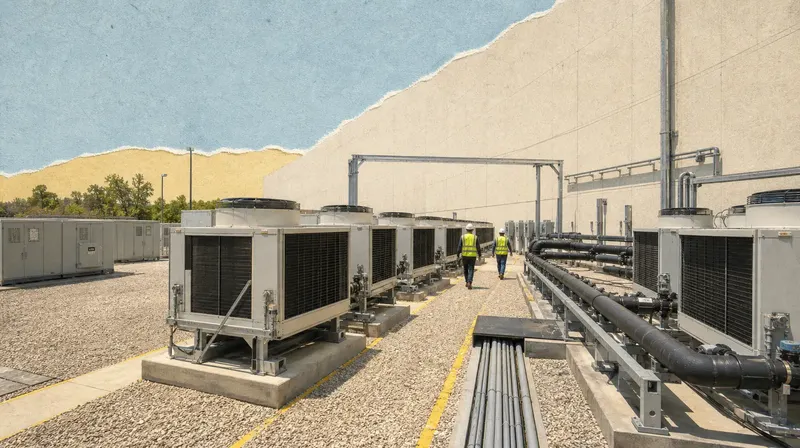
The money in AI runs two ways: one company pays for the power, the other sells it
Meta barely sells AI as a product. It recovers the value inside ad prices and time spent. Vertiv builds no models at all, and sells the power and cooling gear that keeps GPUs running. One side spends the capex. The other side books it as revenue.
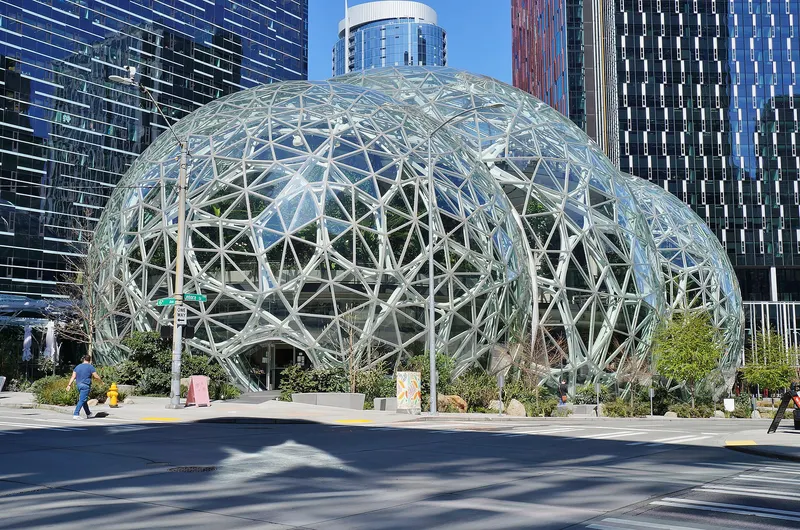
Same cloud, three different ways to earn the money back
Microsoft, Alphabet and Amazon are all spending enormous sums on AI infrastructure. The route each one takes to recover that capital is not the same, and that is what decides the winner.
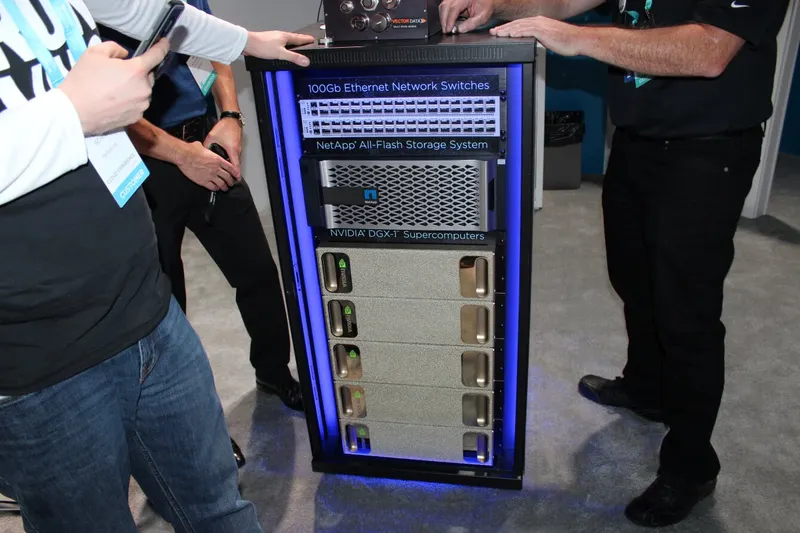
Same AI Boom, Three Different Ways to Make Money
NVIDIA defends a platform standard, Broadcom builds custom silicon for a handful of giant customers, and Micron converts a memory bottleneck into margin. Growth rates say less than how long each kind of scarcity lasts.
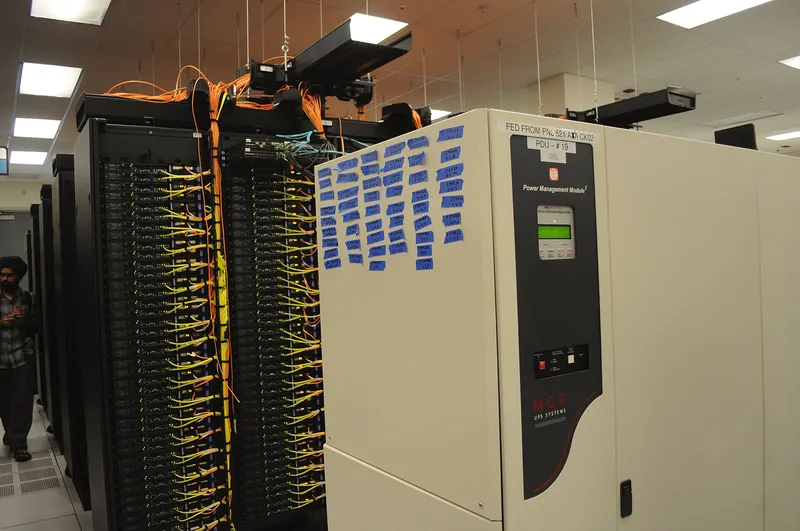
"AI stock" is the most dangerous phrase in your portfolio
Nvidia, Microsoft, Meta, Vertiv and Tesla all get filed under the same label. They sell different things to different buyers with different moats, and pricing them the same way is how investors get hurt.
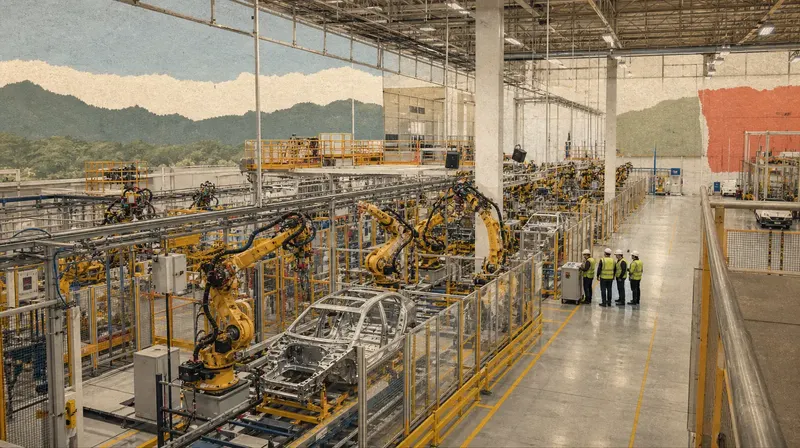
The robot race is not about walking. It is about putting 10,000 of them on a floor
Humanoid demo reels are already impressive. Industry asks a different question: how often does the fleet stop, who fixes it, and is it cheaper than a person after maintenance?
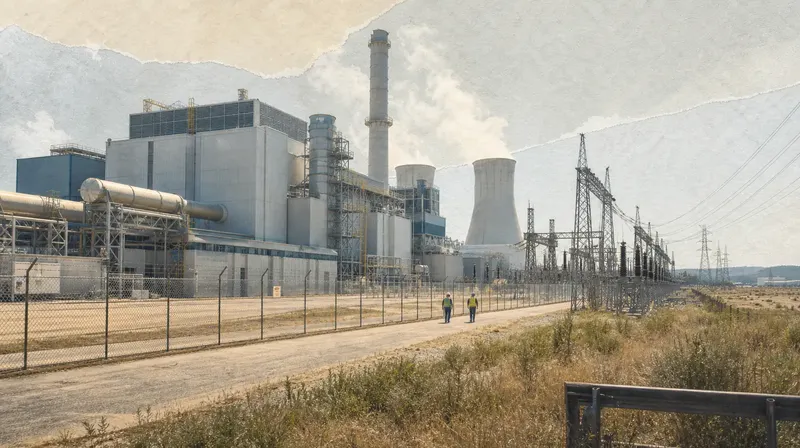
The Cheaper Tokens Get, the Bigger Your AI Bill Gets
As AI shifts from training to inference, the token is becoming an industrial commodity. Falling prices are not cutting demand, because agents and automation consume tokens at a scale no human chat session ever did.
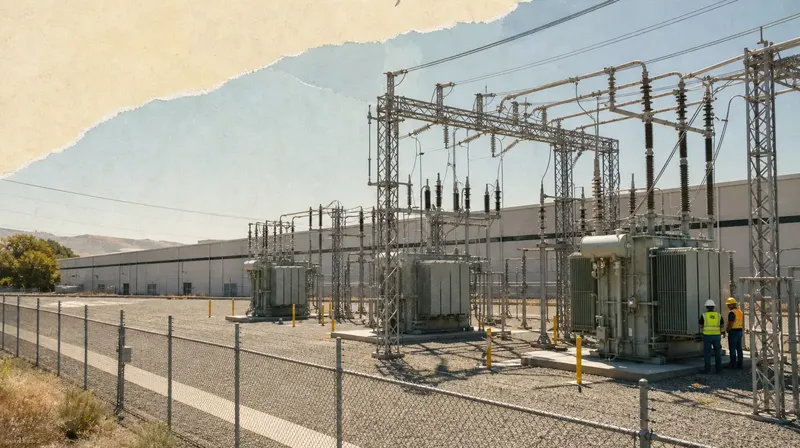
AI is no longer competing on intelligence. It is competing on leftover cash
The race for better models continues, but the industry's center of gravity has moved. The question now is who can turn enormous data center and power spending into revenue and cash flow.
Nothing featured in this section yet.
Enter the email address where we should send the newsletter.