Cybercab's Next Bottleneck Isn't FSD. It's Legally Deploying a Car With No Steering Wheel
NHTSA has told Tesla to submit the legal basis for Cybercab's self-certification by September 30. That does not mean an imminent halt or recall, but it makes clear the next hurdle for the robotaxi business is not just self-driving software. It is whether a purpose-built vehicle with no steering wheel or pedals can legally be deployed at scale on US roads.
NHTSA's question is surprisingly simple
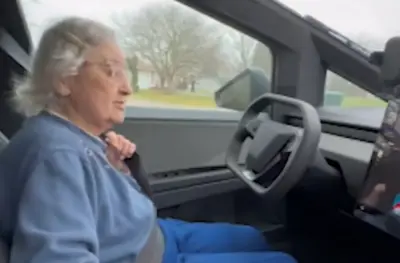
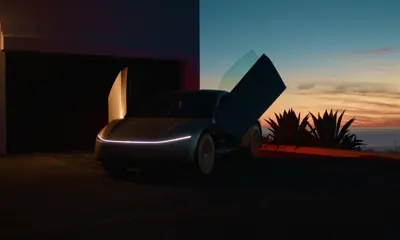
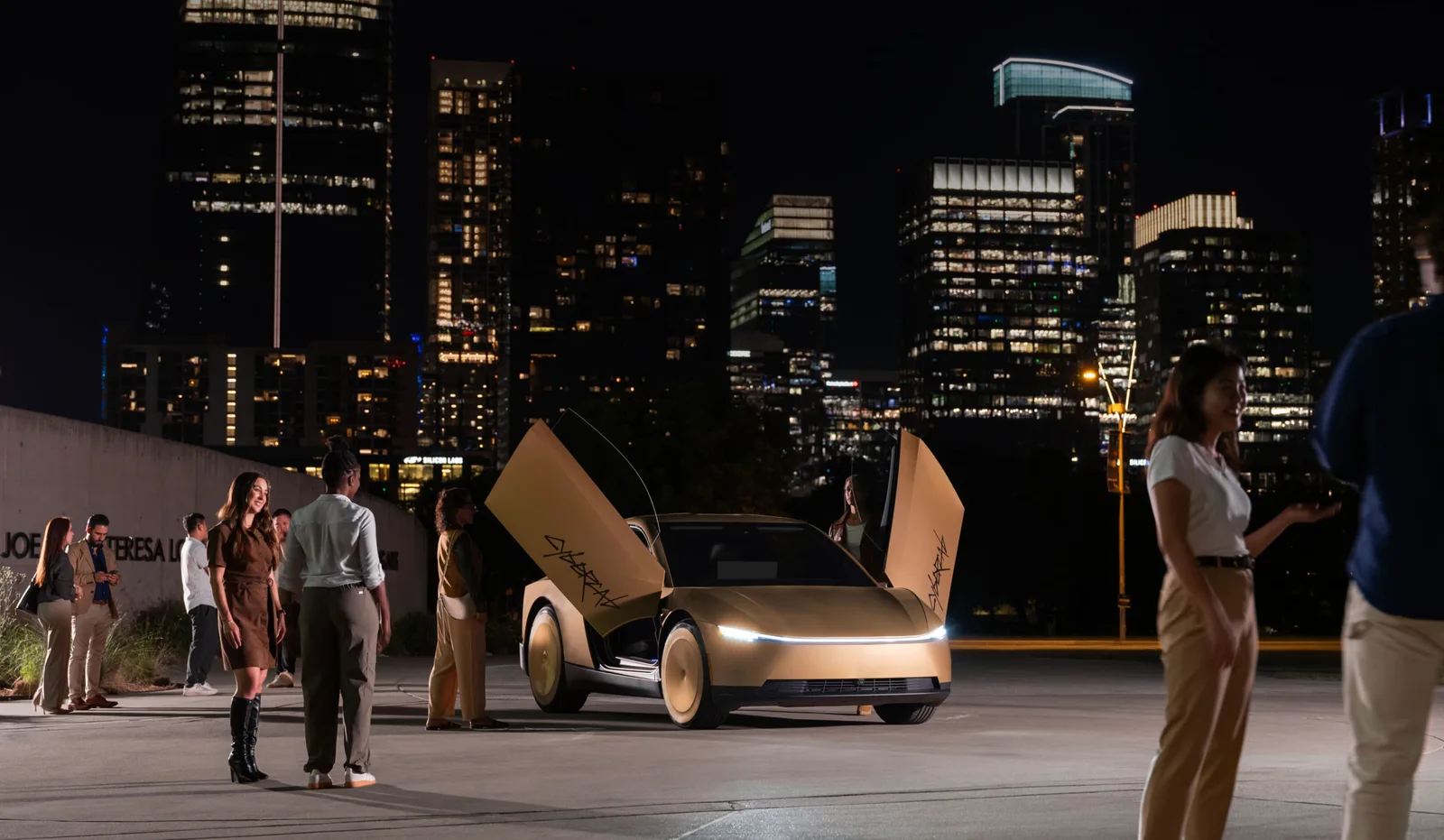
The Cybercab has no steering wheel. It has no brake pedal or accelerator pedal, and no traditional rearview mirrors. Tesla designed it that way from the start for a clear reason: if a robotaxi does not need a human driver, it does not need to keep carrying the parts that let a human drive.
US vehicle safety rules, however, are not yet fully built for that future.
On September 4, NHTSA opened an Audit Query to examine how Tesla self-certified the Cybercab. It then asked Tesla for more specific answers by September 30. The core questions come down to three things.
When Tesla certified the vehicle: Was testing done with a temporary steering wheel, pedals, or other manual controls installed?
In the actual production vehicle: Can a person drive it directly? Can a passenger move the vehicle through a touchscreen or similar interface?
Operating conditions: What are the top speed, service area, hours of operation, and any other restrictions?
These questions matter because NHTSA is not simply reviewing crash data. It is checking the legal logic behind why this vehicle was deemed fit to be on public roads in the first place.
The software can be ready while the car isn't legally ready
Discussion of Tesla's robotaxi ambitions has long centered on FSD's performance. Can it drive more safely than a human? Can it handle a complex city center without a driver? How long can it operate without remote assistance?
The Cybercab adds an entirely different layer of problems on top of that.
If Tesla used an existing Model Y as a robotaxi, the vehicle would already have a steering wheel, pedals, mirrors and other equipment built for human drivers. Even with autonomous-driving software rules and state-level commercial transport permits still to sort out, the vehicle hardware itself sits inside a familiar regulatory framework.
The Cybercab is different. It was built from the ground up as a vehicle no human drives. That means the more successful the robotaxi push becomes, the more directly it collides with existing vehicle safety regulations.
2,500 units a year: don't overstate it, and don't ignore it either
September 30 — the deadline for Tesla to submit the basis for Cybercab's self-certification to NHTSA
2,500 vehicles — the annual exemption cap allowed per manufacturer for nonstandard vehicles
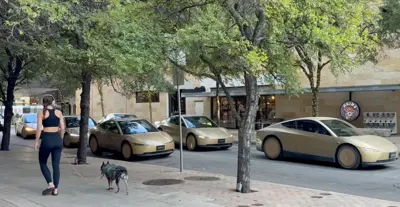
September 3 — the day Tesla began limited commercial operation of two-seat Cybercabs in Austin
The 2,500-unit figure should not be read as a permanent production ceiling for the Cybercab business. It is simply the cap that applies when a vehicle that does not fully meet current standards is commercially deployed under a Part 555 exemption.
In July, NHTSA granted Zoox an exemption to commercially operate a steering-wheel-free robotaxi, capped at 2,500 units a year for two years, with enhanced oversight conditions attached.
Tesla could pursue the same path. But that route alone would not be enough to build a Cybercab network of hundreds of thousands of vehicles. Mass deployment would ultimately require one of two things: either regulators accept the argument that the Cybercab meets current Federal Motor Vehicle Safety Standards (FMVSS), or the FMVSS themselves get rewritten for vehicles that humans don't drive.
So how bad is this investigation, really
In the short term, this is a headline that raises uncertainty. NHTSA has asked for more documentation, and depending on what Tesla submits, the certification debate could drag on. Investors who have been assuming a very aggressive production ramp for the Cybercab should factor regulatory time back into their models.
But at this stage there is no basis to read this as an operational halt, a recall, or a ban on the business. NHTSA's formal action is an Audit Query, an investigative step to verify the basis of self-certification. It is not a final finding that Tesla violated any rule.
More important is that the US government does not appear to be trying to block steering-wheel-free vehicles outright. Since 2025, NHTSA has streamlined the exemption process for nonstandard autonomous vehicles, and in 2026 it is working to update several FMVSS provisions covering manual brake pedals, mirrors, and lighting to fit autonomous vehicles. Zoox's commercial approval points in the same direction.
So this episode is less a binary of "Cybercab allowed or banned" and more a question of how long regulatory friction persists before mass expansion becomes possible.
Insight Times Editorial Desk