Robotaxi
19 articles on this topic, newest first.
Nov 2026 3 stories
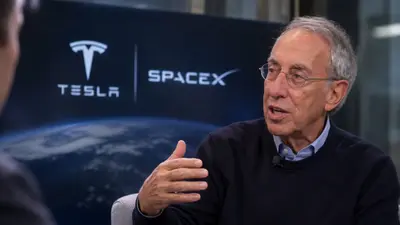
Ron Baron Bets on Tesla at 5x and Data Centers in Space. What Would Prove Him Right?
The 83-year-old investor says he is fine with or without a Tesla-SpaceX merger. What he is really backing is AI-era power, autonomy and orbital infrastructure.
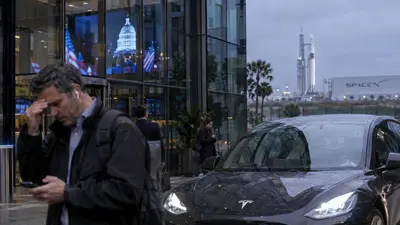
Democrats Won Congress. That Doesn't Settle Tesla's Future
Tesla and SpaceX fell more than 4% in premarket trading after Democrats took both chambers. A six-year Tesla holder asks what politics can and cannot decide.
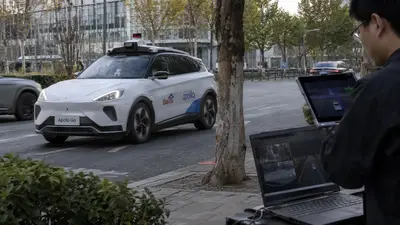
Baidu Can Simulate 100,000 km a Day. What Does That Mean for Tesla and Waymo?
Baidu's Apollo World shows how fast self-driving training can run. Investors should ask whether that speed turns into real-world safety and robotaxi profit.
Oct 2026 9 stories
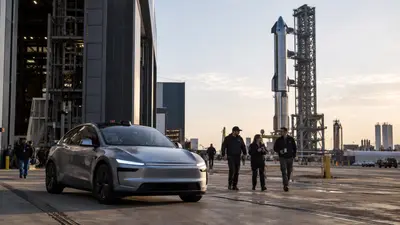
Tesla-SpaceX Merger: Who Gains More? ARK's 24% Premium Math
ARK Invest sketches a 24% premium and $2.7 trillion in 2031 EBIT. The bigger question is where robotaxi cash goes and what each existing share is worth afterward.
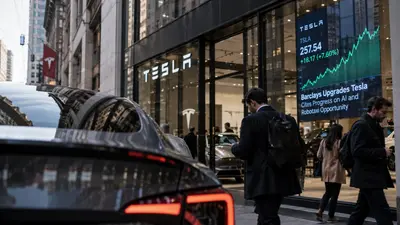
Why Tesla Jumped: Barclays Sets a $450 Target on SpaceX Merger Hopes
Hopes for a SpaceX merger moved the stock. Whether the rally lasts likely depends on how robotaxis turn into profit and cash flow.
Tesla Cut Its Capex Guide by $5 Billion. Good News or Bad?
Tesla protected cash, but its growth timetable now carries a question mark. The key issue is not how much it saved but what it pushed back.
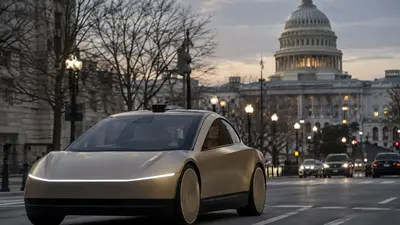
US Rewrites Lighting Rules for Cars With No Driver, but Robotaxi Hurdles Remain
NHTSA has proposed changes to a federal lighting standard to fit vehicles driven by software. The move matters for Tesla's Cybercab, but a rule change is not a safety approval.
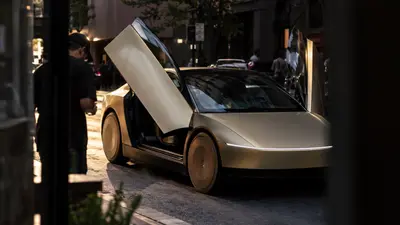
Tesla Targets Year-End Cybercab Deliveries, but Oct. 30 NHTSA Deadline Comes First
Tesla wants to deliver the wheel-less Cybercab to outside customers by the end of 2026. Before production can scale, it must show federal regulators how the car meets US safety standards.
Tesla's Paradox: Profit Halved, Yet Cash Came In Positive
Tesla posted $1.53 billion in free cash flow against an expected $4.92 billion outflow. What matters is less the cash itself than how fast Tesla invests in AI and what that capital eventually earns.
Tesla's Q3: Operating Profit Down 56%, but the Future Businesses Moved Forward
Operating income fell 56%, auto gross margin hit 18.1% and FSD reached 1.74 million users. Tesla's third quarter split sharply between today's profit and tomorrow's businesses.
ARK Sets Tesla 2031 Target at $4,400, Betting on 8.1 Million Robotaxis and Optimus
ARK Invest's new model implies a $17.5 trillion market cap for Tesla by 2031. It reads less like a forecast than a scenario that assumes robotaxis and robots earn real money.
Tesla's FSD Clears Eight European Countries. The Number That Matters Now Is Paid Conversion
European regulatory barriers for FSD Supervised are falling. But investors who lump supervised software revenue together with the value of driverless robotaxis risk pricing the same news twice.
Sep 2026 7 stories
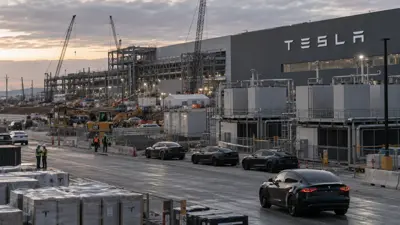
Why Tesla Lined Up $30 Billion in Credit It Says It Won't Use This Year
Tesla's 2026 capex is set to nearly triple. The question is less about debt than about when spending on AI, robotaxis, chips and energy turns into cash flow.
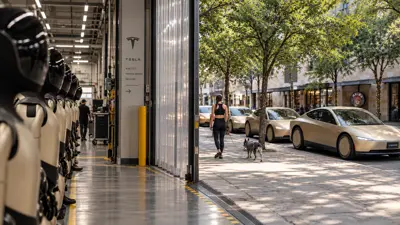
Tesla's 546 Robotaxis and Hundreds-a-Week Optimus Bots: What the Numbers Miss
Tesla is scaling two "physical AI" products at once, but registration counts and production counts do not tell investors whether either one is actually making money.
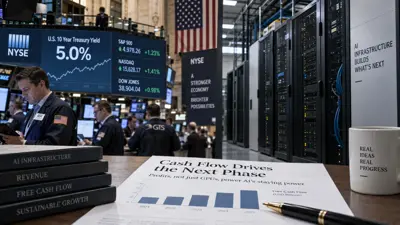
Rates Hit 5% Again, But AI Held - Now Wall Street Wants Cash Flow, Not Just GPUs
The Fed raised rates and the 10-year yield broke back above 5%, yet the Nasdaq did not crack. This week's real story is not the end of the AI rally but a change in what the market is grading.
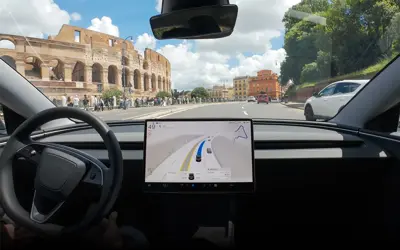
When Will Tesla's Rally Finally Hold? The Case for 2027
The next leg up for Tesla will not come from another product reveal. It will come when self-driving, AI investment and Optimus stop being "future stories" and start showing up as real profit and cash flow. The first real test window is likely 2027.
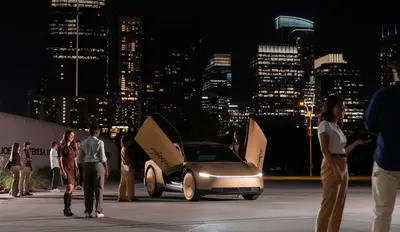
Cybercab's Next Bottleneck Isn't FSD. It's Legally Deploying a Car With No Steering Wheel
NHTSA has told Tesla to submit the legal basis for Cybercab's self-certification by September 30. That does not mean an imminent halt or recall, but it makes clear the next hurdle for the robotaxi business is not just self-driving software. It is whether a purpose-built vehicle with no steering wheel or pedals can legally be deployed at scale on US roads.
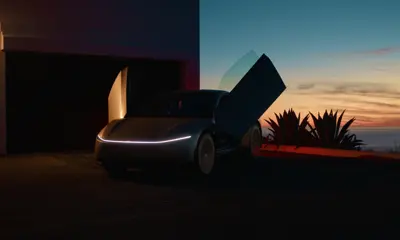
Tesla's biggest asset is not the car: when Robotaxi and Optimus stop being options
Tesla's AI value sits in autonomy and humanoids, and both could dwarf car manufacturing. The gap is between a demo and a fleet that earns cash per vehicle.
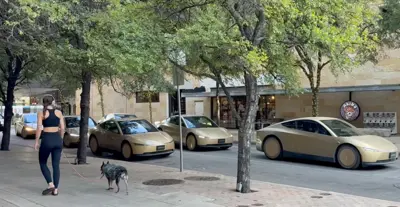
The Cybercab is not a $30,000 car. Tesla is selling hours, not vehicles
No steering wheel, no pedals. The economics of Tesla's robotaxi turn on how many paid hours a day it runs, not on what it costs to build.
Nothing featured in this section yet.
Not more news. Ideas that stay with you.
Instead of the daily flood of headlines, we send the knowledge and perspective you need to think long-term about U.S. stocks and AI investing, in one email each morning.
We only ask for your email. Every issue has a one-tap unsubscribe link.