Democrats Won Congress. That Doesn't Settle Tesla's Future
Tesla and SpaceX fell more than 4% in premarket trading after Democrats took both chambers. A six-year Tesla holder asks what politics can and cannot decide.
The 20-second read
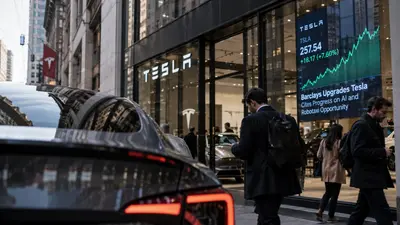
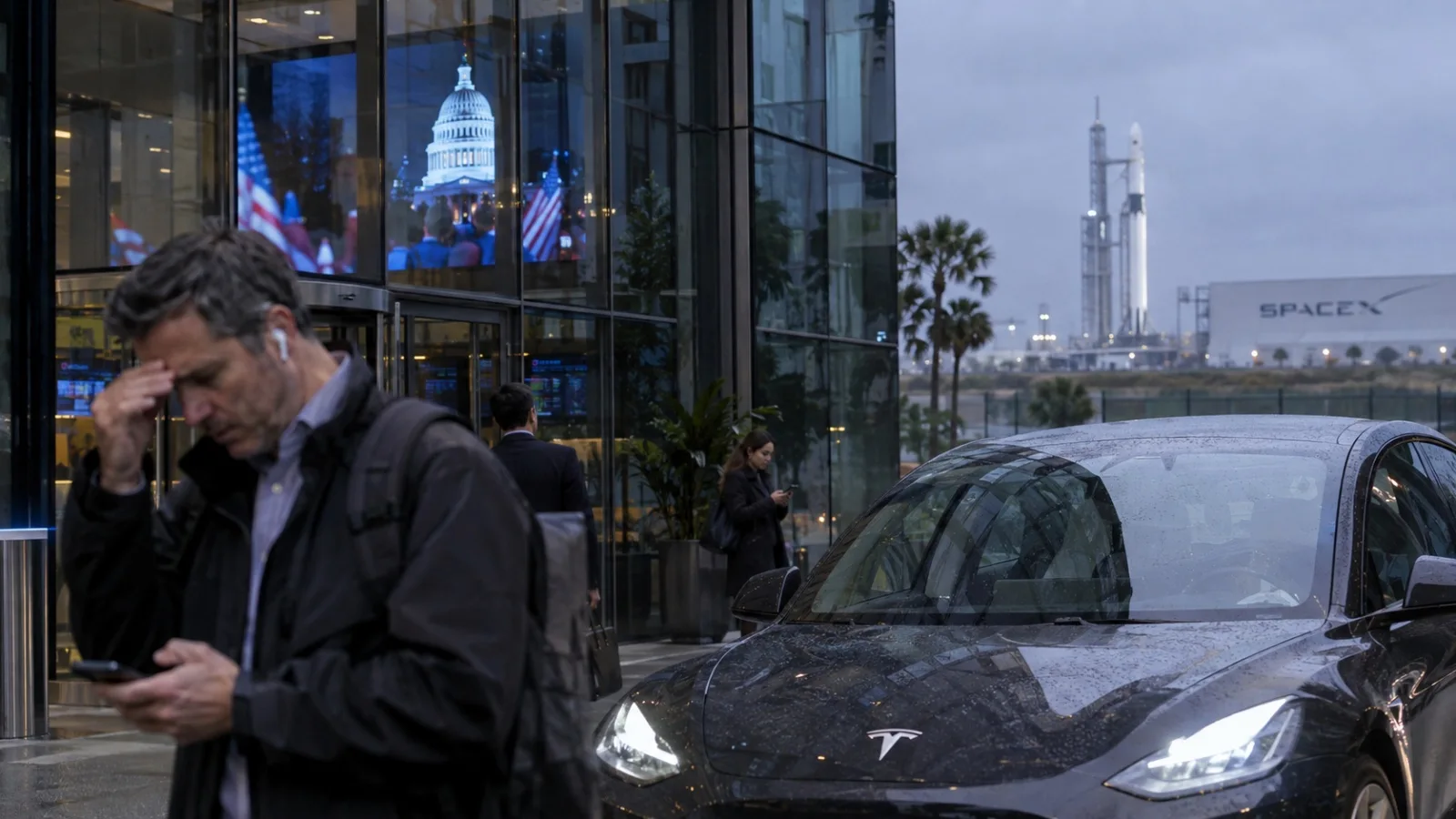
News broke that Democrats had won both the Senate and the House in the midterm elections. Tesla and SpaceX shares each fell more than 4% in premarket trading, a drop that stood out even against other big tech names.
Online investor forums filled with sighs and blame.
"So much for Tesla being strong in the fourth quarter."
"Why did Elon pour so much money into Republican politics and cause this?"
"Tesla won't be able to rise for the next few years."
One poster said they would drop Tesla and SpaceX and buy Nvidia, Google, Microsoft or Apple instead.
Reading those posts, this long-time holder felt the weight too.
How many investment opportunities did six years of holding Tesla cost?
While Nvidia and Google grew, the holder waited on Tesla's future. The opportunity cost suddenly felt large. Long-term investors usually say they are confident. On a day like this, they waver.
How often will a Democratic Congress clash with Elon Musk? Investigations, hearings, regulatory pressure and political sparring could fill the news for days, mixing fact with speculation. That is tiring to think about.
Then came a memory from two years ago.
Was Tesla happy when Republicans won?
In November 2024, Donald Trump won the presidency and Republicans took Congress. Tesla's stock surged.
From about $250 just before the election, it topped $488 intraday in mid-December. That is nearly double in a little over a month.
The market expected Musk, as a key figure in the Trump administration, to open a favorable political environment for Tesla.
What happened next?
Tesla's stock rose about 11.4% in 2025, but the path was anything but smooth. The Nov. 3, 2026 close was $398.50. That is 11.4% below the end of 2025 and about 18% below the December 2024 intraday high.
Republican control of the White House and Congress, and Musk's closeness to the president, did not keep Tesla rising.
Why? The market began asking what the company had actually delivered, not who its friends were.
Slowing vehicle sales growth, tougher competition in China and Europe, brand damage from political activity, and the pace of commercializing robotaxis and Optimus all mattered. A gap remained between the future investors expected and the business results in front of them.
Politics can lift a stock. It cannot produce a company's earnings or technical achievements. That was already tested.
The reverse should hold too.
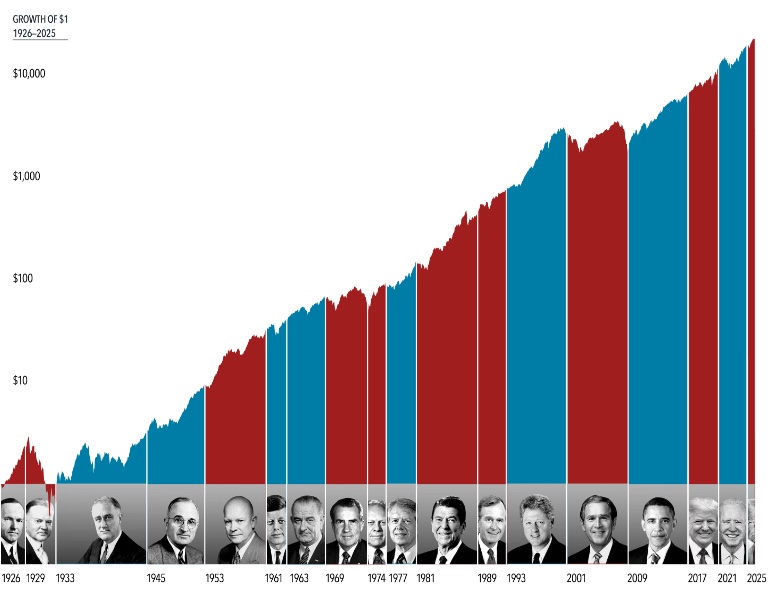
If a Republican win did not guarantee Tesla's success, a Democratic win does not guarantee its failure.
Can Democrats stop Tesla's technology?
Politics does matter.
With control of Congress, Democrats could step up scrutiny of Musk's companies. Autonomous driving safety, government contracts and conflicts of interest could become political issues.
But congressional power is not the same as a company's technical competitiveness. It also matters that the Trump administration still runs the federal agencies.
The questions Tesla must answer are not very different from before the election.
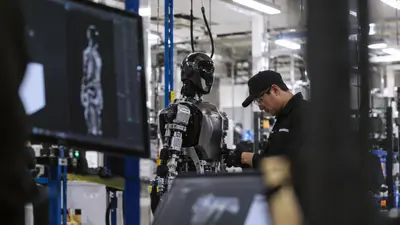
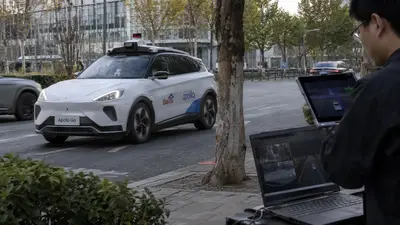
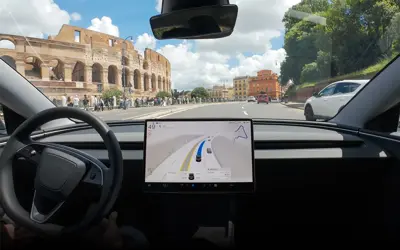
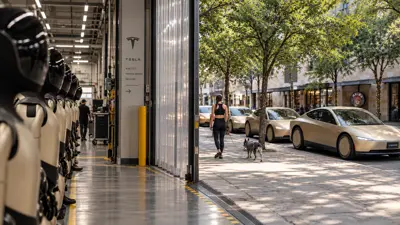
Can FSD run safely enough without constant driver supervision? Can robotaxis grow from limited areas into a large business? Will Optimus become a product customers pay for, not a robot in a demo video? How much more can the energy business grow?
For SpaceX, what counts is launch costs, transport capacity, Starlink profitability and how well it expands into new space infrastructure. Technical synergy with Tesla only matters if it shows up in concrete business results.
None of these succeeds or fails on an election count.
What becomes clearer when political favor fades is this:
Can the company build products customers choose without political help?
For a long-term investor, that question matters far more.
Still, six years is a lot of time
That does not make it easy.
Long-term investing is hard not only because prices fall. It is hard because you watch other companies pull ahead while yours stands still.
Six years ago, this investor expected Tesla to have achieved much more by now.
But the speed at which technology changes the world differs from the speed at which it turns into profit. And the market does not pay interest on the time investors spend waiting.
So regret over opportunity cost is legitimate.
Wondering what would have happened with Nvidia or Google is natural. Having held Tesla for a long time is not a reason to keep holding it.
Still, a sharp drop on political news is a poor moment to throw out every past judgment wholesale.
Is the thesis broken, or does the investor just want to sell because the price fell? Telling the two apart is harder than it sounds.
A few more years
When first buying Tesla, the investor set a 10-year horizon.
That was not a promise to hold no matter what. It meant giving the technology and business possibilities enough time to show up as reality.
The same applies to the next few years.
No selling just because the price dropped. But no closing one's eyes just to complete 10 years, either.
The holder will keep checking how many customers robotaxis actually carry, how many Optimus units are built and sold, and how much cash the energy business generates.
If the expected achievements do not appear, the holder must admit the judgment may have been wrong. If they accumulate one by one, the political noise may feel smaller over time.
Perhaps long-term investing is not only about finding a good company and holding it. It may be about repeatedly asking why you bought it, revising your view when new facts arrive, and not being easily swayed by daily noise.
Today, the holder's mind moved more than Tesla's stock.
So, a little deliberately, a pep talk: Democrats winning does not mean Tesla's future lost. Nor does believing in Tesla make that future arrive on its own.
In the end, the task is to watch whether Musk and Tesla achieve what they need to.
Politicians win and lose elections. Companies are judged by products and results.
The Tesla story is not over, in this investor's view.
So no selling today.
But instead of waiting vaguely, the holder plans to watch, a bit more coolly, how close the awaited future really is.
- AP: 2026 midterm election results
- WSJ: Premarket reaction of Tesla and SpaceX
- Macrotrends: Tesla annual stock prices
- Motley Fool: Tesla close on November 3, 2026
What to watch