Free Cash Flow (FCF)
18 articles on this topic, newest first.
Nov 2026 2 stories
AMD's Data Center Revenue Jumped 97%. Why Did Free Cash Flow Fall 64%?
AMD is rapidly turning into an AI server company. Whether the added revenue is coming back as cash is not yet confirmed.
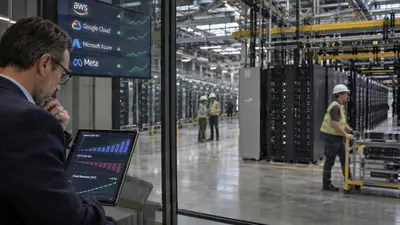
Big Tech's Cash Is Draining. Its AI Business Is Earning More
Nomura's J-curve points to a timing gap between falling free cash flow and the payback on AI spending. For investors, the two are not the same thing.
Oct 2026 13 stories
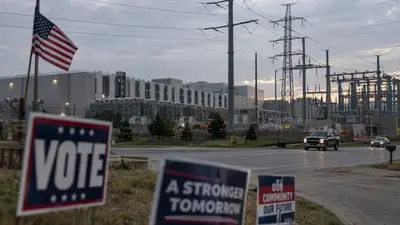
Midterms Are 3 Days Out. What Would a Democratic Win Mean for AI Stocks?
The result may matter less than who pays for AI's growth and which companies can keep cash. Data center timelines and costs are the numbers to watch.
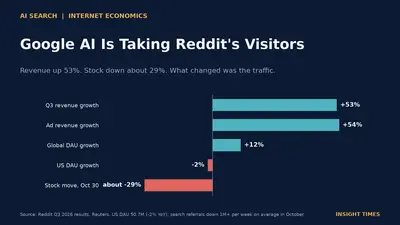
Google's AI Search Is Cutting Reddit's Traffic. Are the Web's Economics Changing?
Reddit's revenue grew fast, but search visits fell. The shock points to a shifting relationship between companies that produce content and platforms that answer with AI.

Google Cloud Grew 103%. Alphabet Fell 10% Anyway. Here Is What Wall Street Fears
AI demand is showing up in the numbers, but search ads missed and AI spending is not yet returning enough cash. Alphabet's results ask not how fast it is growing, but how profitably.
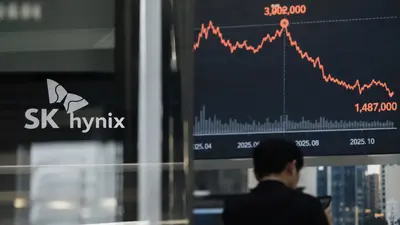
SK hynix Posts Record Profit, but Its Shares Are Half Their Peak
How long will AI memory's excess profit last, and how much of it will reach shareholders? The market doubts the duration, not the earnings.
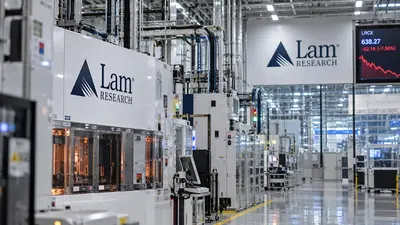
Lam Research Falls 12%: The Problem Is the Timing of AI Growth, Not Its End
Revenue up 54%, an operating margin above 40% and $3.2 billion in free cash flow were not enough. The selloff likely reflects worry that revenue arrives later than hoped.
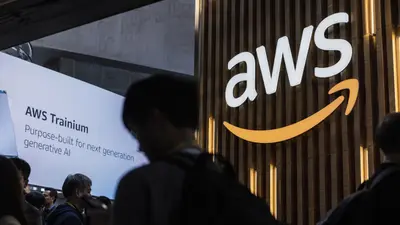
Amazon Goes After Nvidia's Strongest Moat, and It Is Software, Not GPUs
Amazon's open-source TorchNeuron aims to let existing AI code run on its Trainium chips. The contest comes down to the total cost of AI compute and the return on Amazon's $220 billion in annual capital spending.

Tech Selloff: Is the Bull Market Over? Wall Street's Four-Year Chart Says Not Yet
The uptrend has survived five double-digit pullbacks in four years. This time, AI companies' debt and cash flow are the new variables.

Why Great Stocks Like Apple, Amazon and Nvidia Fell 80% First
Long-term charts hide the fear that came before the gains. A big drawdown is no guarantee of future returns, and the test is whether the business case survives the fall.
CoreWeave's Bond Slide Is the First AI Warning, and It Came From Credit, Not Stocks
CoreWeave's 2032 notes fell below 80 cents on the dollar, with yields near 15%. Why is the bond market flashing a warning at a company swamped with AI demand?

Google Catches Up, and Rivals Run Ahead Again
The real test for Gemini 4 Argon is not AI performance. It is whether Google can win customers and keep them.

If AI Is Holding Up the Global Economy, Why Is the IMF Warning of an AI-Driven Financial Crisis?
AI succeeding and AI investors succeeding are different things. The IMF's concern is less that the technology fails than that the huge capital poured into it is not recovered.

Why the White House Swapped "AI" for "Super Intelligence"
Executive Order 14434 renames AI across the federal government without defining a new technology. The real story is about roughly $700 billion in capex, free cash flow and electricity.
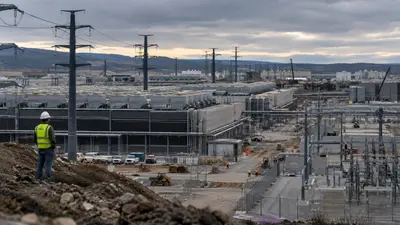
AI Has Five Years to Find $4.2 Trillion in New Annual Revenue
The AI infrastructure question is no longer how many more GPUs to buy. It is how quickly the trillions already committed can produce enough cash flow.
Sep 2026 3 stories

The Maturity Wall: Why 2027 Is When Cheap Corporate Debt Comes Due
Trillions in pandemic-era bonds refinance into a higher-rate world starting in 2027, and the AI buildout is riding the same wave of debt.

The Less an AI Says, the Cheaper It Gets: What Jev Means for Investors
TypeSafe AI's new model Jev skips long text generation and returns only probabilities, choices and scores, pointing to a new axis of competition: not the smartest model, but the cheapest way to embed intelligence into software.
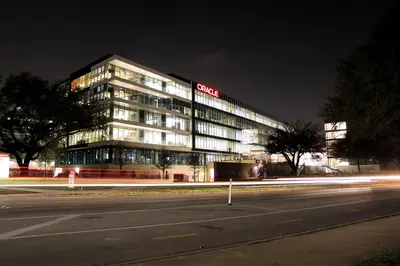
AI Demand Is Proven. Now the $70 Billion Bill Comes Due
Oracle posted $19.3 billion in quarterly revenue and spent $28.5 billion on capex. The real question for the AI buildout is no longer whether demand exists, but how fast this spending turns into cash.
Nothing featured in this section yet.
Not more news. Ideas that stay with you.
Instead of the daily flood of headlines, we send the knowledge and perspective you need to think long-term about U.S. stocks and AI investing, in one email each morning.
We only ask for your email. Every issue has a one-tap unsubscribe link.