Macro
Rates, jobs, prices, oil and geopolitics — followed only along the path that reaches US equities.

Tesla's FSD Wins a 7th European Approval, But the Real Prize Is a Copy-Paste Regulatory Playbook
Czechia's recognition of the Netherlands' provisional FSD Supervised approval brings the country count to seven. The revenue impact is small, but a regulatory strategy that stacks national recognitions and real driving data is starting to work.

US Stocks This Week: Re-Pricing AI Between 5% Yields and $100 Oil
With the Fed having just hiked again, the 10-year near 5% and Brent near $100, markets are asking whether AI's growth can outrun the cost of capital, and a Thursday US-China summit adds another variable.

If AI Makes China Overproduce Even More, the Next Trade War May Be About Volume, Not Tech
A People's Bank of China policy adviser warns that AI could deepen China's "strong supply, weak demand" imbalance, a dynamic that has already fueled friction over EV exports to Europe.
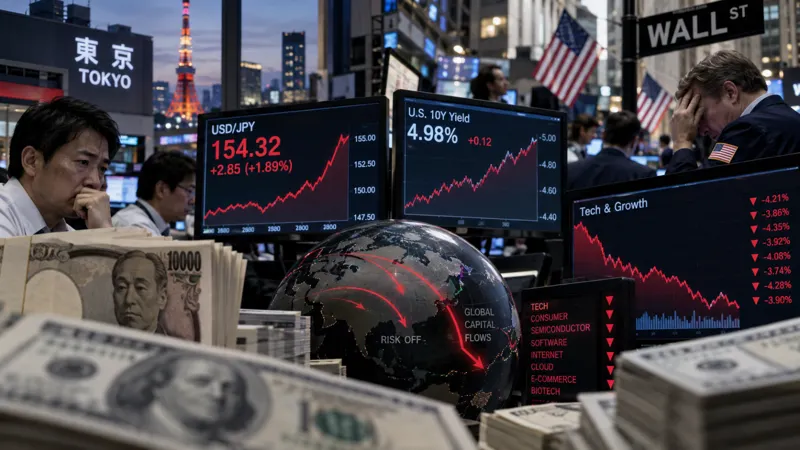
US Rates Are at 5%. So Why Is the Yen Carry Trade the Real Risk?
The rate gap looks like a comfortable cushion, but it's the speed of the yen that decides whether carry trades survive. The August 2024 playbook, replayed against 2026's higher-rate world, points growth investors to USD/JPY, Japanese rates and volatility together, not the Fed alone.
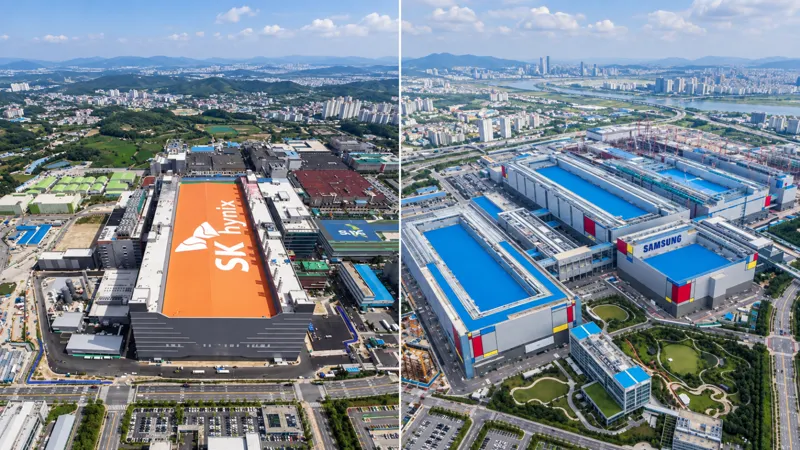
A 2027 Playbook: Stop Watching the Business Cycle, Start Watching Where the Money Flows
A new Korean economics book, "The Reverse Flow of Money," argues that interest rates still act like gravity on every asset, but AI and chips are pulling in capital strong enough to defy it. For investors, the question is not the average growth rate but where that money goes, and where it eventually turns into cash flow.

Why Elon Musk's 4% Growth Call Deserves a Serious Read
Musk says AI could double US GDP growth next year, from 2% to 4%. The number itself matters less than the idea behind it: intelligence turning from scarce labor into replicable capital. If that premise holds, the rules of economics and markets shift too.
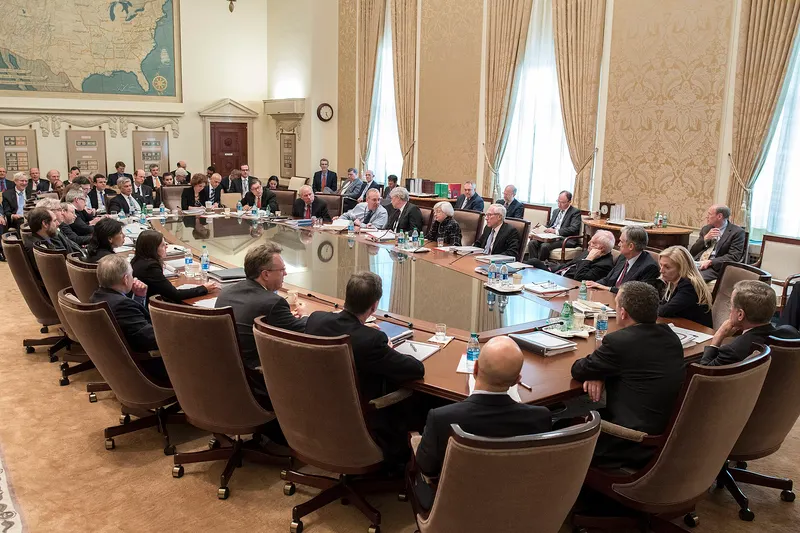
25bp Wasn't the Scary Part. Time Is - How September's FOMC Rewrote the Rate Path
The Fed raised rates for the first time in three years, but the bigger story for investors is how long elevated rates could stay in place, possibly through 2027.

What Matters More Than Today's 25bp Is the Next Few Moves
Even if the Fed raises rates 25bp today, that outcome is largely priced in. The bigger question is how far markets have already priced in further hikes through year-end and into 2027, and how much the dot plot and press conference reshape that path.
The Week the Fed Hikes for the First Time in Three Years: What Markets Fear Most
$100 oil, the 10-year note flirting with 5%, and this week's FOMC meeting. Markets are already on edge. The real question isn't the 25 basis point hike itself, but whether it marks the start of a new tightening cycle.

It's Not Just Hormuz: Why the Middle East War Is Becoming a Fed Problem Again
The US-Iran ceasefire has already collapsed, and the risk no longer sits in the Gulf alone. With the Red Sea and Saudi Arabia's bypass pipeline now under threat too, an energy shock is spreading into prices, the Fed, and growth-stock valuations.

Oil at $110, 10-Year Yield at 5%: The Discount Rate on Growth Stocks Is Rising Again
Brent crude spiked to $109.97 intraday and the US 10-year Treasury yield tested the 5% threshold. What matters is not the numbers themselves but that oil-driven inflation fears are pushing bond yields higher across the globe at once.

AI Raises Prices While It Is Being Built, and Lowers Them Only Once It Is Used
The buildout is pulling in chips, power, land and construction labor all at once, and that pushes prices up. The disinflation shows up later, if the tools actually change how work gets done.

Why the Fed cannot cut: the triple lock of jobs, oil and AI
Inflation is not the only thing blocking a rate cut. A firm labour market, energy prices back on the rise, and an enormous AI investment cycle are each pushing up the floor under US interest rates by a different route.

Fewer Layoffs, Fewer Jobs: America's 'Low-Hire, Low-Fire' Trap
A 4.1% unemployment rate makes the US labor market look fine. The hiring and quits rates tell a different story: companies are not cutting people, but they are not adding them either. The first thing to break is not the jobless line. It is the pay ladder for people who already have jobs.
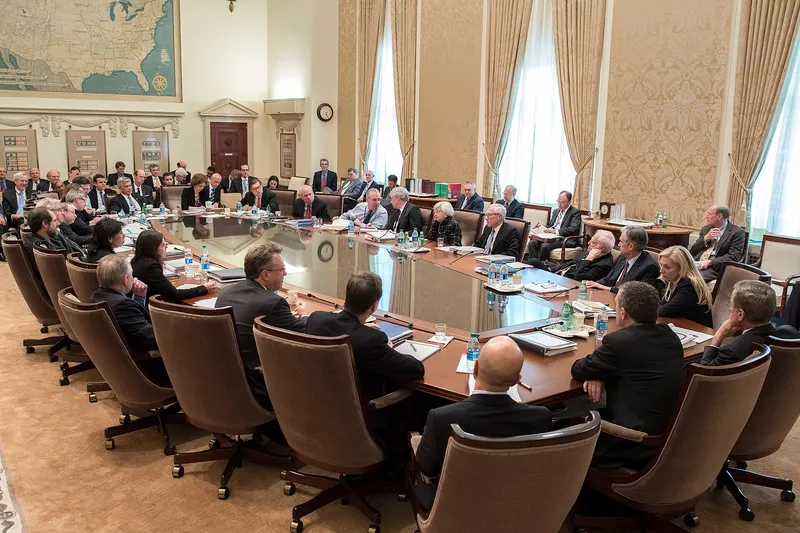
Waiting for rate cuts is how you miss the market
Since 2022 US equities have repeatedly broken the textbook link between high rates and falling stocks. The explanation is not the policy rate. It is the Treasury's checking account, T-bills, the RRP window and the capital expenditure bills coming out of data centers.
InsightTimes
뉴스 뒤의 질문.
오늘 알아 둘 가치가 있는 것을 골라, 왜 중요한지 쉽게 씁니다.
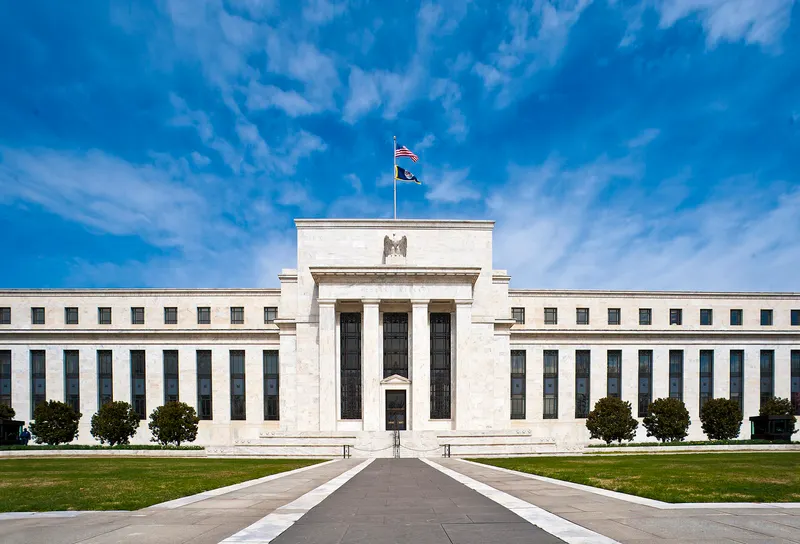
September or December? The Fed's next hike is bigger than one CPI print
August payrolls came in strong and July's job losses vanished in revision. The Fed's problem is no longer a collapsing labor market. It is how much to trust the recent cooling in prices.
Nothing featured in this section yet.
Enter the email address where we should send the newsletter.