Oil at $110, 10-Year Yield at 5%: The Discount Rate on Growth Stocks Is Rising Again

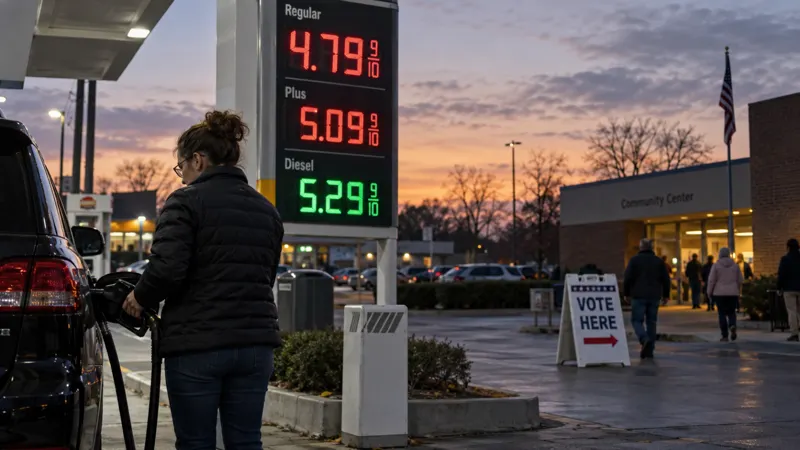
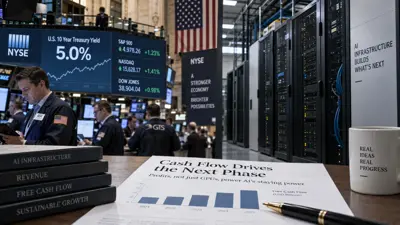
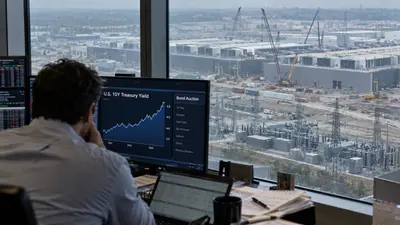
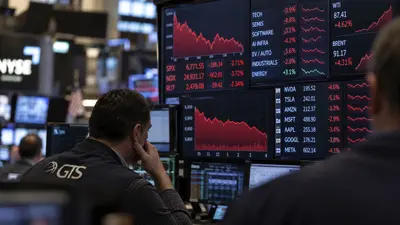
Brent crude spiked to $109.97 intraday and the US 10-year Treasury yield tested the 5% threshold. What matters is not the numbers themselves but that oil-driven inflation fears are pushing bond yields higher across the globe at once.

This time, it is not just US rates climbing

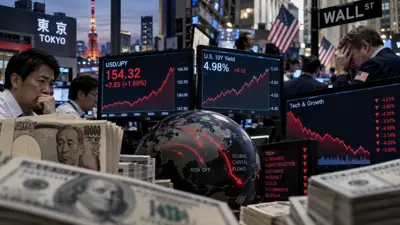
This is not a selloff confined to US Treasuries. Yields on Japanese and Australian government bonds have climbed to multi-year highs, and European long-term rates have jumped along with them. With oil supply worries colliding with hot producer prices, markets have stopped asking whether US rates are high and started asking a bigger question: is global inflation coming back to life?

US producer prices rose 5.4% year over year in August. With oil now back above $100 a barrel, futures markets are pricing in roughly a 70% chance that the Federal Reserve adds another 25 basis points at its next meeting.

Why 5% matters: it resets the risk-free rate against which stocks are priced

A 10-year yield at 5% is not some magic number that automatically crushes stocks. But when a risk-free government bond pays close to 5%, investors have less reason to pay a premium price for earnings that arrive years from now.

Growth stocks, the kind where a large share of profits sit far out in the future, such as AI companies, software firms and Tesla, are especially sensitive to a rising discount rate. Stocks that have already run up in price, or that trade on high forward price-to-earnings multiples, can see valuations compress even if the underlying earnings do not deteriorate at all. Traders call this multiple compression: the business is fine, but the price investors are willing to pay for the same future dollar shrinks.

What to Watch

Insight Times Editorial Desk

More by topic

Starting with this story's topics, then what readers are following now

Investor psychology, decision-making and books on investing

Valuation

This story's topic34 storiesSee all →

Measuring where a share price sits relative to the company’s results.

Anthropic's IPO: The Number That Matters More Than $100 Billion Is $2 Trillion

Claude-maker Anthropic is growing at a stunning pace, but the real question for investors is not how fast, only how long, and how much cash is left after GPUs and data centers.

Tech

2027 Investing Needs Alignment, Not Prediction

A new investing book argues the hard part was never picking the next winner. It's staying aligned with where value and bottlenecks are moving while keeping old human weaknesses in check.

Investor Mind

AMD Crossed $1 Trillion, and the Market Started Looking at CPUs Again

AMD's stock topped a $1 trillion market cap for the first time. The rally isn't just about being an Nvidia alternative. It reflects a reassessment of AMD as a full-stack AI infrastructure vendor, one that bundles CPUs, GPUs and networking, as AI shifts from chatbots to agents and reignites data center demand for CPUs.</deck> <parameter name="oneline">As AI moves from chatbots to agents, the market has started counting the CPU sitting next to the GPU again.

Tech

Is This AI Memory Supercycle Really Different? The Valuation Trap for Long-Term Investors

Memory is reshaping around AI through 2030. But a good industry and a good entry price are separate questions.

Investing

ARK Sets Tesla 2031 Target at $4,400, Betting on 8.1 Million Robotaxis and Optimus

ARK Invest's new model implies a $17.5 trillion market cap for Tesla by 2031. It reads less like a forecast than a scenario that assumes robotaxis and robots earn real money.

Tech

Year Five of the Bull Market: Why U.S. Stocks Aren't Expensive Yet, and What AI Chips and Power Must Deliver

U.S. stocks have gained about 117% since the October 2022 low. What happens next depends less on the bull market's age than on whether expected earnings, which lean heavily on AI semiconductors, turn into reality.

Investing

Marvell's $115 Billion Lumentum Deal: Is AI's Next Bottleneck Light, Not Chips?

Marvell's purchase of Lumentum points to a contest beyond GPU speed, in data transfer and power efficiency. Whether the price is right is not yet confirmed.

Tech

Inflation

This story's topic11 storiesSee all →

A broad rise in prices — the same money buys less — and therefore the thing a …

Gas Prices, Not Politics, Are Deciding This Midterm Market Story

Forecasts of a Republican defeat are not exaggerated. The House has tilted clearly toward Democrats, the Senate has moved from a toss-up to a slight Democratic edge, and Trump's net approval is the lowest of either term.

Macro

Can 4.8 Million Tons of Russian Diesel Cool US Prices? The Numbers Say Not Yet

An announced deal is not delivered supply. Here is how much Russian diesel is on the table, where it may go, and what it could mean for US inflation and refiners.

Macro

The U.S. Stock Market Selloff: What Investors Should Protect—and What They Should Change

The latest U.S. stock market decline is better understood as a simultaneous reassessment of inflation, interest rates, and the profitability and financing assumptions behind AI investment—not simply as panic selling.

InvestingWHAT NEXT

AI Raises Prices While It Is Being Built, and Lowers Them Only Once It Is Used

The buildout is pulling in chips, power, land and construction labor all at once, and that pushes prices up. The disinflation shows up later, if the tools actually change how work gets done.

Macro

Rates Hit 5% Again, But AI Held - Now Wall Street Wants Cash Flow, Not Just GPUs

The Fed raised rates and the 10-year yield broke back above 5%, yet the Nasdaq did not crack. This week's real story is not the end of the AI rally but a change in what the market is grading.

Investing

AI Is Supposed to Cut Costs. So Why Is It Pushing Prices Up?

Building the infrastructure behind AI means buying power, copper and data centers first, and that demand is already showing up in inflation data.

Tech

This, Too, Shall Pass. But Investors Should Come Out Tougher

Selloffs will keep coming. Lower debt, less concentration and steady buying can make them easier to live with.

Investor Mind

10-Year Treasury Yield

This story's topic19 storiesSee all →

The interest the US government pays to borrow for ten years.

Weekly Check: The AI Bull Market Isn't Over, It's Just Gotten Harder

A 5% 10-year yield, 470 gigawatts stacked up in Texas, Chinese DRAM, and whether data centers actually get switched on are starting to decide who wins the AI trade through 2027.

Tech

Brent at $109, the 10-year at 4.94%: the discount rate is beating the AI trade

Stocks fell for a fourth straight session on Sept. 10 as producer prices and energy costs pushed long yields toward 5%. After the close, Oracle showed AI demand is converting into signed contracts. The question is no longer demand. It is what multiple the market can pay for it.

Tech

Why a Wobbly Yen Carry Trade Hits US AI Stocks First

It is not just dollar-yen at 160. Watch the US-Japan rate gap, yen direction, volatility, and US long-term rates together, because AI and high-valuation growth stocks get squeezed first when all four move at once.

Macro

The Question Markets Asked This Week: Who Controls the AI Bottleneck, Not Who Owns AI

The Fed hiked again and the 10-year topped 5 percent, but the center of the AI trade held. The market is no longer asking whether AI is growing, it is asking who controls memory, power and capital.

Tech

S&P 500 Slips 0.22%, but 73% of the Market Fell

Long-term yields above 5% weighed on small caps and semiconductors on Oct. 7. A strong 10-year Treasury auction and a few large tech names limited the index's losses.

Tech

10-Year Yield at 5.34%: The Problem Isn't a Missing Buyer, It's the Price

Washington and the AI industry are pulling in huge sums at once, and the bond market is demanding higher yields to absorb it. Equity investors now need to watch long-term rates, financing costs and AI payback alongside the Fed's next move.

Macro

US Rates Are at 5%. Why Traders Still Fear a Yen Carry Blowup

The rate gap isn't the danger, the yen's speed is. A 2024 playbook suggests growth-stock investors need to watch USD/JPY, Japanese rates and volatility together, not just the Fed.

Macro

Crude Oil Prices

This story's topic11 storiesSee all →

The price of crude.

It's Not Just Hormuz: Why the Middle East War Is Becoming a Fed Problem Again

The US-Iran ceasefire has already collapsed, and the risk no longer sits in the Gulf alone. With the Red Sea and Saudi Arabia's bypass pipeline now under threat too, an energy shock is spreading into prices, the Fed, and growth-stock valuations.

Macro

Tesla Semi Waited 9 Years. Now It's Rolling Off a Real Factory Line

The Tesla Semi, unveiled back in 2017, has finally reached full-scale production at a dedicated Nevada plant. The number investors should watch isn't the 50,000-unit annual capacity, though. It's what the truck actually saves per mile.

Tech

Why the Fed cannot cut: the triple lock of jobs, oil and AI

Inflation is not the only thing blocking a rate cut. A firm labour market, energy prices back on the rise, and an enormous AI investment cycle are each pushing up the floor under US interest rates by a different route.

Macro

Brent Hits $106, 10-Year Touches 5% as AI Buildout Pace Gets Questioned

The S&P 500 fell just 0.48% but the semiconductor index collapsed 5.9%, as oil, rates and a new debate over how fast AI capability should advance all hit the market on the same day.

Tech

Rate at 5%: How to Hold AI Stocks This Week - Oil and Cash Flow Are the Real Variables

The Fed raised rates for the first time in three years even as August core CPI cooled to 2.4%. The market's real question this week is not whether inflation has fallen, but whether an oil shock revives inflation expectations and long-term yields, and whether AI companies' profits can hold up under 5% rates.

Investing

Why AI Stocks Fall Whether Companies Spend More or Less

Tesla, Meta and Lam Research all fell on Oct. 22 despite solid results. The market may not be abandoning AI so much as asking whether the money comes back as cash.

Investing