25bp Wasn't the Scary Part. Time Is - How September's FOMC Rewrote the Rate Path
The Fed raised rates for the first time in three years, but the bigger story for investors is how long elevated rates could stay in place, possibly through 2027.
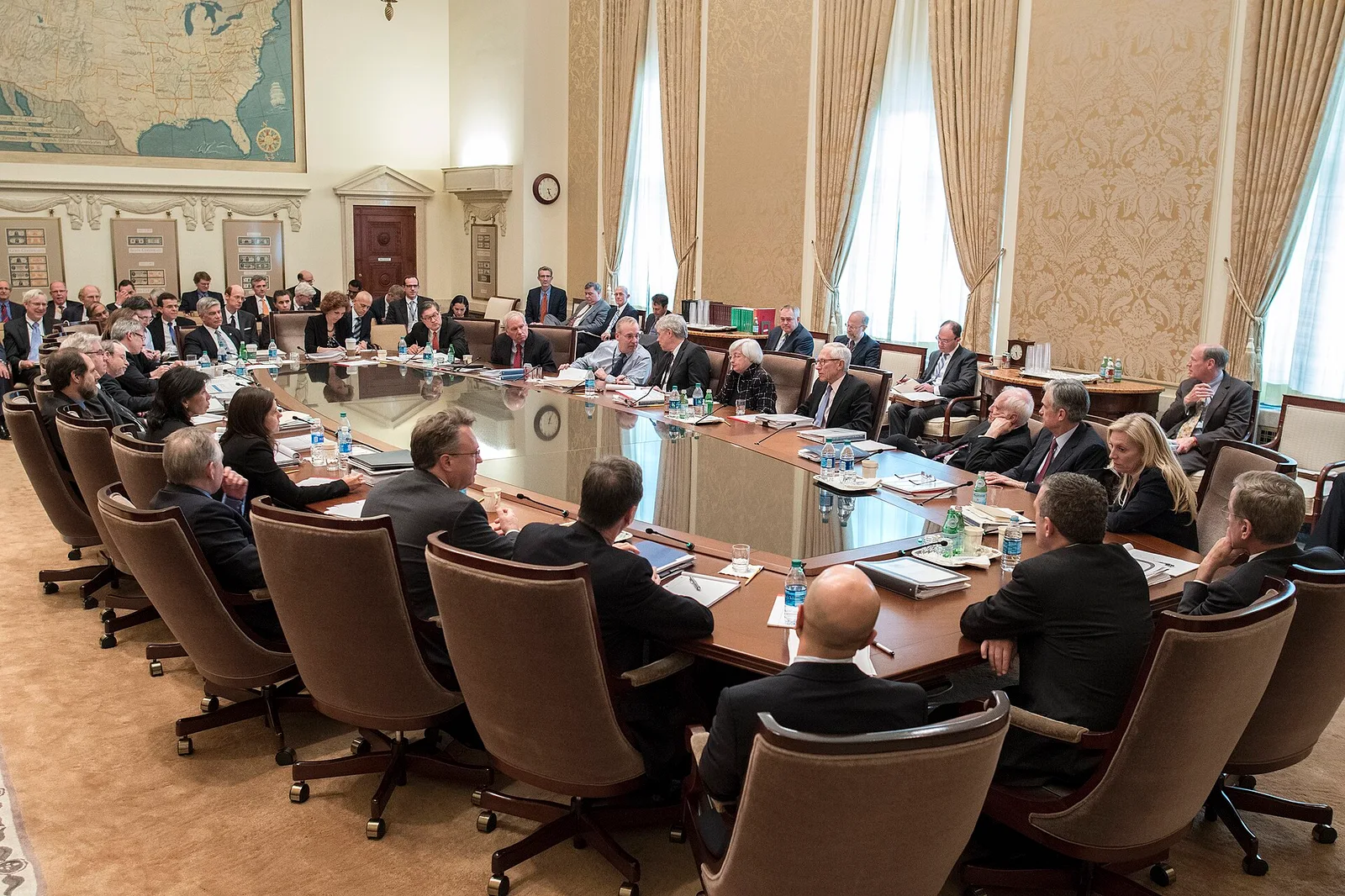
The real change in this FOMC wasn't the 25bp move
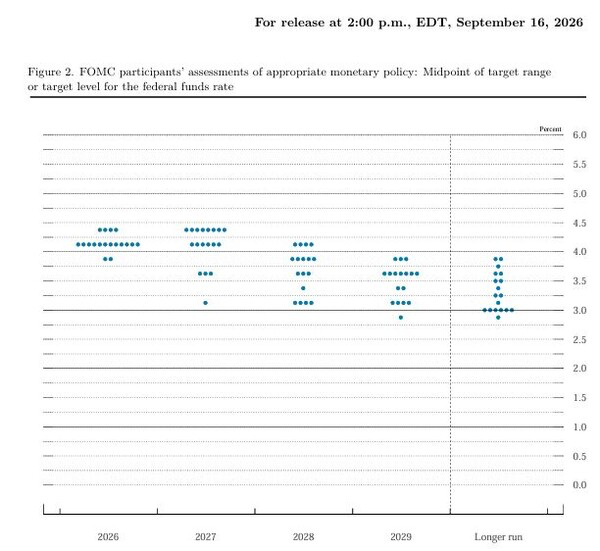
The Fed raised its federal funds rate target range by 25 basis points to 3.75-4.00% at its September meeting. The decision was unanimous, and it marked the first hike since July 2023.
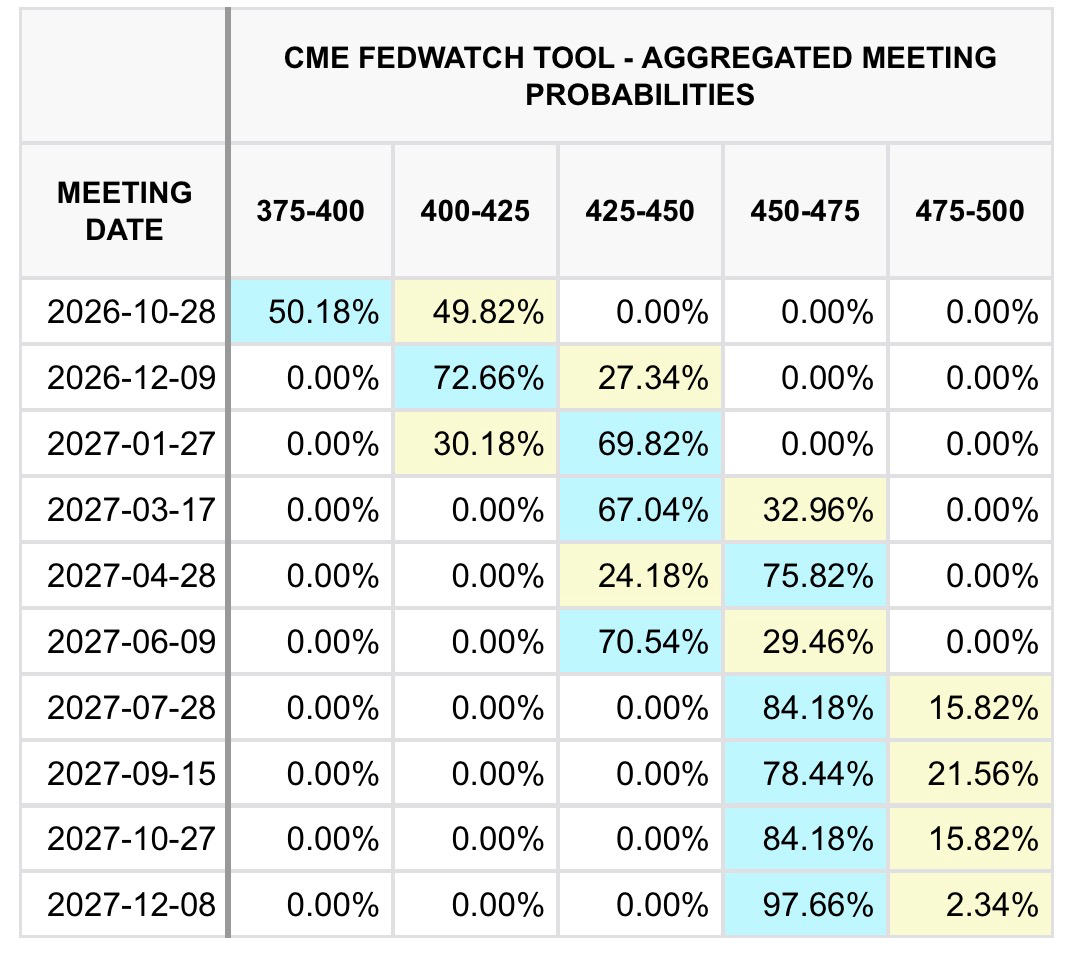
But the number markets should watch closely isn't the 25bp move. It's 4.00-4.25% in 2027. In the new dot plot, the median policy rate for the end of 2026 came in at 4.00-4.25%, and the end of 2027 showed the same level. Sixteen of the eighteen policymakers expect at least one more hike before the end of this year.
The message is simple. The Fed's base case has shifted from "hike once in September, then cut soon after" to "raise more if needed, and hold the higher rate for a long stretch."
- Current rate: 3.75-4.00%, a 25bp hike
- End of 2026: 4.00-4.25%, signaling further hikes ahead
- End of 2027: 4.00-4.25%, dimming hopes for a fast pivot to cuts
Warsh's message to markets: inflation isn't done yet
Fed Chair Kevin Warsh's press conference was as hawkish as the dot plot. He stressed that price stability remains the Fed's priority, saying inflation has run too high for too long and that summer price data showed no clear underlying improvement.
More telling was his read on financial conditions. Warsh said it's hard to call broad financial conditions restrictive right now. Stocks and credit markets are holding up, consumer spending and business investment are resilient, and productivity and capital spending both look strong.
If the economy isn't cooling much even with rates already elevated, the Fed has less reason to rush toward cuts. Instead, the case strengthens for getting ahead of inflation before it broadens out again.
The economic outlook points to sticky inflation, not recession
| End-2026 forecast | September projection | Reading |
|---|---|---|
| PCE inflation | 3.7% | Still far from the 2% target |
| Real GDP growth | 2.3% | Assumes solid growth, not a downturn |
| Unemployment rate | 4.1% | A gradual cooling, not a sharp labor slowdown |
The Fed raised its 2026 PCE inflation forecast from 3.6% to 3.7% and lifted its growth forecast from 2.2% to 2.3%. It lowered its unemployment forecast from 4.3% to 4.1%. That combination points to inflation running hot while growth stays stronger than expected and the labor market holds up.
That mix is a tough one for the Fed. A sharp rise in recession risk would give policymakers a reason to cut. The current outlook says the opposite. So the risk framing coming out of this meeting isn't "when do we cut to avoid a downturn." It's closer to "how long do we need to keep policy tight before inflation hardens again."
For investors, the length of high rates matters more than the level
Stocks are worth the present value of future cash flows. Even if earnings stay the same, a higher discount rate lowers that present value. Growth stocks, which lean heavily on earnings expected far in the future, are especially sensitive to long-term rates.
Right after the FOMC decision, the 2-year Treasury yield rose to around 4.73% and the 10-year climbed to roughly 5.01%. The dollar index also gained. Markets had already priced in much of this hike, so the immediate shock was limited, but the reassessment of the rate path is still working through prices.
That doesn't mean "rate hike equals sell growth stocks" is the right takeaway. The Nasdaq fell just 0.01% on September 16. Companies whose earnings are growing fast enough to absorb higher rates, that generate strong cash flow, or whose demand is already showing up in results, like AI infrastructure names, can hold up relatively well. Companies that depend on distant, unproven expectations to justify high valuations are more exposed to rising discount rates.
Insight Times Editorial Desk