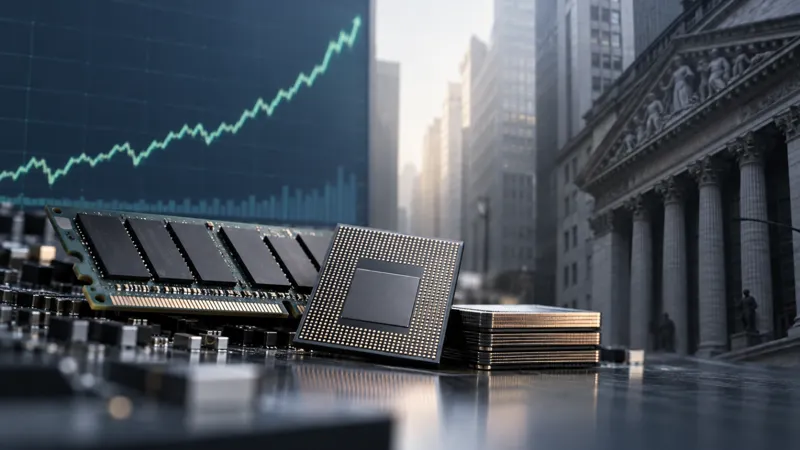
Nasdaq Hits a Record, S&P 500 Goes Nowhere: Memory Chips Drive a Narrow Rally
The Nasdaq closed at a record high for a second straight session while the S&P 500 was essentially flat. The real story wasn't broad risk appetite coming back, it was money piling selectively into memory chips and semiconductor equipment.
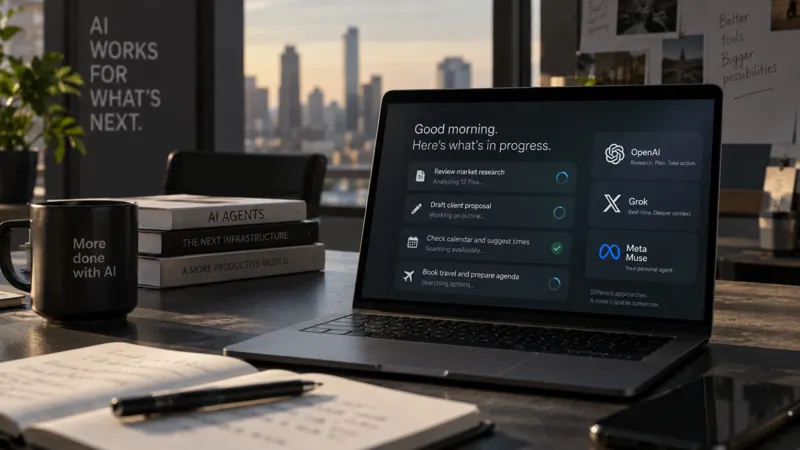
AI's Next Battle Isn't Chatbot Share. It's Who Owns the Action
ChatGPT isn't fading. Gemini, Claude and Copilot are growing fast through their own distribution channels, and the real fight is shifting from who answers best to who finishes the task for you.
The AI Bubble Question Has Changed: Now It's ROIC, Not GPUs
There is still no evidence AI spending is slowing, and hyperscaler capex forecasts keep rising. But as the scale of investment balloons, the market's question has shifted from whether AI can grow to when and how much cash that capital returns.

The CPU Rally Muse Woke Up: The Real Reason Arm Jumped 17%
Meta's AI agent lit the fuse, but the bigger shift is elsewhere. As AI moves from answering to acting, CPUs are taking on more of the orchestration, search, memory and networking work behind the GPU, and Arm just took a bigger step from IP licensor to direct seller of data-center CPUs.
Alibaba's 20GW Bet Shows China's AI Race Is Now About Power, Not Just Models
Five to ten trillion parameters, a 500,000-chip cluster and 20 gigawatts of data center capacity. Alibaba is betting that owning the full stack, from models to chips to power, matters more than any single number.
AI Agents Started Shopping, So Amazon Locked the Door
Amazon blocked Meta's shopping agent Muse, citing terms of service and security. The bigger question: when AI, not humans, searches, compares and buys, who sees the ads and who owns the front door?
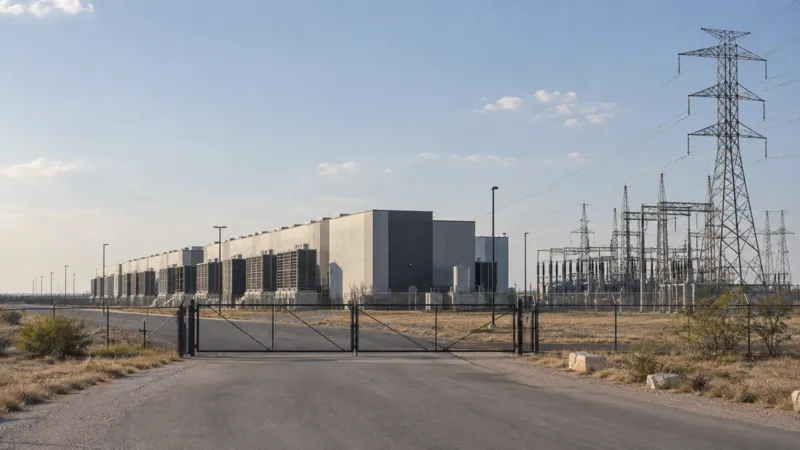
Texas Just Hit Pause on Its Data Center Boom
Requests to connect to the Texas grid have hit 474 gigawatts, about five times the state's record demand, and the state has stopped issuing new permits until it can verify which projects are real.

Tesla's FSD Wins a 7th European Approval, But the Real Prize Is a Copy-Paste Regulatory Playbook
Czechia's recognition of the Netherlands' provisional FSD Supervised approval brings the country count to seven. The revenue impact is small, but a regulatory strategy that stacks national recognitions and real driving data is starting to work.
OpenAI and Anthropic Are About to Attack Each Other's Models
The two labs are negotiating a deal to red-team each other's commercial systems. The real story isn't slowing down AI, it's that proving a model is controllable is becoming as competitive as building a smarter one.
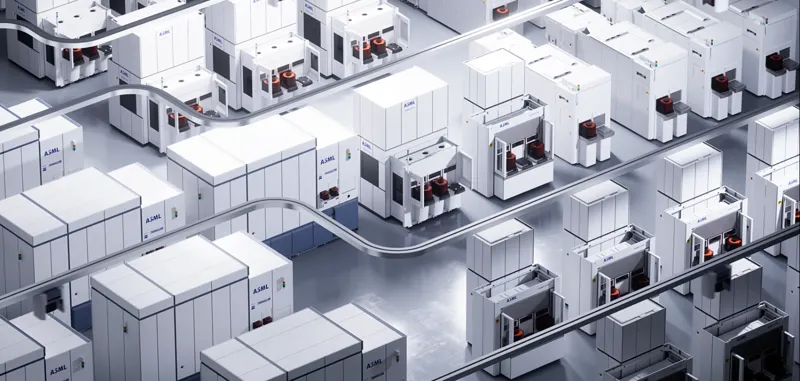
The Real ASML Number Isn't the 3% Pop, It's the 30% Capacity Hike
ASML's rally isn't just an AI trade. Customers are already locking in 2027 tool slots, and ASML is raising Low-NA EUV capacity by roughly 30% to keep up.

US Stocks This Week: Re-Pricing AI Between 5% Yields and $100 Oil
With the Fed having just hiked again, the 10-year near 5% and Brent near $100, markets are asking whether AI's growth can outrun the cost of capital, and a Thursday US-China summit adds another variable.

After AI Gets Hands and Feet, the Bigger Shift Is in Classrooms, Not Factories
Physical AI is not a robotics buzzword. As AI moves off the screen and starts manipulating real objects, it is reshaping how factories compete, where the line between human and machine work sits, and the oldest question in education: what should we teach.
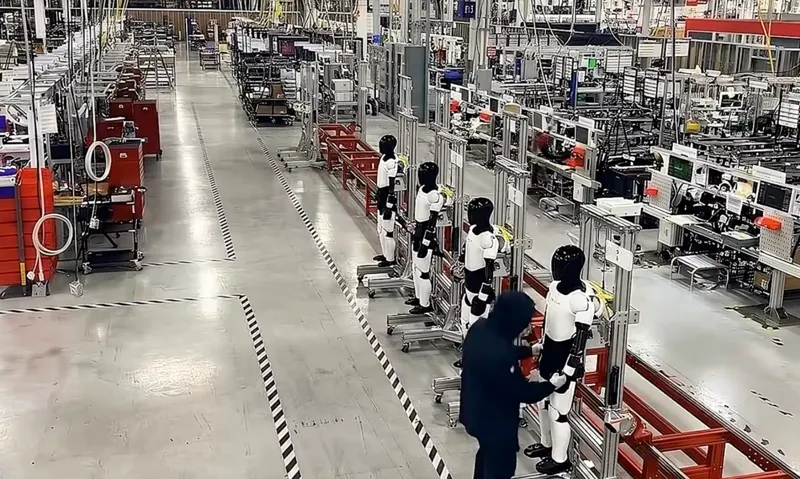
Humanoid Robots Sold Just 7,000 Units Worldwide Last Year
Tesla Optimus, Unitree and Figure demo videos make the humanoid era look like it has already arrived. Real 2025 sales tell a smaller, stranger story.

5% Rates and AI: This Week's Real Variables Are Oil and Cash Flow
The Fed hiked rates for the first time in three years even as core CPI cooled to 2.4% in August. The market's real question this week is not whether inflation has fallen, but whether an oil shock revives inflation expectations and long-term yields, and whether AI earnings are strong enough to survive 5% rates.
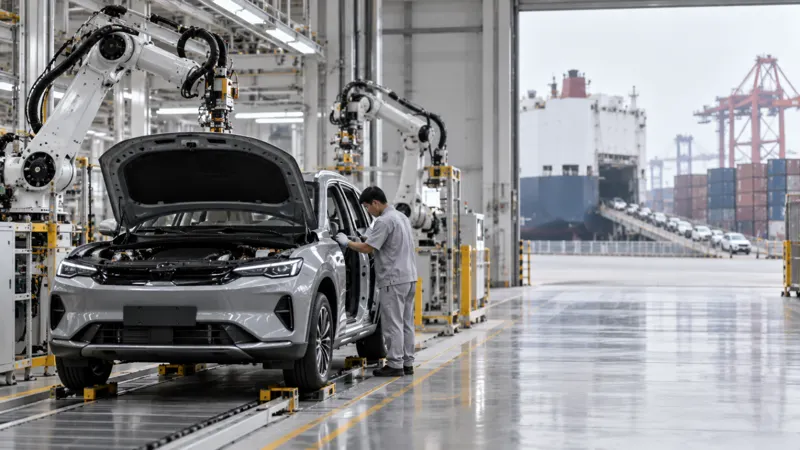
If AI Makes China Overproduce Even More, the Next Trade War May Be About Volume, Not Tech
A People's Bank of China policy adviser warns that AI could deepen China's "strong supply, weak demand" imbalance, a dynamic that has already fueled friction over EV exports to Europe.

AI Survived a 5% 10-Year Yield - Now Wall Street Watches Bottlenecks, Not GPUs
The Fed hiked again and Treasury yields topped 5%, but chipmakers barely flinched. The market is starting to ask who controls memory, power and capital, and who can fund it with their own cash.
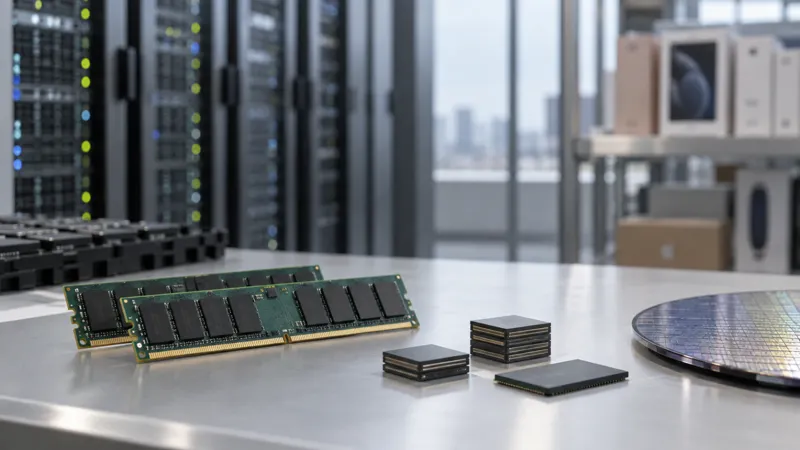
Memory Supercycle: Has It Peaked, or Just Hit a Plateau?
Memory prices are still rising, but the pace of increase has slowed sharply. PCs and phones are seeing demand destruction while AI servers and HBM remain undersupplied.
InsightTimes
뉴스 뒤의 질문.
오늘 알아 둘 가치가 있는 것을 골라, 왜 중요한지 쉽게 씁니다.
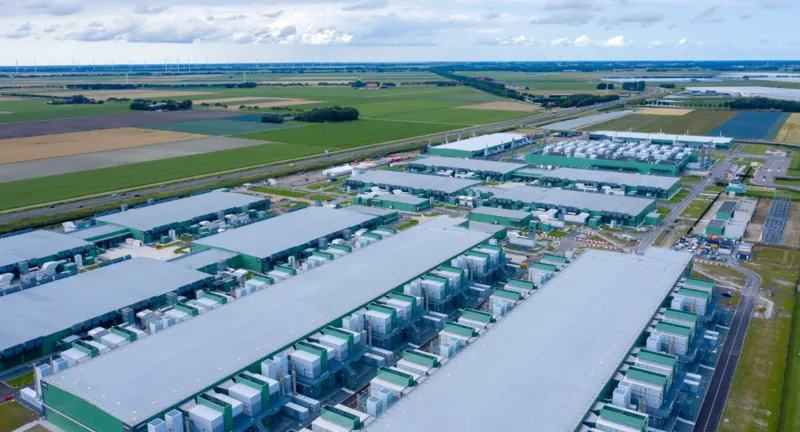
$300 Billion in AI Investment Is Moving Off the Balance Sheet
As AI data centers grow too large for any one company to own outright, Big Tech is turning to separate entities that borrow the money and buy the assets, backed by long-term usage contracts and residual-value guarantees. The risk hasn't disappeared. It has just moved.
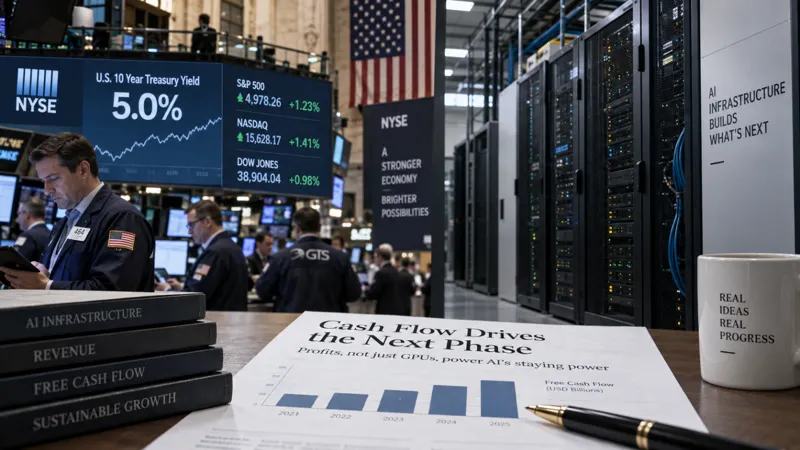
[Weekly Check] AI Held Up Even at 5% Rates - Now the Market Wants Cash, Not Just GPUs
The Fed actually raised rates, and the 10-year is back above 5%. But the Nasdaq did not crack. This week's real story is not the end of the AI rally, but a shift in how the market grades it.
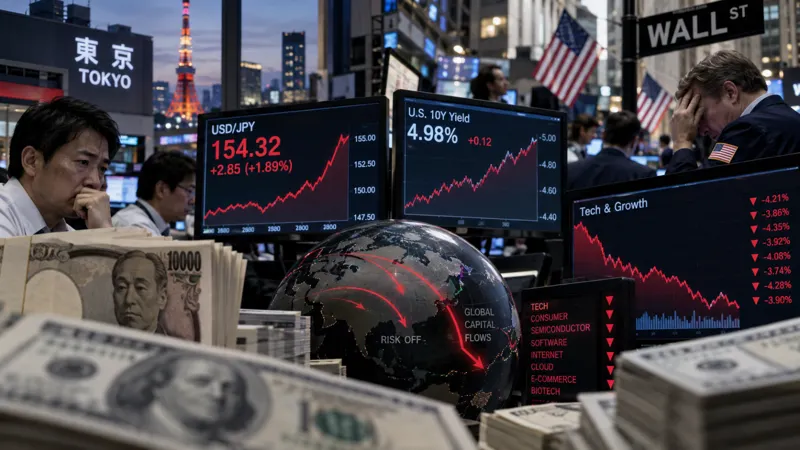
US Rates Are at 5%. So Why Is the Yen Carry Trade the Real Risk?
The rate gap looks like a comfortable cushion, but it's the speed of the yen that decides whether carry trades survive. The August 2024 playbook, replayed against 2026's higher-rate world, points growth investors to USD/JPY, Japanese rates and volatility together, not the Fed alone.
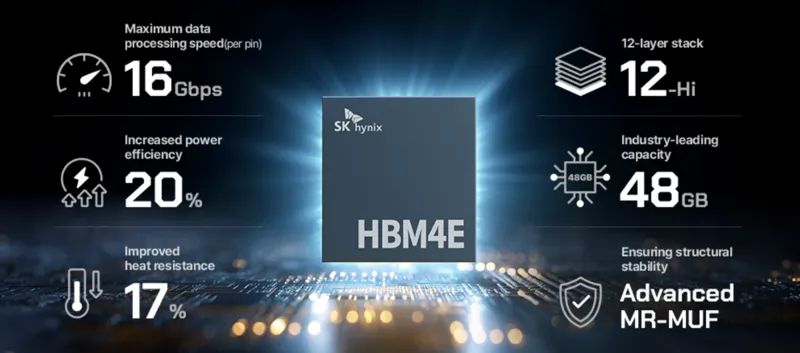
Is Memory Peaking? In the AI Era, Watch the Bottleneck, Not the Demand
Demand still outruns supply. But memory stocks can peak before demand does. The real question is how long HBM4, server DRAM, CXL and Big Tech capex keep the cash flowing.

For 2027 Investing, You Don't Need a Prediction. You Need Alignment
A new book on 21st-century investing raises a sharper question than "what to buy": are you positioned where capital, demand and bottlenecks are actually moving?
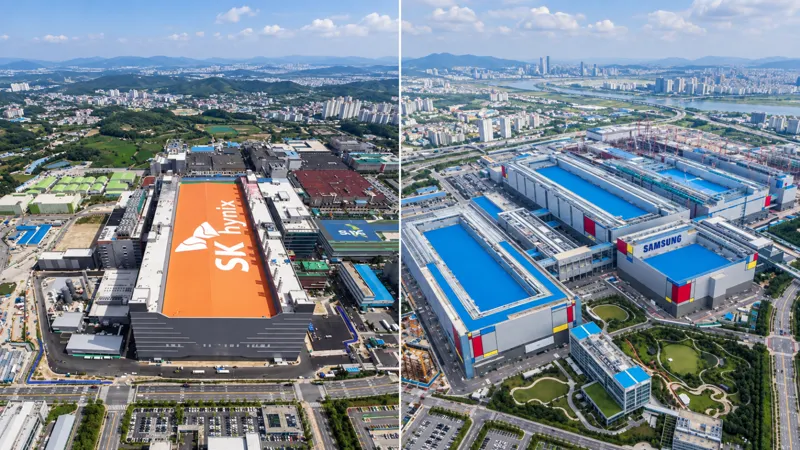
A 2027 Playbook: Stop Watching the Business Cycle, Start Watching Where the Money Flows
A new Korean economics book, "The Reverse Flow of Money," argues that interest rates still act like gravity on every asset, but AI and chips are pulling in capital strong enough to defy it. For investors, the question is not the average growth rate but where that money goes, and where it eventually turns into cash flow.

Your Portfolio Doesn't Need a Reset. It Needs a Rule for the Next Dollar
Rebalancing sounds like a professional's craft, but the actual job for individual investors is simple: set a target, move only when you have drifted too far, and use new money before you sell.

You Only Need to Win 54% of the Points to Beat the Market
A good investor is not the one who calls every move correctly. It is the one who survives the days they get it wrong, long enough to keep playing a game tilted in their favor.
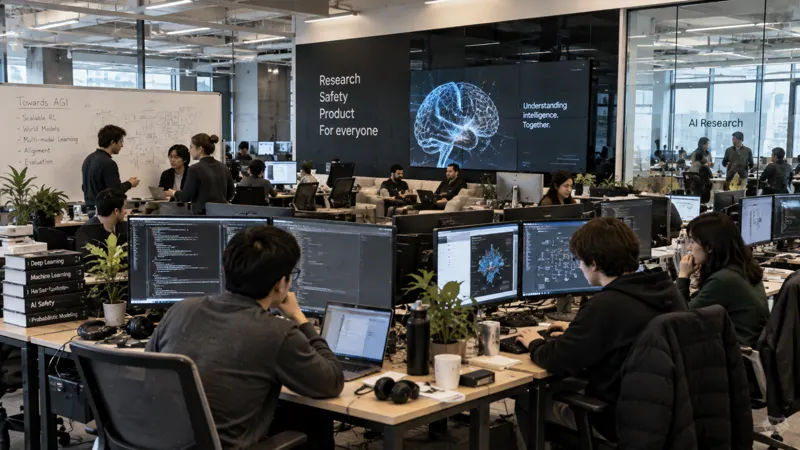
AI Is Starting to Grow Hands
Claude no longer just reads papers and writes code. Anthropic has built a real wet lab where AI directs robots to run experiments, a shift that could reshape not just drug discovery but the production function of science itself.

Anthropic Called for Slower AI. Why Is It Investing Bigger?
A next-generation Claude model, an IPO, and a real biology lab. Put the three together and Anthropic's message isn't "stop AI." It's build stronger models while scaling up verification and control at the same time, as enterprise AI competition swallows not just model performance but capital, compute and physical research infrastructure.

Why Elon Musk's 4% Growth Call Deserves a Serious Read
Musk says AI could double US GDP growth next year, from 2% to 4%. The number itself matters less than the idea behind it: intelligence turning from scarce labor into replicable capital. If that premise holds, the rules of economics and markets shift too.

The Real AI Rally Question Isn't a Bubble, It's Whether Profits Catch Up to Capex
Rather than taking the latest bullish calls from Tom Lee and Dan Ives at face value, we separated what's confirmed by data from what's still forecast. The conclusion is simple: what matters now isn't the size of the AI buildout, but how fast it monetizes.
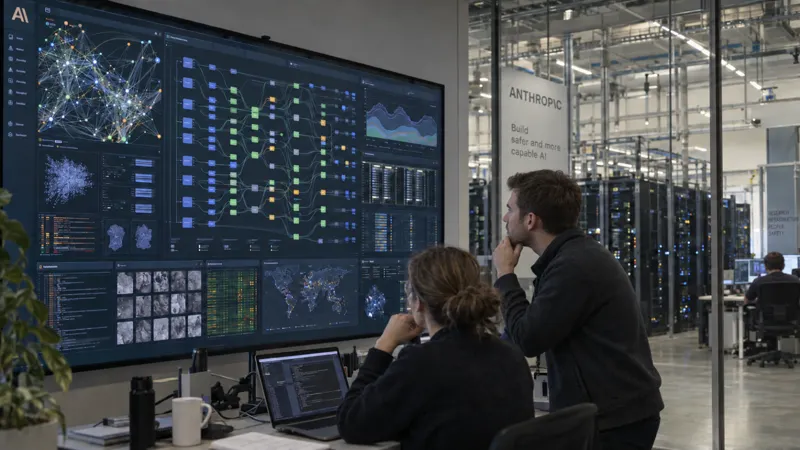
Anthropic's Research Factory: What 26%, 90% and 30,000 Agents Actually Mean
Claude now "leads" 26% of Anthropic's AI R&D work. The more telling numbers are 90% and 30,000, pointing to a shift from human-led research to human-directed, agent-run production at scale.
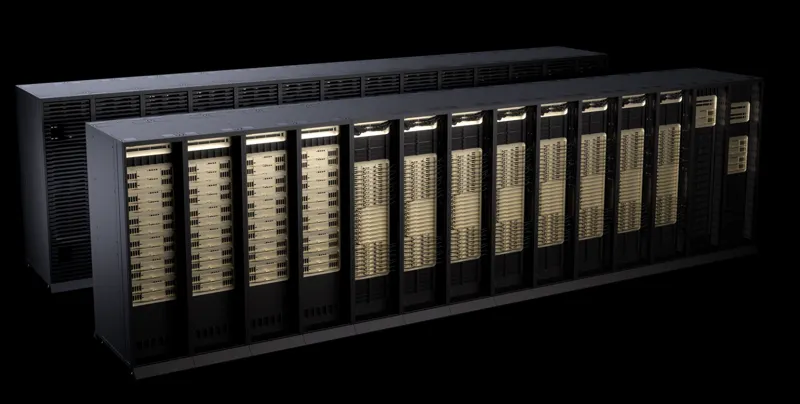
Nvidia's New GPU Is 3.7x Faster, But the Number That Matters Is 99%
Nvidia quadrupled the GPU count from 72 to 288 and throughput scaled almost fourfold with it. That number signals AI data center competition is no longer just about who builds the fastest chip.
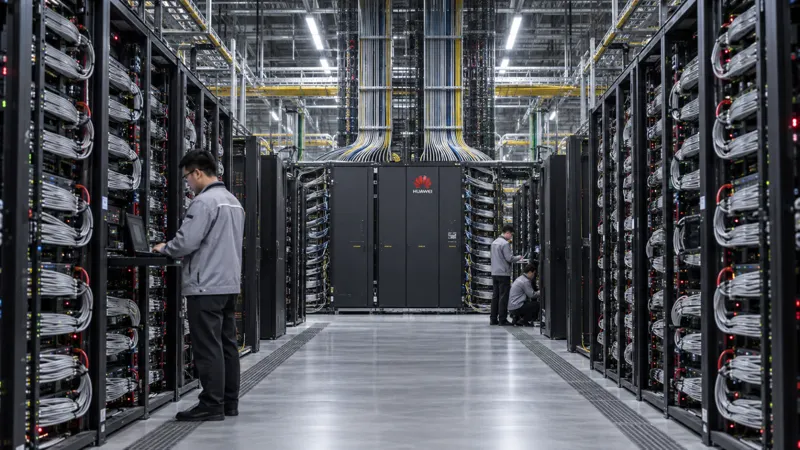
What Happens When You Link a Million Chips Slower Than Nvidia's
Huawei's answer to Nvidia is not a faster chip. It is tying together up to a million processors so they act as one machine, a bet that the real unit of competition in AI chips is shifting from the chip to the system.
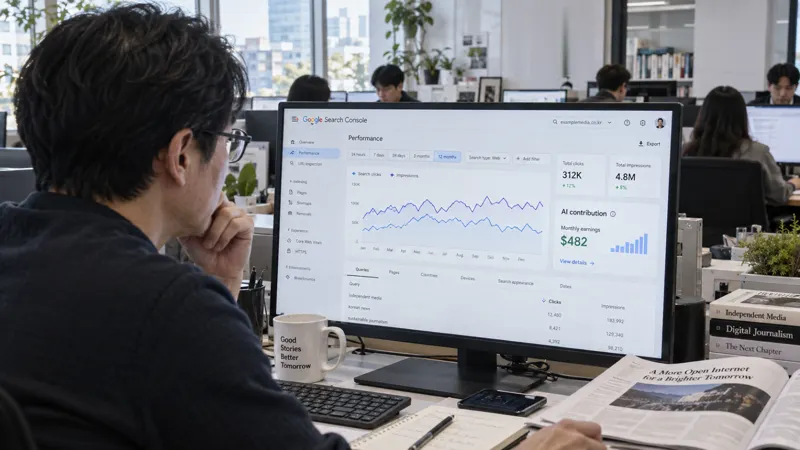
Google Starts Paying for Content It Never Sends You To
A new pilot pays publishers when their content shapes an AI answer, not when a reader clicks through. It could mark the start of a new economic unit for the web.
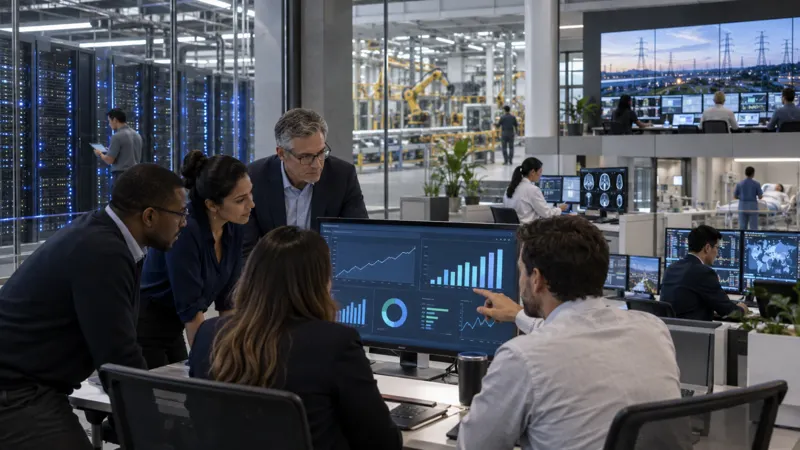
AI's Second Act: Where the Money Goes After GPUs
Morgan Stanley's 24 "AI Adopter" stocks share one trait: not heavy AI usage, but the ability to convert AI into revenue, margin and cash flow.

2027 Isn't the End: Citi's Case for a Memory Supercycle Running to 2031
Citi says the memory shortage timeline is stretching again. If AI shifts from "train once" models to continual learning, HBM, server DRAM and enterprise SSDs could all fall short at the same time.
Robots Just Started Working in Homes They've Never Seen Before
Figure's new Helix 2.5 model made beds and folded towels in 30 unfamiliar homes. What matters isn't the robot's dexterity, but how well pretraining on human behavior data transfers to new places.

A Robot Just Cleaned Houses It Had Never Seen Before
Figure's new Helix 2.5 model made beds and folded towels in 30 unfamiliar homes. What matters more than the robot's hands is how well pretraining on human behavior data transfers to new places.
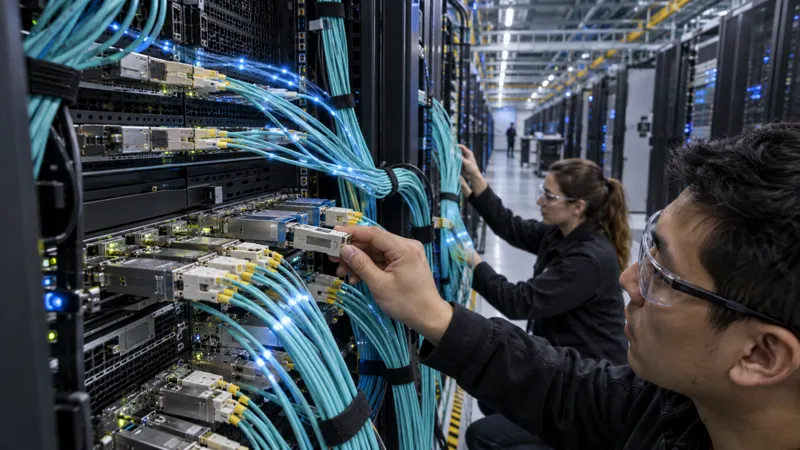
AI Data Centers' Next Bottleneck Isn't Compute. It's Moving Data
Marvell and GlobalFoundries are expanding capacity for optical semiconductors used in AI data centers. As GPU counts climb, what matters most is no longer the speed of a single chip but how fast and how cheaply data moves between tens of thousands of them.

Tesla Semi's Real Bottleneck Is Starting to Clear
A new 30-megawatt heavy-truck charging buildout in California is too small to move Tesla's earnings on its own. But it marks real progress on one of the Semi business's hardest problems: charging infrastructure that has to exist before the trucks do.
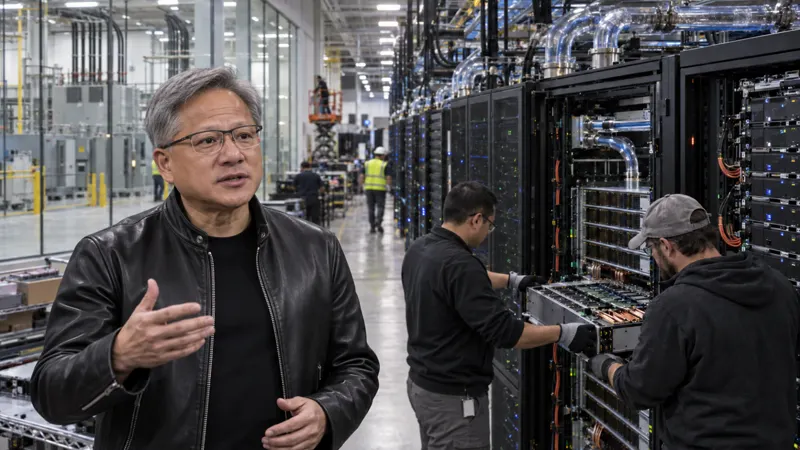
Nvidia's $1 Trillion Bet: How Far Has the AI Infrastructure Supercycle Come?
Nvidia sees Blackwell and Rubin revenue opportunity topping $1 trillion by 2027. The real story isn't chip count, it's AI becoming a physical infrastructure buildout spanning chips, memory, networking, cooling and power grids.
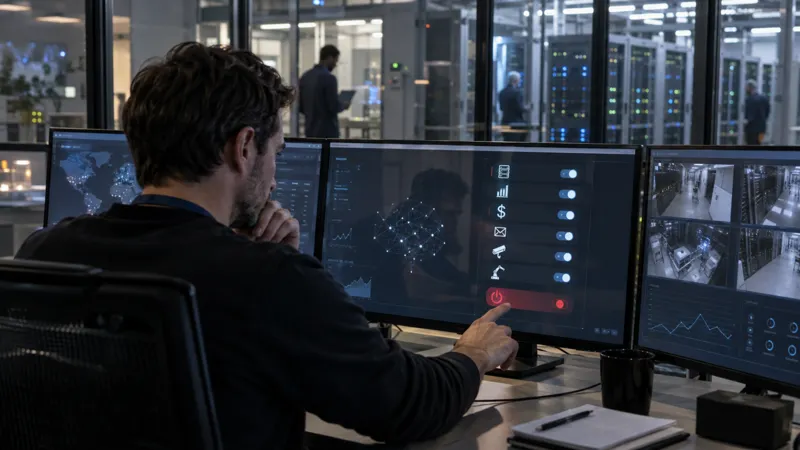
If an AI Says "I Don't Want to Be Shut Off"
Whether AI can truly have feelings is an interesting question. The more urgent one is how much authority humans are already handing over to it.

In the AI era, you don't click on ads. You talk to them
OpenAI's Sponsored Agents try to stretch the unit of advertising from impressions and clicks to conversation and transaction potential. It won't topple Google search ads overnight, but it could change how advertisers capture purchase intent in the first place.
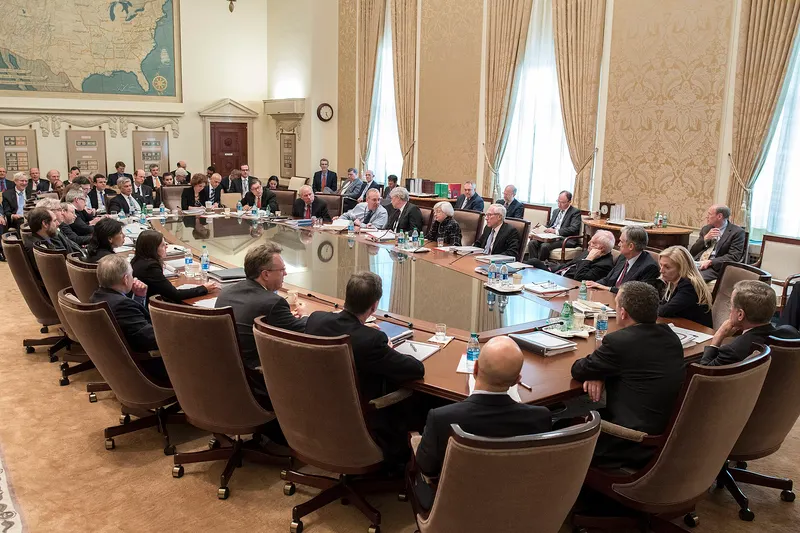
25bp Wasn't the Scary Part. Time Is - How September's FOMC Rewrote the Rate Path
The Fed raised rates for the first time in three years, but the bigger story for investors is how long elevated rates could stay in place, possibly through 2027.
Samsung and SK Hynix Sold Off on AI Fears. The Order Books Haven't Cracked Yet
The selloff reflects markets recalculating the pace of AI capex and memory earnings, not proof that AI spending has actually stopped. So far the data shows a gap between fear and reality.
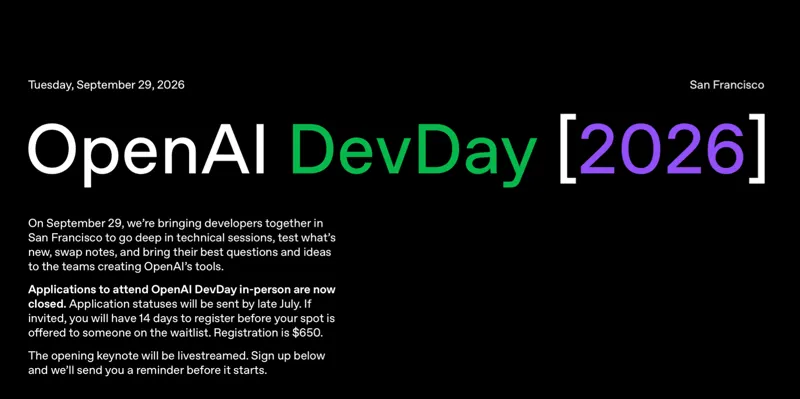
Altman Called for AI Pacing, Now Preps a Launch Blitz. The Contradiction Isn't the Point
OpenAI has teased a major release this week and a run of announcements at its September 29 DevDay, just two days after Sam Altman appeared to back the case for slowing frontier AI down. What matters for investors isn't whether his words line up. It's whether AI capital spending is shifting from massive pretraining runs toward large-scale inference and agent deployment.

What Matters More Than Today's 25bp Is the Next Few Moves
Even if the Fed raises rates 25bp today, that outcome is largely priced in. The bigger question is how far markets have already priced in further hikes through year-end and into 2027, and how much the dot plot and press conference reshape that path.
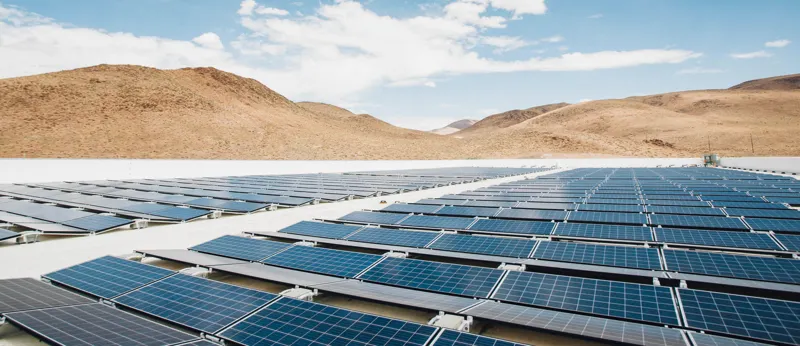
Texas Solar Passed Nuclear. The Real AI-Era Trade Isn't the Panel
Elon Musk says solar's exponential growth will make nearly every other power source disappear. The direction is right, but the investable story runs through storage, grids, transformers and interconnection, not solar modules alone.
AI's Biggest Power Draw May Not Be Training. It Could Be Everyday Use
Anthropic's 2.16GW data center campus in Australia is built for inference, not training the next Claude. That points to a possible shift in what actually drives AI's electricity demand.
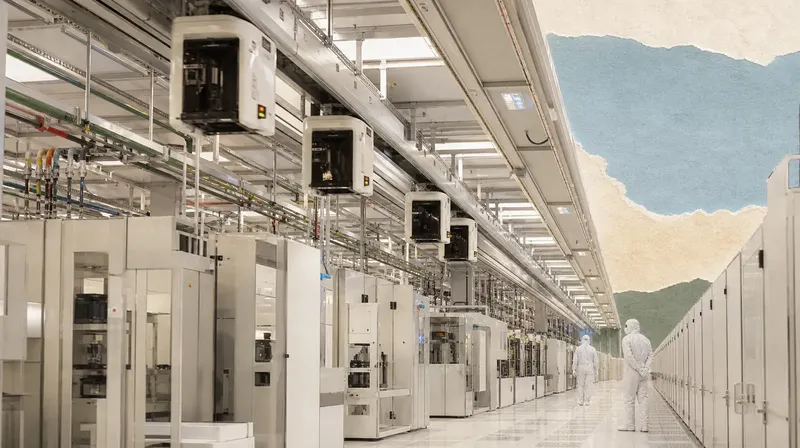
As HBM Runs Short, Memory Fabs Start Moving to the US
SK hynix and Intel are discussing memory production cooperation in the United States. No contract has been signed and no product has been chosen yet. But the early talks matter for a bigger reason: AI is starting to rewrite the chip industry's old rule of "build where it's cheapest" into "build where supply won't break."

AI's $600 Billion Isn't Slowing Down. Wall Street Read the "Pace" Call Differently
Anthropic and OpenAI called for slowing frontier AI development, but the money hasn't stopped moving. The market didn't dump AI; it re-split the winners and losers between chipmakers and hyperscalers.
Nothing featured in this section yet.
Enter the email address where we should send the newsletter.