HBM and Memory Chips (HBM)
Memory stacked next to the GPU. Ordinary DRAM dies are stacked vertically to widen the path data travels. AI training hits a wall on moving data before it
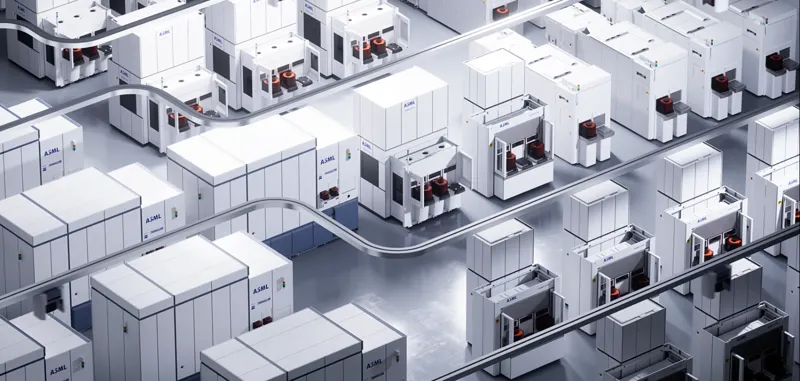
The Real ASML Number Isn't the 3% Pop, It's the 30% Capacity Hike
ASML's rally isn't just an AI trade. Customers are already locking in 2027 tool slots, and ASML is raising Low-NA EUV capacity by roughly 30% to keep up.

5% Rates and AI: This Week's Real Variables Are Oil and Cash Flow
The Fed hiked rates for the first time in three years even as core CPI cooled to 2.4% in August. The market's real question this week is not whether inflation has fallen, but whether an oil shock revives inflation expectations and long-term yields, and whether AI earnings are strong enough to survive 5% rates.

AI Survived a 5% 10-Year Yield - Now Wall Street Watches Bottlenecks, Not GPUs
The Fed hiked again and Treasury yields topped 5%, but chipmakers barely flinched. The market is starting to ask who controls memory, power and capital, and who can fund it with their own cash.
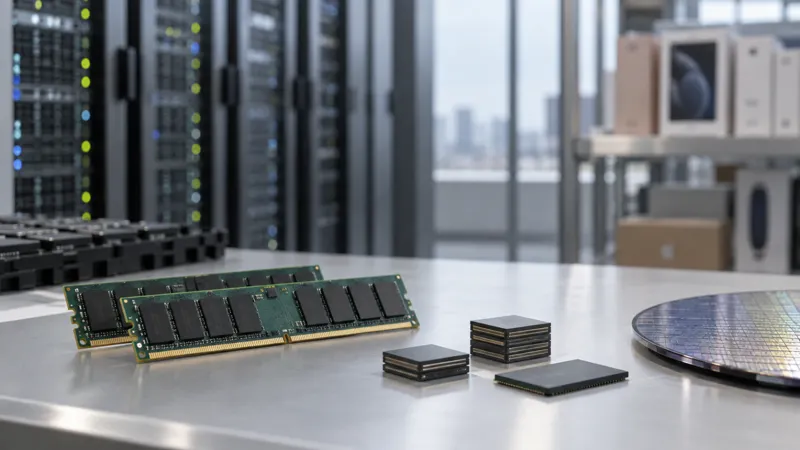
Memory Supercycle: Has It Peaked, or Just Hit a Plateau?
Memory prices are still rising, but the pace of increase has slowed sharply. PCs and phones are seeing demand destruction while AI servers and HBM remain undersupplied.
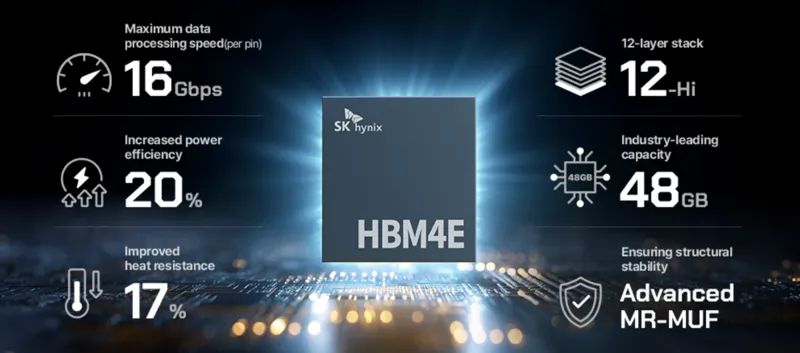
Is Memory Peaking? In the AI Era, Watch the Bottleneck, Not the Demand
Demand still outruns supply. But memory stocks can peak before demand does. The real question is how long HBM4, server DRAM, CXL and Big Tech capex keep the cash flowing.

For 2027 Investing, You Don't Need a Prediction. You Need Alignment
A new book on 21st-century investing raises a sharper question than "what to buy": are you positioned where capital, demand and bottlenecks are actually moving?
A 2027 Playbook: Stop Watching the Business Cycle, Start Watching Where the Money Flows
A new Korean economics book, "The Reverse Flow of Money," argues that interest rates still act like gravity on every asset, but AI and chips are pulling in capital strong enough to defy it. For investors, the question is not the average growth rate but where that money goes, and where it eventually turns into cash flow.

The 10-Year Hit 5%. Semiconductors Rallied Anyway.
AI chips held up even as the yield ceiling pressed down. But the real story isn't the index gain, it's how narrow the rally was. Wall Street isn't buying every growth stock right now. It's buying only the names with enough earnings visibility to outrun a higher discount rate.

2027 Isn't the End: Citi's Case for a Memory Supercycle Running to 2031
Citi says the memory shortage timeline is stretching again. If AI shifts from "train once" models to continual learning, HBM, server DRAM and enterprise SSDs could all fall short at the same time.
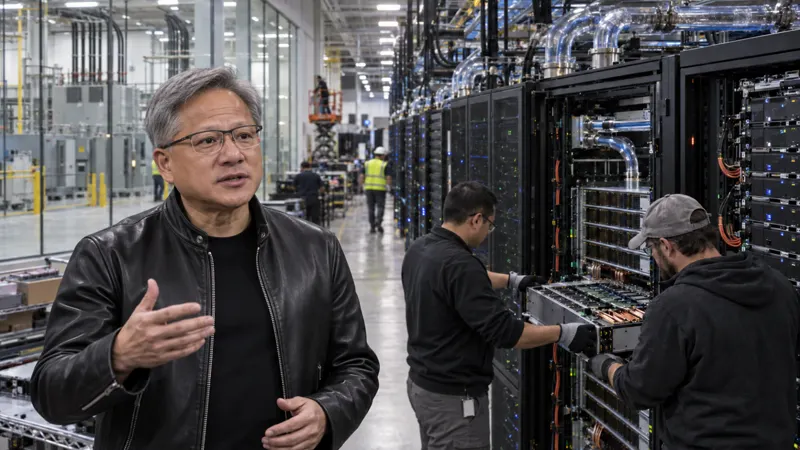
Nvidia's $1 Trillion Bet: How Far Has the AI Infrastructure Supercycle Come?
Nvidia sees Blackwell and Rubin revenue opportunity topping $1 trillion by 2027. The real story isn't chip count, it's AI becoming a physical infrastructure buildout spanning chips, memory, networking, cooling and power grids.
Samsung and SK Hynix Sold Off on AI Fears. The Order Books Haven't Cracked Yet
The selloff reflects markets recalculating the pace of AI capex and memory earnings, not proof that AI spending has actually stopped. So far the data shows a gap between fear and reality.
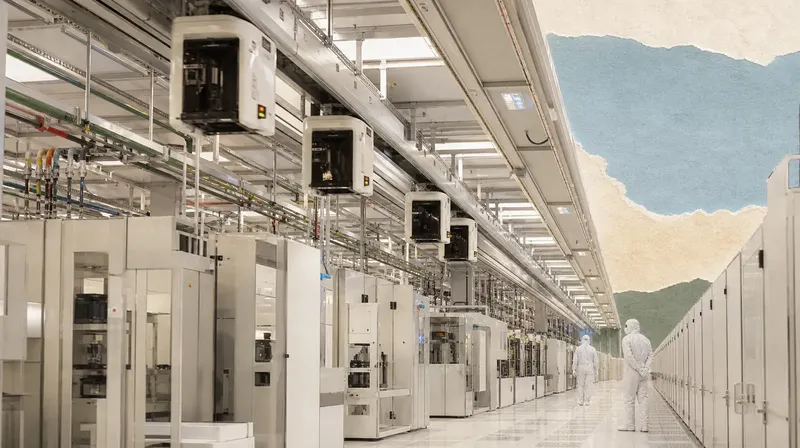
As HBM Runs Short, Memory Fabs Start Moving to the US
SK hynix and Intel are discussing memory production cooperation in the United States. No contract has been signed and no product has been chosen yet. But the early talks matter for a bigger reason: AI is starting to rewrite the chip industry's old rule of "build where it's cheapest" into "build where supply won't break."

Does DeepSeek's 75% Less HBM Use Threaten SK Hynix? The Market Missed a Different Number
V4.1 Flash really did cut the HBM used by KV cache to a quarter of its prior level. But reading that as "75% of all AI HBM demand disappears" misreads both the technology and the investment case. What matters now is not the memory savings rate, but how much more AI usage that savings can unlock.
If AI Slows Down, Does Nvidia Slow Down Too? Reading the "Pacing" Debate
The heads of Anthropic, OpenAI, xAI and Google DeepMind rallied around a rare shared message on AI development pacing. The question for investors is not whether AI stops, but whether training schedules, hyperscaler capex, GPU lead times and HBM orders actually bend.
Memory Prices Haven't Cracked. They've Just Stopped Accelerating.
The 2026 memory chip cycle has moved past its surge phase into a plateau. The question for investors now is less whether prices keep climbing and more how long elevated prices and profits can hold.
InsightTimes
뉴스 뒤의 질문.
오늘 알아 둘 가치가 있는 것을 골라, 왜 중요한지 쉽게 씁니다.
AI's Bottleneck Isn't One Chip Anymore
Huawei's AI accelerator prices jumped because of HBM costs, Amazon built a deal worth up to $60 billion with Qualcomm, and OpenAI pulled financial data and workflows into ChatGPT. Three different stories point to one shift: AI investment is no longer just about buying more GPUs.
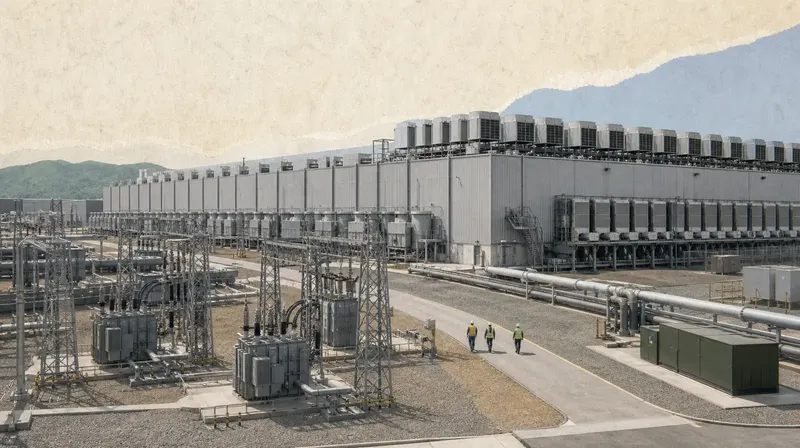
AI's next bottleneck is not silicon. It is electricity
GPUs were scarce, then HBM and advanced packaging. Now the constraint is power delivered to the right place at the right time, and the ability to pull heat out of racks drawing more than 100kW.
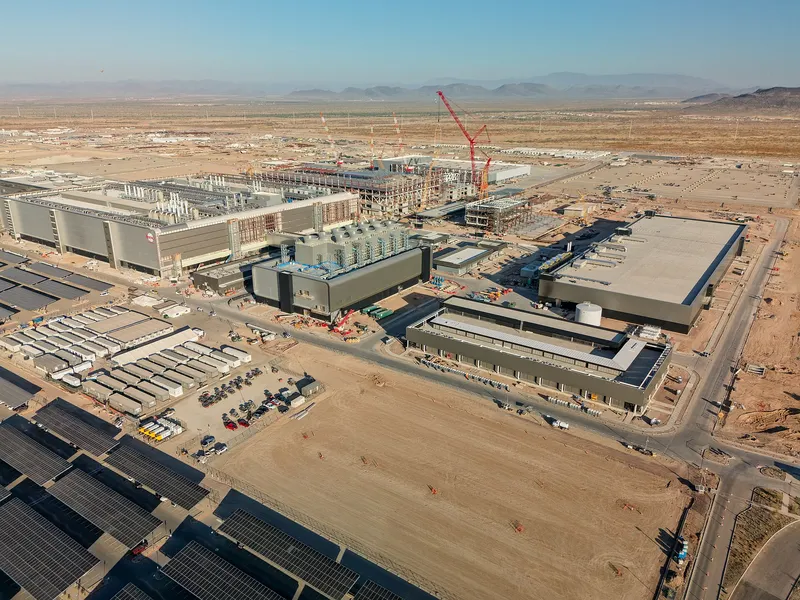
TSMC's August number that matters is not 53%. It is September's threshold
TSMC posted its first month above NT$500 billion. The useful reading is not the growth rate but what September revenue has to be to hit the top of third-quarter guidance, and whether AI demand is still alive on the factory floor.

Apple's first foldable barely moved the stock. Margin, not the $1,999 price, is why
The iPhone Duo is a real break in Apple's product strategy. For investors, the question is not how many it sells, but whether the price increase survives memory and foldable component costs and reaches EPS.
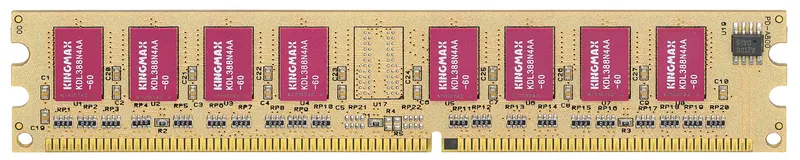
A 3x P/E is not a discount. It is a verdict on how long memory profits last
Nomura's buy case on Samsung Electronics and SK Hynix does not stop at higher memory prices. It argues that if AI has turned memory from a cyclical component into strategic infrastructure, the formula the market uses to value both companies has to change too.
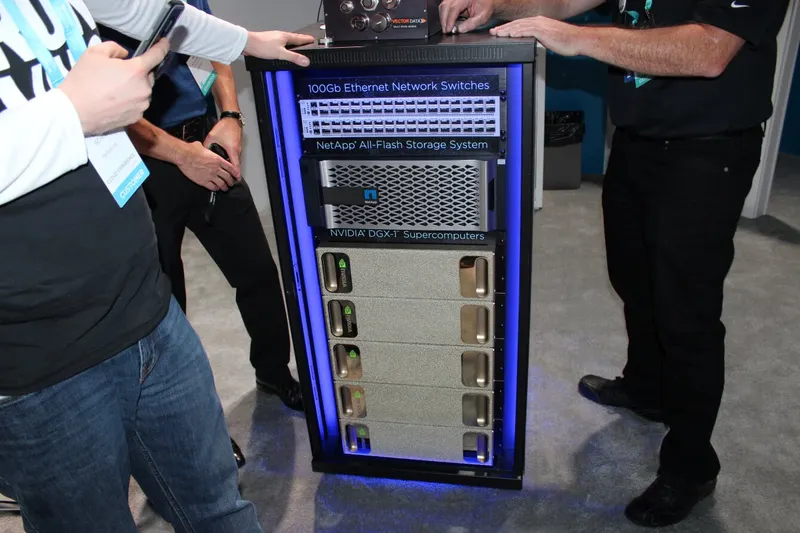
Same AI Boom, Three Different Ways to Make Money
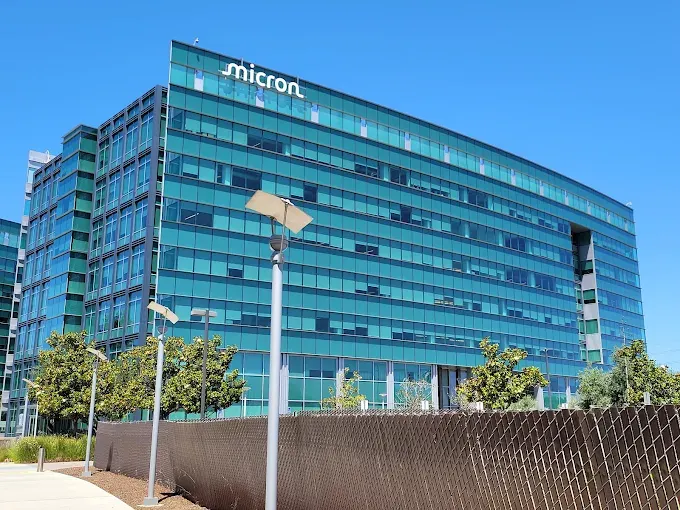
NVIDIA defends a platform standard, Broadcom builds custom silicon for a handful of giant customers, and Micron converts a memory bottleneck into margin. Growth rates say less than how long each kind of scarcity lasts.
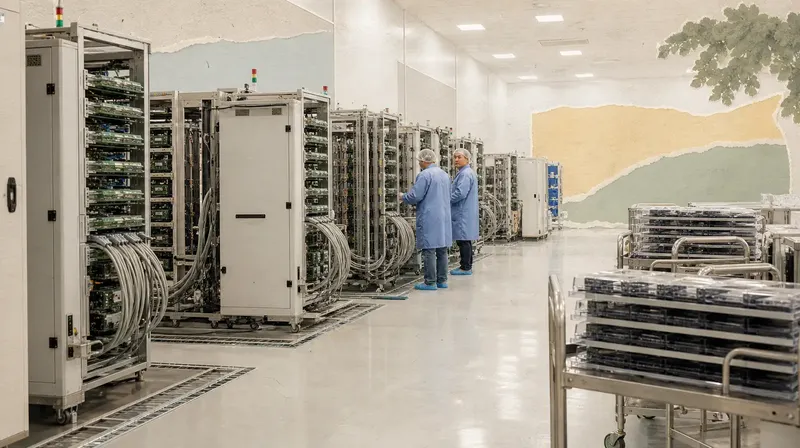
AI ran out of memory before it ran out of GPUs
The HBM bottleneck is spreading into DRAM prices, server costs and the price of the next laptop or phone.
Nothing featured in this section yet.
Enter the email address where we should send the newsletter.