Is Memory Peaking? In the AI Era, Watch the Bottleneck, Not the Demand
Demand still outruns supply. But memory stocks can peak before demand does. The real question is how long HBM4, server DRAM, CXL and Big Tech capex keep the cash flowing.
"Memory has run up too much. Isn't this the top?"
Anyone who has watched memory stocks for a while feels this instinct. When DRAM prices rise and profits at Samsung, SK hynix and Micron surge, the same question always follows: Is this the top of the cycle?
That used to be a fair question. Back when PCs and smartphones drove memory demand, the pattern repeated itself: a good economy meant more orders, chipmakers added capacity, inventory eventually piled up, and prices collapsed.
Something different is happening in AI data centers now. GPUs are not the only thing in short supply. HBM sitting next to the GPU, server-grade DDR5, networking gear, optical components and power are all tight at once. In September 2026, TrendForce said demand from AI servers and agentic AI is pushing up demand for high-capacity server memory faster than supply can expand. Total DRAM industry revenue rose 59.5% quarter over quarter in the second quarter of 2026.
Think of an AI server as a restaurant
HBM is the fastest option but it is expensive and its capacity cannot be expanded indefinitely. CXL is not a technology meant to replace HBM's speed. It is meant to let more memory be shared and scaled across the servers that need it. The competition ahead is shifting from "how fast is the GPU" to "how cheaply and quickly can the needed data be placed next to the GPU."
Why AI eats so much memory
Generative AI has to keep track of everything said earlier in a conversation to produce an answer. The space that temporarily holds those computed results is called the KV cache. As conversations get longer, as more users are served at once, and as multiple AI agents start working the same problem repeatedly, this memory footprint grows fast.
That means the economics of AI infrastructure are not decided simply by "how fast is one GPU." If an expensive GPU sits idle waiting for data to arrive, the whole system is inefficient. HBM delivers enormous bandwidth right next to the GPU, but package area, heat, yield and cost make it hard to expand capacity freely.
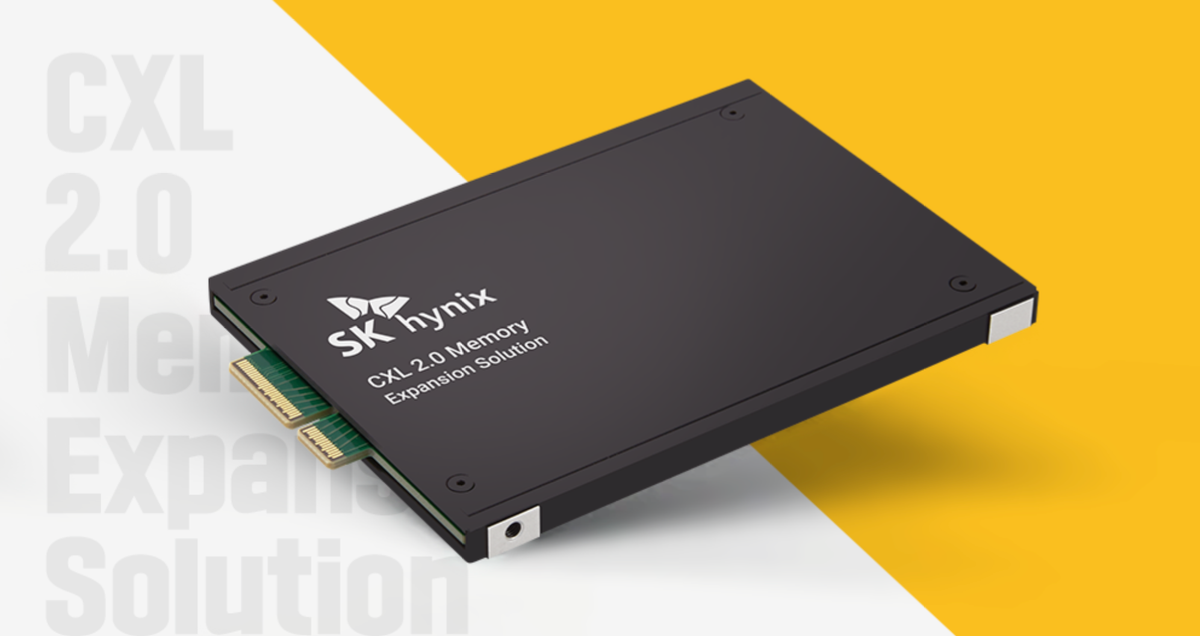
That is where CXL comes in. CXL is an open interconnect that links CPUs, accelerators and memory coherently, enabling memory expansion and pooling. The CXL Consortium released CXL 3.2 in 2024 and unveiled the CXL 4.0 specification in 2026. The key point is not "HBM versus CXL." What matters more is memory tiering: putting the hottest data in HBM, the next tier in CXL DRAM, and the less urgent data in SSDs.
So is memory not at its peak yet?
Based on public data available now, there is no clear sign yet of the kind of demand collapse that typically marks a peak. In September 2026, TrendForce said server DRAM shortages and price strength could continue into 2027. Reuters reported that even smaller PC and smartphone makers are bracing for memory shortages that could persist through at least 2027.
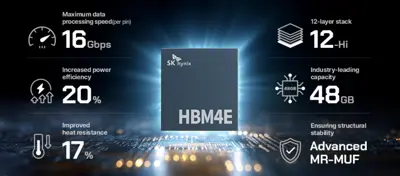
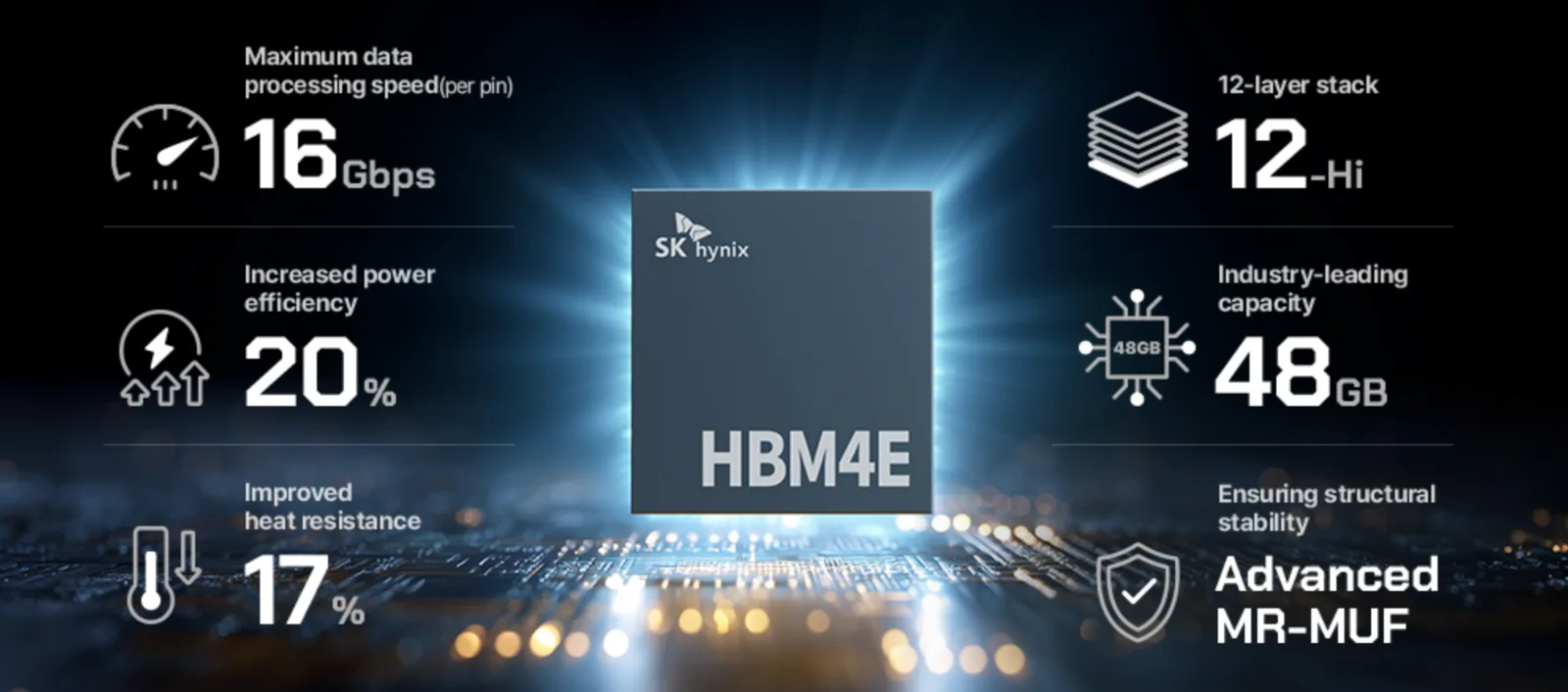
Earnings from the three big memory makers support that picture. SK hynix said it began mass shipments of HBM4 in the second quarter of 2026. Samsung Electronics started mass production and commercial shipments of HBM4 in February 2026 and expects its HBM revenue to more than triple in 2026 from a year earlier. Micron said in its fiscal third-quarter 2026 report that it is now shipping HBM4 in volume to lead customer platforms.
But there is one sentence here that matters more than any of this data: "peak demand" and "peak stock price" do not arrive on the same day.
Memory stocks typically move ahead of earnings. If the pace of price increases slows, if customers have already built up inventory, or if a supplier's new production line ramps faster than expected, the market can start worrying about next year even while profits are still climbing. So translating "supply stays tight through 2027" into "the stock keeps rising through 2027" is a risky leap.
Samsung, SK hynix, Micron: what separates them
| Company | Current strength | Next proof point the stock needs | Key risk |
|---|---|---|---|
| SK hynix | Leading HBM track record, HBM4 mass shipments, high exposure to AI memory | HBM4 yield and customer diversification, whether long-term contracts convert into actual profit | If expectations are already very high, even a small disappointment could trigger sharp volatility |
| Samsung Electronics | Holds DRAM, foundry and packaging together, HBM4 commercial shipments underway | Proof that HBM4 mix expansion and foundry base-die synergy show up in earnings | A complex business mix could dilute the memory boom's impact on overall company value |
| Micron | The only major U.S.-based DRAM maker, HBM4 mass shipments, strong server memory demand | Confirmation of pricing, margins and the 2027 supply-demand outlook in its fiscal Q4 2026 report, due September 30 | As a near-pure memory play, it is highly sensitive to pricing cycles and valuation swings |
All three companies benefit from rising memory prices, but different variables move each stock. For SK hynix, it is how long the company can hold its first-mover premium. For Samsung, it is how much of the trust it lost on HBM4 timing it can win back through actual earnings. For Micron, it is how long strong pricing and margins can be sustained.
For AI investors, look past GPU counts to the whole system
AI infrastructure spending in 2026 does not look like it is in a downturn yet. Alphabet has guided to 2026 capex of $175 billion to $185 billion. Microsoft's calendar-year 2026 capex is expected to be roughly $175 billion, according to Reuters. Reuters has also reported market forecasts that major AI infrastructure spending could top roughly $795 billion in 2026 and cross $1 trillion in 2027.
That money is not all going to GPUs. Google has said roughly 60% of its 2025 capex went to servers and 40% to data centers and networking equipment, and it expects a similar mix in 2026. As GPU performance keeps rising, the bottlenecks in memory, switching, optical networking and power become more visible, not less.
That is why companies like Astera Labs (ALAB) and Marvell (MRVL) matter. Astera Labs posted second-quarter 2026 revenue of $392.4 million, up 104% from a year earlier, and is expanding its CXL, PCIe and switch product lines. Marvell's data center revenue rose 46% year over year in its fiscal 2027 second quarter. Neither company makes the GPU itself. They sit in the layer that connects GPUs, memory and servers so the whole system actually works.
Insight Times Editorial Desk