Memory Prices Haven't Cracked. They've Just Stopped Accelerating.
The 2026 memory chip cycle has moved past its surge phase into a plateau. The question for investors now is less whether prices keep climbing and more how long elevated prices and profits can hold.
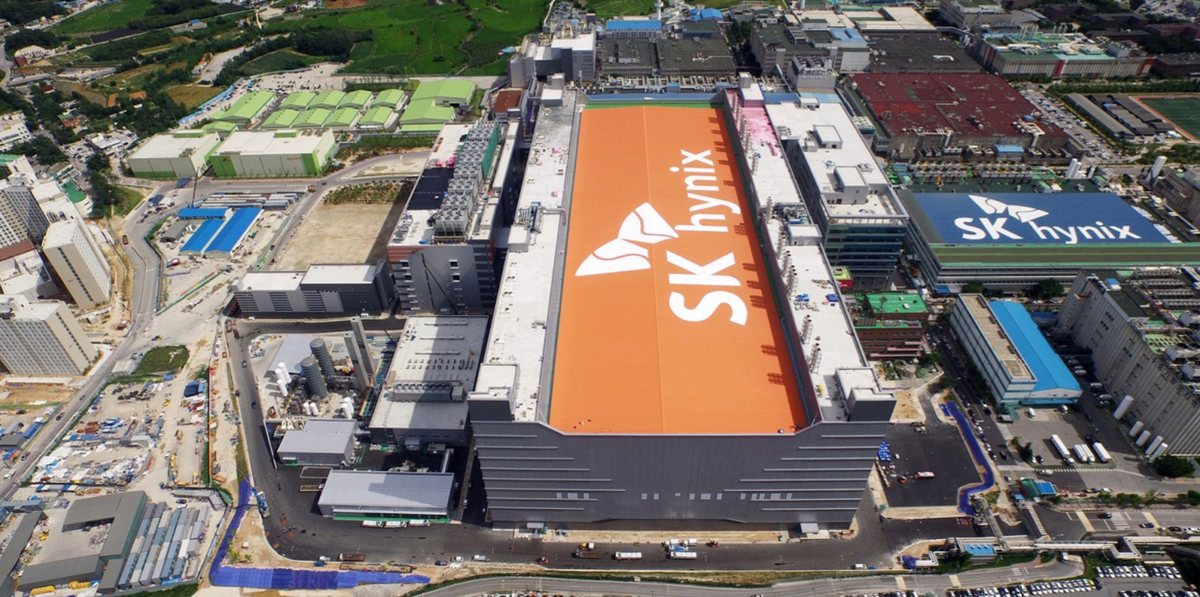
The surge is fading, but that doesn't mean the boom is over
The most common mistake in reading a memory cycle is treating "slower price growth" and "falling prices" as the same thing. Right now, they are not.
According to TrendForce, contract prices for conventional DRAM rose roughly 93% to 98% quarter over quarter in the first quarter of 2026. The forecast for the second quarter is 58% to 63% growth, and for the third quarter, 13% to 18%. NAND followed a similar arc: 55% to 60% growth expected in Q1, 70% to 75% in Q2, before slowing to 10% to 15% in Q3.
| Segment | 1Q26 | 2Q26 | 3Q26 | How to read it |
|---|---|---|---|---|
| Conventional DRAM | about +93% to 98% | +58% to 63% forecast | +13% to 18% forecast | Prices still rising, but momentum dropping fast |
| NAND Flash | +55% to 60% forecast | +70% to 75% forecast | +10% to 15% forecast | Buyer pushback growing at peak prices |
| Mobile DRAM | - | - | +8% to 13% forecast | Consumer-market bargaining power recovering |
These numbers show memory makers' profitability is already sitting at a high altitude. What matters is not that growth fell from 90% to 15%. A further 15% increase is still a price increase. So this phase looks less like a post-peak collapse and more like a stay at elevated pricing.
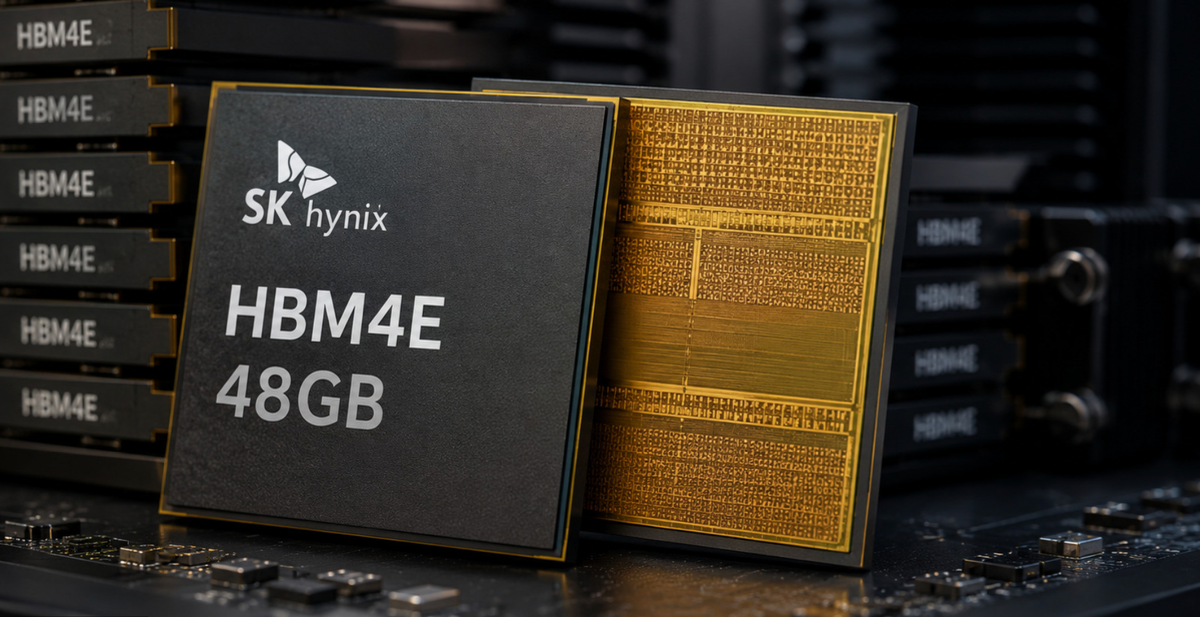
Why prices are holding: AI has rewired memory demand
The biggest difference from past cycles is that demand is no longer centered on just PCs and smartphones. AI servers don't only consume large amounts of HBM. They also pull in conventional server DRAM, high-capacity RDIMMs, and enterprise SSDs.
Q2 2026 DRAM industry revenue: $154.7 billion, per TrendForce, up 59.5% quarter over quarter.
2026 DRAM supply-demand balance: -1% to -2%, TrendForce's estimated shortage ratio, with the gap potentially widening further in 2027.
eSSD share of NAND: 48%, based on Counterpoint's Q2 2026 bit shipment data, sharply up from 26% a year earlier.
On the other side, pressure is building in PCs and smartphones. TrendForce says average inventory among mobile DRAM buyers has climbed to 12 to 14 weeks, and in third-quarter negotiations, buyers showed less willingness to simply accept supplier pricing as they once did. Since September, the NAND spot market has shown weak trading volume, with some prices adjusting downward.
In other words, this isn't a single cycle right now. AI and server demand remains supply-constrained, while consumer products face demand suppressed by high prices. That dual structure is the core of this plateau phase.
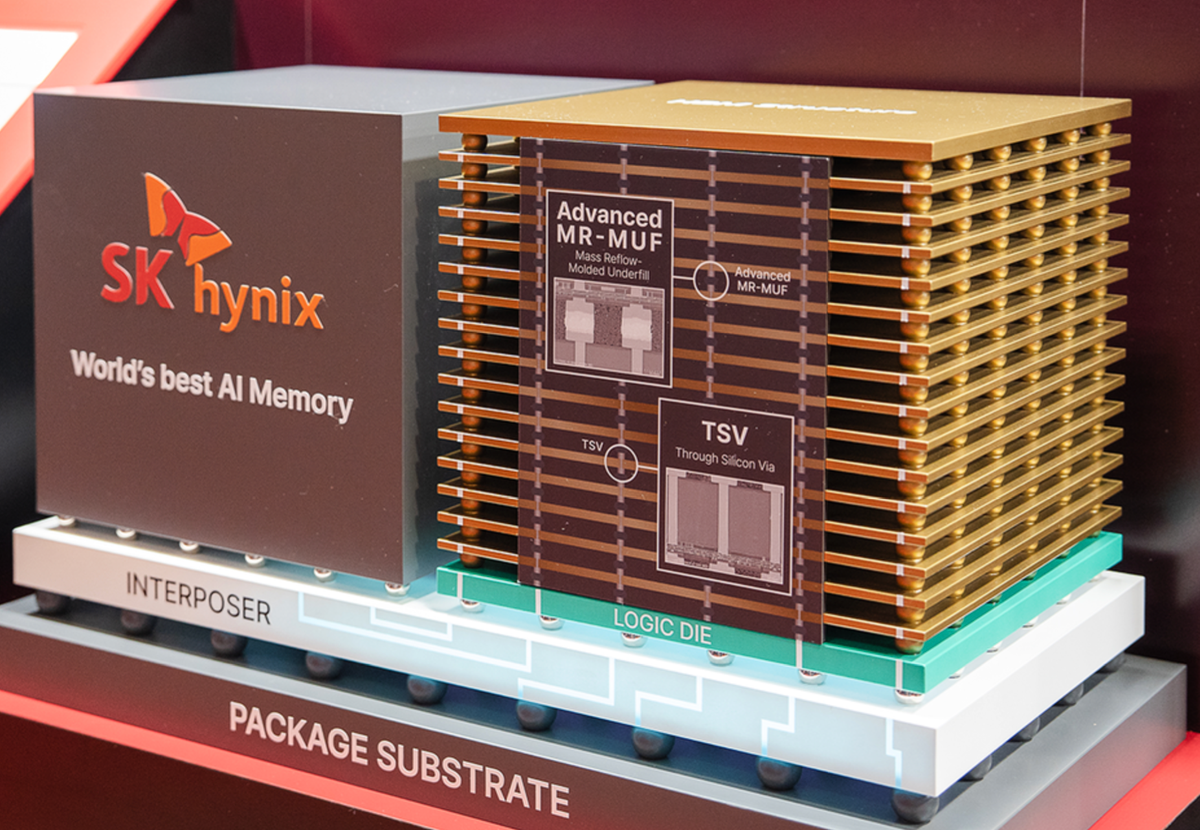
Oversupply is coming, but DRAM and NAND run on different clocks
When a boom runs long, chipmakers eventually raise capital spending. In the memory industry, that step has always planted the seeds of the next downturn. This time, though, investors need to separate "capex announcements" from "actual bit supply increases."
Micron has guided FY2026 property, plant and equipment capex above $25 billion. SK Hynix announced in August it will invest a combined 54 trillion won in its Yongin Y2 and Cheongju M17 facilities. But the target clean-room opening date for Y2 is June 2029, and for M17, December 2028. Money spent today doesn't turn into wafer supply next year.
The latest industry forecasts reflect this. TrendForce expects the DRAM shortage to actually deepen further in 2027. NAND, by contrast, could see supply growth outpace demand as process transitions and Chinese capacity additions kick in, with the market potentially easing starting in the second half of 2027.
So the simple conclusion that "memory overall will be oversupplied by 2027" doesn't match the current data. The more precise question is which products rebalance first, and when.
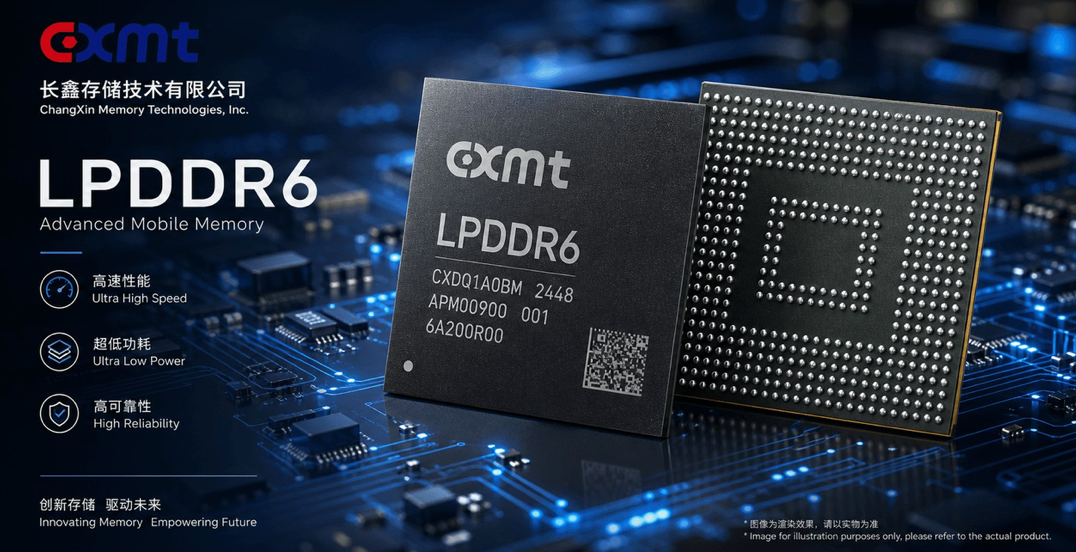
China's catch-up is already capping prices for commodity memory
Chinese makers aren't yet on the same footing as Korean producers at the top end of HBM. But their presence in commodity products is growing fast.
According to Counterpoint, CXMT's global DRAM revenue share in Q2 2026 reached 10%, more than double the 4% it held a year earlier. In NAND, YMTC took a 14% share of bit shipments in the same quarter, putting it among the top three globally.
What matters here is product mix more than raw share. As Chinese makers add volume in commodity DRAM and consumer NAND, Samsung, SK Hynix and Micron have a stronger incentive to shift resources toward higher-margin server, HBM and enterprise SSD products. The result is a structure where commodity markets face supply pressure from China while high-value markets face demand pressure from AI, both at the same time.
Insight Times Editorial Desk