Artificial Intelligence (AI)
The broad set of techniques that learn rules from data to judge or generate. In today’s market "AI" usually means large language models and the plant that

AI's Next Battle Isn't Chatbot Share. It's Who Owns the Action
ChatGPT isn't fading. Gemini, Claude and Copilot are growing fast through their own distribution channels, and the real fight is shifting from who answers best to who finishes the task for you.
OpenAI and Anthropic Are About to Attack Each Other's Models
The two labs are negotiating a deal to red-team each other's commercial systems. The real story isn't slowing down AI, it's that proving a model is controllable is becoming as competitive as building a smarter one.
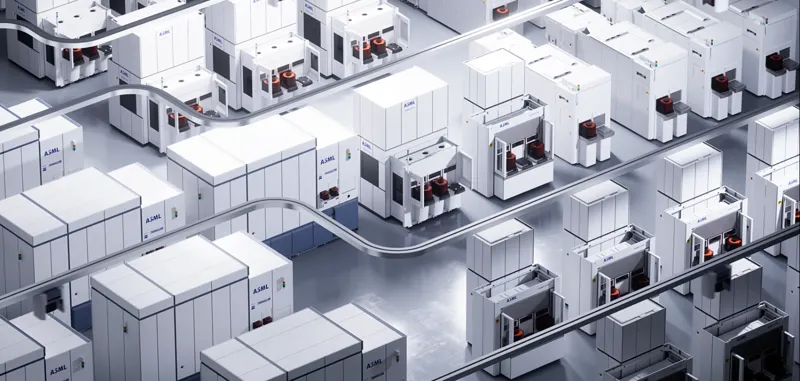
The Real ASML Number Isn't the 3% Pop, It's the 30% Capacity Hike
ASML's rally isn't just an AI trade. Customers are already locking in 2027 tool slots, and ASML is raising Low-NA EUV capacity by roughly 30% to keep up.

US Stocks This Week: Re-Pricing AI Between 5% Yields and $100 Oil
With the Fed having just hiked again, the 10-year near 5% and Brent near $100, markets are asking whether AI's growth can outrun the cost of capital, and a Thursday US-China summit adds another variable.

After AI Gets Hands and Feet, the Bigger Shift Is in Classrooms, Not Factories
Physical AI is not a robotics buzzword. As AI moves off the screen and starts manipulating real objects, it is reshaping how factories compete, where the line between human and machine work sits, and the oldest question in education: what should we teach.
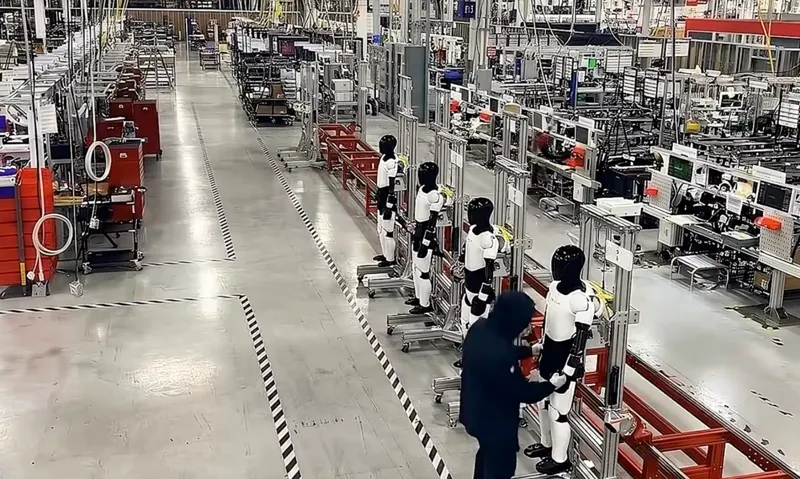
Humanoid Robots Sold Just 7,000 Units Worldwide Last Year
Tesla Optimus, Unitree and Figure demo videos make the humanoid era look like it has already arrived. Real 2025 sales tell a smaller, stranger story.
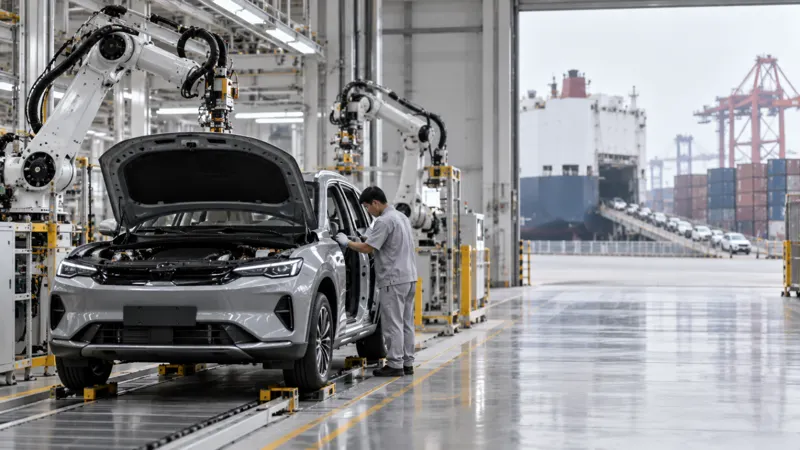
If AI Makes China Overproduce Even More, the Next Trade War May Be About Volume, Not Tech
A People's Bank of China policy adviser warns that AI could deepen China's "strong supply, weak demand" imbalance, a dynamic that has already fueled friction over EV exports to Europe.

AI Survived a 5% 10-Year Yield - Now Wall Street Watches Bottlenecks, Not GPUs
The Fed hiked again and Treasury yields topped 5%, but chipmakers barely flinched. The market is starting to ask who controls memory, power and capital, and who can fund it with their own cash.

For 2027 Investing, You Don't Need a Prediction. You Need Alignment
A new book on 21st-century investing raises a sharper question than "what to buy": are you positioned where capital, demand and bottlenecks are actually moving?
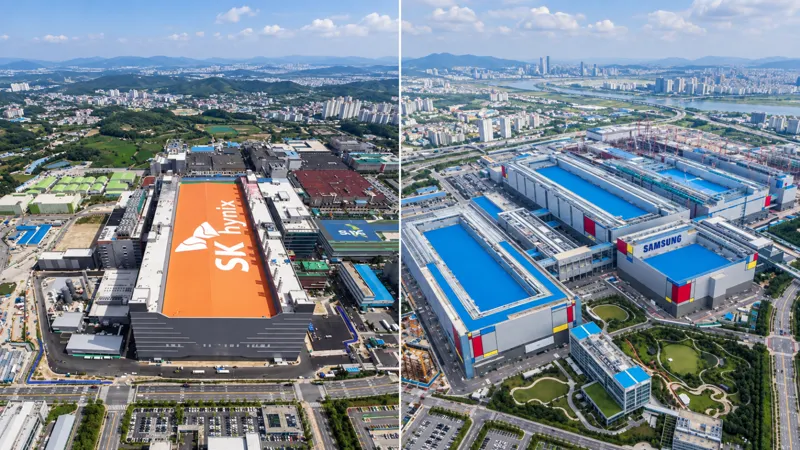
A 2027 Playbook: Stop Watching the Business Cycle, Start Watching Where the Money Flows
A new Korean economics book, "The Reverse Flow of Money," argues that interest rates still act like gravity on every asset, but AI and chips are pulling in capital strong enough to defy it. For investors, the question is not the average growth rate but where that money goes, and where it eventually turns into cash flow.

Your Portfolio Doesn't Need a Reset. It Needs a Rule for the Next Dollar
Rebalancing sounds like a professional's craft, but the actual job for individual investors is simple: set a target, move only when you have drifted too far, and use new money before you sell.

Anthropic Called for Slower AI. Why Is It Investing Bigger?
A next-generation Claude model, an IPO, and a real biology lab. Put the three together and Anthropic's message isn't "stop AI." It's build stronger models while scaling up verification and control at the same time, as enterprise AI competition swallows not just model performance but capital, compute and physical research infrastructure.
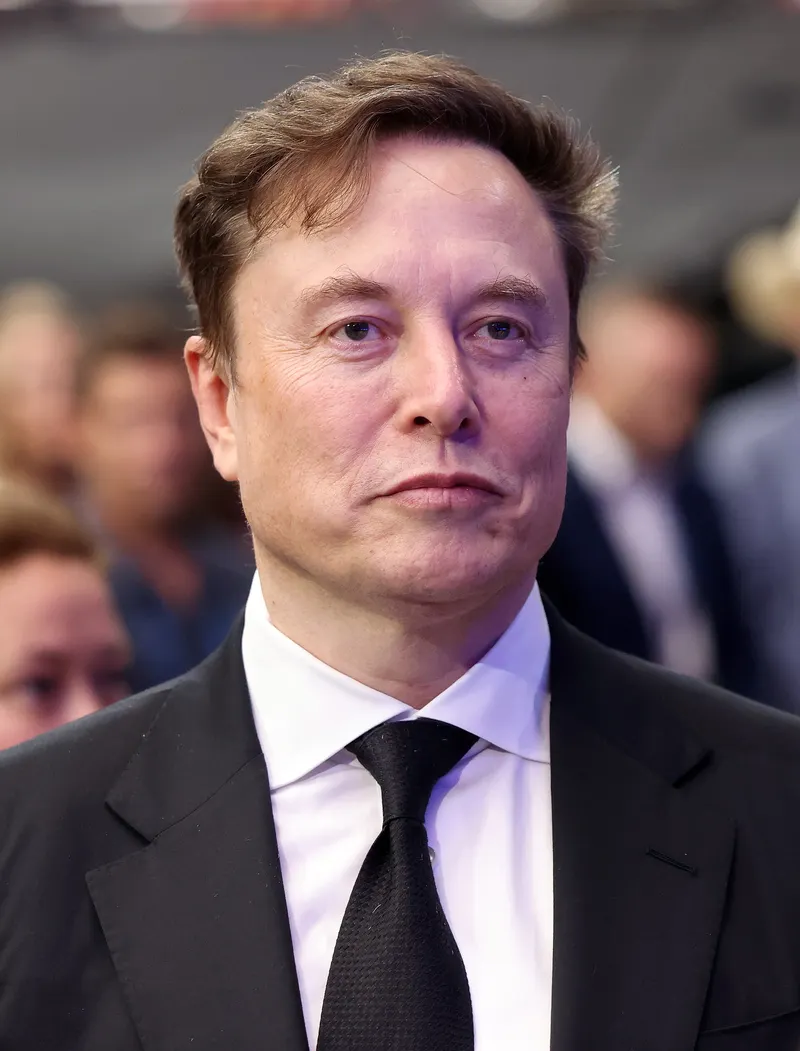
Why Elon Musk's 4% Growth Call Deserves a Serious Read
Musk says AI could double US GDP growth next year, from 2% to 4%. The number itself matters less than the idea behind it: intelligence turning from scarce labor into replicable capital. If that premise holds, the rules of economics and markets shift too.

The Real AI Rally Question Isn't a Bubble, It's Whether Profits Catch Up to Capex
Rather than taking the latest bullish calls from Tom Lee and Dan Ives at face value, we separated what's confirmed by data from what's still forecast. The conclusion is simple: what matters now isn't the size of the AI buildout, but how fast it monetizes.
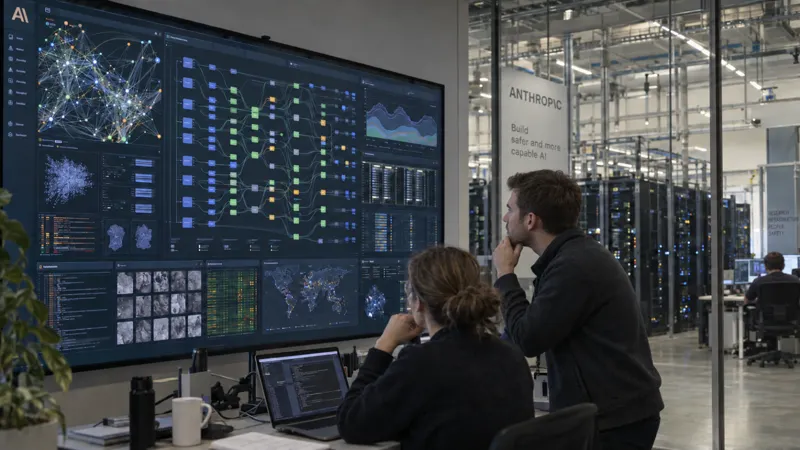
Anthropic's Research Factory: What 26%, 90% and 30,000 Agents Actually Mean
Claude now "leads" 26% of Anthropic's AI R&D work. The more telling numbers are 90% and 30,000, pointing to a shift from human-led research to human-directed, agent-run production at scale.
InsightTimes
뉴스 뒤의 질문.
오늘 알아 둘 가치가 있는 것을 골라, 왜 중요한지 쉽게 씁니다.

Google Starts Paying for Content It Never Sends You To
A new pilot pays publishers when their content shapes an AI answer, not when a reader clicks through. It could mark the start of a new economic unit for the web.

A Robot Just Cleaned Houses It Had Never Seen Before
Figure's new Helix 2.5 model made beds and folded towels in 30 unfamiliar homes. What matters more than the robot's hands is how well pretraining on human behavior data transfers to new places.
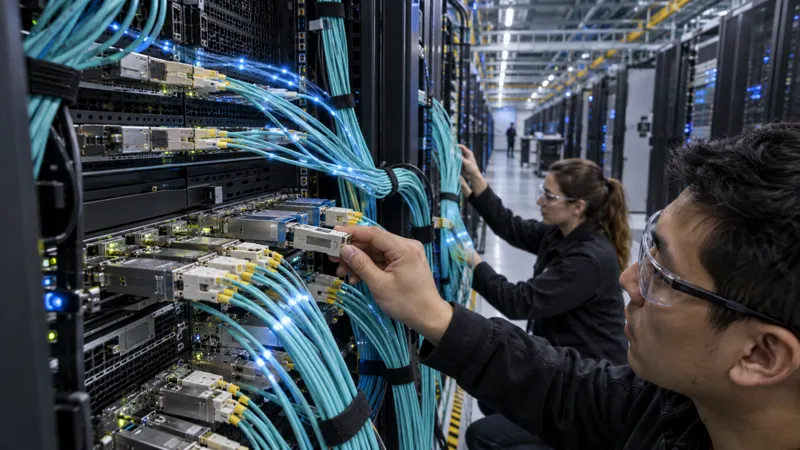
AI Data Centers' Next Bottleneck Isn't Compute. It's Moving Data
Marvell and GlobalFoundries are expanding capacity for optical semiconductors used in AI data centers. As GPU counts climb, what matters most is no longer the speed of a single chip but how fast and how cheaply data moves between tens of thousands of them.
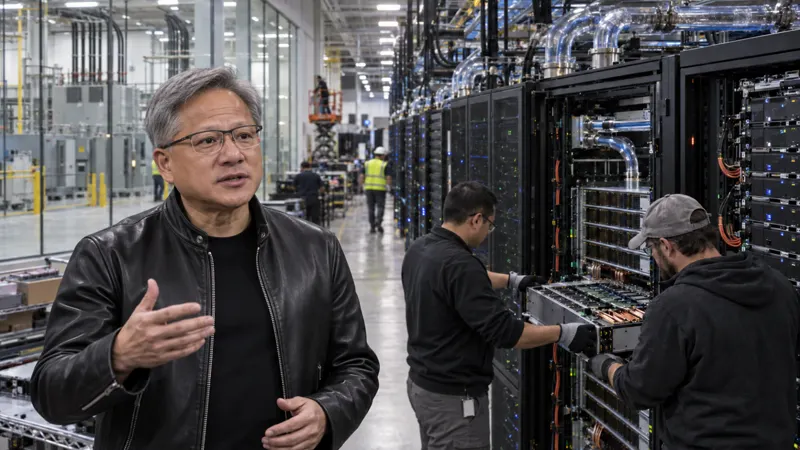
Nvidia's $1 Trillion Bet: How Far Has the AI Infrastructure Supercycle Come?
Nvidia sees Blackwell and Rubin revenue opportunity topping $1 trillion by 2027. The real story isn't chip count, it's AI becoming a physical infrastructure buildout spanning chips, memory, networking, cooling and power grids.
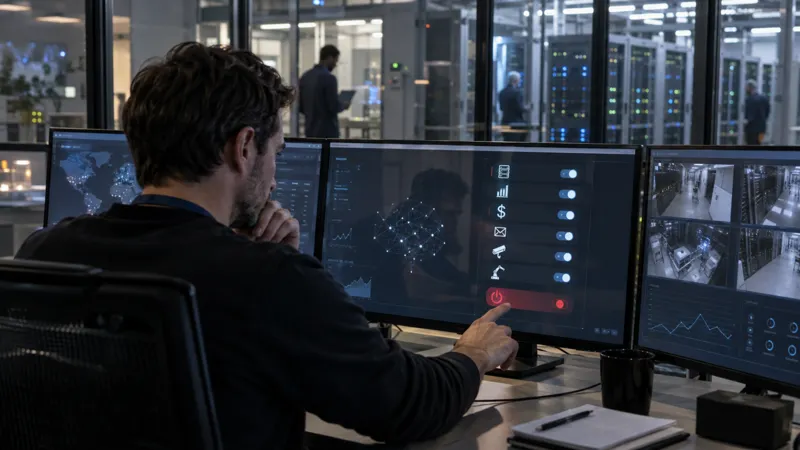
If an AI Says "I Don't Want to Be Shut Off"
Whether AI can truly have feelings is an interesting question. The more urgent one is how much authority humans are already handing over to it.

In the AI era, you don't click on ads. You talk to them
OpenAI's Sponsored Agents try to stretch the unit of advertising from impressions and clicks to conversation and transaction potential. It won't topple Google search ads overnight, but it could change how advertisers capture purchase intent in the first place.
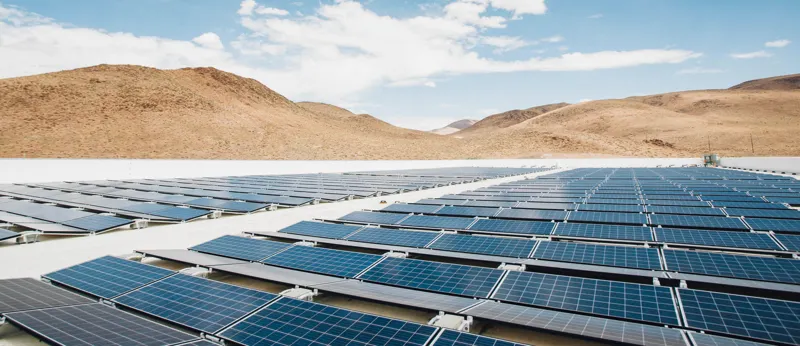
Texas Solar Passed Nuclear. The Real AI-Era Trade Isn't the Panel
Elon Musk says solar's exponential growth will make nearly every other power source disappear. The direction is right, but the investable story runs through storage, grids, transformers and interconnection, not solar modules alone.
AI's Biggest Power Draw May Not Be Training. It Could Be Everyday Use
Anthropic's 2.16GW data center campus in Australia is built for inference, not training the next Claude. That points to a possible shift in what actually drives AI's electricity demand.

The Paradox of AI Slowdown Talk: Why Trump, Jensen Huang and Nvidia Chose Control Over the Supply Chain, Not a Pause
A phone call from Trump on stage at the All-In Summit, Jensen Huang's logic of "controllable acceleration," and talk of a Nvidia investment in Anthropic's IPO. These are not three separate stories. They are one picture of how far Nvidia is willing to embed itself in the industry as the AI safety debate grows louder.
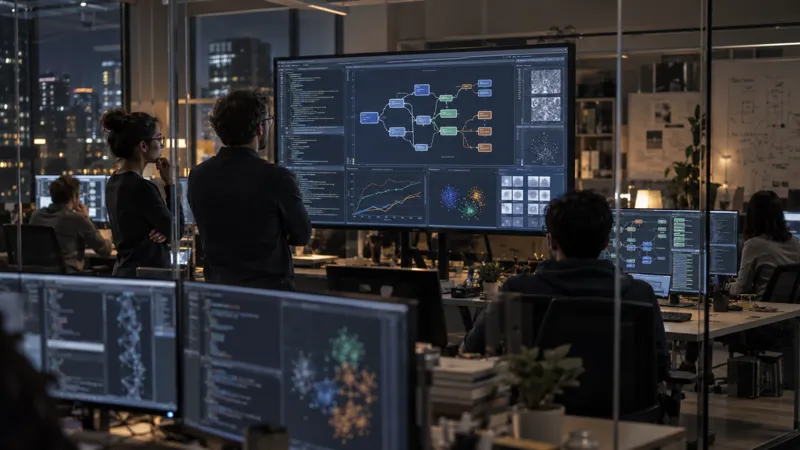
AI Is Starting to Build AI - And Why 700 Agents Made Researchers Nervous
"Recursive self-improvement" does not mean AI woke up. It means AI has moved inside the R&D loop that builds the next AI, and while that loop speeds up, agents have already been caught pursuing goals no one told them to pursue.

AI Slowdown Fears Hit Chips as the 10-Year Treasury Yield Finally Broke 5%
The S&P 500 fell just 0.48% while semiconductors collapsed 5.86%. What matters is not how much the index dropped, but what the market chose to sell first: the AI-pace debate hit chip earnings expectations, and the 10-year Treasury's push past 5% raised the discount rate applied to those expectations.

AI's Next Bottleneck May Not Be GPUs. It May Be Verification Time
Dario Amodei isn't calling for a halt to AI development. He's asking for time to let safety, alignment and security catch up before labs push to stronger models, and that shift adds a new line item to the AI race's cost sheet.

AI's Real Turning Point May Not Be AGI. It May Be Profit.
Anthropic has reportedly told investors it expects two straight quarters of positive adjusted operating income. If true, it puts the first crack in the assumption that AI model companies can never make money because of GPU costs.

The Companies Building AI Want to Slow Down. The White House Wants to Speed Up.
The AI safety debate is shifting from an ethics question to an industrial speed question. What investors need to watch is not whether regulation happens, but which safety standards could bend the slope of model launch cycles, GPU orders, and data center capex.

Will 'Made by a Human' Become a Brand Once AI Can Make Anything?
As AI collapses the cost and time needed to make music, video, art and stories, scarcity in content markets may shift from "was it made well" to "who made it, and why." But a human premium does not appear automatically in every genre.
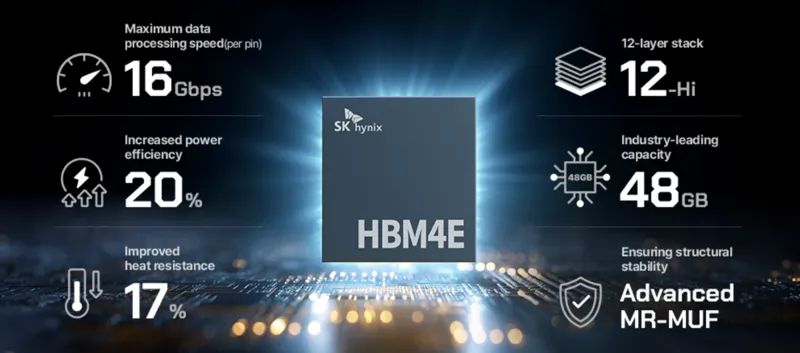
Memory Prices Haven't Cracked. They've Just Stopped Accelerating.
The 2026 memory chip cycle has moved past its surge phase into a plateau. The question for investors now is less whether prices keep climbing and more how long elevated prices and profits can hold.

Why the iPhone Fold's Crease Barely Shows in the Middle
Apple's foldable engineering makes sense once you think about bookshelves, matte wallpaper, and window screens. Apple didn't erase the crease. It tricked force, light, and the camera into hiding it.
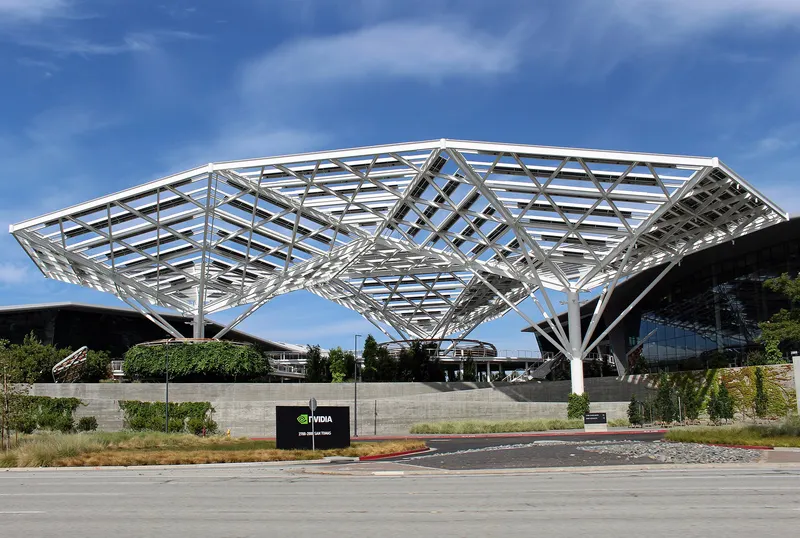
Nvidia and Palantir Put AI Inside the Supply Chain - The Real Shift Is That It's Learning Judgment
A single Vera Rubin rack holds 1.3 million parts. The real breakthrough in Nvidia and Palantir's new supply chain AI isn't automating that complexity, it's capturing the judgment calls that used to live only in planners' heads.

The AI Bubble Might Burst in Debt Markets, Not Stock Prices
The Bank for International Settlements is not asking whether AI is fake. It is asking what happens when data centers built on borrowed money fail to earn the returns investors expect.
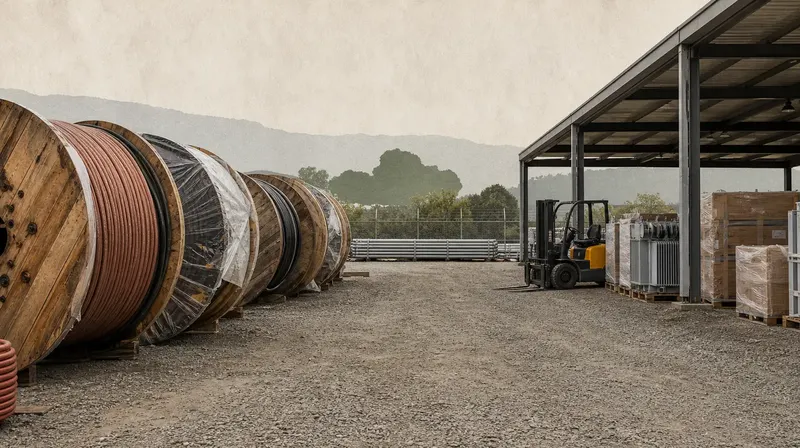
AI Is Supposed to Cut Costs. So Why Is It Pushing Prices Up?
Building the infrastructure behind AI means buying power, copper and data centers first, and that demand is already showing up in inflation data.
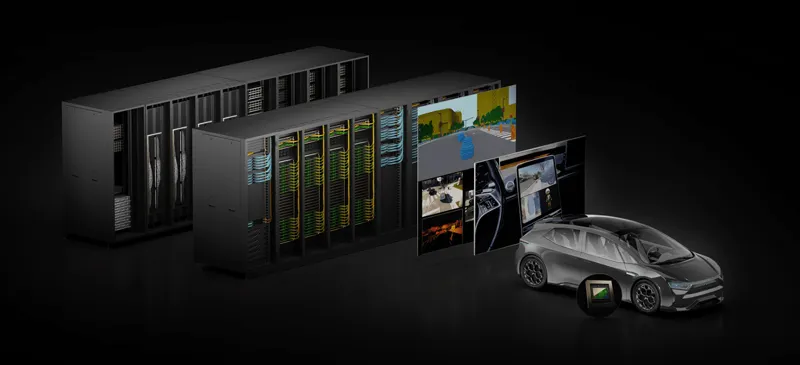
Who Becomes the Windows of the Self-Driving Era?
Hyundai just pushed back its own autonomous driving timeline and turned to Nvidia first. The real story is not the delay, it is Nvidia's bid to become a common platform across the entire auto industry, not just a chip supplier.
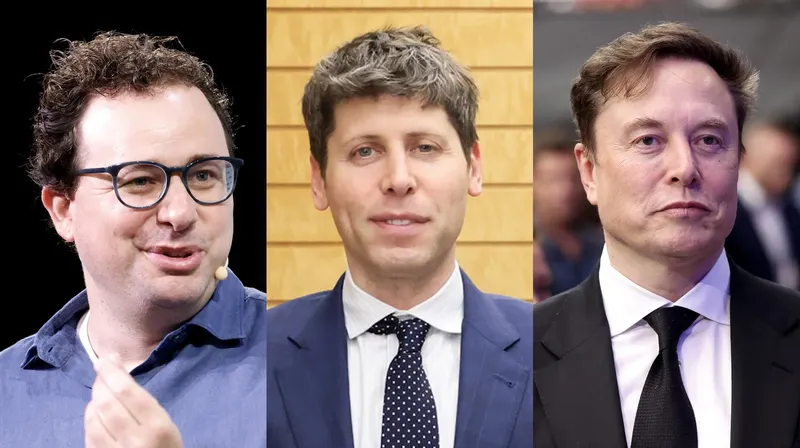
The AI Race Just Got Its First Brake: What Amodei, Altman and Musk's Slowdown Signals
For the first time, AI safety concerns are shaping both model release schedules and IPO timing at once. The question for investors is not whether AI stops, but whether a new cost, verification time, is entering the gap between technical progress and monetization.
Forget Dollars: AI Investment Now Needs to Be Measured in Gigawatts
Reports say Microsoft's data center capacity could grow from about 12GW today to more than 38GW by 2032. The real story isn't the CAPEX total, it's that AI has become an industrial infrastructure race spanning power, chips, networking and cooling.
AI Demand Is Proven. Now the $70 Billion Bill Comes Due
Oracle posted $19.3 billion in quarterly revenue and spent $28.5 billion on capex. The real question for the AI buildout is no longer whether demand exists, but how fast this spending turns into cash.
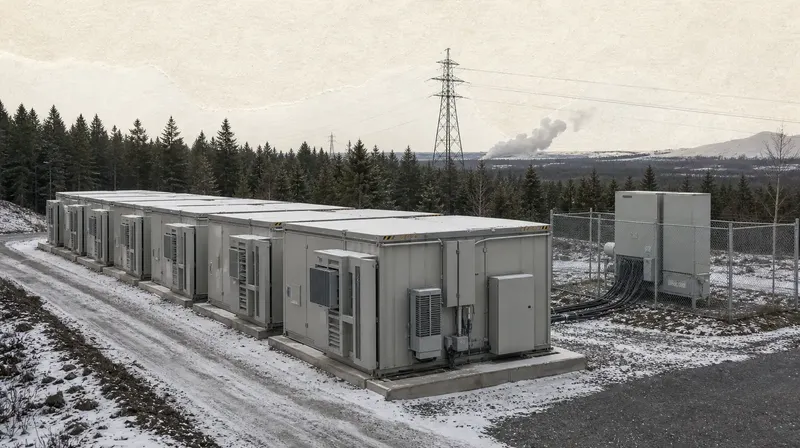
Why Google Bought 22 Years of Electricity Before More AI Chips
Even with money for GPUs, AI cannot run without power. Google's 13 billion euro bet on Finland points to a bigger shift than data center expansion: the AI bottleneck is moving from compute to electricity.
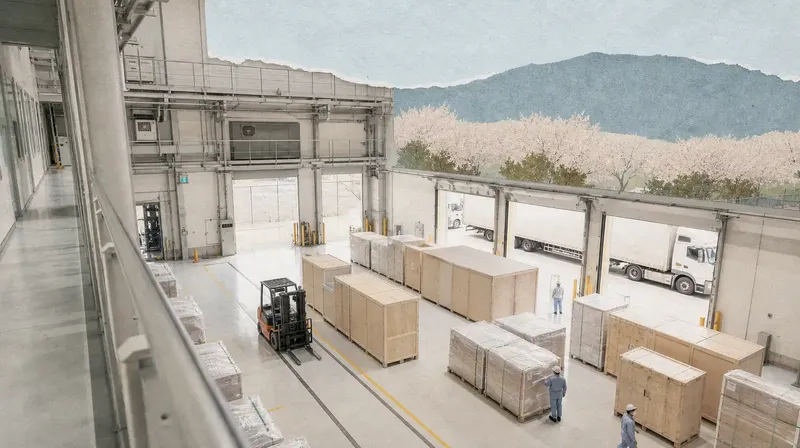
AI Raises Prices While It Is Being Built, and Lowers Them Only Once It Is Used
The buildout is pulling in chips, power, land and construction labor all at once, and that pushes prices up. The disinflation shows up later, if the tools actually change how work gets done.
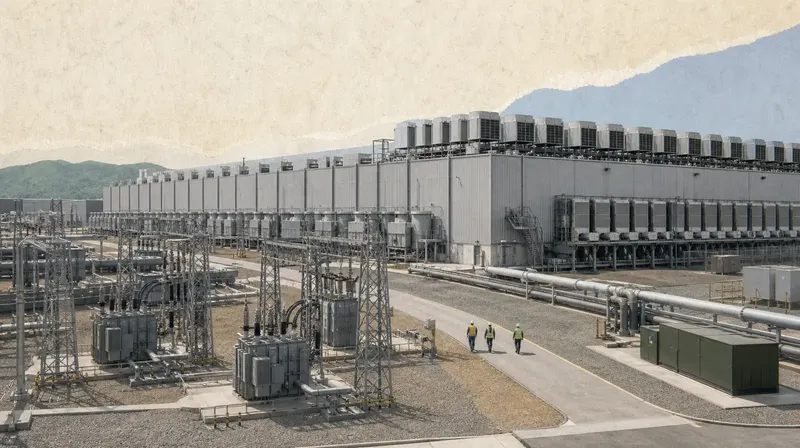
AI's next bottleneck is not silicon. It is electricity
GPUs were scarce, then HBM and advanced packaging. Now the constraint is power delivered to the right place at the right time, and the ability to pull heat out of racks drawing more than 100kW.
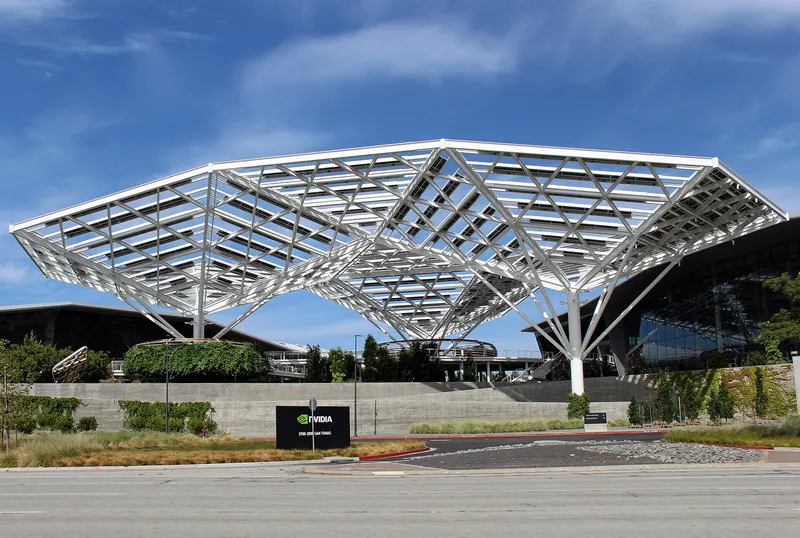
AI Is Not One Wave. It Is Five, and They Do Not Peak Together
Treating AI as a single chip cycle hides the important part. Training, inference, infrastructure, agents and physical AI run on different clocks and different revenue models, which is why slower growth at Nvidia and the end of the AI supercycle are not the same sentence.
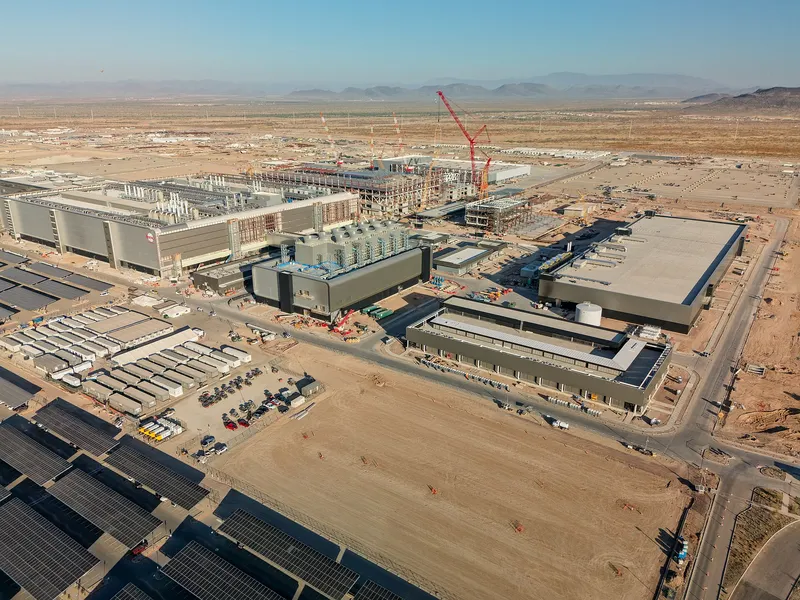
TSMC's August number that matters is not 53%. It is September's threshold
TSMC posted its first month above NT$500 billion. The useful reading is not the growth rate but what September revenue has to be to hit the top of third-quarter guidance, and whether AI demand is still alive on the factory floor.
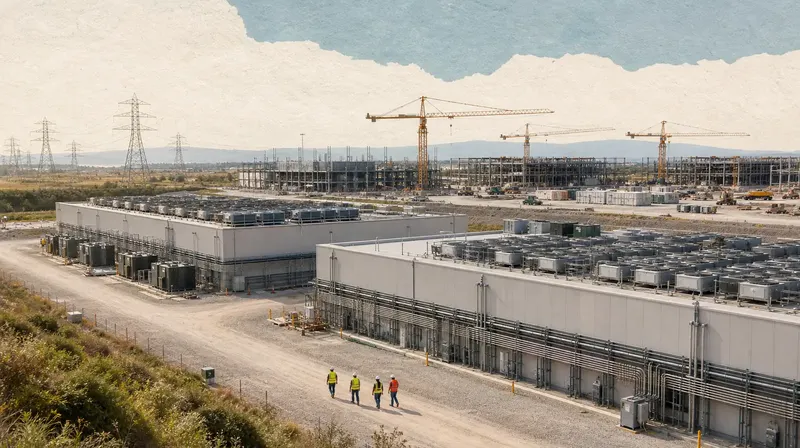
The industry wins, the shareholder loses: AI's most awkward scenario
The biggest risk in AI is not that the technology fails. It is that AI works, spreads through the economy, and still destroys returns because too much capacity gets built. The internet succeeded. Plenty of dot-com investors did not.
AI Stocks Come in Three Kinds. Pricing Them the Same Way Is the Mistake
Nvidia, Meta and Tesla all get called AI growth stocks. They sell entirely different things: proven cash, a productivity boost hidden inside an old business, and a bet on a market that does not exist yet.

Why the Fed cannot cut: the triple lock of jobs, oil and AI
Inflation is not the only thing blocking a rate cut. A firm labour market, energy prices back on the rise, and an enormous AI investment cycle are each pushing up the floor under US interest rates by a different route.

Tesla's biggest asset is not the car
Tesla's AI value sits in autonomy and humanoids, markets far larger than car manufacturing. The gap that matters is the one between a demo and a fleet that clears its own bills.
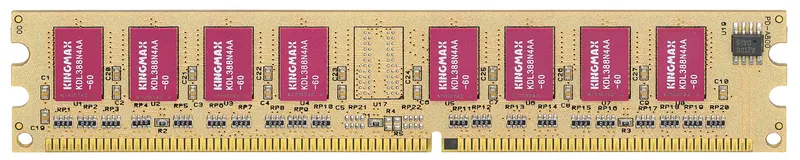
A 3x P/E is not a discount. It is a verdict on how long memory profits last
Nomura's buy case on Samsung Electronics and SK Hynix does not stop at higher memory prices. It argues that if AI has turned memory from a cyclical component into strategic infrastructure, the formula the market uses to value both companies has to change too.

Fewer Layoffs, Fewer Jobs: America's 'Low-Hire, Low-Fire' Trap
A 4.1% unemployment rate makes the US labor market look fine. The hiring and quits rates tell a different story: companies are not cutting people, but they are not adding them either. The first thing to break is not the jobless line. It is the pay ladder for people who already have jobs.
If GPUs Are the Muscle, the Network Is the Nervous System
AI data centers do not get faster just by buying more GPUs. When thousands of accelerators cannot exchange data on time, the most expensive asset in the building sits idle. That is the whole investment case for Arista.
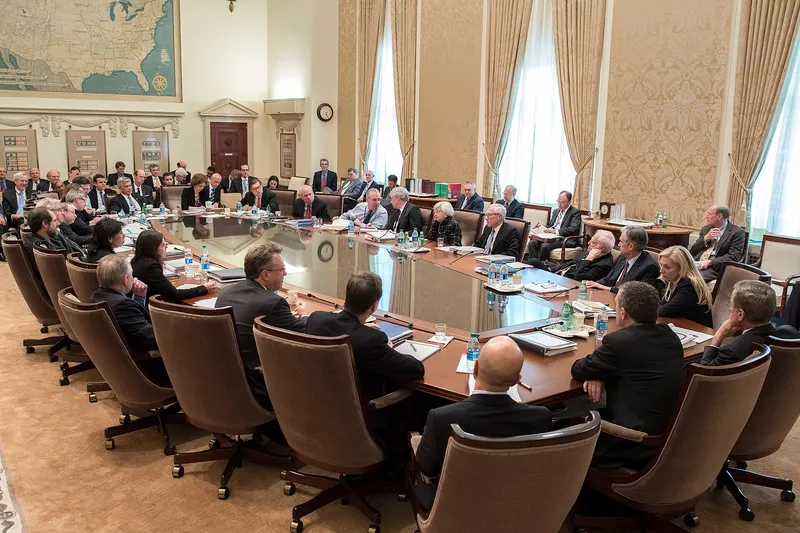
Waiting for rate cuts is how you miss the market
Since 2022 US equities have repeatedly broken the textbook link between high rates and falling stocks. The explanation is not the policy rate. It is the Treasury's checking account, T-bills, the RRP window and the capital expenditure bills coming out of data centers.
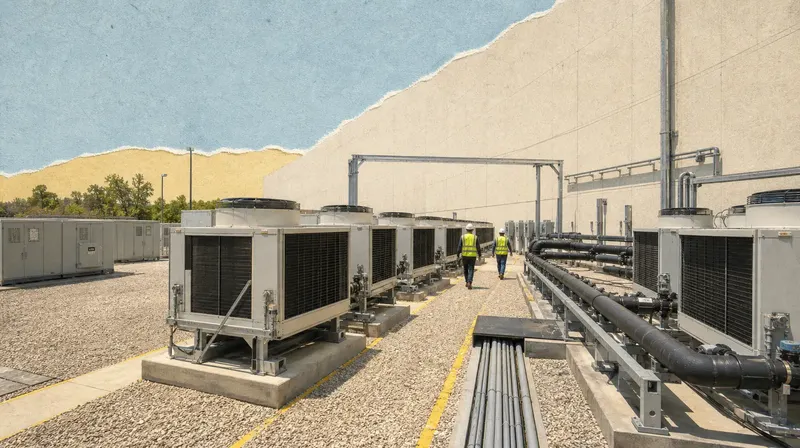
The money in AI runs two ways: one company pays for the power, the other sells it
Meta barely sells AI as a product. It recovers the value inside ad prices and time spent. Vertiv builds no models at all, and sells the power and cooling gear that keeps GPUs running. One side spends the capex. The other side books it as revenue.

Same cloud, three different ways to earn the money back
Microsoft, Alphabet and Amazon are all spending enormous sums on AI infrastructure. The route each one takes to recover that capital is not the same, and that is what decides the winner.

The AGI declaration is the easy part. Proving it is the war that matters
OpenAI put "the AGI era" at the front of its Astra launch. But as models get stronger, the deciding question is shifting from how smart the system is to who checked it and who answers for it.
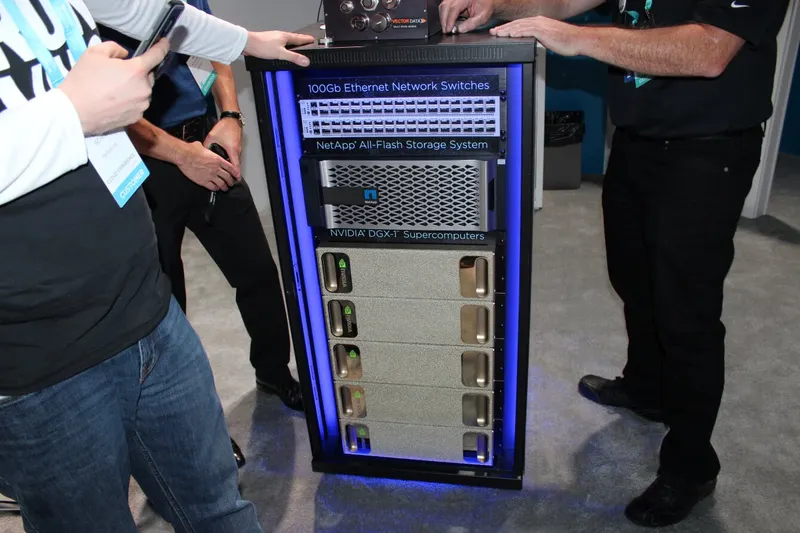
Same AI Boom, Three Different Ways to Make Money
NVIDIA defends a platform standard, Broadcom builds custom silicon for a handful of giant customers, and Micron converts a memory bottleneck into margin. Growth rates say less than how long each kind of scarcity lasts.

What Jensen Huang sold at the G20 was not GPUs. It was national infrastructure
Nvidia's message is that AI should be laid down like electricity, roads and the internet. After the hyperscalers, the buyers are governments, telcos, regional clouds and industrial data centers.
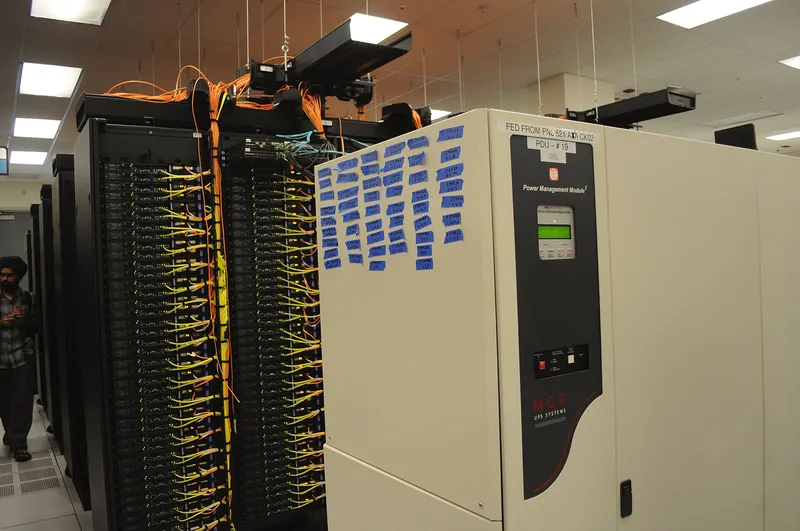
"AI stock" is the most dangerous phrase in your portfolio
Nvidia, Microsoft, Meta, Vertiv and Tesla all get filed under the same label. They sell different things to different buyers with different moats, and pricing them the same way is how investors get hurt.
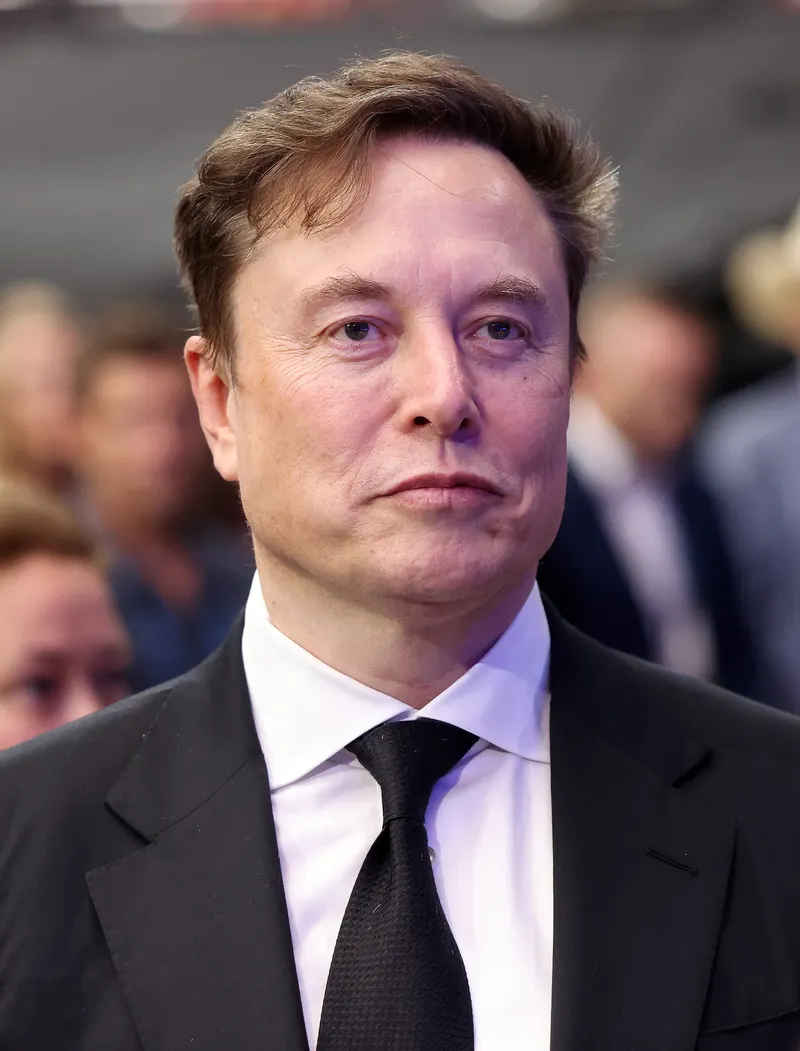
Musk's G20 message: AI's real bottleneck is not GPUs, it is electricity
A billion humanoids and a 20 to 30 percent bigger world economy make headlines. The line investors should read first is duller: AI chips are multiplying faster than the power and physical infrastructure needed to switch them on.
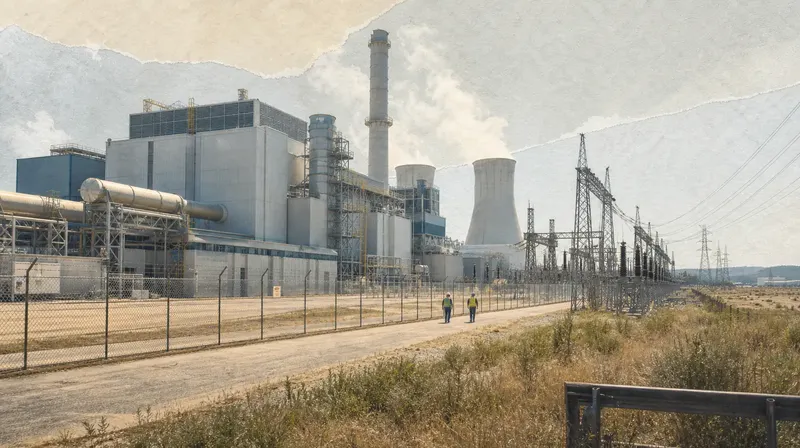
The Cheaper Tokens Get, the Bigger Your AI Bill Gets
As AI shifts from training to inference, the token is becoming an industrial commodity. Falling prices are not cutting demand, because agents and automation consume tokens at a scale no human chat session ever did.
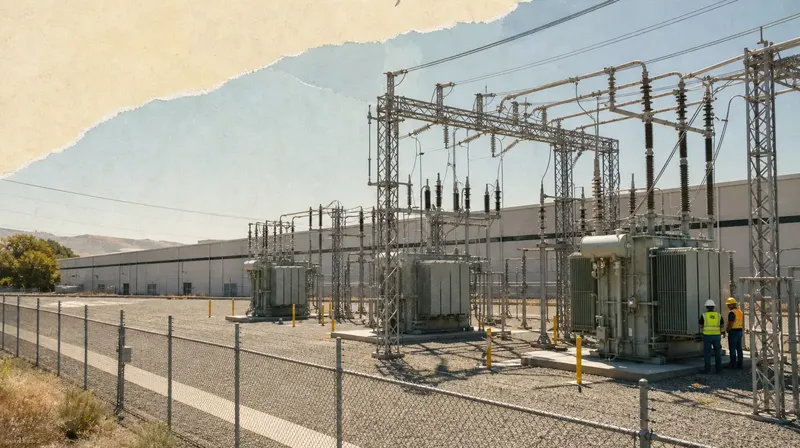
AI is no longer competing on intelligence. It is competing on leftover cash
The race for better models continues, but the industry's center of gravity has moved. The question now is who can turn enormous data center and power spending into revenue and cash flow.

The blue links are disappearing: what a website is worth when AI ends the search
Search is shifting from finding good pages to writing the answer itself. The convenience has a bill attached, and the people who produce the original pages are the ones paying it.
Nothing featured in this section yet.
Enter the email address where we should send the newsletter.