Why Google Bought 22 Years of Electricity Before More AI Chips
Even with money for GPUs, AI cannot run without power. Google's 13 billion euro bet on Finland points to a bigger shift than data center expansion: the AI bottleneck is moving from compute to electricity.
The number that matters more than the data center
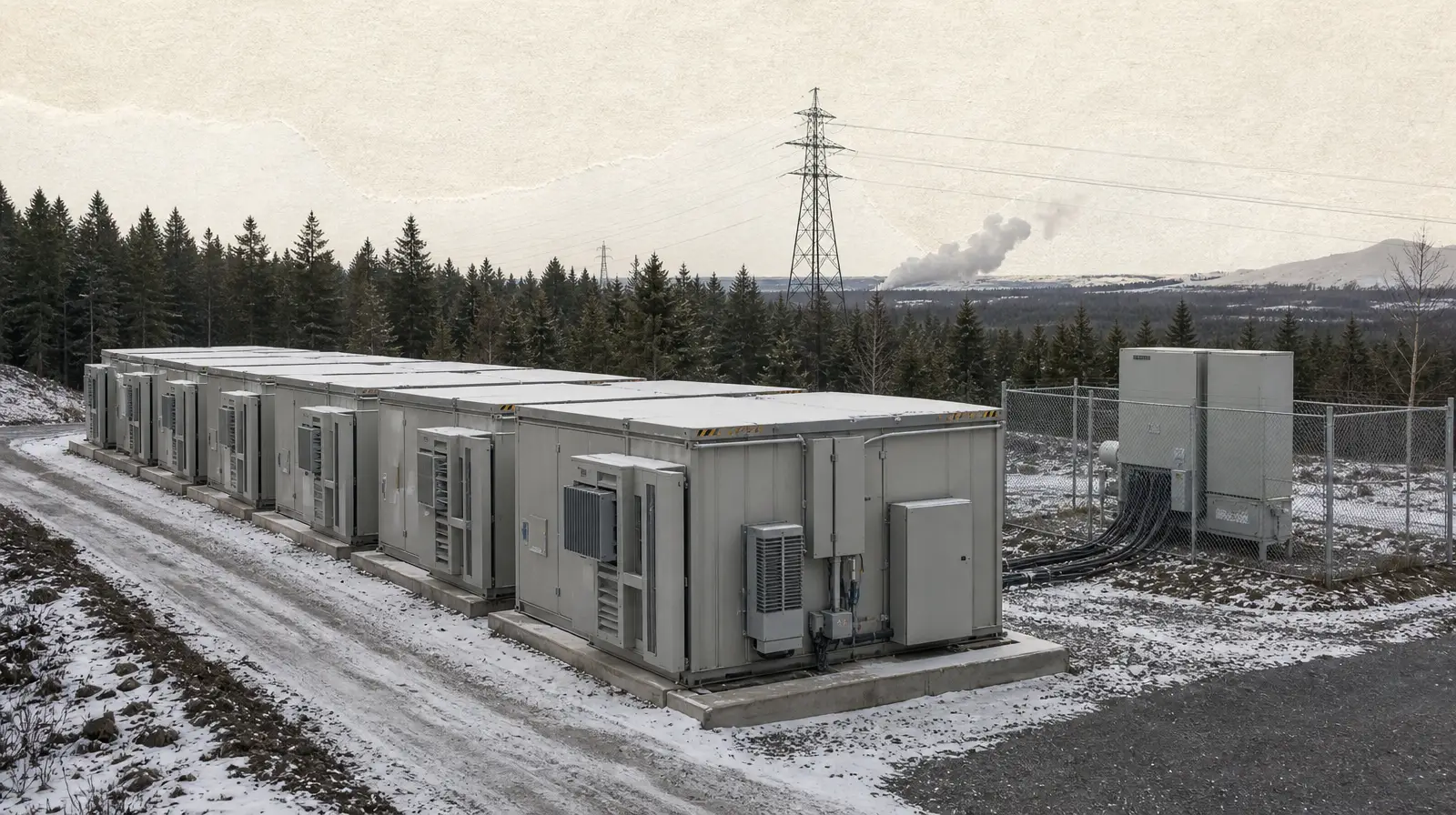
On September 9, Google announced it would invest at least 13 billion euros, or roughly 15.1 billion dollars, in Finland between 2027 and 2028. The plan expands infrastructure beyond the existing Hamina site to Kajaani, Muhos and Vaala, and covers not just data centers but also the power grid, clean energy and battery storage.
But the most important number in the announcement is not 13 billion. It's 22.
Google signed a long-term power purchase agreement with Finnish utility Fortum to support a life extension and capacity upgrade at the Loviisa nuclear plant. The deal covers up to 50 percent of the plant's generating capacity. It is not simply a contract to buy electricity. It is a structure that guarantees demand long enough to keep the plant running until 2050.
That is why Alphabet president Ruth Porat calls this strategy BYOP, bring your own power. Securing a data center site and then waiting for the grid to catch up cannot keep pace with the speed of AI demand.
The bottleneck keeps moving to whatever is slowest to expand
The scarce resource in AI infrastructure has kept shifting over the past few years. First it was GPUs. Then it was HBM, advanced packaging and high-speed networking gear. Now power is next in line.
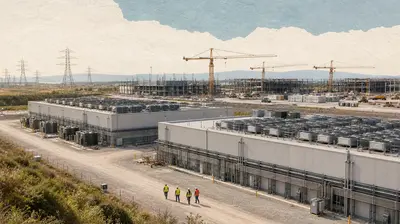
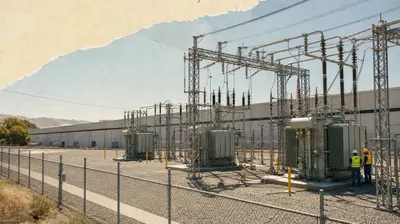
The difference is how fast each one can be scaled up. Semiconductor capacity is slow to expand, but power plants and transmission lines are slower. New plants take years to permit and build, and connecting a large data center to the grid requires substations and transmission equipment on top of that. Power access and grid interconnection queues are showing up more and more often as the reason AI data center projects get delayed.
As a result, the production function of an AI data center is changing too. Accelerators, HBM, networking, cooling, land, transmission and generation no longer move separately. They are bound into a single system. If any one piece is missing, the economics of everything else weaken.
Why Finland fits the power system Google wants
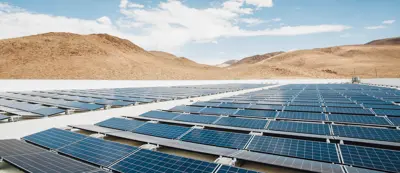
The cold Nordic climate cuts cooling costs. But power is the bigger factor. Finland has both nuclear and renewable generation, and Google has stacked a long-term nuclear contract and a 94-megawatt battery system on top of an existing wind power purchase agreement.
That combination targets three things AI data centers want at once: large-scale power, low carbon emissions, and round-the-clock stability. Solar and wind alone leave output variable. Nuclear supplies baseload power, and batteries absorb short-term swings.
Economics follow from there. A PPA running more than 20 years gives the power producer visibility on returning its investment, and gives Google predictability on long-term power costs. As electricity takes up a bigger share of AI compute costs, that predictability can feed straight into cloud margins.
Why this shift matters more right now
Alphabet has already raised its 2026 capital expenditure guidance to between 195 billion and 205 billion dollars. Google Cloud revenue in the second quarter rose 82 percent year over year to 24.8 billion dollars, and the company has repeatedly said AI infrastructure demand is outrunning the supply it has on hand.
Securing power, in other words, is not a distant ESG project. It is capacity expansion needed because there is already not enough sellable AI compute. Installing more GPUs requires racks, more racks require cooling and substation equipment, and at the end of that chain, generation and transmission capacity have to keep up.
Seen this way, a hyperscaler's moat is no longer just model performance or in-house chips. The new barrier to entry is the capital and execution needed to lock up power years in advance, contract directly with power producers, and co-design grid expansion alongside the data center itself.
Insight Times Editorial Desk