Capital Expenditures (CapEx)
Money a company spends on things it will use for years — plants, equipment, buildings. The cost is not expensed at once but spread across the useful life (
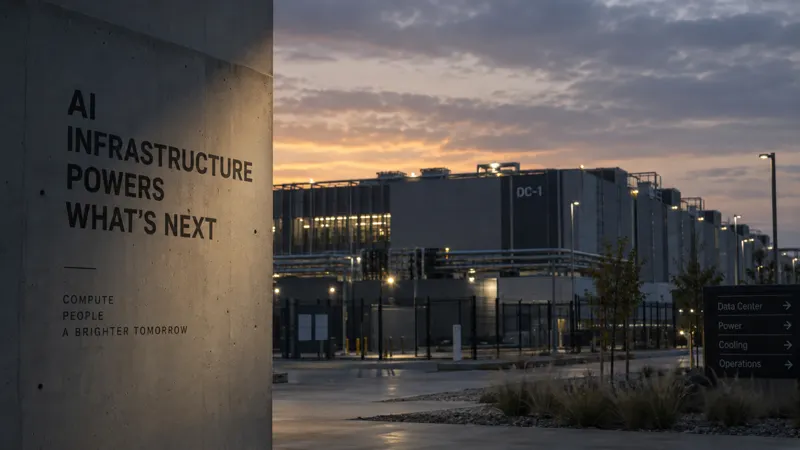
The AI Bubble Question Has Changed: Now It's ROIC, Not GPUs
There is still no evidence AI spending is slowing, and hyperscaler capex forecasts keep rising. But as the scale of investment balloons, the market's question has shifted from whether AI can grow to when and how much cash that capital returns.
Alibaba's 20GW Bet Shows China's AI Race Is Now About Power, Not Just Models
Five to ten trillion parameters, a 500,000-chip cluster and 20 gigawatts of data center capacity. Alibaba is betting that owning the full stack, from models to chips to power, matters more than any single number.
AI Survived a 5% 10-Year Yield - Now Wall Street Watches Bottlenecks, Not GPUs
The Fed hiked again and Treasury yields topped 5%, but chipmakers barely flinched. The market is starting to ask who controls memory, power and capital, and who can fund it with their own cash.
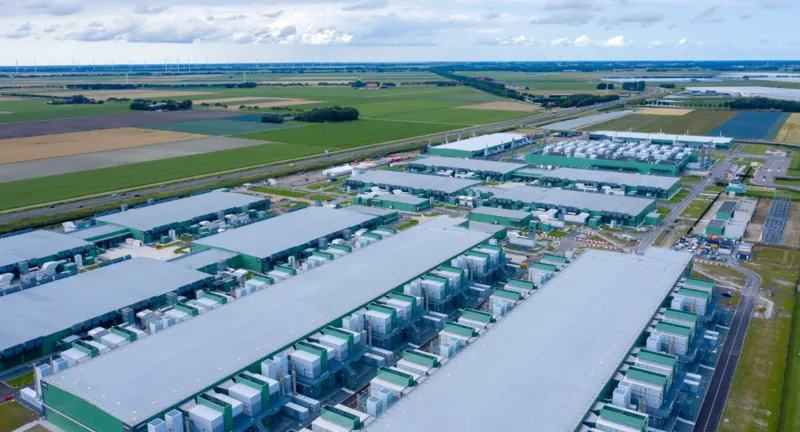
$300 Billion in AI Investment Is Moving Off the Balance Sheet
As AI data centers grow too large for any one company to own outright, Big Tech is turning to separate entities that borrow the money and buy the assets, backed by long-term usage contracts and residual-value guarantees. The risk hasn't disappeared. It has just moved.
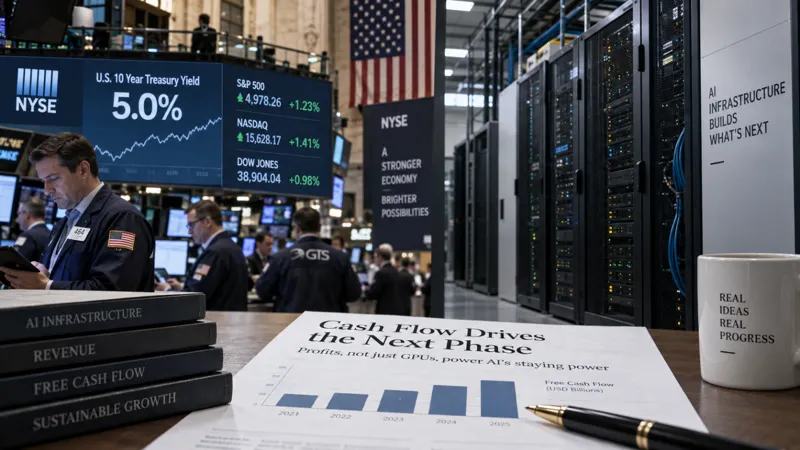
[Weekly Check] AI Held Up Even at 5% Rates - Now the Market Wants Cash, Not Just GPUs
The Fed actually raised rates, and the 10-year is back above 5%. But the Nasdaq did not crack. This week's real story is not the end of the AI rally, but a shift in how the market grades it.
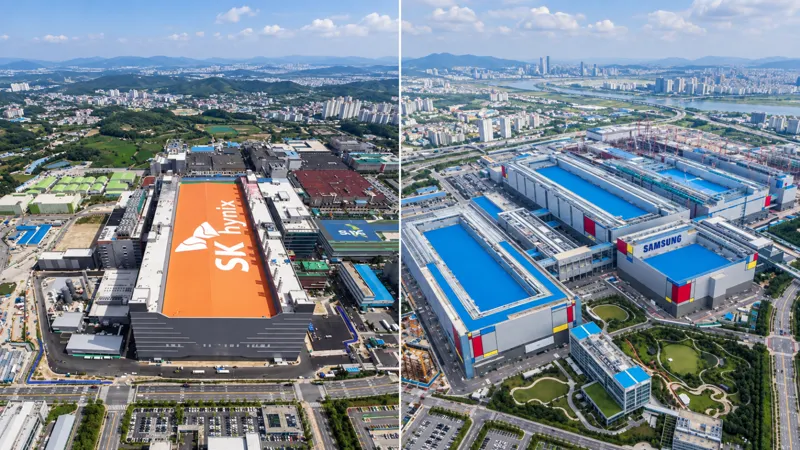
A 2027 Playbook: Stop Watching the Business Cycle, Start Watching Where the Money Flows
A new Korean economics book, "The Reverse Flow of Money," argues that interest rates still act like gravity on every asset, but AI and chips are pulling in capital strong enough to defy it. For investors, the question is not the average growth rate but where that money goes, and where it eventually turns into cash flow.

The Real AI Rally Question Isn't a Bubble, It's Whether Profits Catch Up to Capex
Rather than taking the latest bullish calls from Tom Lee and Dan Ives at face value, we separated what's confirmed by data from what's still forecast. The conclusion is simple: what matters now isn't the size of the AI buildout, but how fast it monetizes.
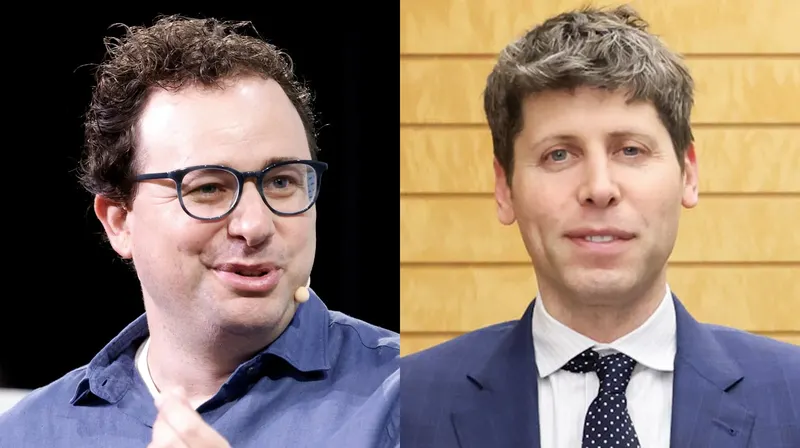
AI's $600 Billion Isn't Slowing Down. Wall Street Read the "Pace" Call Differently
Anthropic and OpenAI called for slowing frontier AI development, but the money hasn't stopped moving. The market didn't dump AI; it re-split the winners and losers between chipmakers and hyperscalers.

When AI Slows Down, Some Companies Make More Money
When talk of slowing AI development speed hit the market, Nvidia and chip stocks sold off while Microsoft, Alphabet and Meta rose. That split may not be an accident.
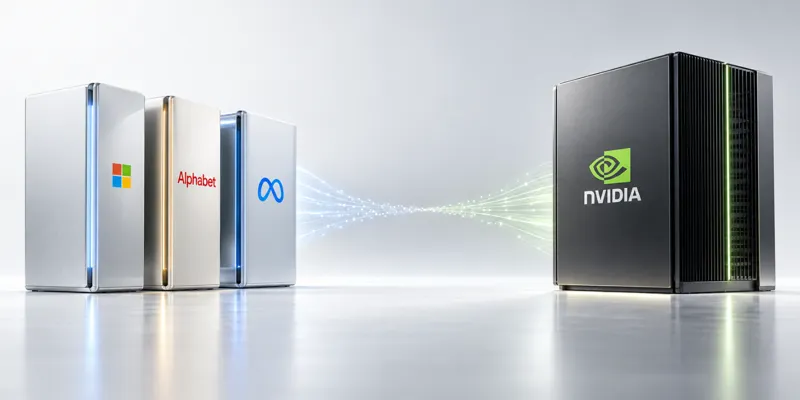
Who Wins and Who Loses if AI Development Slows Down
When talk of throttling AI development spread, Nvidia and chip stocks sold off while Microsoft, Alphabet and Meta rose. That split may not be an accident, and it marks the moment interests diverge between companies that sell AI infrastructure and those that have already bought a mountain of it.
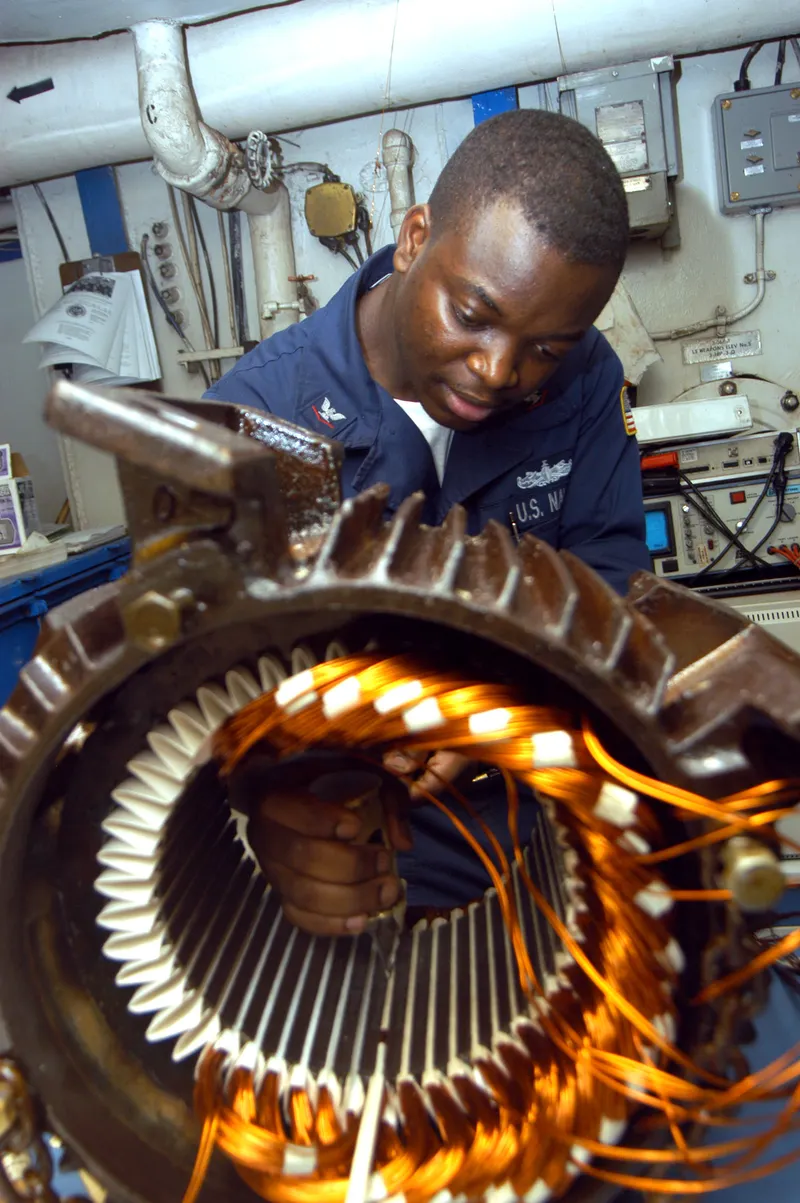
AI Was Supposed to Replace Workers. Why Are Electricians in Short Supply?
The AI data center building boom is exposing a bottleneck beyond GPUs and power: skilled labor.
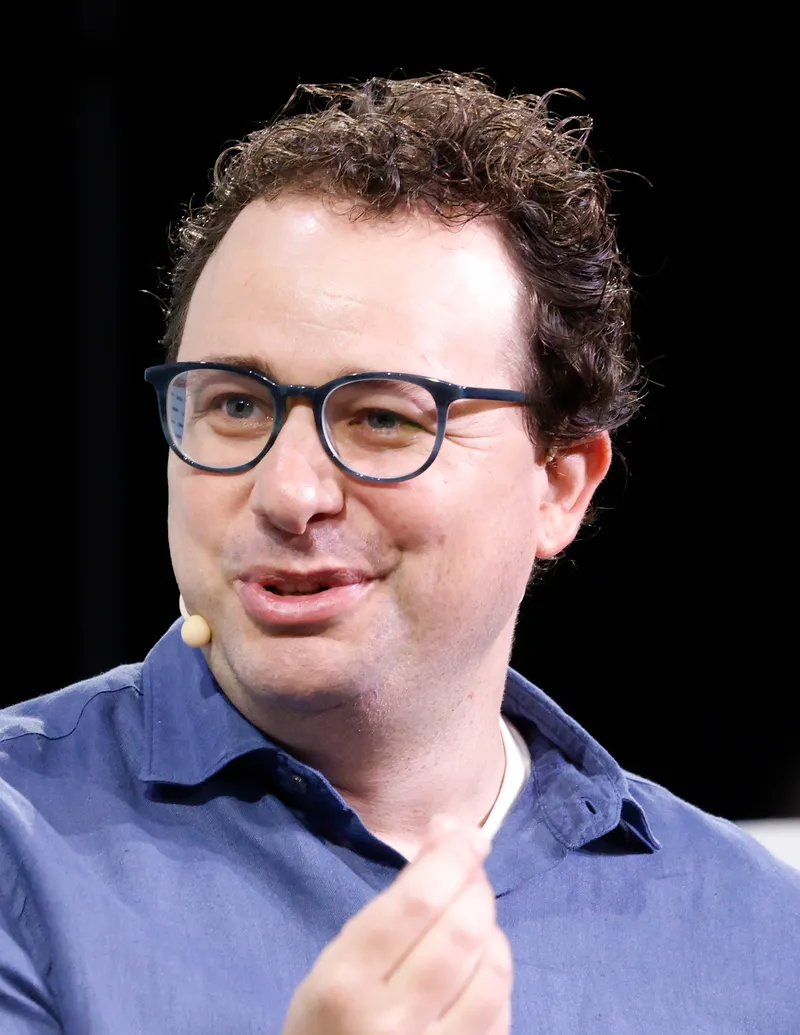
The Companies Building AI Want to Slow Down. The White House Wants to Speed Up.
The AI safety debate is shifting from an ethics question to an industrial speed question. What investors need to watch is not whether regulation happens, but which safety standards could bend the slope of model launch cycles, GPU orders, and data center capex.
10-Year Yield Near 5% Tests the AI Bull Case: Cash Flow, Not Revenue, Is the Real Scoreboard Now
August CPI rose 0.4% month over month and 3.4% year over year, with core CPI at 0.3% and 2.4%. A day earlier, PPI jumped 5.4% year over year and diesel prices spiked 24.1% in a month.
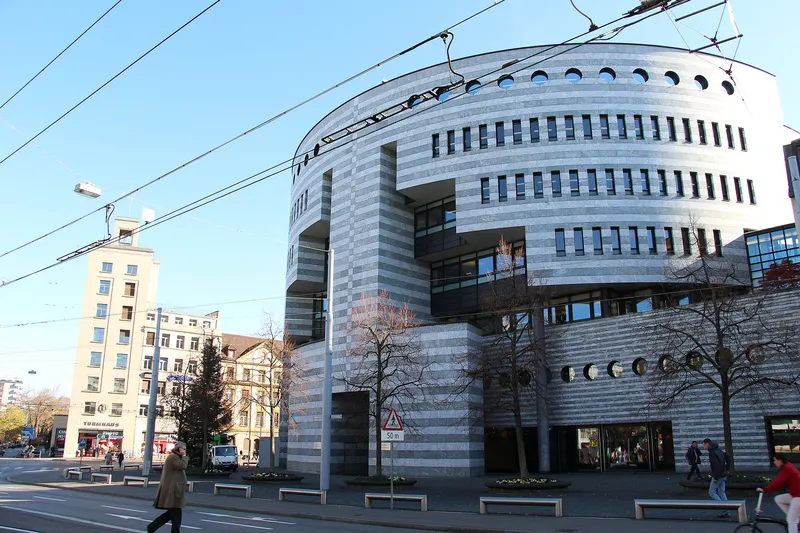
The AI Bubble Might Burst in Debt Markets, Not Stock Prices
The Bank for International Settlements is not asking whether AI is fake. It is asking what happens when data centers built on borrowed money fail to earn the returns investors expect.

Apple's Real AI Bet Isn't a Chatbot. It's Siri Running Your Apps
Apple has stepped back from the race to build a smarter chatbot than ChatGPT. Instead it is building an "OS agent" that connects Mail, Photos, Calendar and hundreds of thousands of apps to actually finish tasks. 2026 is the first year that strategy gets tested as a product, not a keynote promise.
InsightTimes
뉴스 뒤의 질문.
오늘 알아 둘 가치가 있는 것을 골라, 왜 중요한지 쉽게 씁니다.
Forget Dollars: AI Investment Now Needs to Be Measured in Gigawatts
Reports say Microsoft's data center capacity could grow from about 12GW today to more than 38GW by 2032. The real story isn't the CAPEX total, it's that AI has become an industrial infrastructure race spanning power, chips, networking and cooling.
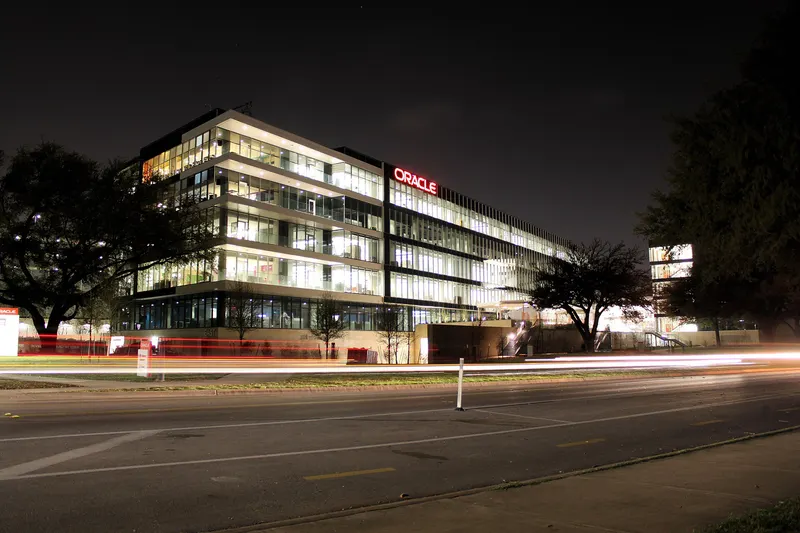
AI Demand Is Proven. Now the $70 Billion Bill Comes Due
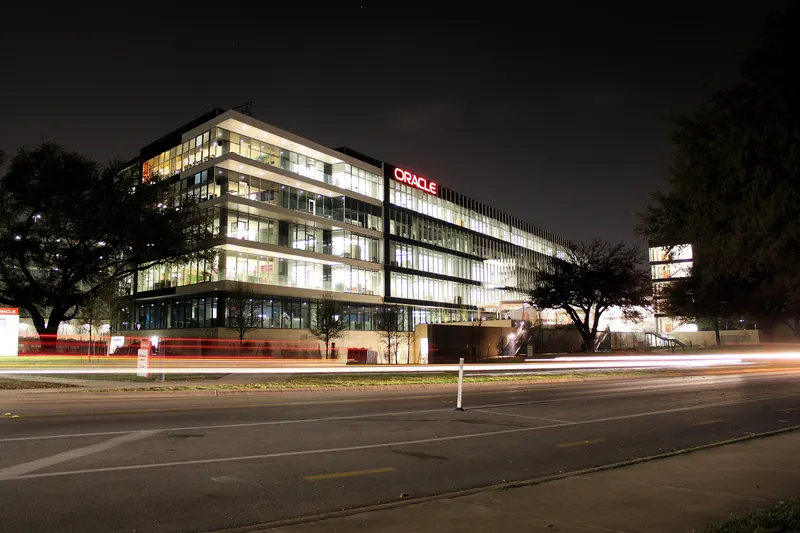
Oracle posted $19.3 billion in quarterly revenue and spent $28.5 billion on capex. The real question for the AI buildout is no longer whether demand exists, but how fast this spending turns into cash.
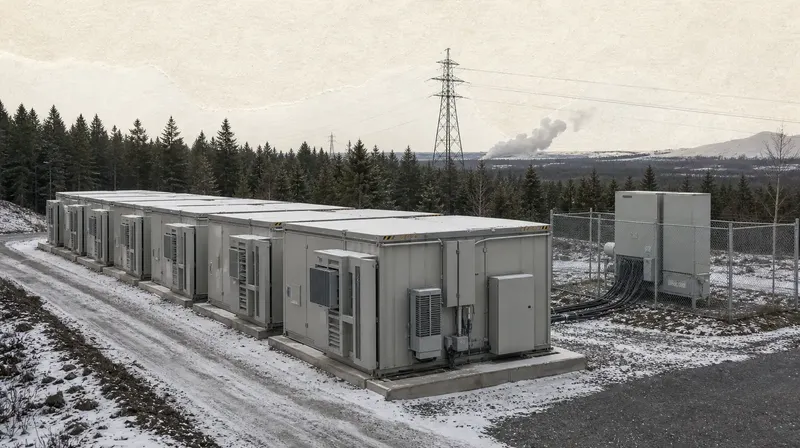
Why Google Bought 22 Years of Electricity Before More AI Chips
Even with money for GPUs, AI cannot run without power. Google's 13 billion euro bet on Finland points to a bigger shift than data center expansion: the AI bottleneck is moving from compute to electricity.
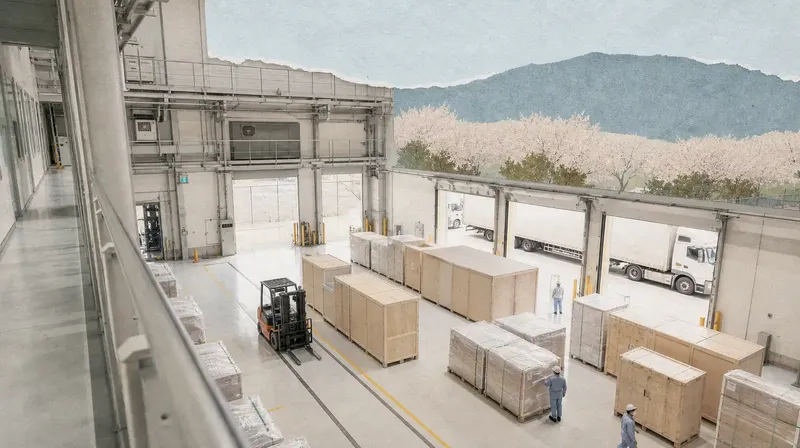
AI Raises Prices While It Is Being Built, and Lowers Them Only Once It Is Used
The buildout is pulling in chips, power, land and construction labor all at once, and that pushes prices up. The disinflation shows up later, if the tools actually change how work gets done.

Why Meta jumped 6.5%: Muse is the first price tag on AI compute
Muse is not a big revenue line yet. But in a capex race running toward $145 billion a year, it is the first product-shaped answer to the question every AI investor is asking: how does this money come back?
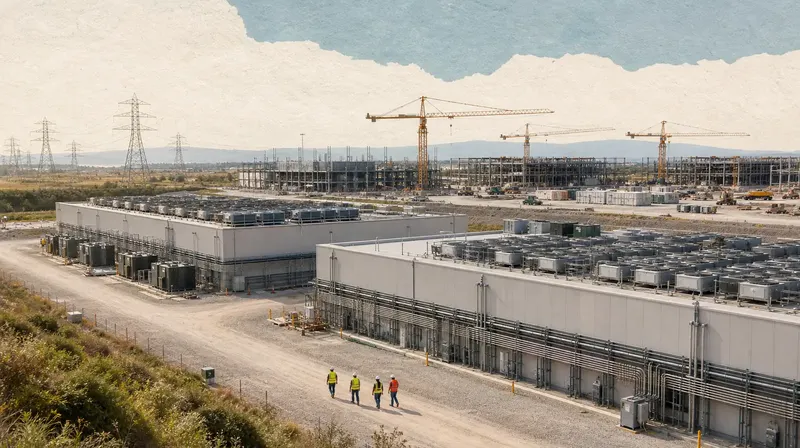
The industry wins, the shareholder loses: AI's most awkward scenario
The biggest risk in AI is not that the technology fails. It is that AI works, spreads through the economy, and still destroys returns because too much capacity gets built. The internet succeeded. Plenty of dot-com investors did not.
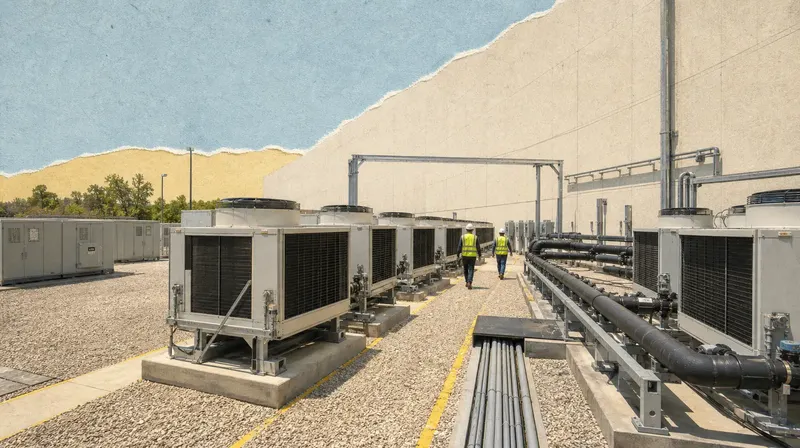
The money in AI runs two ways: one company pays for the power, the other sells it
Meta barely sells AI as a product. It recovers the value inside ad prices and time spent. Vertiv builds no models at all, and sells the power and cooling gear that keeps GPUs running. One side spends the capex. The other side books it as revenue.
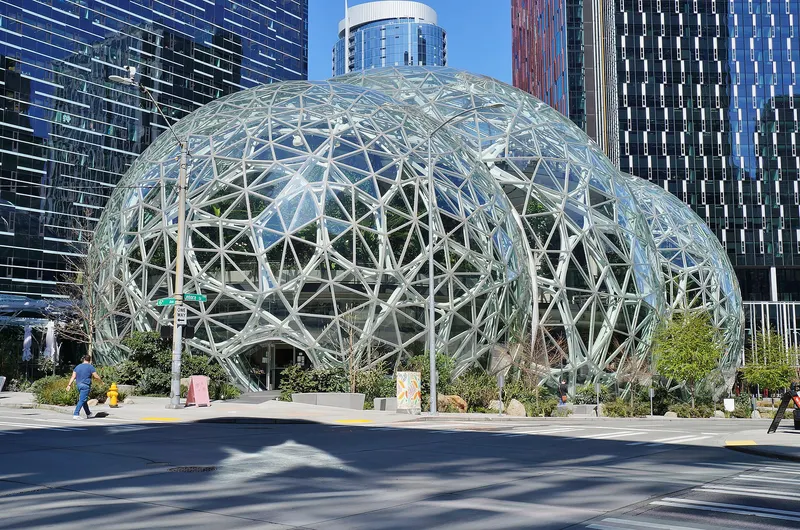
Same cloud, three different ways to earn the money back
Microsoft, Alphabet and Amazon are all spending enormous sums on AI infrastructure. The route each one takes to recover that capital is not the same, and that is what decides the winner.
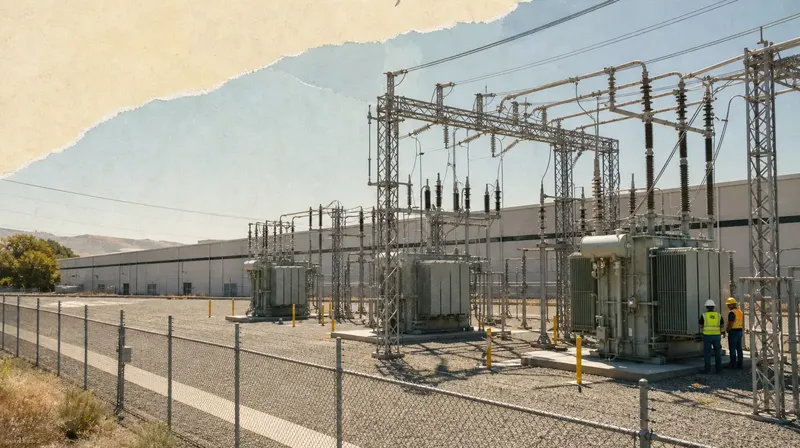
AI is no longer competing on intelligence. It is competing on leftover cash
The race for better models continues, but the industry's center of gravity has moved. The question now is who can turn enormous data center and power spending into revenue and cash flow.
Nothing featured in this section yet.
Enter the email address where we should send the newsletter.