AI Was Supposed to Replace Workers. Why Are Electricians in Short Supply?
The AI data center building boom is exposing a bottleneck beyond GPUs and power: skilled labor.
ChatGPT Is Weightless. The Data Center Behind It Is Not
AI is usually described as a technology that replaces people. Right now, though, building AI actually requires more people, not fewer.
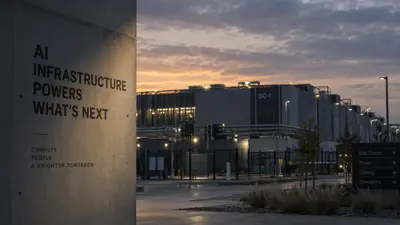
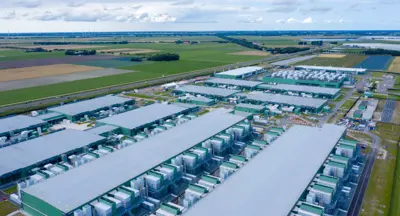
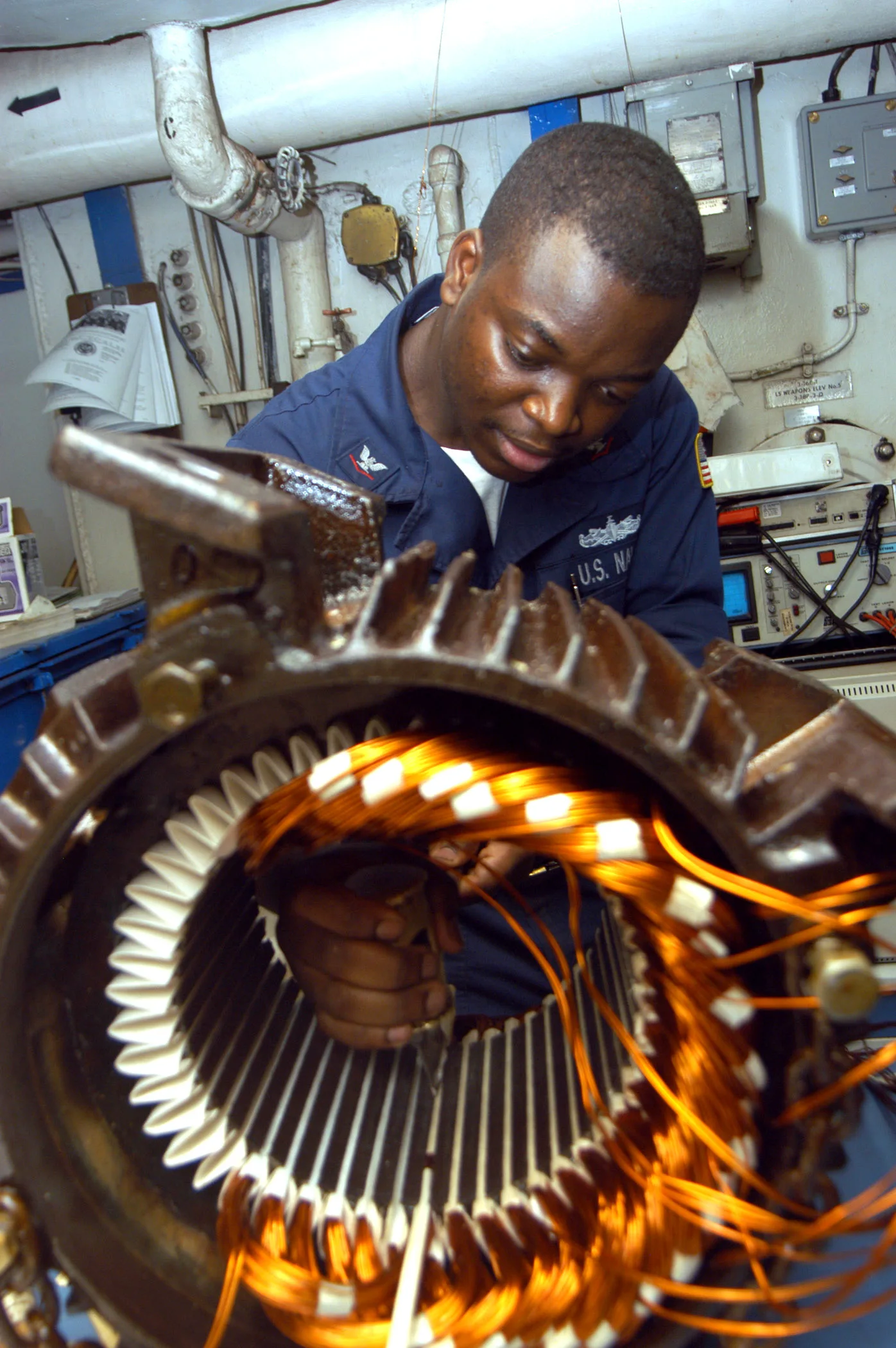
ChatGPT on your screen has no mass. But behind it sits concrete, steel, copper, transformers, cooling systems, fiber optic cable, generators, and hundreds of thousands of GPUs. And behind all of that are the people who install, wire and inspect every piece of it.
According to Reuters Breakingviews, the data center construction boom driven by hyperscalers like Amazon, Microsoft and Alphabet has pushed project pipelines to roughly 158 gigawatts in the United States and about 66 gigawatts in Europe. Some estimates suggest related spending by these companies could reach close to 3% of annual US GDP in 2027-2029.
The problem is that the construction industry's capacity to supply labor is not growing anywhere near that fast. Construction employment across 15 OECD countries is about 2 million lower in 2025 than it was in 2008. Over the same period, total employment across those economies grew by 53 million. The AI investment boom has run into a skilled labor pool that was already thin.
Why the Bottleneck After GPUs Is People
The bottleneck in AI infrastructure has moved one step at a time. First it was GPUs. Then it was high-bandwidth memory and advanced packaging. Then it became power, transformers, grid interconnection and permitting. Now that construction crews are ready to break ground, the shortage is skilled labor.
Economically, this kind of labor supply is inelastic. Raising wages does not double the number of electricians or construction managers available next month. Electricians typically need apprenticeship training and licensing, and project managers for large data centers need experience running complex power, cooling and safety workflows simultaneously.
The US Bureau of Labor Statistics projects electrician employment will grow from 821,000 in 2025 to 896,900 by 2035, a 9.2% increase, with an average of 72,700 job openings a year. Construction managers are expected to grow at a similar pace, from 609,100 to 664,300 over the same period, a 9.1% increase.
When demand outpaces supply, prices move first. Reuters cited cases of skilled workers moving to data center projects and receiving pay increases of 25% to 30%. This workforce is not new. Much of it is simply shifting over from other projects, including housing, factories and transportation infrastructure.
The Same $100 Billion Can Buy a Different Number of Gigawatts
This is the part investors need to watch. A bigger capex number does not translate into data center capacity growing at the same rate.
As electrician wages and construction costs rise and build times stretch out, the same $100 billion buys less actual computing capacity than before. The point at which a planned 10 gigawatts becomes 10 gigawatts of revenue-generating capacity also gets pushed further out.
That is why AI investment needs to be judged not by how much is spent, but by how much capacity is actually up and running. Securing land, getting permits, connecting to the grid, finishing construction, installing cooling systems, racking the GPUs, and finally energizing the site: only after all of that does capacity become real AI compute.
An announced 100 gigawatts and an energized 100 gigawatts are not the same number.
Insight Times Editorial Desk