AI Data Centers' Next Bottleneck Isn't Compute. It's Moving Data
Marvell and GlobalFoundries are expanding capacity for optical semiconductors used in AI data centers. As GPU counts climb, what matters most is no longer the speed of a single chip but how fast and how cheaply data moves between tens of thousands of them.
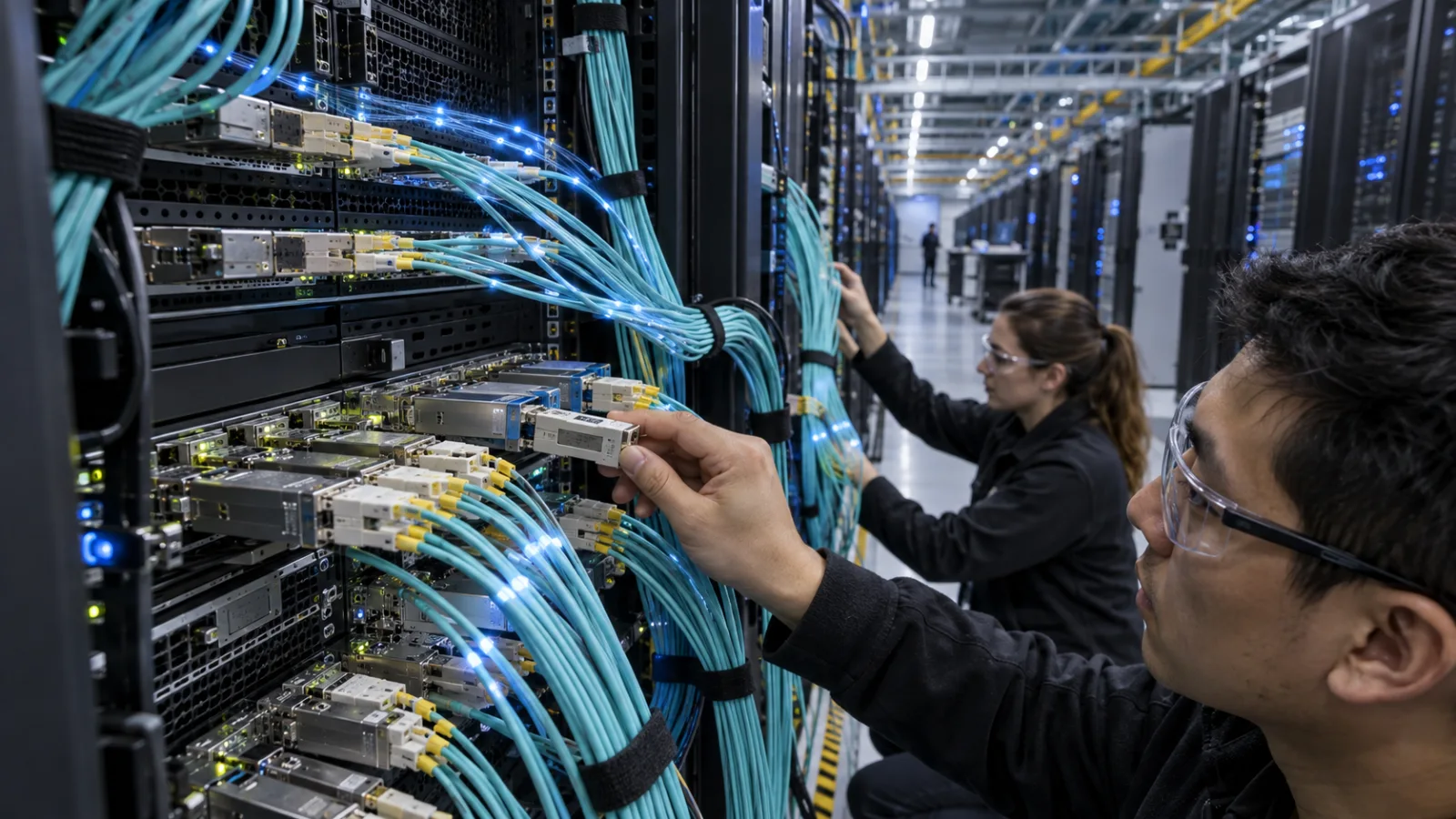
The more GPUs you add, the more light matters
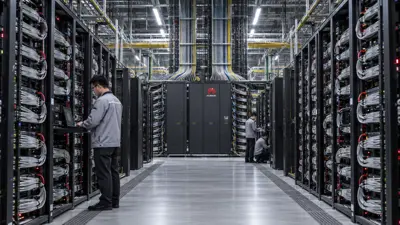
An AI data center today behaves less like a room full of servers and more like one giant computer. Tens of thousands of GPUs need to exchange data constantly to run training and inference together. No matter how fast the compute is, if the network chokes, those GPUs sit idle and the utilization on very expensive hardware drops.
That is why the AI infrastructure race does not end at the GPU. If HBM eases the memory bottleneck inside a GPU, high-speed Ethernet and optical interconnects ease the bottleneck between servers, racks, and data centers. As clusters scale up, this "cost of movement" increasingly decides overall system performance and power efficiency.
The bottleneck keeps shifting:
More GPUs → More data movement → Higher network bandwidth needed → Rising demand for optical semiconductors
What actually changed in this deal
Marvell and GlobalFoundries are expanding high-performance silicon germanium (SiGe) production capacity at GlobalFoundries' Burlington, Vermont, fab. SiGe is used in high-speed optical semiconductors because of its strong high-frequency characteristics, signal integrity, and power efficiency. GlobalFoundries said it currently supports 200G-per-lane connections and is extending its roadmap to faster generations.
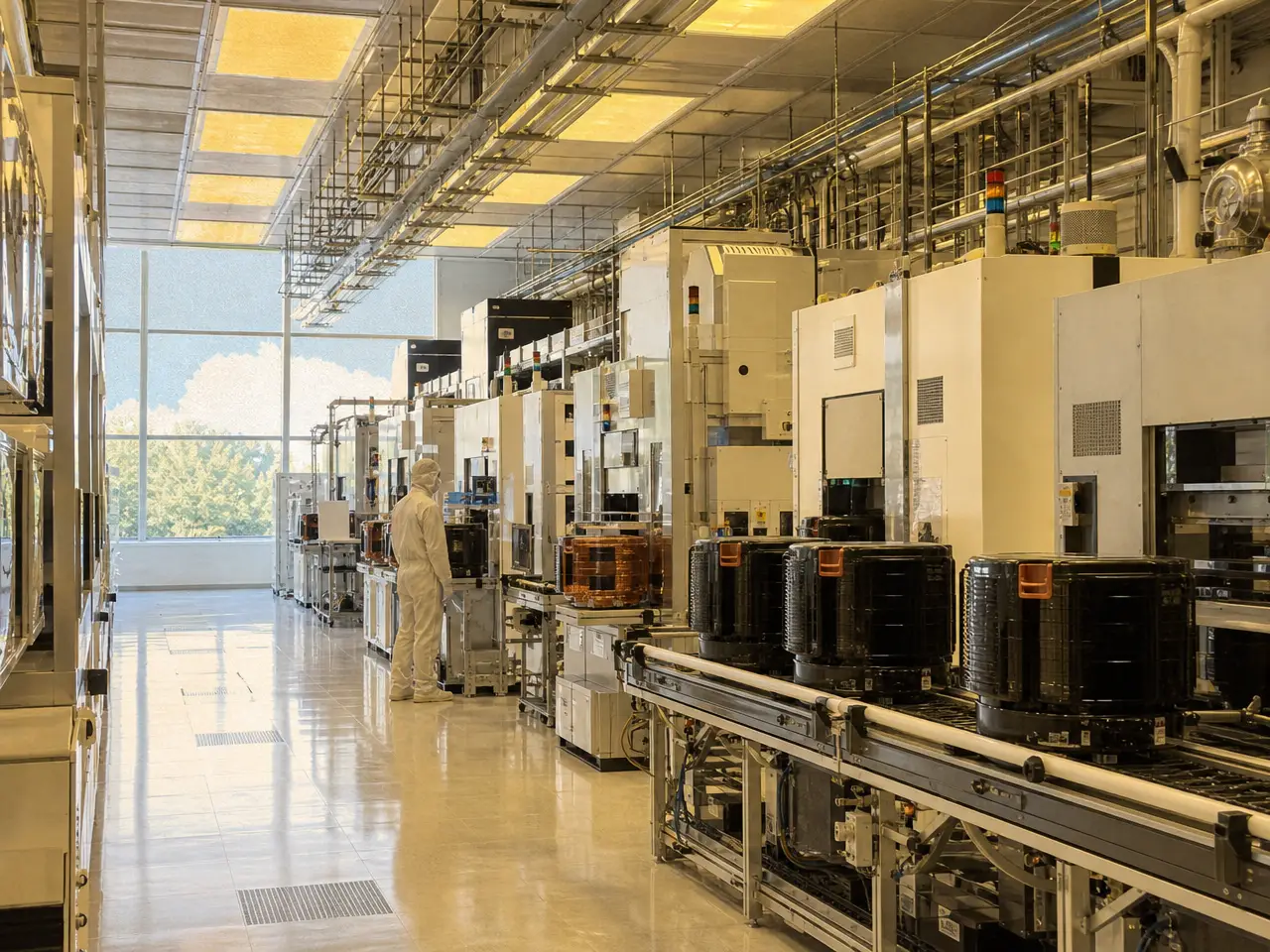
The expanded capacity covers not just existing pluggable optical transceivers but also Near-Packaged Optics (NPO) and Co-Packaged Optics (CPO). CPO in particular places the optical engine closer to the switch or compute chip, shortening the distance an electrical signal has to travel. As AI clusters grow larger, that becomes more valuable because it cuts power draw, heat, and signal loss.
An important caveat: the two companies did not disclose the expansion in wafer volume or dollar investment, and did not say when the added capacity fully comes online. The phrase "significant capacity" points to direction, but it is not yet a number that belongs in an earnings model.
For Marvell, this is already showing up in the numbers
The announcement matters because optical interconnect is no longer a small side business. According to Marvell's fiscal 2026 disclosures, data center revenue made up roughly three-quarters of total revenue and topped $6 billion. Within that, optical interconnect accounted for about half, and it has grown at roughly 50% a year on average over the past five years.
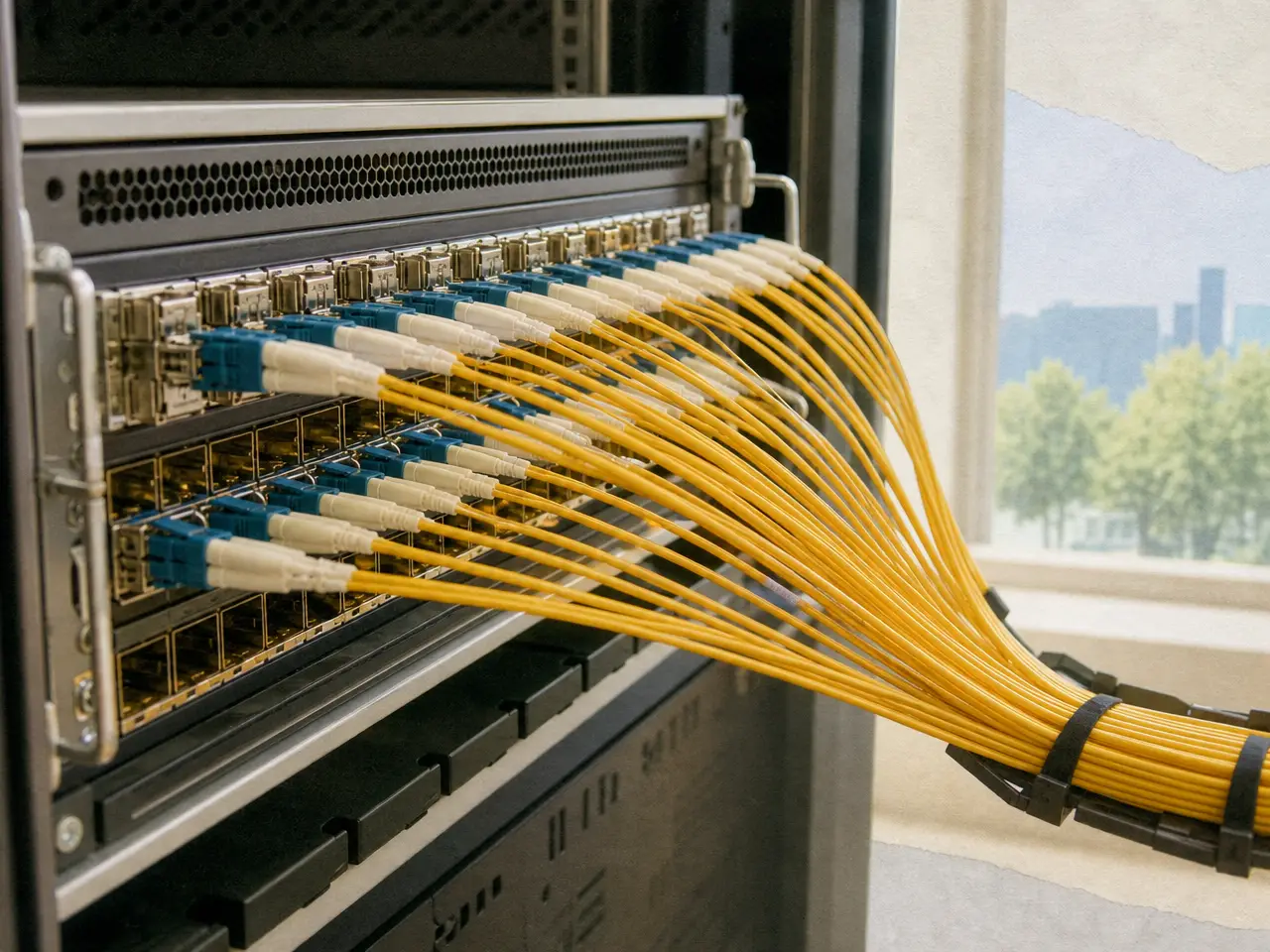
Marvell also posted fiscal 2027 first-quarter revenue of $2.418 billion, up 28% year over year. The company said AI-related bookings are very strong and raised its revenue outlook for fiscal 2027 and fiscal 2028. It pointed to 800G and 1.6T optical interconnects, 51.2T Ethernet switches, NPO and CPO, data center interconnect, and custom XPUs as growth drivers.
Key numbers:
- ~75% — share of Marvell's fiscal 2026 revenue from data center
- ~50% — share of data center revenue from optical interconnect
- ~50% — average annual growth rate of optical interconnect over the past five years
The way investors read the AI supply chain needs to widen too
For a while, AI semiconductor investing came down to one question: how many GPUs is Nvidia selling. That number alone is no longer enough. As the count of accelerators rises, HBM, Ethernet switches, optical DSPs, transceivers, silicon photonics, power equipment, and cooling all have to scale up together to complete a single AI system.
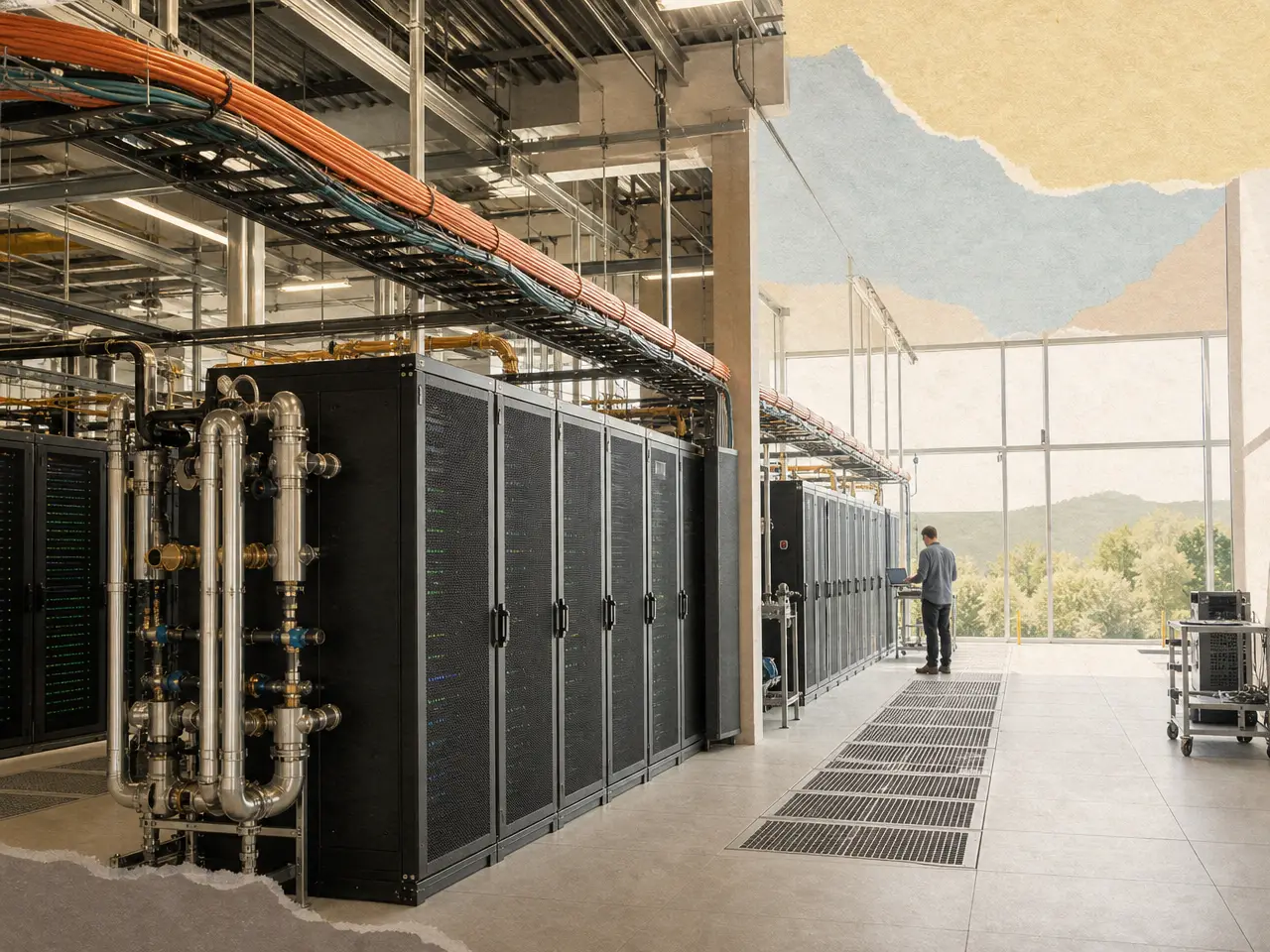
Optical components carry a lower unit price than GPUs, but the number of ports and links that need connecting is rising fast. That is why building a bigger AI cluster is no longer just a project to buy more GPUs. It has become a project to expand connecting infrastructure at the same time. The Marvell-GlobalFoundries deal shows that this shift is moving past the design stage into the stage of actually securing production capacity.
Insight Times Editorial Desk