Semiconductors
The whole business of designing, fabricating and testing chips. Designers, foundries, equipment makers and memory suppliers each earn money in a different
Alibaba's 20GW Bet Shows China's AI Race Is Now About Power, Not Just Models
Five to ten trillion parameters, a 500,000-chip cluster and 20 gigawatts of data center capacity. Alibaba is betting that owning the full stack, from models to chips to power, matters more than any single number.

Meta +11%, ARM +17%, Nasdaq +2.26%: AI Agents Ignite a Chip Rally
Meta's consumer AI agent Muse hit No. 1 on the App Store, and the market started repricing AI demand. This time it wasn't just GPUs. CPUs, memory, networking and chip equipment all moved. But Treasury yields and oil are still too close to the line to call this a new trend after just one day.
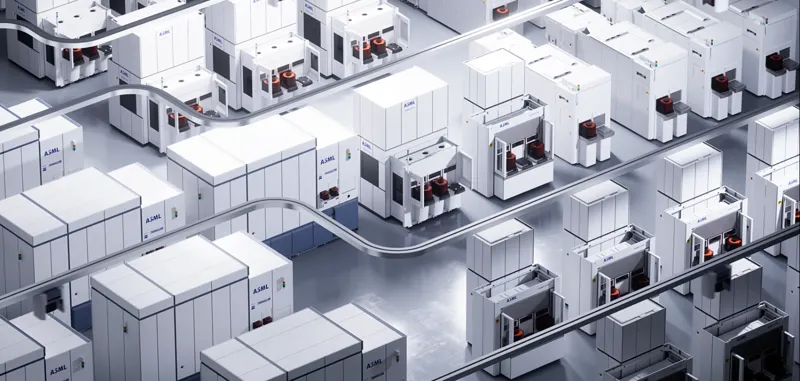
The Real ASML Number Isn't the 3% Pop, It's the 30% Capacity Hike
ASML's rally isn't just an AI trade. Customers are already locking in 2027 tool slots, and ASML is raising Low-NA EUV capacity by roughly 30% to keep up.

US Stocks This Week: Re-Pricing AI Between 5% Yields and $100 Oil
With the Fed having just hiked again, the 10-year near 5% and Brent near $100, markets are asking whether AI's growth can outrun the cost of capital, and a Thursday US-China summit adds another variable.

For 2027 Investing, You Don't Need a Prediction. You Need Alignment
A new book on 21st-century investing raises a sharper question than "what to buy": are you positioned where capital, demand and bottlenecks are actually moving?
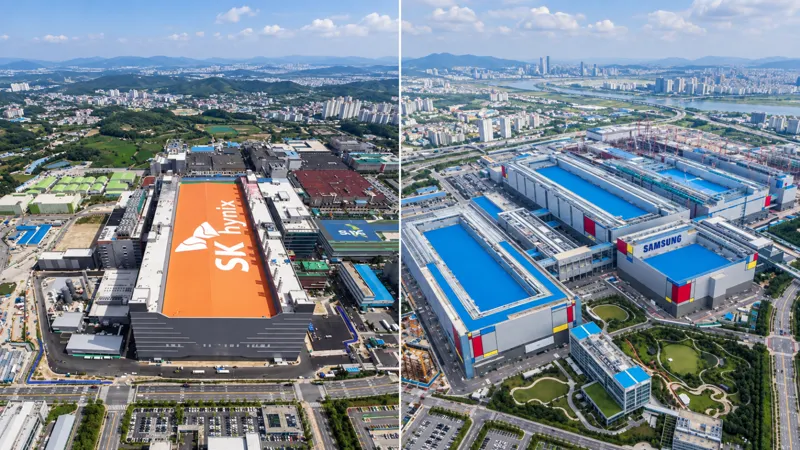
A 2027 Playbook: Stop Watching the Business Cycle, Start Watching Where the Money Flows
A new Korean economics book, "The Reverse Flow of Money," argues that interest rates still act like gravity on every asset, but AI and chips are pulling in capital strong enough to defy it. For investors, the question is not the average growth rate but where that money goes, and where it eventually turns into cash flow.

Your Portfolio Doesn't Need a Reset. It Needs a Rule for the Next Dollar
Rebalancing sounds like a professional's craft, but the actual job for individual investors is simple: set a target, move only when you have drifted too far, and use new money before you sell.

The 10-Year Hit 5%. Semiconductors Rallied Anyway.
AI chips held up even as the yield ceiling pressed down. But the real story isn't the index gain, it's how narrow the rally was. Wall Street isn't buying every growth stock right now. It's buying only the names with enough earnings visibility to outrun a higher discount rate.
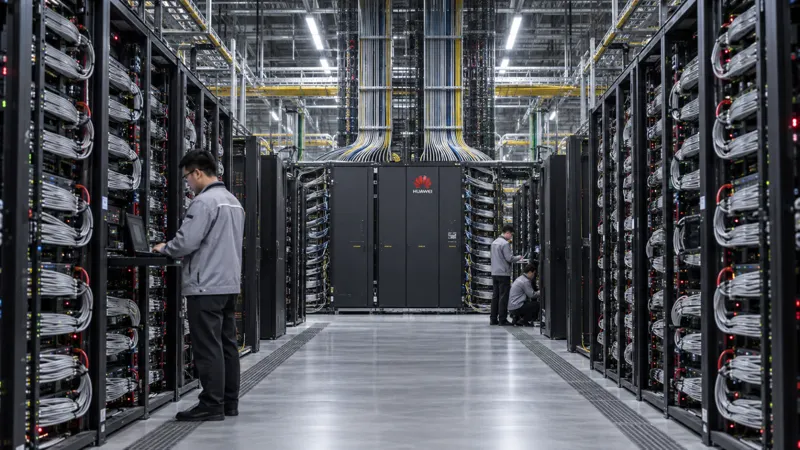
What Happens When You Link a Million Chips Slower Than Nvidia's
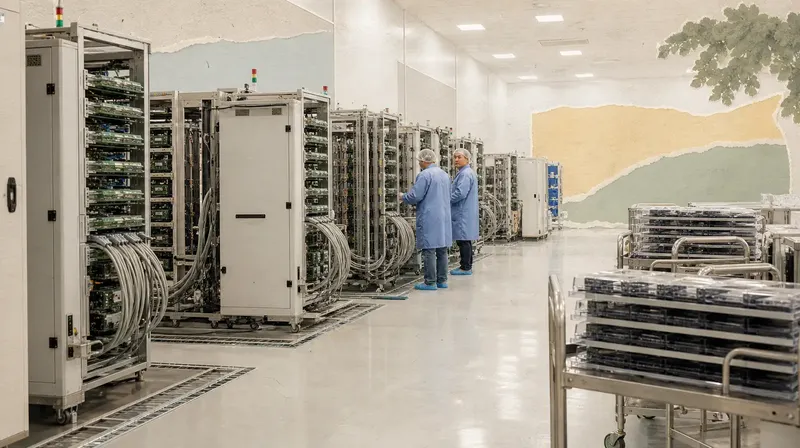
Huawei's answer to Nvidia is not a faster chip. It is tying together up to a million processors so they act as one machine, a bet that the real unit of competition in AI chips is shifting from the chip to the system.
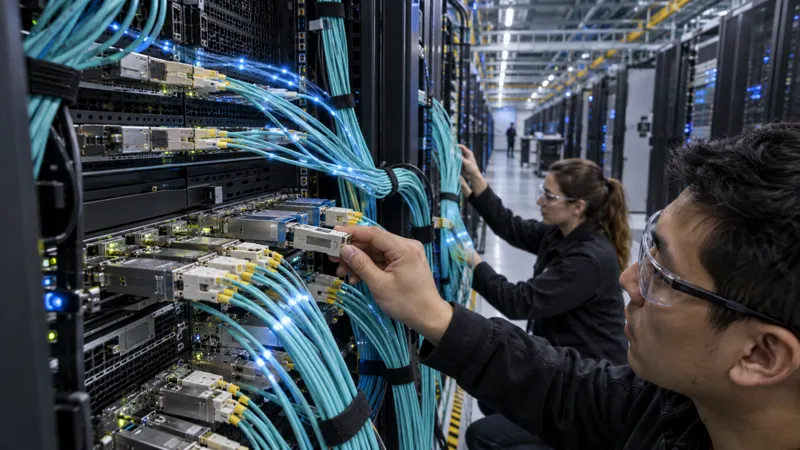
AI Data Centers' Next Bottleneck Isn't Compute. It's Moving Data
Marvell and GlobalFoundries are expanding capacity for optical semiconductors used in AI data centers. As GPU counts climb, what matters most is no longer the speed of a single chip but how fast and how cheaply data moves between tens of thousands of them.
Altman Called for AI Pacing, Now Preps a Launch Blitz. The Contradiction Isn't the Point
OpenAI has teased a major release this week and a run of announcements at its September 29 DevDay, just two days after Sam Altman appeared to back the case for slowing frontier AI down. What matters for investors isn't whether his words line up. It's whether AI capital spending is shifting from massive pretraining runs toward large-scale inference and agent deployment.
AI's Biggest Power Draw May Not Be Training. It Could Be Everyday Use
Anthropic's 2.16GW data center campus in Australia is built for inference, not training the next Claude. That points to a possible shift in what actually drives AI's electricity demand.

Musk's Real AI Strategy Isn't the Model, It's a Chips-to-Space Physical Stack
On the All-In Summit stage, Elon Musk and Gwynne Shotwell laid out AI peer review, Terafab, Starship, and orbital data centers as if they were separate topics. Strung together, they reveal Musk betting the AI race is decided less by who builds the smartest model and more by who can deploy intelligence at the lowest cost and largest scale.

AI Slowdown Fears Hit Chips as the 10-Year Treasury Yield Finally Broke 5%
The S&P 500 fell just 0.48% while semiconductors collapsed 5.86%. What matters is not how much the index dropped, but what the market chose to sell first: the AI-pace debate hit chip earnings expectations, and the 10-year Treasury's push past 5% raised the discount rate applied to those expectations.
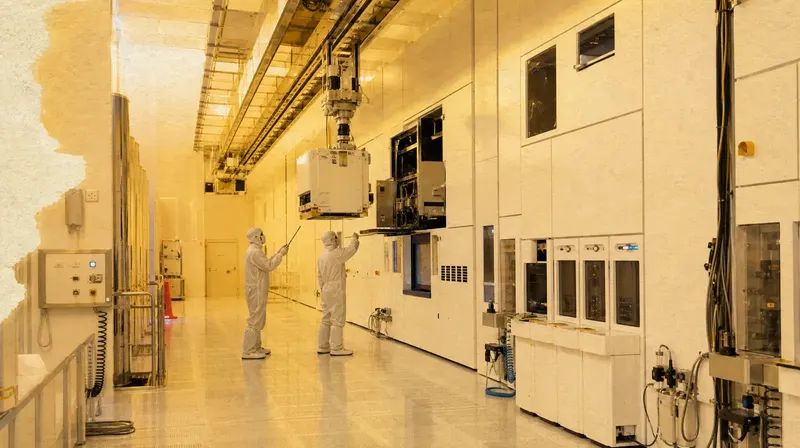
A $400 Million Machine Is Deciding the Future of AI Chips
Nvidia has AMD. TSMC has Samsung and Intel. But when any of these rivals need to shrink transistors further, they all end up at the same company's door. That is why ASML's grip on the bottom layer of the AI chip stack keeps getting tighter.
InsightTimes
뉴스 뒤의 질문.
오늘 알아 둘 가치가 있는 것을 골라, 왜 중요한지 쉽게 씁니다.
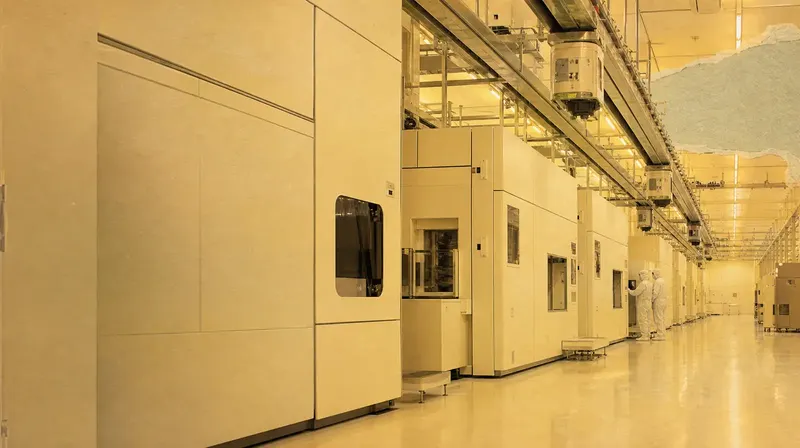
Who Hits $1 Trillion Next: Reading AMD and ASML by Different Rules
One company is chasing Nvidia's GPU empire. The other sells the machine that draws the chips for every advanced chipmaker, including Nvidia. Both get floated as 2028 trillion-dollar candidates, but the numbers investors need to watch are entirely different.
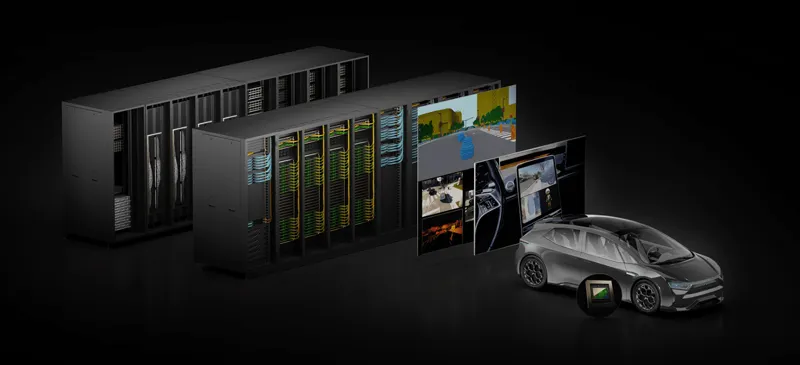
Who Becomes the Windows of the Self-Driving Era?
Hyundai just pushed back its own autonomous driving timeline and turned to Nvidia first. The real story is not the delay, it is Nvidia's bid to become a common platform across the entire auto industry, not just a chip supplier.
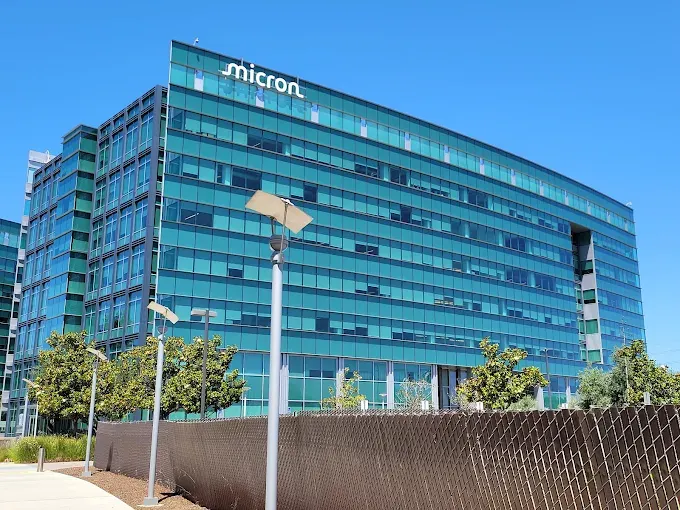
AI's Bottleneck Isn't One Chip Anymore
Huawei's AI accelerator prices jumped because of HBM costs, Amazon built a deal worth up to $60 billion with Qualcomm, and OpenAI pulled financial data and workflows into ChatGPT. Three different stories point to one shift: AI investment is no longer just about buying more GPUs.
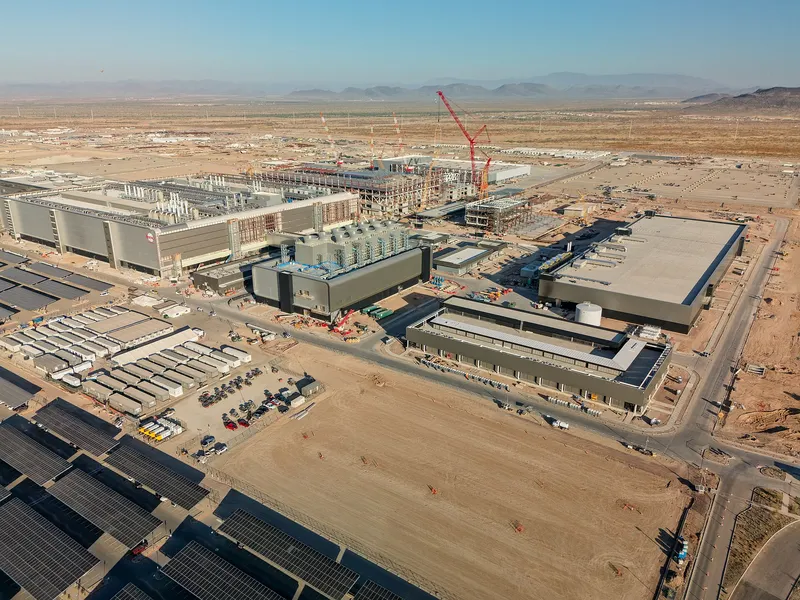
TSMC's August number that matters is not 53%. It is September's threshold
TSMC posted its first month above NT$500 billion. The useful reading is not the growth rate but what September revenue has to be to hit the top of third-quarter guidance, and whether AI demand is still alive on the factory floor.

Oil at 100 Dollars Wakes the Fed Again: US Stocks Fell on Rates, Not Earnings
Brent pushed past 101 dollars and the US 10-year yield hit 4.84%. Meta jumped 6.55% and all four indexes still closed lower. The story of September 9 was the price of money, not the price of profits.
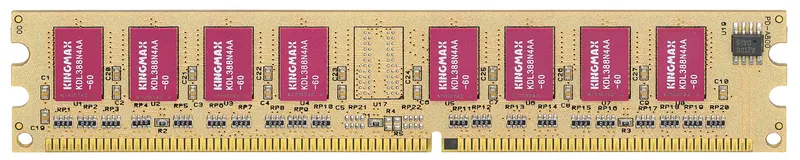
A 3x P/E is not a discount. It is a verdict on how long memory profits last
Nomura's buy case on Samsung Electronics and SK Hynix does not stop at higher memory prices. It argues that if AI has turned memory from a cyclical component into strategic infrastructure, the formula the market uses to value both companies has to change too.
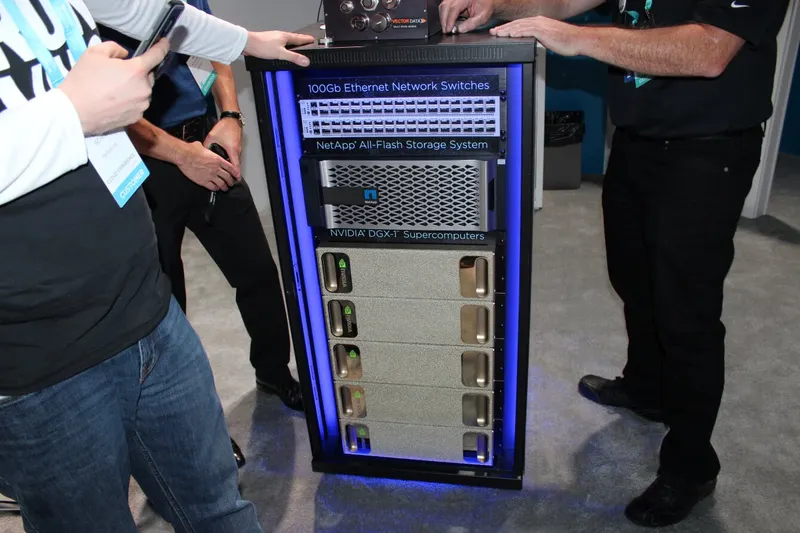
Same AI Boom, Three Different Ways to Make Money
NVIDIA defends a platform standard, Broadcom builds custom silicon for a handful of giant customers, and Micron converts a memory bottleneck into margin. Growth rates say less than how long each kind of scarcity lasts.
AI ran out of memory before it ran out of GPUs
The HBM bottleneck is spreading into DRAM prices, server costs and the price of the next laptop or phone.
Nothing featured in this section yet.
Enter the email address where we should send the newsletter.