Jobs Cooled, Yields Rose, and Only Chip Equipment Stocks Rallied
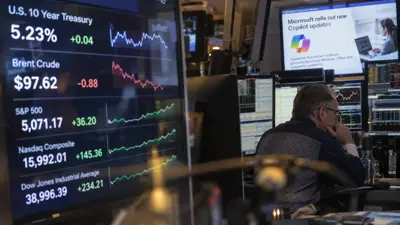
The S&P 500 slipped 0.17% on Sept. 29 while SOXX gained 1.19%. Investors did not abandon AI. They appear to be picking the AI names that can live with high rates.
The problem is not a slowdown. It is that yields did not come down
September consumer confidence fell 6.7 points, from 88.6 to 81.9. That is the lowest reading since 2014. August JOLTS job openings also fell, to 7.079 million. When consumer sentiment and labor demand cool together, bond yields usually fall and the discount-rate burden on growth stocks eases. That is the familiar path.
Sept. 29 went the other way. The 10-year yield hit 5.293% intraday and the 30-year reached 5.6206%. New York Fed President John Williams said there was no need to rush into further hikes, and yields eased from their highs late in the session. The high level of long-term yields did not change.
- S&P 500: 7,670.84, down 0.17%
- 10-year yield: 5.293%, near its highest since 2007
- 30-year yield: 5.6206%, the highest since 2002
That mix is hard for equities. Earnings expectations fall while discount rates stay high. One day of price action cannot show that the US economy has entered stagflation. What the market shows so far is that it has started to charge a higher premium for a scenario in which slowing growth and high inflation risk coexist.
AI did not break. Money moved within AI
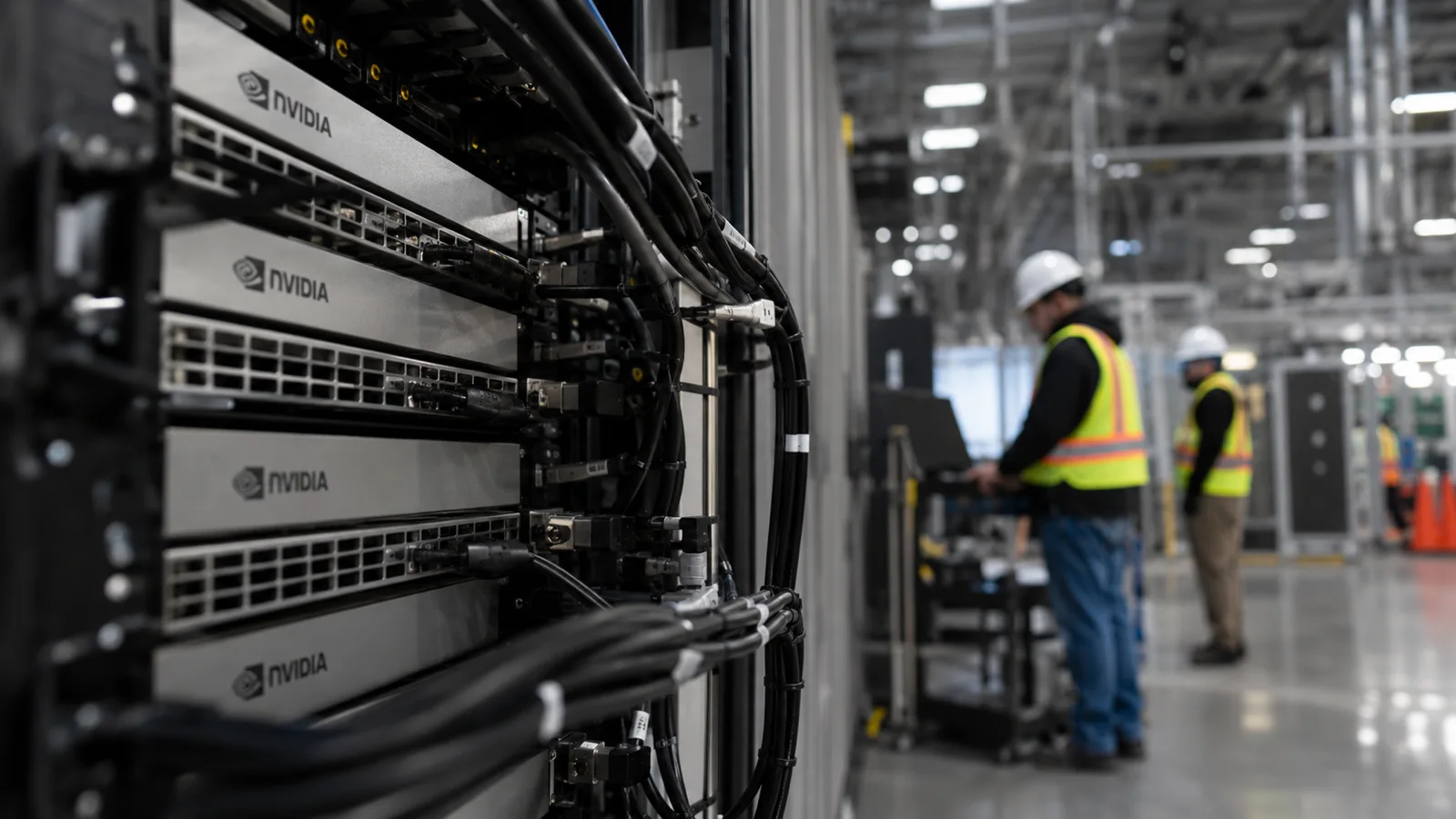
The bigger signal came from inside semiconductors. SOXX rose 1.19% to 567.44. Applied Materials gained 5.19%, ASML 3.56% and Lam Research 2.99%. Broadcom, Micron and TSMC also rose. Nvidia fell 0.72%.
That gap does not say the AI investment story is over. A more likely reading is that the market is sorting the AI investment cycle more finely. Once GPUs have been supplied at scale, the next stage brings spending on equipment and processes that add capacity: HBM, foundry, advanced packaging, etching and deposition, and lithography.
| Asset / stock | Sept. 29 | Signal to read |
|---|---|---|
| SOXX | +1.19% | Chips held relative strength in a weak index |
| Applied Materials | +5.19% | Expectations for AI capex and advanced-process spending |
| ASML | +3.56% | Expectations for leading-edge investment growth |
| Lam Research | +2.99% | Demand for memory and foundry process equipment |
| Nvidia | -0.72% | Leader premium reset under high rates |
The key question for investors shifts too. It becomes less "is AI growing?" and more "who actually recovers that spending as revenue and margin?" With rates staying above 5%, current orders, cash flow and customer capex tend to be valued more than a distant total addressable market.
Tesla was hit by rates and regulation at once
Tesla fell 1.29% to $352.84. Higher long-term yields weigh on it twice. A higher discount rate lowers the present value of future growth, and auto loan rates raise buyers' monthly payments. The drop in consumer confidence is also unfriendly to demand for expensive durable goods.
European uncertainty over FSD added to the pressure. The chance for an EU-wide vote, originally set for October, has slipped to December at the earliest. On Sept. 29, a European transport safety body urged member states to reject approval, citing features such as Speed Offset.
Yet Croatia approved FSD (Supervised) the same day. So the takeaway is not a one-line "Europe approval failed." Country-level approvals are growing, but the path to a unified EU approval is slow. To judge how fast Tesla's high-margin software revenue can grow, investors should watch the EU regulatory timeline and actual customer activation rates, not just the number of approving countries.
Why Apple, Nvidia and Meta moved in different directions
Apple fell 2.66%, the weakest of the megacaps. One day's drop cannot be explained by consumer confidence alone, but premium hardware makers tend to feel both softer sentiment and high discount rates.
Nvidia fell 0.72%. There is too little evidence to read that as a collapse in AI demand, because other parts of the AI supply chain were strong the same day. Nvidia's next leg up would likely be more convincing if customers' AI capex proves durable and long-term yields stabilize together.
Meta rose more than 3%, a move that is hard to explain if the whole market had turned risk-averse. The day looks less like a tech selloff and more like one where prices split within tech by cash generation, valuation and visibility into AI monetization.
Insight Times Editorial Desk