S&P 500 Slips 0.22%, but 73% of the Market Fell
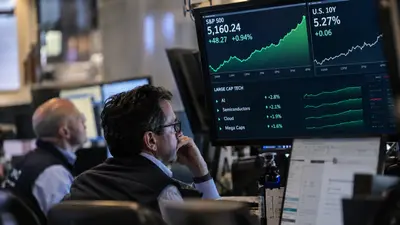
Long-term yields above 5% weighed on small caps and semiconductors on Oct. 7. A strong 10-year Treasury auction and a few large tech names limited the index's losses.
A routine -0.22% on the surface, something different underneath
The headline numbers look like an ordinary pullback. The S&P 500 fell 0.22% to 7,801.77. The Nasdaq fell 0.22% to 27,538.69. The Dow lost 0.66% and the Russell 2000 dropped 1.31%.
| Gauge | Move |
|---|---|
| S&P 500 | -0.22% (7,801.77) |
| Nasdaq | -0.22% (27,538.69) |
| Russell 2000 | -1.31% (small-cap pressure) |
| SOXX | -1.12% (chip weakness) |
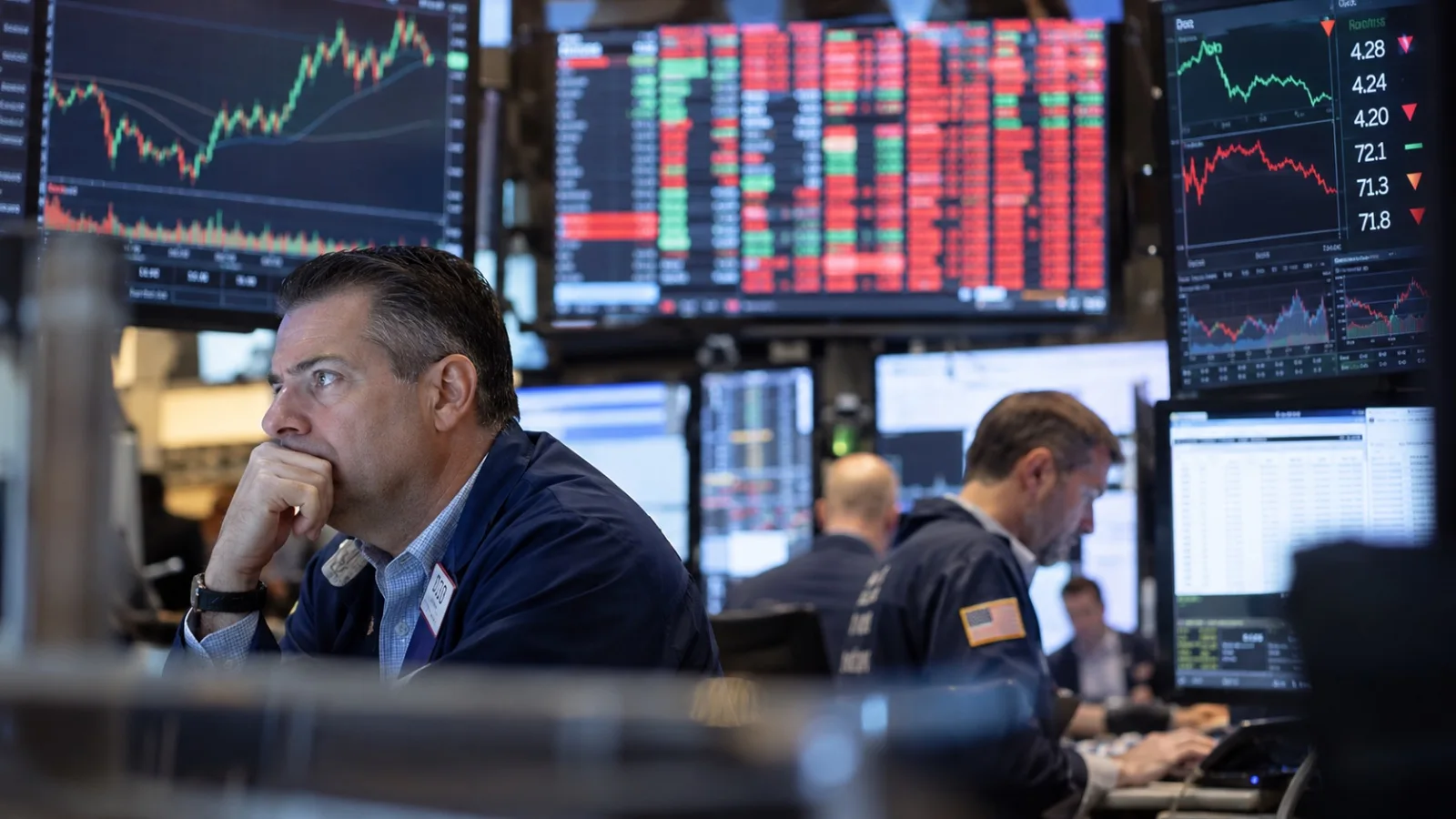
Beneath the surface, the tape was much colder. 73.4% of S&P 500 members declined, and 9 of the 11 major sectors fell. The index's 0.22% loss understated how the day felt.
The story was not a crash. It was narrow participation in the gains. A handful of large stocks propped up the index, but small caps and semiconductors did not join them. An index that holds up is not the same as a healthy market.
The 5% paradox: yields hit stocks, then drew Treasury buyers
Long-term yields set the tone early. The 10-year Treasury yield rose as high as 5.36% intraday, retesting a level rarely seen since the early 2000s. A higher discount rate lowers the present value of distant earnings, which is why richly valued growth stocks are sensitive. Small caps that rely on borrowing take a hit on funding costs at the same time.
An afternoon reversal followed. The $39 billion 10-year auction priced at 5.300% with a bid-to-cover ratio of 2.77. Indirect bidders took 80.3%. The supply cleared at a level below the market yield just before the sale, and the 10-year yield then eased to around 5.27%.
One point matters here. A yield above 5% is a burden for equities but an attractive return for bond investors. If yields climb too far, Treasury demand can build and slow the rise. Wednesday's session showed that line fairly clearly.
The absolute level of yields worries more than the Fed
The Fed minutes were hawkish. A majority of officials saw a need for further hikes this year. Even so, the market priced only a 17.2% chance of an October hike. Fear of an immediate increase at the next meeting did not explain all of the selling.
The bigger issue is the chance that the 10-year stays above 5% for a long time. Whether the Fed hikes once more matters less than whether the long-term funding costs that companies and investors actually face stay high.
Brent crude held above $100 a barrel, at $100.20. With Middle East risk and Gulf of Mexico weather adding to the mix, energy prices could slow disinflation. That is one link that could push long-term yields up again.
Semiconductors: a number that mattered more than the Nasdaq's -0.22%
SOXX fell 1.12%, roughly five times the Nasdaq's decline. The Russell 2000 lost 1.31%. Rate-sensitive areas were far weaker than the large-cap indexes.
There were differences within chips. Memory names such as Micron showed relative strength, while foundry, equipment and design stocks were broadly weak. Reading the day as a collapse in AI chip demand would be an overreach. It looks more like a pullback driven by profit-taking on recent gains and rate sensitivity at once.
| What to watch | Oct. 7 action | What it suggests |
|---|---|---|
| S&P 500 / Nasdaq | -0.22% / -0.22% | Large caps limited the index's loss |
| Russell 2000 | -1.31% | More exposed to high funding costs |
| SOXX | -1.12% | Rich valuations and profit-taking pressure |
| 10-year Treasury | 5.36% intraday, about 5.27% after auction | Real buyers appeared above 5% |
Insight Times Editorial Desk