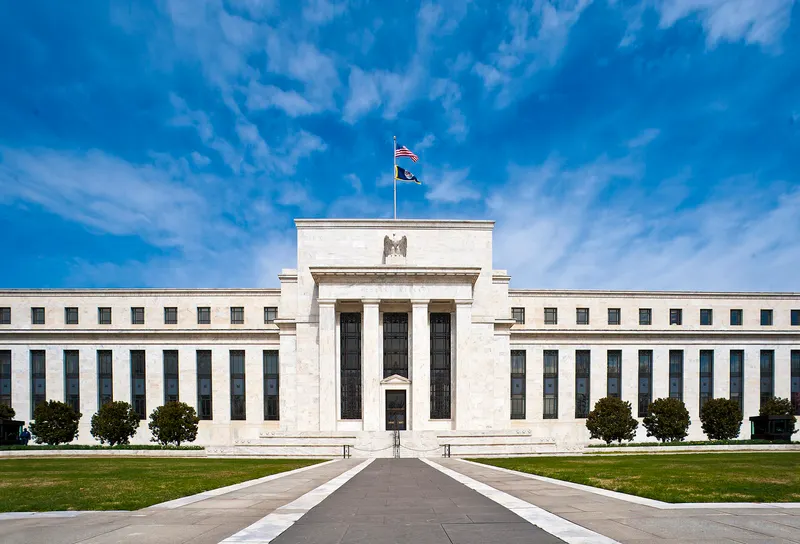
Federal Reserve (Fed)
The central bank of the United States, carrying a dual mandate — stable prices and maximum employment — with policy rates and its balance sheet as the tool

US Stocks This Week: Re-Pricing AI Between 5% Yields and $100 Oil
With the Fed having just hiked again, the 10-year near 5% and Brent near $100, markets are asking whether AI's growth can outrun the cost of capital, and a Thursday US-China summit adds another variable.

5% Rates and AI: This Week's Real Variables Are Oil and Cash Flow
The Fed hiked rates for the first time in three years even as core CPI cooled to 2.4% in August. The market's real question this week is not whether inflation has fallen, but whether an oil shock revives inflation expectations and long-term yields, and whether AI earnings are strong enough to survive 5% rates.

AI Survived a 5% 10-Year Yield - Now Wall Street Watches Bottlenecks, Not GPUs
The Fed hiked again and Treasury yields topped 5%, but chipmakers barely flinched. The market is starting to ask who controls memory, power and capital, and who can fund it with their own cash.

Why Elon Musk's 4% Growth Call Deserves a Serious Read
Musk says AI could double US GDP growth next year, from 2% to 4%. The number itself matters less than the idea behind it: intelligence turning from scarce labor into replicable capital. If that premise holds, the rules of economics and markets shift too.
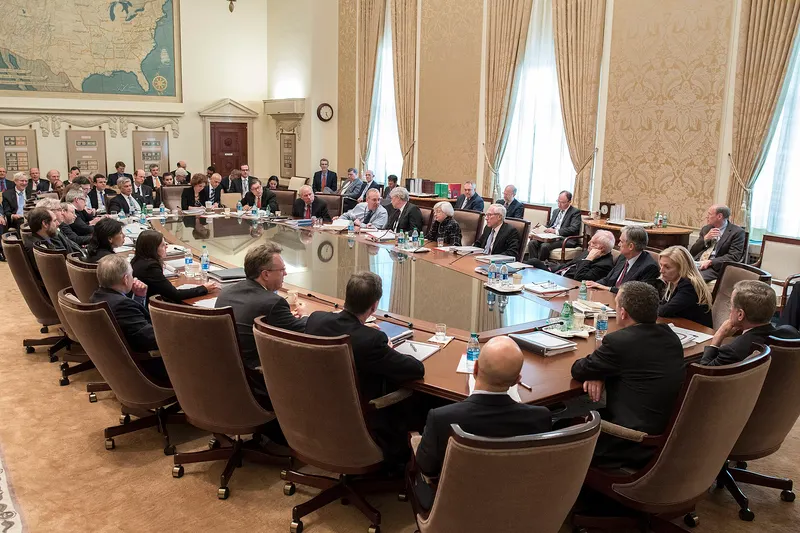
25bp Wasn't the Scary Part. Time Is - How September's FOMC Rewrote the Rate Path
The Fed raised rates for the first time in three years, but the bigger story for investors is how long elevated rates could stay in place, possibly through 2027.

It's Not Just Hormuz: Why the Middle East War Is Becoming a Fed Problem Again
The US-Iran ceasefire has already collapsed, and the risk no longer sits in the Gulf alone. With the Red Sea and Saudi Arabia's bypass pipeline now under threat too, an energy shock is spreading into prices, the Fed, and growth-stock valuations.

Rates Are Rising and Big Tech Is Holding. Here Is Why That Is Not a Contradiction
The 10-year yield tells you the price of money. It does not tell you how much money is left. Put the two together and the confusing headlines of the past three years line up into one picture.
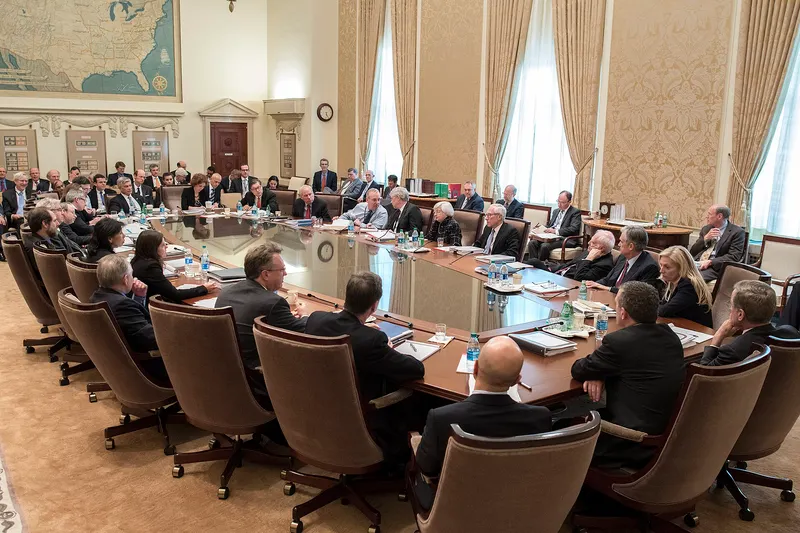
Oil at 100 Dollars Wakes the Fed Again: US Stocks Fell on Rates, Not Earnings
Brent pushed past 101 dollars and the US 10-year yield hit 4.84%. Meta jumped 6.55% and all four indexes still closed lower. The story of September 9 was the price of money, not the price of profits.

Why the Fed cannot cut: the triple lock of jobs, oil and AI
Inflation is not the only thing blocking a rate cut. A firm labour market, energy prices back on the rise, and an enormous AI investment cycle are each pushing up the floor under US interest rates by a different route.
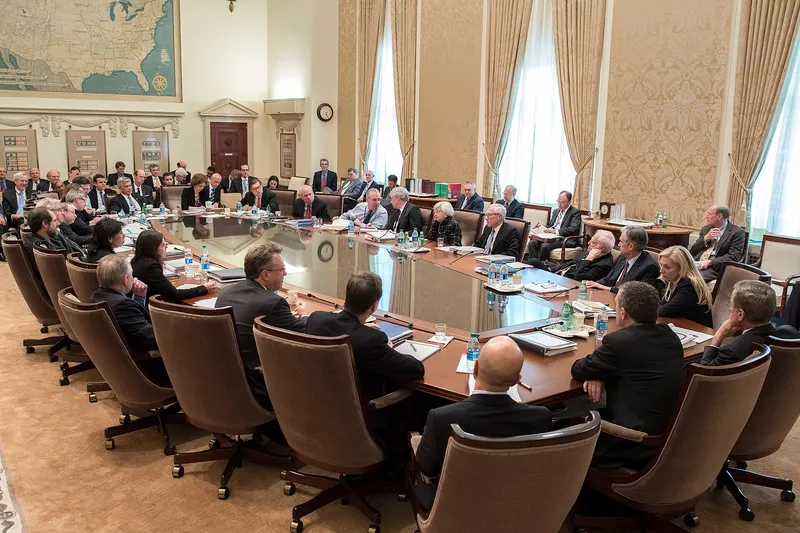
Waiting for rate cuts is how you miss the market
Since 2022 US equities have repeatedly broken the textbook link between high rates and falling stocks. The explanation is not the policy rate. It is the Treasury's checking account, T-bills, the RRP window and the capital expenditure bills coming out of data centers.
September or December? The Fed's next hike is bigger than one CPI print
August payrolls came in strong and July's job losses vanished in revision. The Fed's problem is no longer a collapsing labor market. It is how much to trust the recent cooling in prices.
Nothing featured in this section yet.
Enter the email address where we should send the newsletter.