It's Not Just Hormuz: Why the Middle East War Is Becoming a Fed Problem Again
The US-Iran ceasefire has already collapsed, and the risk no longer sits in the Gulf alone. With the Red Sea and Saudi Arabia's bypass pipeline now under threat too, an energy shock is spreading into prices, the Fed, and growth-stock valuations.
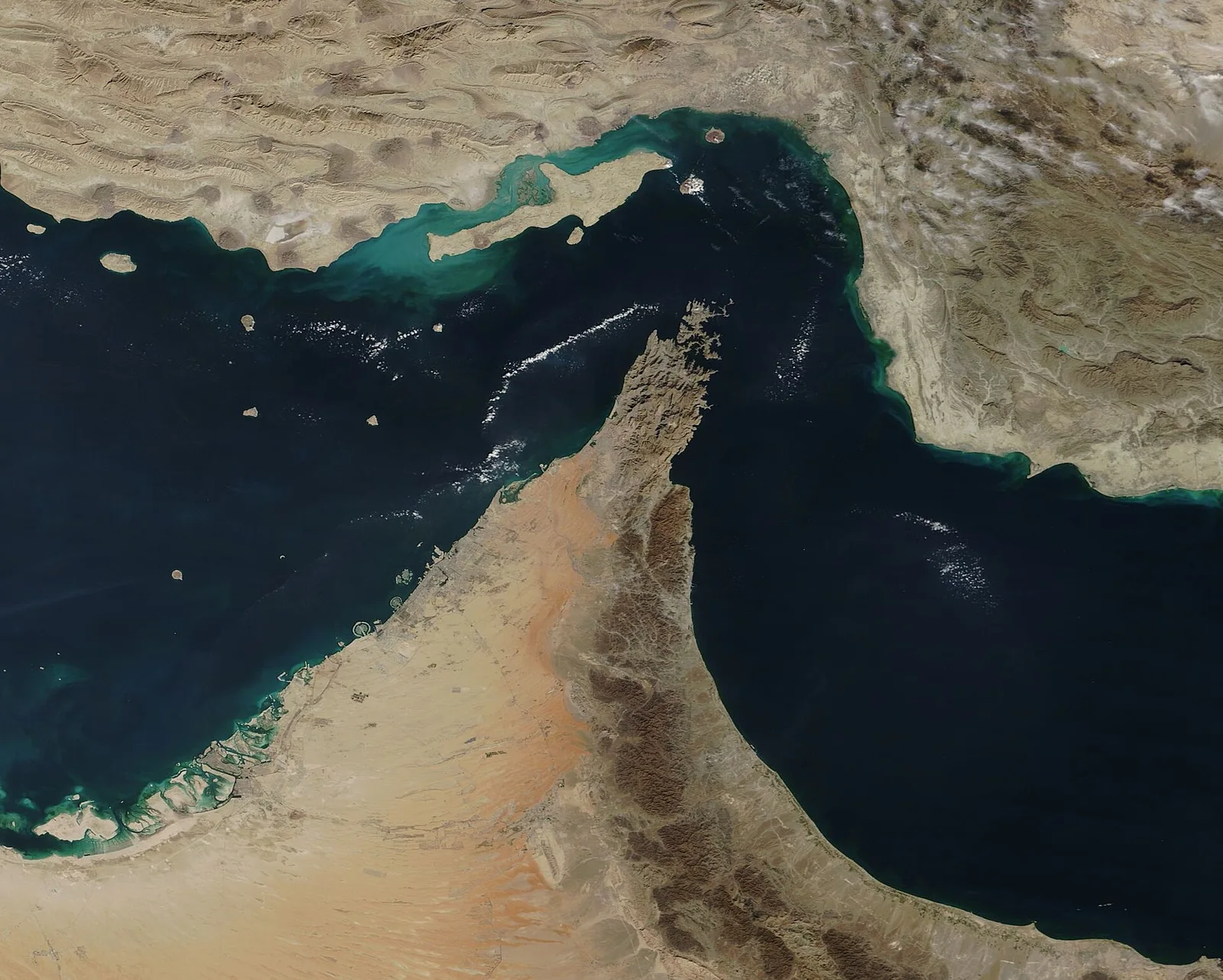
The core of this crisis isn't "war resuming." It's that the detours are disappearing.
On June 17, the United States and Iran halted full-scale fighting and signed a memorandum of understanding to negotiate a final deal over 60 days. The document covered a halt to military operations, safe passage for merchant ships through the Strait of Hormuz, a US lift of its blockade, and eased sanctions to allow Iranian oil sales. On paper, it looked like a substantial agreement.
But the design itself was fragile. The core issues, Iran's nuclear program and permanent sanctions relief, were pushed to later talks, and it was never fully settled who would enforce "safe passage" through Hormuz or by what standard. Attacks on shipping and US retaliatory strikes followed in cycles, and on July 10 President Trump declared the ceasefire over. In other words, the question now isn't whether the truce will break. It already has. The question is how the costs spread from here.
The numbers explain why markets are on edge
20.9 million barrels a day — crude oil and refined products that passed through the Strait of Hormuz daily in the first half of 2025, roughly 20% of global oil consumption.
4.9 million barrels a day — the volume passing through Hormuz in the second quarter of 2026, less than a quarter of prewar levels.
5 million barrels a day — the normal capacity of Saudi Arabia's East-West crude pipeline, which can be temporarily expanded to 7 million barrels a day if needed.
According to the US Energy Information Administration, crude and refined products moving through Hormuz averaged 20.9 million barrels a day in the first half of 2025. By the second quarter of 2026, that volume had collapsed to 4.9 million barrels a day. To fill the gap, Saudi Arabia leaned heavily on its East-West pipeline, which runs from Abqaiq in the east to Yanbu on the Red Sea.
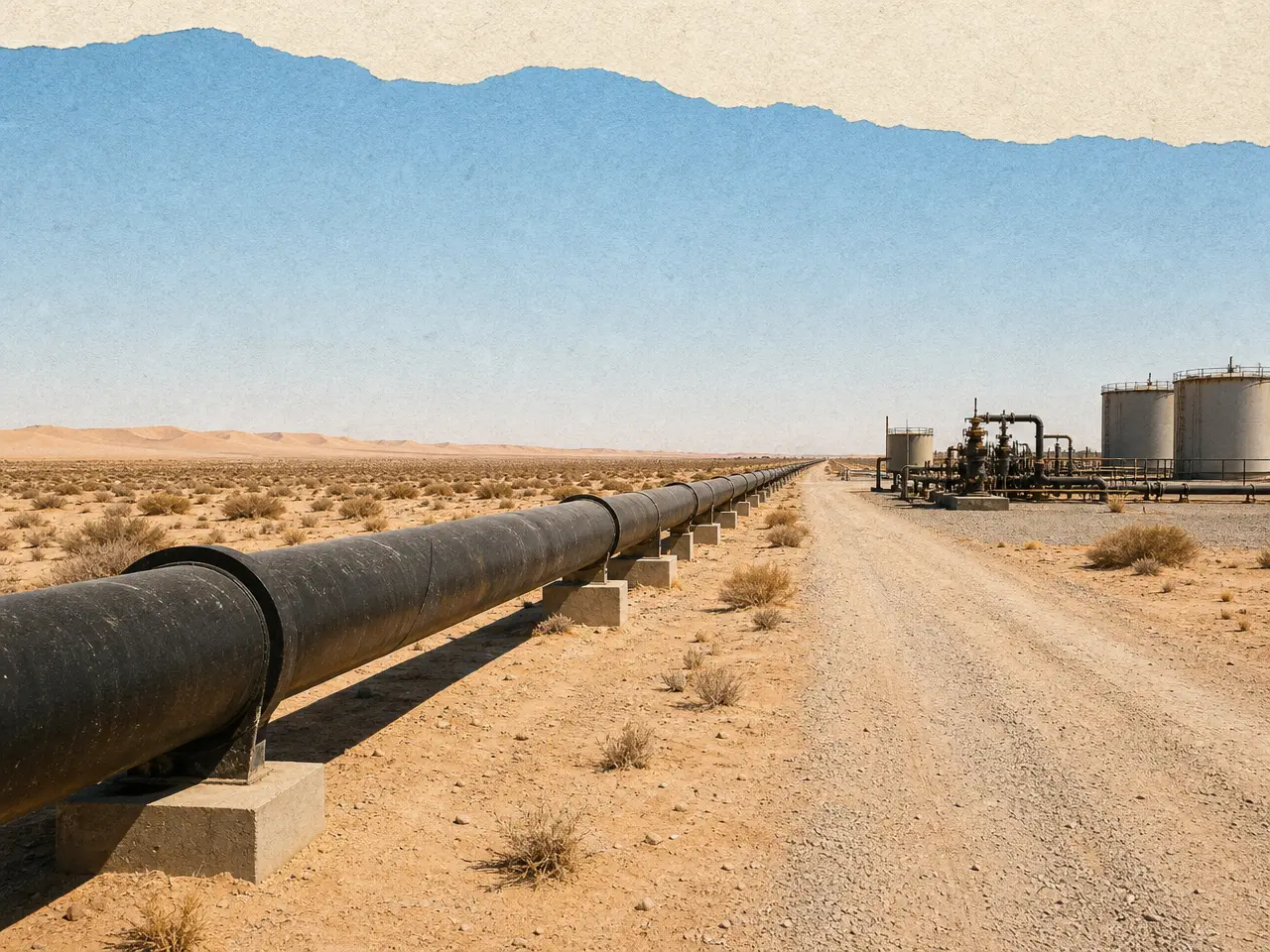
Here's the problem. In September, Houthi forces took Mocha and pushed toward the Bab-el-Mandeb strait, and around the same time Saudi Arabia's East-West pipeline was temporarily shut down after a drone attack. The bypass network built specifically to avoid Hormuz has been pulled back into the front line. That is the most important structural shift in this phase of the conflict.
Iran doesn't need to beat the US militarily
The United States can hit Iran's fixed military installations and naval assets far harder than Iran can hit back. But guaranteeing the daily safety of hundreds of merchant ships, and fully blocking mines, drones, small boats, and proxy attacks, is an entirely different mission.

Framing Iran's strategy as an attempt to win a direct war with the United States misses the point. A more realistic read is that Iran benefits from keeping uncertainty alive in energy shipping lanes, pushing up insurance premiums, freight rates, and oil prices, and raising the domestic political cost for Washington. With midterm elections on November 3, gasoline prices and the cost of living matter to the Trump administration nearly as much as any battlefield outcome.
That said, it would be a mistake to read this as Iran controlling every event. The Houthis take Iranian support but pursue their own regional goals. Iran-aligned militias in Iraq don't simply move on orders from Tehran either. The real risk right now is that multiple loosely connected actors are each escalating pressure according to their own calculations.
$100 oil isn't an energy story. It's a Fed story.
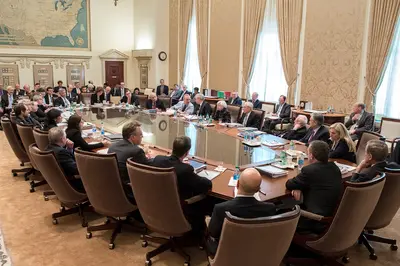
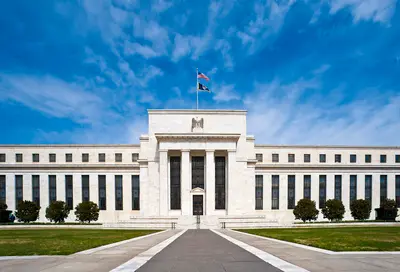
Brent crude approached $110 a barrel intraday on September 11 before closing at $104.47. That same day, US CPI for August came in up 0.4% month over month and 3.4% year over year, with core CPI up 0.3% month over month. Markets were pricing in roughly a 90% chance of a 25 basis point rate hike at the September 15-16 FOMC meeting.
The important point is that oil prices don't move the Fed alone. The Fed can typically look through a temporary energy price spike. But when core inflation hasn't cooled enough and the labor market is still strong, a fresh jump in oil prices changes the calculation. Shipping costs, airfares, petrochemical input costs, and inflation expectations can all carry a second-round effect through the economy.
For growth-stock investors, the chain to watch is: Middle East headlines → oil prices → inflation expectations → long-term rates → equity discount rates. If the war drags on but oil prices stay stable, the market impact could stay contained. But if fighting intensifies less while shipping costs through Hormuz and the Red Sea keep climbing, the pressure on rates could linger far longer.
Insight Times Editorial Desk