The Real ASML Number Isn't the 3% Pop, It's the 30% Capacity Hike
ASML's rally isn't just an AI trade. Customers are already locking in 2027 tool slots, and ASML is raising Low-NA EUV capacity by roughly 30% to keep up.
The Real Story Isn't AI Chips, It's the Bottleneck at the Leading Edge
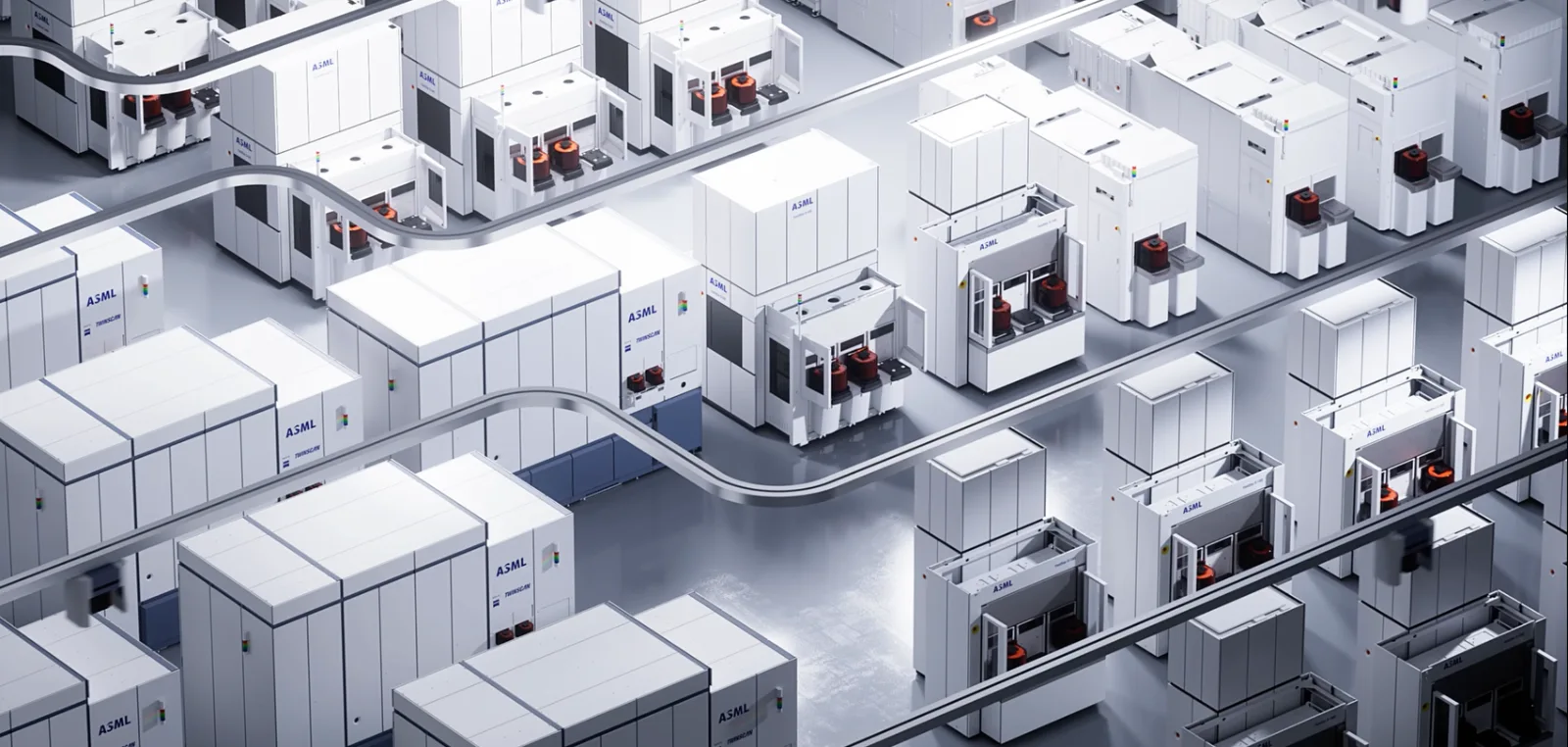
The case for ASML doesn't rest on "AI is doing well." It rests on AI demand spilling over into actual capacity expansion for advanced logic and DRAM, and lithography tools becoming more critical to that build-out with each passing node.
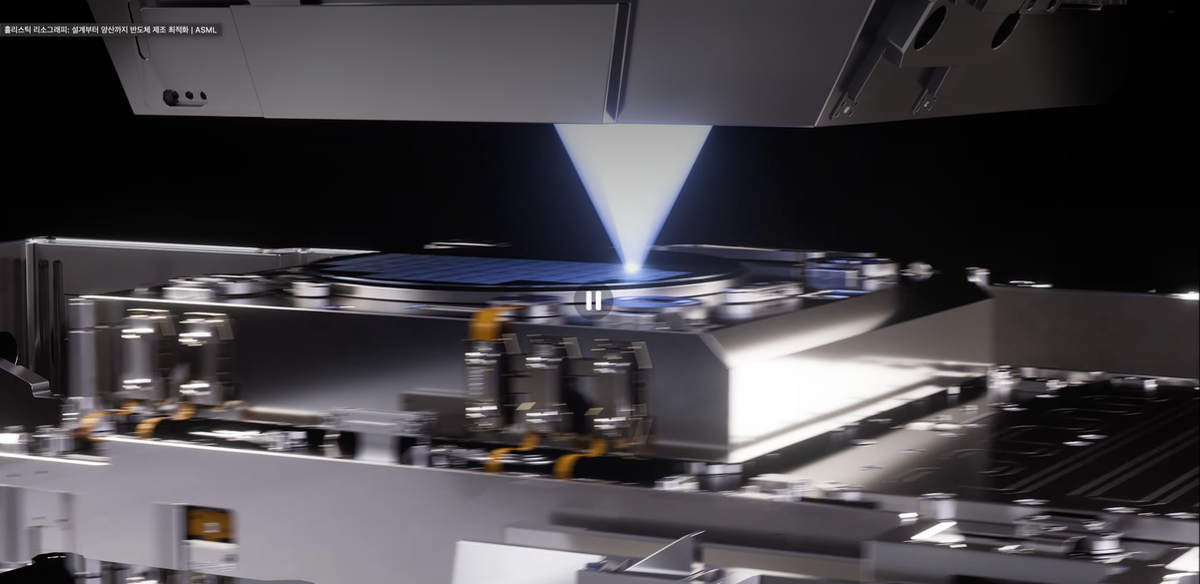
EUV in particular is a machine that gets harder to avoid as processes shrink. Even if the winner of the GPU design race changes, ASML's tool demand follows as long as TSMC, Samsung, Intel and the memory makers keep migrating to finer nodes.
In that sense, ASML looks less like a bet on any single AI chip and more like a toll collector on the entire leading-edge process. The moment AI demand turns into real fab expansion, EUV is one of the first machines to become a bottleneck.
The Number That Matters More Than the Order Book Is 30%
| Metric | Value | Note |
|---|---|---|
| 2026 revenue guidance | €43B-€45B | Sharply raised from earlier in the year |
| 2027 Low-NA EUV capacity increase | +30% | Versus roughly 65 units in 2026 |
| Q3 gross margin guidance | 55%-57% | Where an improving product mix should show up |
ASML said order momentum in the first half was very strong, and that its 2027 Low-NA EUV capacity is already almost entirely booked. A significant portion of 2028 volume has also been ordered, and the company is now weighing further capacity expansion.
That's a different signal than a simple backlog increase. When an equipment maker decides to actually raise capacity, it means customers have already firmed up fab operating plans years out. It's a sign that AI capex isn't stopping at slide decks but is flowing down into real fab tool orders.
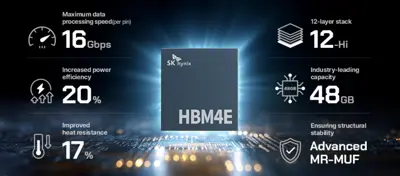
Memory matters especially here. As AI server buildouts continue, demand is strengthening not just for HBM but for high-capacity DRAM broadly, and moving to finer nodes raises the complexity of the lithography step itself. ASML expects memory-related system revenue to grow more than 75% year over year in 2026.
2026 Is Already a "Quality of Growth" Question, Not a "Will It Grow" Question
| Metric | Current Range | Why It Matters |
|---|---|---|
| 2026 revenue guidance | €43B-€45B | Expectations have been sharply raised from earlier this year |
| 2026 gross margin | 54%-56% | Tests whether the shift toward EUV and upgrades is turning into margin leverage |
| Q3 revenue guidance | €11B-€12B | Tests whether elevated revenue is holding up on a quarterly basis |
| Q3 gross margin | 55%-57% | Tests whether the high-margin mix is actually showing up in results |
| 2027 Low-NA EUV | Nearly fully booked | Market focus is shifting from 2026 to 2027-2028 supply slots |
| China | About 20% of expected 2026 revenue | Whether overall growth holds up under continued restrictions |
So the key question right now isn't "can ASML grow in 2026." That part has largely been confirmed.
The real question is whether customer demand keeps up enough to fill the 2027 capacity expansion at high utilization.
What to Watch in Q3 Before the Headline Numbers
Why the Stock Is Expensive, and Why That's the Risk
ASML's premium isn't hard to explain. It combines a near-monopoly in EUV, multi-year order visibility, exposure to AI infrastructure spending, and high gross margins.
The problem is that these strengths are already largely priced in. At this kind of valuation, "demand is good" isn't enough. The market is asking for demand that beats expectations.
That's why ASML isn't a stock that only corrects when results disappoint. If a customer's fab completion slips, if power availability gets delayed, or if tool installations get pushed back even a few quarters, the stock can lower its own expectations well before the numbers do.
Insight Times Editorial Desk