SOXX Bounces Off 489 Low as SpaceX Results Lift AI Stocks After Hours
The Dow and small caps gained while the Nasdaq stood still. Chip dip-buying and SpaceX's surge in AI revenue offered hope, but high rates and heavy capital spending remain.
1. The Dow rose 530 points. Why was the Nasdaq flat?
| Index | Close | Change |
|---|---|---|
| S&P 500 | 7,712.57 | +0.28% |
| Dow | 52,495.88 | +1.02% |
| Nasdaq | 26,424.82 | -0.02% |
| Russell 2000 | 2,773.42 | +1.65% |
Regular-session closes on Oct. 20.
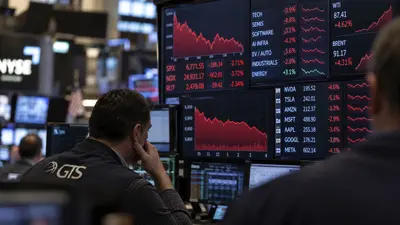
The money moving underneath the indexes was the story on Oct. 20. The Dow and the Russell 2000 gained more than 1%, while the Nasdaq barely moved.
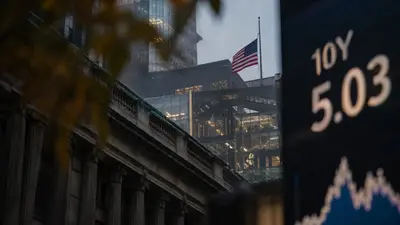
Brent crude fell from above $111 a barrel intraday to $108.79, giving airlines and other fuel-sensitive sectors some relief. The 10-year Treasury yield eased to about 5.12%, a friendlier backdrop for real estate and utilities.
Still, oil sits well above $100 and yields are above 5%. The cost burden has not gone away. Fear of further deterioration has simply eased for a day. With the VIX down to 17.31 and the Russell strong, this is hard to call a full risk-off market.
2. Why SOXX's rebound after breaking its low matters
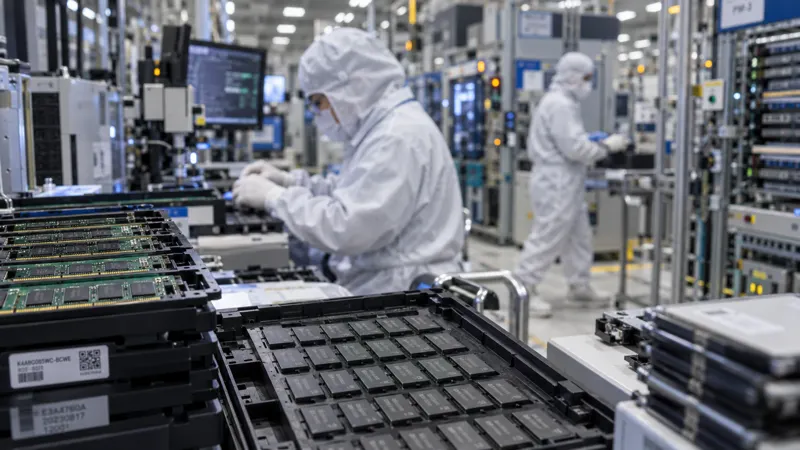
- Intraday low: $489.70
- Regular-session close: $500.01
- Day's change: -0.38%
- Close vs. low: +2.1%
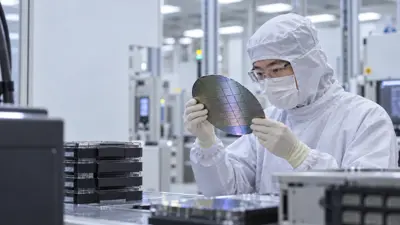
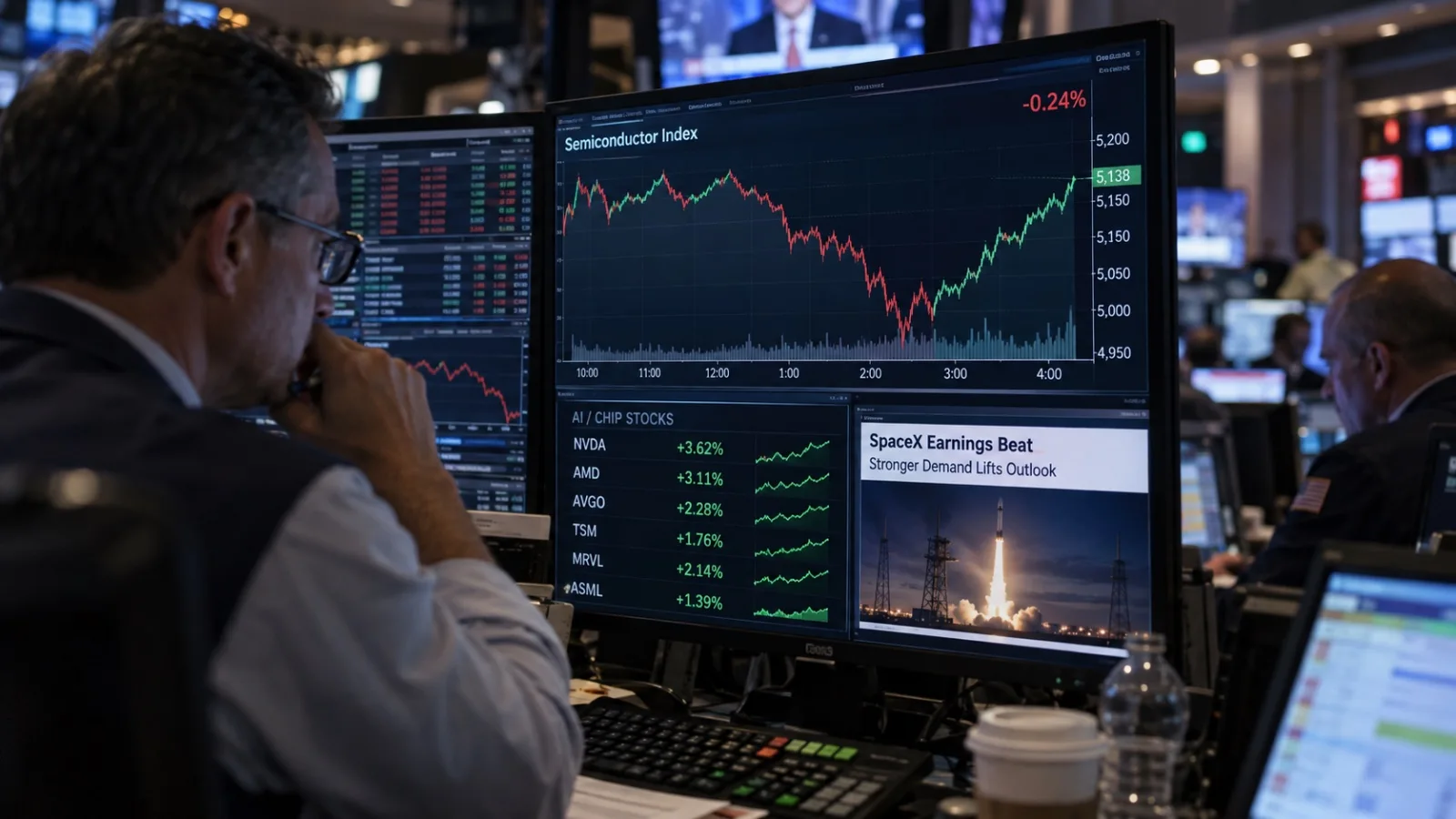
SOXX slid as far as $489.70 intraday. That was about $3.13 below the Oct. 16 low of $492.83. It then recovered the $500 level. The roughly 2.1% bounce from the low to the close shows buyers stepping in on the dip.
The close, though, was 0.38% lower than the prior day. Buying that defends a low is not the same as buying strong enough to turn a trend. Three things are worth tracking separately: a defense of $489 to $493, a recovery to $505 to $509, and then confirmation from volume.
3. The key AI question is capital recovery, not revenue
Weakness in AI infrastructure stocks is thin evidence that AI demand has vanished. In a high-rate environment, valuations reflect not only data center construction costs but also interest on borrowings and the burden of further expansion.
Worries about financing costs at Oracle and CoreWeave left the same lesson. Even as contracts and revenue grow, investors can assign a lower value if utilization, customers' ability to pay, or cash flow falls short of expectations. The market is now weighing not just the industry's growth rate but the unit economics of that growth.
4. Tesla holds up; GM falls despite beating
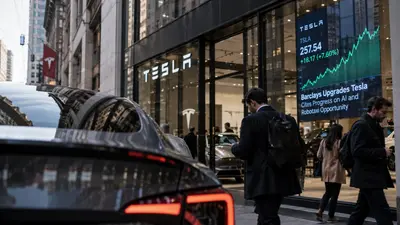
Tesla rose 1.54% to $373.71, stronger than the major big tech names. On the technical measures provided, it also reclaimed its 20-day moving average at $369.71. But a pre-earnings price move does not prove the profitability of its auto margins or its autonomy business.
GM, by contrast, fell 6.84% to $77.09. It reported third-quarter revenue of $50 billion and adjusted EBIT of $4.1 billion, and approved a new $20 billion share buyback. The market reaction was cold anyway.
One caveat: GM did not cut its full-year outlook across the board. It narrowed its adjusted EBIT guidance to $14.5 billion to $15.5 billion from $14 billion to $16 billion, and it raised its adjusted automotive free cash flow guidance. The market appeared more sensitive to the lower top end of the profit range and to future vehicle production and pricing pressures.
5. What SpaceX's results signaled to AI stocks after hours
- Third-quarter revenue: $14.6 billion
- Year over year: +161%
- Third-quarter net income: $4.4 billion
- Third-quarter capital spending: $19.6 billion
SpaceX's report after the close gave the AI investment debate new material. Revenue rose 161% from a year earlier to about $14.6 billion, and net income was about $4.4 billion. Revenue at its AI-focused Super Intelligence business grew to about $7.6 billion.
Capital spending also reached about $19.6 billion, of which about $16.4 billion was AI-related. That it came in slightly below expectations is not enough to say the investment burden has eased. What SpaceX showed was less growth with reduced investment than a process of growing revenue and profit while continuing to invest heavily.
SpaceX shares rose after hours following the report. Semiconductor-related names such as Nvidia and AMD also reacted positively, but the gains in every stock cannot be pinned on SpaceX alone. After-hours volume is thinner than in the regular session, so whether the gains hold needs to be checked in the next regular session.
6. Technical positioning: how far must prices recover?
| Name | Regular close | Support to watch | Recovery to watch |
|---|---|---|---|
| QQQ | $717.63 | $707-710 | $720-725 |
| Nvidia | $216.47 | $212-213 | $218-220 |
| SOXX | $500.01 | $489-493 | $505-509 |
| Tesla | $373.71 | $369-371 | $377-378 |
Support and recovery zones are technical observations, not guarantees of future prices.
Defending the indexes and restoring a semiconductor uptrend are separate questions. Because SOXX set a new short-term low and then rebounded, it is more prudent to read the move as a first dip-buying signal than as a completed double bottom.
Market commentary is information for investment decisions and is not a recommendation to buy or sell any financial product.
Insight Times Editorial Desk