AI Chip Boom Rolls On, but Wall Street Wants to See the Cash
Chip results are at records while the cash flow of big AI spenders weakens. The market is starting to ask whether the money invested comes back as cash.

Chip sellers and chip buyers feel differently
On Oct. 21, chip equipment maker Lam Research reported fiscal 2027 first-quarter revenue of $8.22 billion. That was up 22% from the prior quarter, with a non-GAAP operating margin of 40.2%. The stock fell sharply the next day.
Chips did not stop selling. The market has begun judging future growth, and the expectations already built into the share price, more strictly than current results.
The picture is different for Meta, a buyer of AI infrastructure. Third-quarter revenue was $64.6 billion, up 26% from a year earlier. Free cash flow was negative $2.12 billion. Capital spending and repayment of finance lease principal exceeded operating cash flow.
That does not mean Meta's business is losing money. Operating income was positive in the same quarter, and the company also booked a large one-time charge tied to legal proceedings. But AI infrastructure spending is clearly running ahead of the pace at which cash is being generated.
+22%: Lam Research revenue, September 2026 quarter, quarter over quarter
-$2.12B: Meta free cash flow, third quarter 2026
Memory and foundry: the real economy is still rising
TrendForce expects fourth-quarter 2026 contract prices for commodity DRAM to rise 10% to 15% from the prior quarter, and NAND prices to rise 15% to 20%. A slower rate of increase is not the same as falling prices.
Still, gaps are widening inside the market. Enterprise SSDs benefit from strong cloud demand, while high prices are weighing on buyers of PC memory and SSDs. Western Digital, which is HDD-focused, grew revenue 55%, but that result should not be read as direct evidence of firm NAND pricing.
Foundry shows the same pattern. TSMC's third-quarter revenue was $46.72 billion, with a gross margin of 66.4%. The 2-nanometer share of wafer revenue rose to 8% from 3% in the previous quarter. Commercial production of leading-edge nodes is expanding.
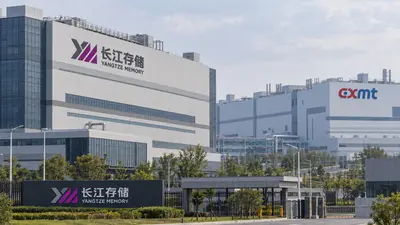
But if HBM and advanced packaging supply grows, and Chinese memory makers gain share in the commodity market, today's shortage could become tomorrow's oversupply.
Will $1.5 trillion of spending all pay off?
TrendForce projects combined capital spending by nine major global cloud providers will rise from about $957 billion in 2026 to more than $1.5 trillion in 2027. It expects AI server shipments to grow about 36% over the same period. These are research firm forecasts, not confirmed spending.
Higher spending also reflects rising equipment prices and advance purchases. The fact that spending is up does not mean customer usage or profitability is improving at the same rate.
Operators that build data centers with debt are especially exposed to higher rates. The jump in yields on CoreWeave bonds and the rise in Meta's credit risk gauges suggest the industry is starting to reprice its cost of capital. Wider credit spreads alone, though, do not show that the odds of an actual default have jumped.
Why 2028 matters
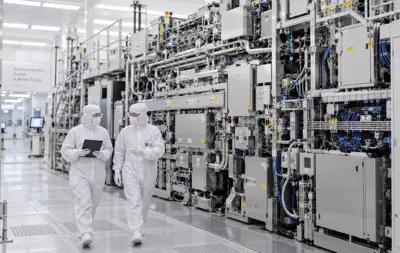
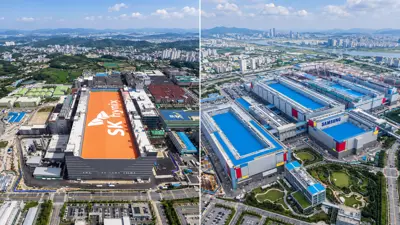
Through 2026 and 2027, new fabs are being built and existing capacity expanded. A finished plant does not add chip supply at once, because equipment installation, yield stabilization and customer qualification take time.
In 2028 and 2029, new capacity and HBM productivity gains could start to show up in full. If AI inference and data center demand are growing enough by then, the cycle could run longer.
If instead falling memory prices, fewer equipment orders, lower data center utilization and cuts to customer capex appear together, a turn in the real cycle would be worth suspecting.
The point is not to call a peak in a particular year. It is to check whether several leading indicators weaken at the same time.
Bottom line
The real AI chip cycle is still rising, but the conditions needed to justify investor expectations have become tougher.
What decides returns on chip investment from here is not how many GPUs are built or how many data centers go up. It is how much cash those facilities generate, at what utilization and margin.
2028 is not a year to pencil in as a sell date. It is when the productivity of today's investment could start to be tested in the numbers.
Insight Times Editorial Desk