Samsung and SK Hynix Sold Off on AI Fears. The Order Books Haven't Cracked Yet
The selloff reflects markets recalculating the pace of AI capex and memory earnings, not proof that AI spending has actually stopped. So far the data shows a gap between fear and reality.
Stock Prices Cracked First. Orders Haven't Cracked Yet
After Anthropic CEO Dario Amodei suggested slowing the pace of capability gains in frontier AI models and pushing for independent safety reviews and more industry coordination, Sam Altman and Elon Musk both signaled some agreement on the need to pace things out. Markets immediately translated that into a risk: AI server investment could slow too.
Here's the distinction that matters most: a possibility is not a fact. What's confirmed so far is a safety debate over the pace of AI development, plus a stock market correction. What is not confirmed: large-scale AI data center capex cancellations, terminated long-term HBM contracts, or withdrawn orders from major customers.
The Physical Memory Market Is Still Tight
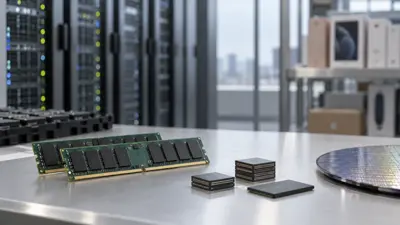
On September 16, Reuters reported that smartphone and laptop makers are bracing for a prolonged memory shortage. SK Hynix has said 2027 could be an especially difficult year in terms of supply capacity, and DRAM prices remain elevated even as the pace of increases has slowed.
SK Hynix's second-quarter results point the same direction. The company said it began mass shipments of HBM4 in the second quarter and is expanding long-term, multi-year contracts with roughly 10 key customers. Samsung Electronics also started HBM4 mass production and commercial shipments in February, and shipped HBM4E samples in May.
None of this guarantees an endless boom. But at least for now, there isn't enough evidence to conclude that HBM demand has already turned down just because AI safety concerns have surfaced.
Samsung and SK Hynix Now Need to Be Read Differently
| SK Hynix | Samsung Electronics | |
|---|---|---|
| Core investment thesis | HBM leadership, direct beneficiary of AI server demand | HBM4 expansion plus a combined recovery in commodity memory, foundry, and mobile |
| Confirmed HBM progress | Started HBM4 mass shipments, expanding long-term contracts | HBM4 mass production and commercial shipments, HBM4E sample shipments |
| Sensitivity to an AI slowdown | Relatively high | Some cushion from business diversification |
| Key risks | High expectations, customer concentration, HBM pricing and yield shifts | Pace of HBM share gains, foundry profitability, mobile demand |
| Numbers to watch first | HBM shipment volumes, ASP, long-term contracts, AI capex | HBM mix, DRAM prices, DS division profit, foundry P&L |
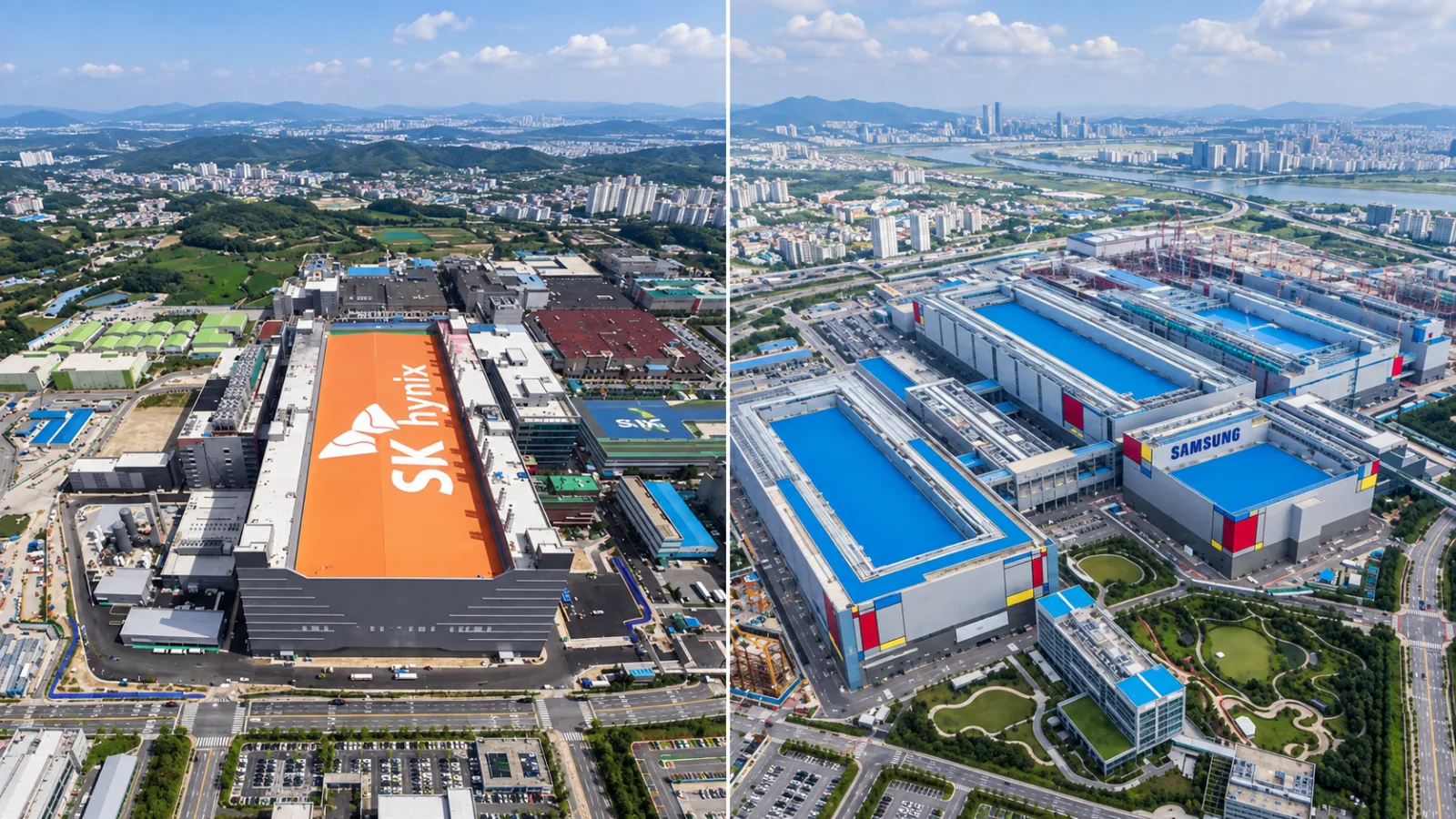
The distinction matters. SK Hynix is a purer play on AI memory growth. Samsung, meanwhile, has moved past the question of whether it can catch up in HBM and into a phase where the market needs to see whether HBM4 mass production actually translates into real share gains and margin expansion.
The Real Risk Isn't the AI Panic Itself. It's What Happens When Three Numbers Turn
1. Big Tech capex. If hyperscalers like Microsoft, Alphabet, Amazon, and Meta start lowering their data center investment guidance, expectations for HBM demand could realistically get reset.
2. HBM orders and pricing. The key thing to watch is whether long-term contract growth stalls, or whether order delays, rising customer inventories, and weakening pricing power show up at the same time.
3. Commodity DRAM prices. If HBM stays strong while commodity DRAM weakens, the profit leverage for the memory industry as a whole is limited. If both markets stay strong together, earnings quality improves.
4. Interest rates. Rising long-term US rates can compress valuations for semiconductor stocks that are priced on distant future growth. That's one reason the stock can wobble even when earnings look fine.
Insight Times Editorial Desk