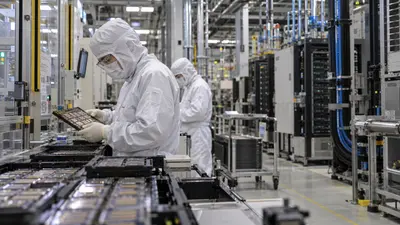
China's DRAM Push Tests the Memory Supercycle for SK hynix, Samsung and Micron
Memory looks tight through 2027, with oversupply a risk from 2028. Investors in AI chips need to keep the two timelines apart.
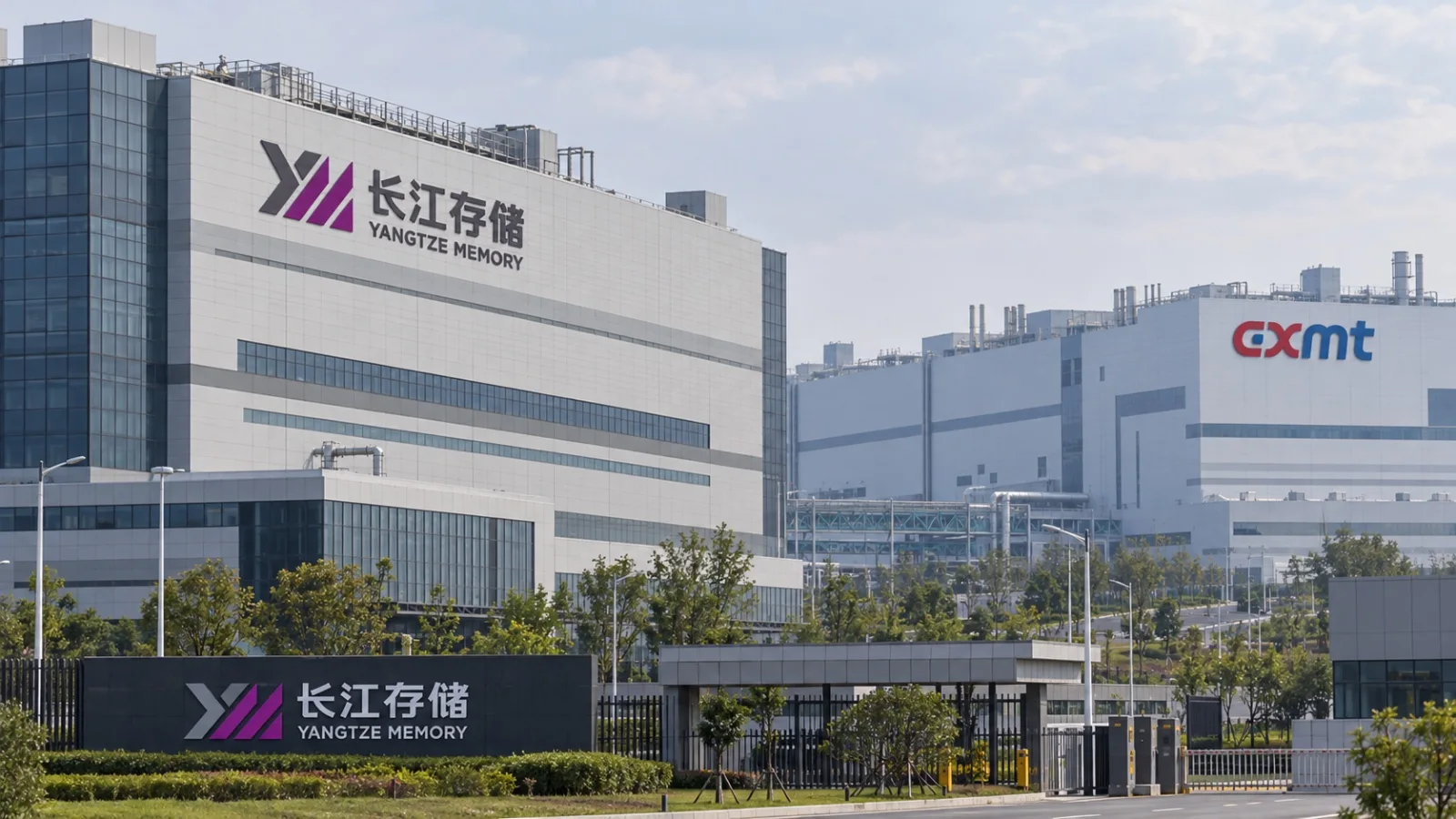
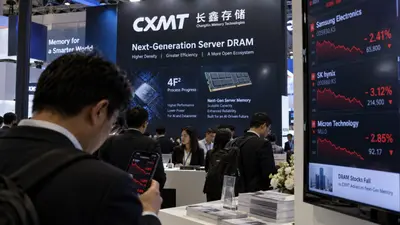
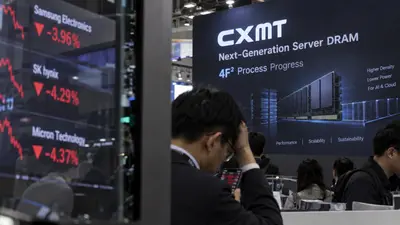
China has begun to shake the global memory chip market. After China's ChangXin Memory Technologies (CXMT) unveiled a new DRAM technology, shares of Samsung Electronics, SK hynix and Micron fell together.
That looks odd. Memory makers are earning huge profits from the AI boom. Samsung reported preliminary third-quarter 2026 operating profit of 107.4 trillion won. Yet the market has started to worry about future oversupply.
The market is asking a more important question than whether earnings are good.
Can today's record profit last two years from now?
1. How did China become a threat to the memory leaders?
The chip market contains a simple paradox.
The more Samsung, SK hynix and Micron focus on high-performance memory for AI, the less memory supply is left for ordinary PCs and smartphones.
But conventional memory is still needed. When supply runs short, prices rise, and weaker latecomers get a business opportunity.
CXMT has moved into that gap.
CXMT listed in Shanghai in July 2026 and raised about 57.9 billion yuan in its offering. Its shares jumped 466% from the offer price on the first day of trading. That shows how high the market's hopes are for China's memory self-sufficiency. A high valuation, however, does not prove technological superiority.
China is moving beyond the stage of making only cheap memory. It is trying to widen its reach to high-performance server DRAM.
That does not mean it has caught up with the leaders in Korea and the US. In memory, designing a new product is a different skill from producing millions of units at uniform quality.
2. The real threat from China's new technology is price
The new DRAM design CXMT announced aims to store more information in the same area.
Think of a car plant that builds more cars on the same floor space. If it works, production costs fall and price competitiveness rises.
For now, though, actual mass-production yield, production cost and customer qualification all remain to be confirmed.
A bigger issue lies elsewhere. Even if Chinese firms trail Korean and US rivals technologically, government support and a huge domestic market could let them enter at low prices.
In memory's history, it was not always a superior new technology that shook corporate profits. Pricing power collapses the moment more product is supplied than the market can absorb.
US export controls cannot fully block this competition either. In December 2024, the US Commerce Department tightened controls on China covering HBM and some chipmaking equipment. The rules constrain development of advanced products, but they may also spur China to build its own equipment and memory supply chain.
3. Is the AI memory supercycle ending?
Industry data available now paint a somewhat different picture.
In its September 2026 outlook, TrendForce expected memory supply to stay short in 2027. It said HBM average selling prices could rise 121% year on year, including changes in product mix. That is a research firm's forecast, not a confirmed contract price.
The sequence runs roughly as follows:
- Rising AI demand, expanded HBM output and pressure on commodity DRAM supply
- New fabs in Korea and China come online, supply rises, and price competition becomes a risk
- Oversupply after 2028 is a risk scenario, not a settled forecast. It depends on when new fabs start up, yields and demand growth
It would be a mistake to treat HBM and commodity memory as entirely separate markets.
In fact, TrendForce analysis shows that in the first quarter of 2026, per-wafer profitability and margins on some high-capacity server DDR5 exceeded those of HBM. The more advanced product does not always earn more.
So investors should watch more than HBM volume. The question is where a company earns the most by allocating its limited production capacity.
4. A 2028 glut is not a settled future
2028 is a date to treat with care. If volumes from new fabs planned by Korean and Chinese companies arrive in earnest, commodity DRAM prices could come under pressure.
But a finished fab does not produce at full capacity right away. It takes time to raise yields and win customer qualification. If AI demand grows faster than expected, new supply could be absorbed.
The DRAM and NAND timelines may also differ. TrendForce expects DRAM to stay short in 2027, while NAND supply could ease from the second half of 2027.
A "2028 chip crash" is therefore not a prophecy. It is a risk scenario to test: whether supply growth outpaces demand growth, inventories build, and pricing power weakens, all at once.
5. Samsung, SK hynix and Micron gain and lose differently
All three benefit from AI demand, but the investment case differs for each.
- Samsung Electronics: it must both regain HBM competitiveness and keep commodity DRAM profitable.
- SK hynix: the key is whether its HBM lead can be turned into long-term contracts, pricing and cash flow.
- Micron: investors need to weigh the benefit from the US AI supply chain against the risk of Chinese commodity DRAM competition.
It is hard to argue that China's catch-up leads straight to a change of leadership in HBM. But if China pressures prices in commodity memory, it could affect the leaders' overall profits.
US investors should not look at Micron in isolation. They should also watch how Samsung and SK hynix allocate production, and how fast Chinese firms enter the commodity market.
6. What to check next
- Contract prices: if the rise continues, it favors suppliers' bargaining power. A run of declines may signal a change in supply and demand.
- Inventories: if inventories grow while prices fall, that is an early sign of oversupply.
- Capital spending: if spending rises but weaker profitability leads companies to cut investment plans, that weighs on the demand outlook.
- Chinese output: actual volume deliveries and proof of price competitiveness matter more than product announcements.
- Company results: look beyond sales volume to contract prices, yields and profitability relative to commodity DRAM.
If two or three of these worsen at once, that is grounds to suspect a more serious change in the profit cycle than a short-term share move. Conversely, if shortages and customer orders continue, China's catch-up alone is not enough to declare the supercycle over.
FAQ
Can CXMT threaten the leaders in server DRAM? It is a possible long-term threat, but it does not mean CXMT can immediately supply the same product at the same quality and cost. Customer qualification and proof of mass-production scale come first.
Is HBM safe from price pressure? No. HBM is also affected by supply, pricing, customer concentration and yield. Margins and cash flow matter more than sales volume.
Will oversupply arrive in 2028? That cannot be determined. If demand grows faster than fab expansion, the shortage could last longer.
Does a share price drop mean the stocks are cheap? A price decline alone is not enough to judge. Future earnings expectations and current valuation need to be compared together.
Insight Times Editorial Desk