China's Memory Challenger Raises a Harder Question for the AI Boom: How Long Will Profits Last?
Samsung, SK hynix and Micron have more to watch than Chinese output alone. Wall Street's focus is moving to how long today's outsized profits can last.
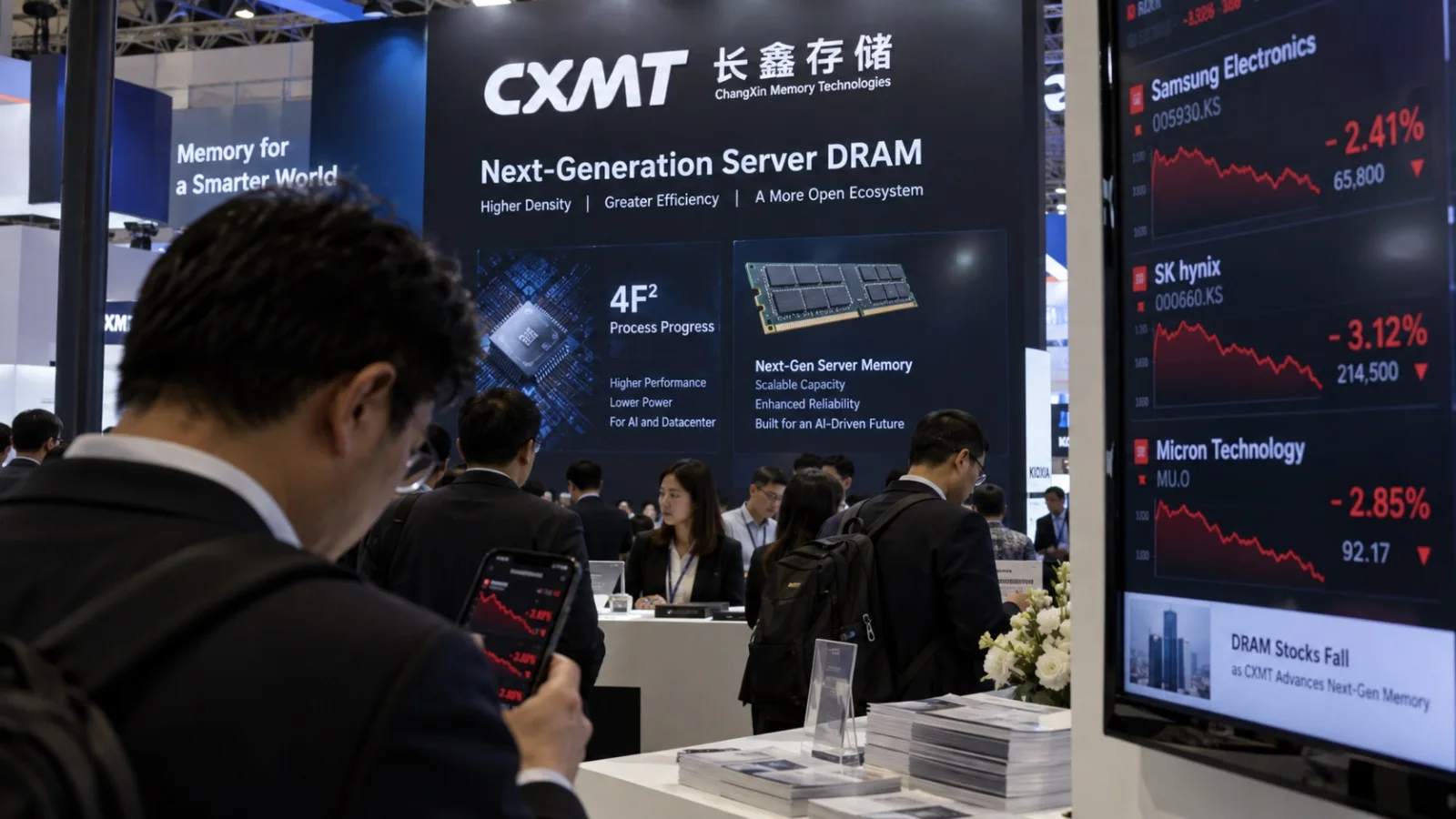
1. Memory is short. Why worry about a Chinese technology?
The global memory market is enjoying a rare boom. As AI data centers expand, demand has surged for HBM and also for the ordinary DRAM used in servers. Supply is tight, and prices have risen.
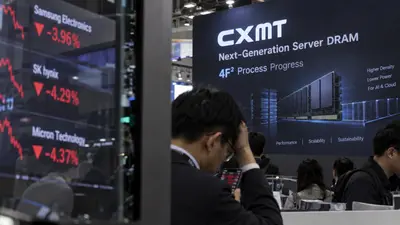
Then China's CXMT unveiled a 4F² cell structure, which can store more data in the same area. It said it aims to launch server DDR5 products by the end of this year. The road from a technology announcement to customer qualification and stable mass production takes time. A launch target alone does not show CXMT has matched the yields and reliability of the incumbents.
The market is reacting anyway, because memory stocks price future earnings, not just today's shortage. Even if the shortage does not fully clear, the rate of price increases can slow and customers can gain bargaining power. Revenue can grow while margins fall.
Shortage and pricing power are different problems
| Now | Future, with more competition | |
|---|---|---|
| Setup | Demand > supply | Added supply |
| Effect | High selling prices and margins | Price gains can slow even if a shortage remains |
2. China is not only adding factories
In the second quarter of 2026, global DRAM revenue share was 39.4% for Samsung Electronics, 24.9% for SK hynix, 23.3% for Micron and 9.5% for CXMT. CXMT rose 1.9 percentage points from 7.6% a quarter earlier. Revenue share differs from wafer capacity or bit-shipment share.
SemiAnalysis expects CXMT's monthly wafer capacity to reach about 500,000 wafers by the end of 2028. It projects a global bit-shipment share of about 12% in 2027. These are estimates, not confirmed results.
The 4F² design theoretically cuts cell area by 33.3% versus the existing 6F², which could raise cell-array density by 50% at the same minimum feature size. That does not mean finished-product shipments rise 50% or that manufacturing costs fall 33%. Actual supply depends on wafer starts, chip density and good-die yield together. The China threat grows not only with the number of fabs but when the same fab can reliably produce more sellable bits.

Global DRAM revenue share, Q2 2026: Samsung Electronics 39.4%, SK hynix 24.9%, Micron 23.3%, CXMT 9.5%. Source: TrendForce. Based on revenue, not wafer or bit-shipment share.
3. CXMT is also a beneficiary of the AI boom
According to Visible Alpha estimates published by S&P Global on Oct. 7, CXMT's 2026 revenue is projected at 374 billion yuan, up 506% from a year earlier. The estimates put the average selling price of general-purpose DRAM up 206% and shipments up 79%. These are forecasts, not confirmed results.
The figures show that the Chinese challenger, not only the three incumbents, can profit from the current boom. High prices also invite new investment and capacity additions. Today's boom could plant the seeds of tougher competition in a few years.
CXMT 2026 forecast, year over year
- Revenue: +506% (374 billion yuan expected)
- Shipments: +79% (estimate, not confirmed results)
4. Strong HBM does not make every memory business safe
AI data centers need HBM for GPUs, but also general-purpose DRAM for CPUs and server systems. If CXMT enters the server DDR5 market, the overlap with the three incumbents widens. If Chinese customers use more domestic products, global suppliers could see fewer opportunities in China. On the other hand, if Chinese cloud demand grows enough, much of the new output could be absorbed at home.
SK hynix's HBM strength is a relative defense. Samsung has a broad product range and production base. Micron is distinguished by HBM, server DRAM and US manufacturing. But all three are exposed to server DDR5 prices and product-level profitability. CXMT's DDR5 progress is not news that proves a lead in HBM technology.
5. Wall Street is still upbeat, but the question has changed
Morgan Stanley kept an overweight rating on Micron in late September, while saying the pace of upward earnings-estimate revisions could slow from earlier quarters. D.A. Davidson, in early October, took a positive view of Micron's earnings potential, citing AI memory demand and long-term supply constraints. SemiAnalysis, even after factoring in CXMT's expansion, put weight on the likelihood that the market shortage persists for the next two years. Each is an individual analysis or forecast, not a confirmed outcome or a consensus across institutions.
It is hard to say the boom ends with a single technology announcement. But the effect of long-term supply contracts on profitability depends on price caps, renegotiation terms and renewal timing. Such contracts can improve revenue visibility. They do not guarantee high margins forever.
Hypothetical earnings outlook (this year = 100, illustrative index, not a forecast of results or share prices)
- Prior expectations: 100 → 120 → 140 (this year, next year, the year after)
- With competition priced in: 100 → 110 → 115 (growth continues, expectations fall)
Four indicators to watch
- Server DDR5 contract prices: whether increases hold or turn into declines.
- CXMT mass production: not launch announcements, but customer qualification, repeat shipments and good-die yield.
- HBM profitability: average selling price, the mix of high-value products and margin pressure from added supply.
- Long-term earnings outlook: whether 2027-2028 EPS and free cash flow estimates move up or down.
Insight Times Editorial Desk