If TSMC Runs Terafab, Musk's Chip Plan Shifts From Self-Built Fab to Dedicated Foundry
Talks with TSMC are not a contract. But if a deal happens, Terafab may become less about Musk making chips himself and more about tying TSMC's manufacturing to a captive supply chain for his companies.
Bottom line: If TSMC takes over Terafab, Musk is unlikely to run the fab himself. He could end up as the party that supplies the money and the demand.
Start with what is confirmed
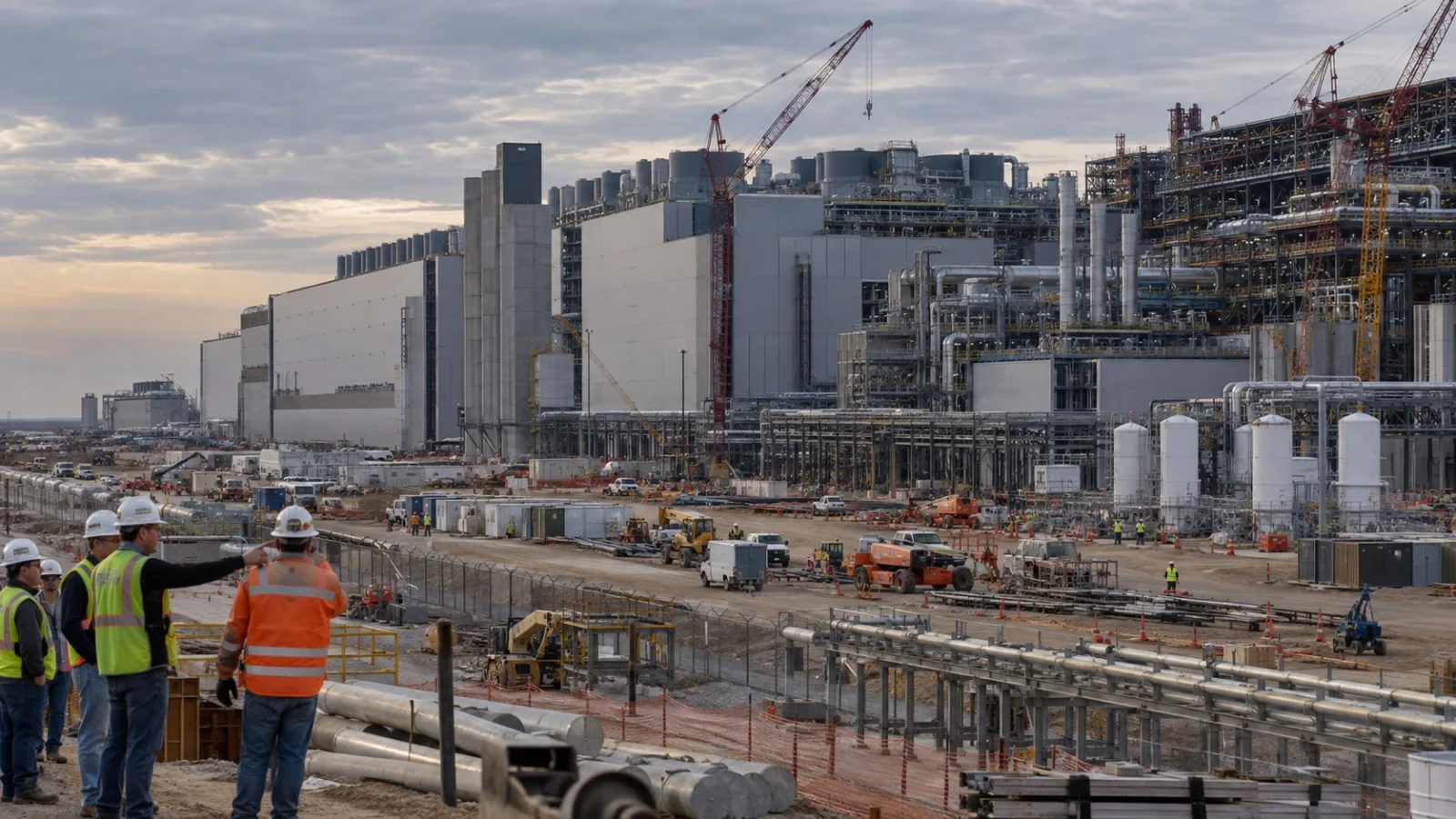
Terafab is not just an idea on a drawing board. In August, the state of Texas announced that SpaceX will build a semiconductor facility in Grimes County. The first phase involves more than $16.8 billion in investment and 3,000 jobs. By the official announcement, the facility is not 1 million square feet. It is 100 million square feet.
One more correction concerns what 1 terawatt (1TW) means. SpaceX expects future chip demand from Tesla and SpaceX to reach more than 1TW of compute. It describes Terafab as a project to close the gap between that demand and current global supply. So it is more accurate to read the figure as a demand target than to say the company has committed to producing 1TW of chips a year.
| Metric | Figure | Note |
|---|---|---|
| Phase 1 investment | $16.8B+ | Initial investment of more than $16.8 billion |
| Official facility size | 100M ft² | Integrated manufacturing facility of 100 million square feet |
| Future compute demand | > 1 TW | Future demand expected by SpaceX and Tesla |
The TSMC talks are real. TSMC running the fab is still a scenario.
On Oct. 2, technology journalist Tim Culpan reported that TSMC is considering a role in operating Terafab's Texas plant. The next day, Musk replied on X, "Just discussions, but something may come of it," confirming the talks themselves.
The line needs to stay clear. A structure in which TSMC owns and operates the plant while SpaceX guarantees capital or production volume is the most likely scenario Culpan laid out from his sources. It is not a contract term announced by either company. TSMC has not announced any official Terafab agreement.
Still, there is a reason the scenario carries weight. Reuters reported on Sept. 30 that TSMC is weighing a possible Texas investment, separate from its existing $265 billion Arizona commitment. The Terafab talks and TSMC's look at Texas arrived at the same time.
The biggest change is who carries the yield risk
For Musk, TSMC's value is not one more factory building. The real barriers in advanced chips lie less in buildings than in process integration, yield, equipment optimization and volume ramp-up. If TSMC is the operator, Terafab can put its hardest manufacturing risk on the operating system of the world's largest foundry.
In that case Terafab would differ from a traditional in-house fab. Its customers would be effectively fixed to the Tesla, SpaceX and xAI ecosystem, but manufacturing would run the TSMC way. It would look more like a dedicated, foundry-style captive fab. Musk would provide demand and capital. TSMC would take responsibility for process and production.
For Intel, the bigger hit is a weaker "14A validation" effect, not revenue
Intel joined the Terafab project in April, and Musk later said he plans to use Intel's next-generation 14A process. That made Terafab more than an ordinary customer for Intel Foundry. Intel is still trying to land large outside customers for 14A, and the Musk ecosystem gave it a public reference.
If TSMC handles core production on its own process, that reference becomes less exclusive. Intel shares fell about 2.6% on Oct. 5. But TSMC's arrival does not automatically push Intel out. If Terafab's demand is large enough, dual sourcing between Intel and TSMC, a split by process step, or a division of labor between packaging and logic is also possible.
Who gains and who feels pressure
| Company or sector | Possible impact | Numbers for investors to watch |
|---|---|---|
| TSMC | Possible long-term anchor demand in the U.S. and a Texas foothold. But it must manage the cost of heavy U.S. investment and its neutrality toward other customers. | Size of Texas investment, process node, Terafab volume-guarantee terms |
| Intel | The exclusive 14A reference may weaken. If production runs in parallel, it keeps room to take part. | Actual 14A tape-out, outside customers, role within Terafab |
| ASML, AMAT, Lam, TEL, KLA | The most direct "picks and shovels" demand, as long as the fab actually gets built. ASML has said it already reflected Terafab demand in its 2027-2028 capacity plans. | EUV and DUV orders, equipment delivery timing, capex by customer |
| Samsung Foundry | A stronger TSMC presence in the U.S. adds competitive pressure. If TSMC's advanced capacity gets tight, some customers may want a second source. | 2nm yield, U.S. fab utilization, outside AI customers won |
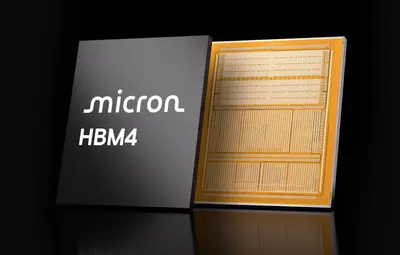
| SK hynix, Samsung Memory, Micron | If Terafab expands large-scale AI accelerators and in-house chip output, it could become a new long-term HBM and high-capacity DRAM customer. More in-house logic production could lift HBM procurement too. But if the Musk ecosystem eventually brings memory in-house or signs an exclusive deal with one supplier, the gap in benefits between vendors could widen. | HBM3E and HBM4 supply deals, long-term volume guarantees, ASP, capacity allocation, customer concentration |
| Advanced packaging and equipment | Possible direct beneficiary of wider 2.5D and 3D packaging that links logic and HBM. Early order reports have also appeared for Korean equipment makers such as Hanmi Semiconductor. | TC bonder and packaging equipment POs, CoWoS-type packaging capacity, mass-production schedule |
Insight Times Editorial Desk