Tesla Energy's 13.7GWh Paradox: Expectations Ran Faster Than Deployments
Q2 deployments recovered but margins collapsed. Q3 set a record for deployments and still missed estimates. The issue is not the size of AI power demand but how fast it converts into Tesla revenue and profit.
Q2 was a margin shock. Q3 was a deployment shock.
Lumping the last two quarters together as "energy missed twice" hides an important difference. Q2 deployments of 13.5GWh were close to the 13.8GWh analyst average compiled by the company at the time. The problem was that energy gross margin fell from 39.5% in Q1 to 20.4% in Q2, nearly cut in half.
Tesla CFO Vaibhav Taneja gave fairly clear reasons. There was a warranty adjustment of about $240 million tied to issues with some externally supplied cells in legacy projects. More than $200 million in tariff-related benefits booked in Q1 did not repeat. And industrial storage ASPs fell as competition intensified. Q2 was less a demand collapse than a quarter in which one-time costs and price pressure surfaced together as earnings quality normalized.
Q3 was the reverse. Deployments of 13.7GWh were up 1.5% from Q2 and about 10% above the 12.5GWh of a year earlier, a strong absolute figure. But they fell about 2.2GWh, or roughly 14%, short of the 15.9GWh analyst average Tesla published in late September. The business did not retreat. Market expectations for growth simply ran ahead of the actual pace of deployment.
| Metric | Figure | Note |
|---|---|---|
| Q1 2026 deployments | 8.8 GWh | Low starting point, the base for the Q2 rebound |
| Q2 2026 deployments / gross margin | 13.5 GWh / 20.4% | Volume recovered, profitability dropped |
| Q3 2026 deployments | 13.7 GWh | About 14% below the 15.9GWh consensus |
Conversion speed matters more than demand
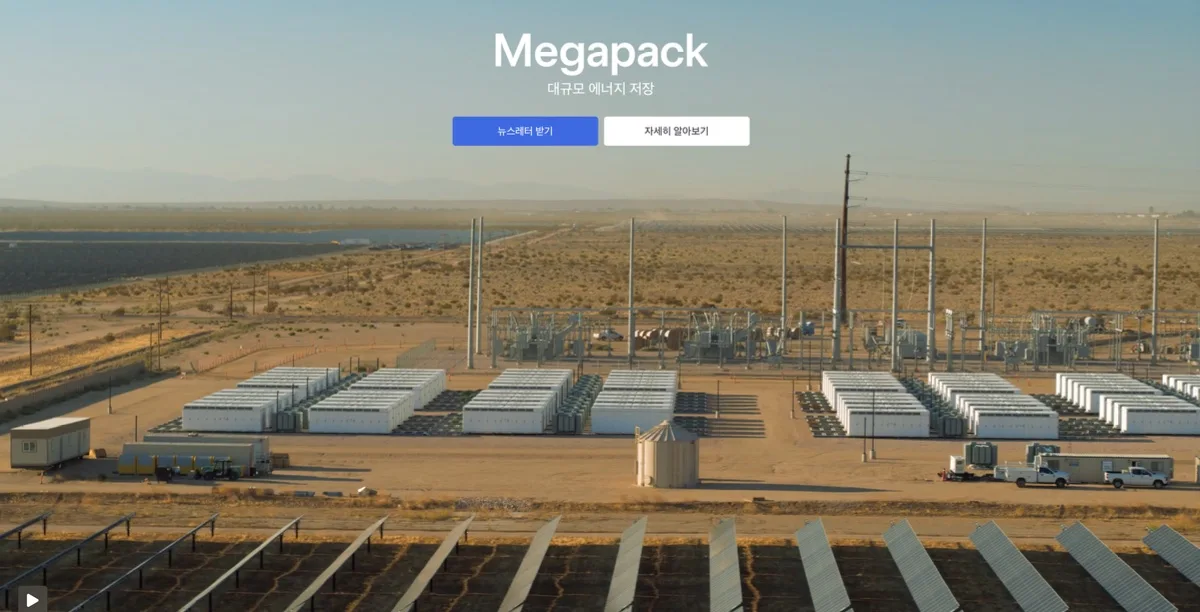
A Megapack is not a smartphone that sells to a consumer the moment it is built. Large utility and data center projects are tied to on-site construction, transformers and transmission equipment, grid interconnection, permitting and the customer's project schedule. Tesla itself has said energy deployments are inherently lumpy and depend on customer timelines.
So a surge in AI data center power demand does not show up in Megapack deployments in the same quarter. Batteries excel at millisecond response and load smoothing, but they do not replace generation or the grid itself. The power bottleneck in AI infrastructure is a systems problem that combines generation, grid connection, cooling, transformers and battery energy storage systems (BESS).
Still, the structural opportunity is real. In September, NVIDIA launched its DSX Ready program and named BESS as one of its first certification categories. That suggests battery storage is starting to enter the power architecture from the design stage of AI factories. It is a sign that the market is widening, not a guarantee of exclusive demand for Tesla.
The key to the next stage: the Texas Megafactory
Supply is changing too. Tesla has started producing Megapack 3 at a new Megafactory in Brookshire, Texas, with design capacity of 50GWh a year. Megapack 3 raises energy capacity per unit over the prior generation. Megablock integrates multiple Megapacks and power conversion and connection components further at the factory, cutting on-site installation time.
The point is not simply more GWh. As price competition in utility BESS intensifies, what Tesla must defend is not the ASP of a battery box but factory productivity, installation time, system integration and the economics of the whole project, software included. Competing with China's CATL and BYD and system integrator Fluence while holding margins in the 20% range makes this the core line of defense.
| Variable | Positive signal | Warning signal |
|---|---|---|
| Deployments | Trailing-twelve-month GWh re-accelerates with the Texas ramp | Quarterly deployments stall even after capacity expands |
| Gross margin | Settles in the low-to-mid 20s without one-time effects | Structural drop below 20% on falling ASPs |
| AI data centers | Large projects convert into real orders and revenue | Pilots and certifications grow, but commercial contracts lag |
| Product competitiveness | Megapack 3 and Megablock cut installation cost and build time | Cost cuts fail to keep up with falling prices for Chinese BESS |
| Software | Recurring revenue from Autobidder and VPP expands | Continued reliance on hardware sales |
Insight Times Editorial Desk