ASML Is Discussing 2030 Orders. How Long Can the AI Chip Supercycle Last?
Despite bubble worries, ASML sees equipment shortages through 2028. Investors should watch future production capacity, not just today's orders.
Why is ASML talking about 2030 while investors worry about an AI bubble?
Worries about an AI investment bubble are growing. ASML, the world's only supplier of advanced EUV lithography equipment, sent the opposite signal.
In its third-quarter 2026 results, released Oct. 14, ASML said its currently planned capacity cannot meet customer demand in 2027 and 2028. Orders for 2028 are already coming in, and some customers are discussing equipment for 2030.
Why secure tools so far ahead?
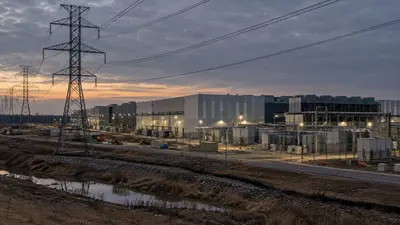
An AI data center can add servers relatively quickly once the money is committed. Advanced chip capacity is different. Building a fab, installing tools, validating the process and stabilizing yields take years.
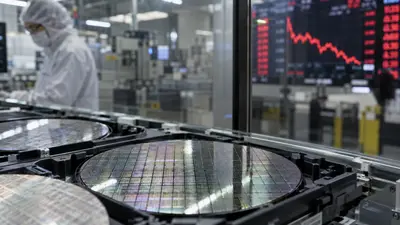
ASML is also the sole supplier of the EUV tools that print advanced chip circuits. For Nvidia to sell more AI chips, it needs capacity from manufacturers such as TSMC. For those manufacturers to expand advanced processes, they need ASML's equipment.
To judge how long the AI chip supercycle can last, investors need to watch not only GPU orders but also how chip capacity is being prepared several years out.
Results were strong, but one number matters more than net income
- Q3 2026 net sales: €11.662 billion, up about 55% from a year earlier
- Q3 net income: €4.960 billion, above the market expectation of €4.05 billion
- Q3 gross margin: 57.5%, up 3.5 percentage points from the prior quarter
- 2026 full-year sales guidance: €44 billion to €45 billion, with the low end raised from €43 billion to €45 billion
Q4 sales guidance is €14.2 billion to €15.2 billion, with a gross margin of about 57%.
Attributing the whole jump in net income to the equipment business would be a mistake. The quarter also included a valuation gain of about €500 million on ASML's stake in French AI company Mistral.
For long-term investors, the more important figures are gross margin and revenue from servicing the installed base.
Revenue from maintenance and productivity upgrades on existing tools rose about 19.1%, from €2.762 billion in the second quarter to €3.289 billion in the third.
If new tools are hard to get, customers must make more wafers on the tools they already have. ASML earns revenue not only when it sells a new machine but also when it raises the productivity of an existing one.
Who benefits when equipment is scarce?
The chain runs like this: rising AI chip demand drives foundry and memory expansion. That runs into the ASML lithography bottleneck, which brings longer lead times, demand for productivity upgrades and pricing power. Then come shipment, installation, process validation and chip volume production.
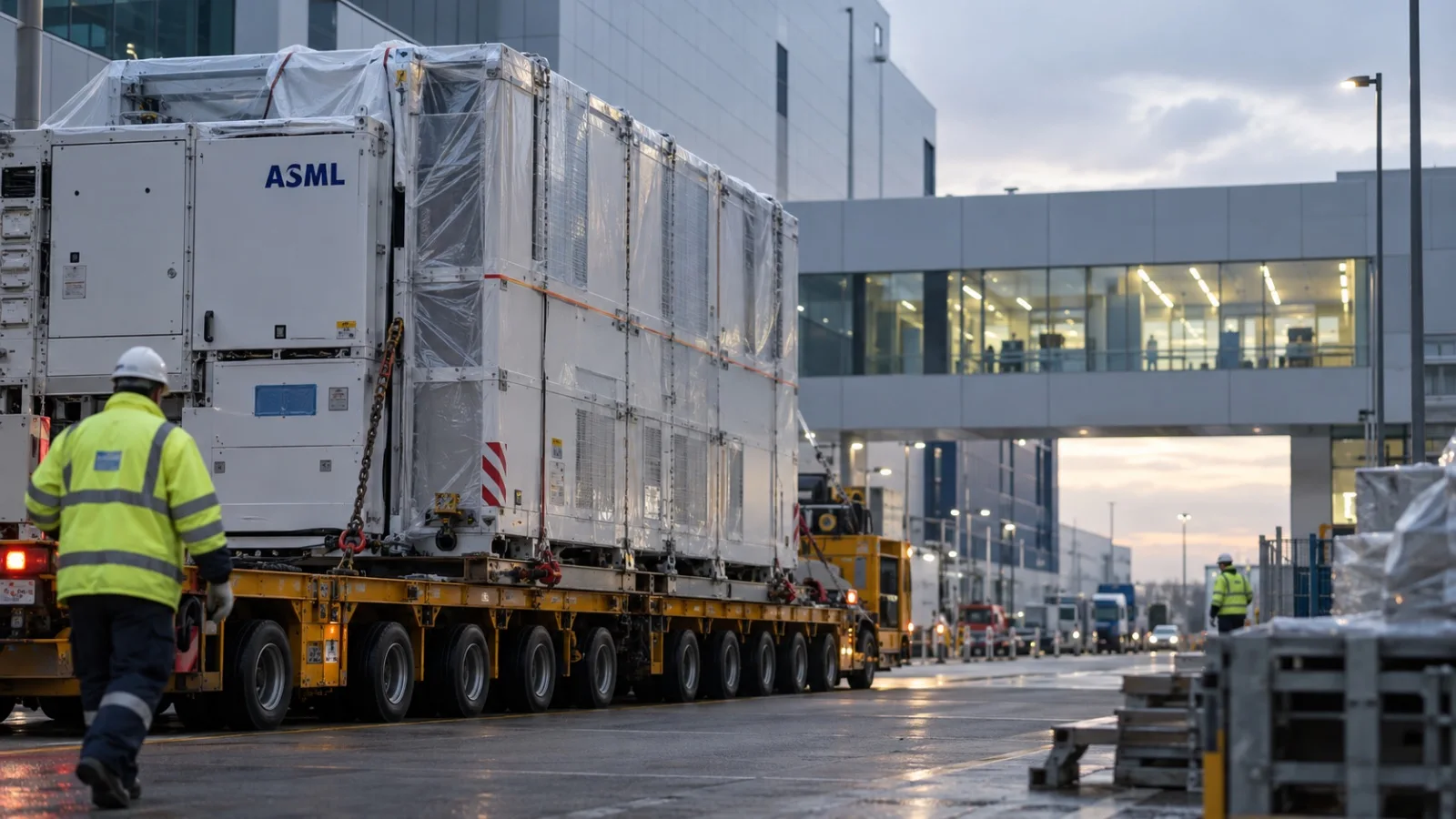
ASML is considering raising lithography tool capacity by 30% in 2027 and by another 30% in 2028. The plan mainly concerns existing low-NA EUV and DUV immersion tools. The 2028 expansion is not yet confirmed production.
Supply constraints like these can strengthen ASML's pricing power. The effect of higher equipment prices appears likely to show up from 2027. But higher profit for ASML does not mean the same for its customers.
TSMC may hold the upper hand in price talks because advanced capacity is scarce. It also faces the burden of buying costlier tools and waiting for expansions. Micron and SK hynix can benefit from HBM demand, but they must absorb equipment spending and the cost of process transitions.
For Applied Materials (AMAT) and Lam Research (LRCX), growing advanced-process investment is a business opportunity. But ASML's shortage does not imply the same shortage at those toolmakers.
ASML has not shown guaranteed prosperity through 2030. What it has shown is that chip companies are now competing to lock in capacity over several years.
Whether that competition leads to a long boom or the start of another glut depends on how many chips the AI industry actually consumes, and whether it can pay for them.
Insight Times Editorial Desk