Jensen Huang Pushes Back: AI's Next Bottleneck Is Power, Not Chips
Facing calls to slow AI down, Nvidia CEO Jensen Huang says the industry needs to move "as fast as possible." But for investors, the real question isn't who wins that philosophical fight, it's whether GPUs, memory, networking and electricity can actually keep pace.
"As Fast as Possible", But Not Unsafe
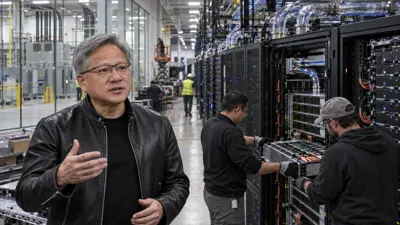
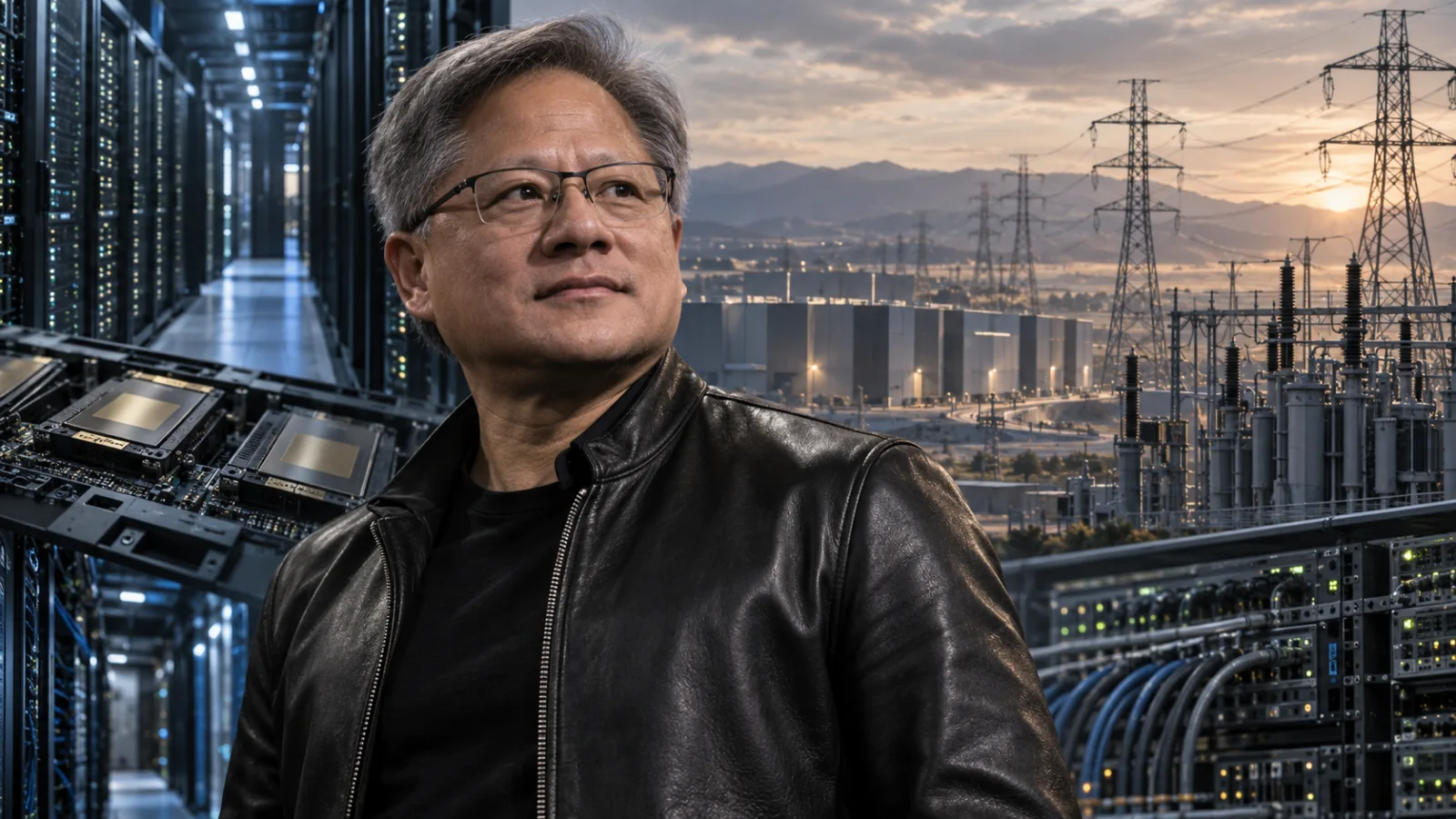
In a preview clip released by CBS, Nvidia CEO Jensen Huang said the industry needs to move on AI development "as fast as possible." At the same time, he drew a clear line: companies should not ship products that are unready or unsafe. He also pushed back hard on the idea that AI could threaten to destroy the world by 2030.
The distinction matters. Huang isn't arguing that safety doesn't matter. He wants stronger product testing and safety standards, but he opposes any coordinated effort among companies to slow the pace of technological development itself. That puts him in direct contrast with Anthropic's Dario Amodei, who has warned about AI's exponential growth and argued for deliberately slowing down.
So Far, the Answer Looks Like "Demand Hasn't Cracked"
Nvidia's most recent earnings show that AI infrastructure demand remains strong, at least for now. Fiscal 2027 second-quarter revenue came in at $96.2 billion, up 106% year over year. Data center revenue reached $89.0 billion, up 117%. Data centers now account for roughly 92% of total revenue.
<div class="metrics"> <div class="metric"><div class="k">FY2027 Q2 Revenue</div><div class="v">$96.2B</div><div class="d">Up 106% year over year</div></div> <div class="metric"><div class="k">Data Center Revenue</div><div class="v">$89.0B</div><div class="d">Up 117% year over year</div></div> <div class="metric"><div class="k">GAAP Gross Margin</div><div class="v">75.0%</div><div class="d">Boosted by Blackwell Ultra mix shift</div></div> </div>
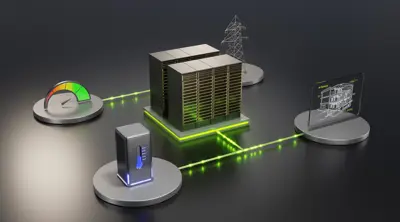
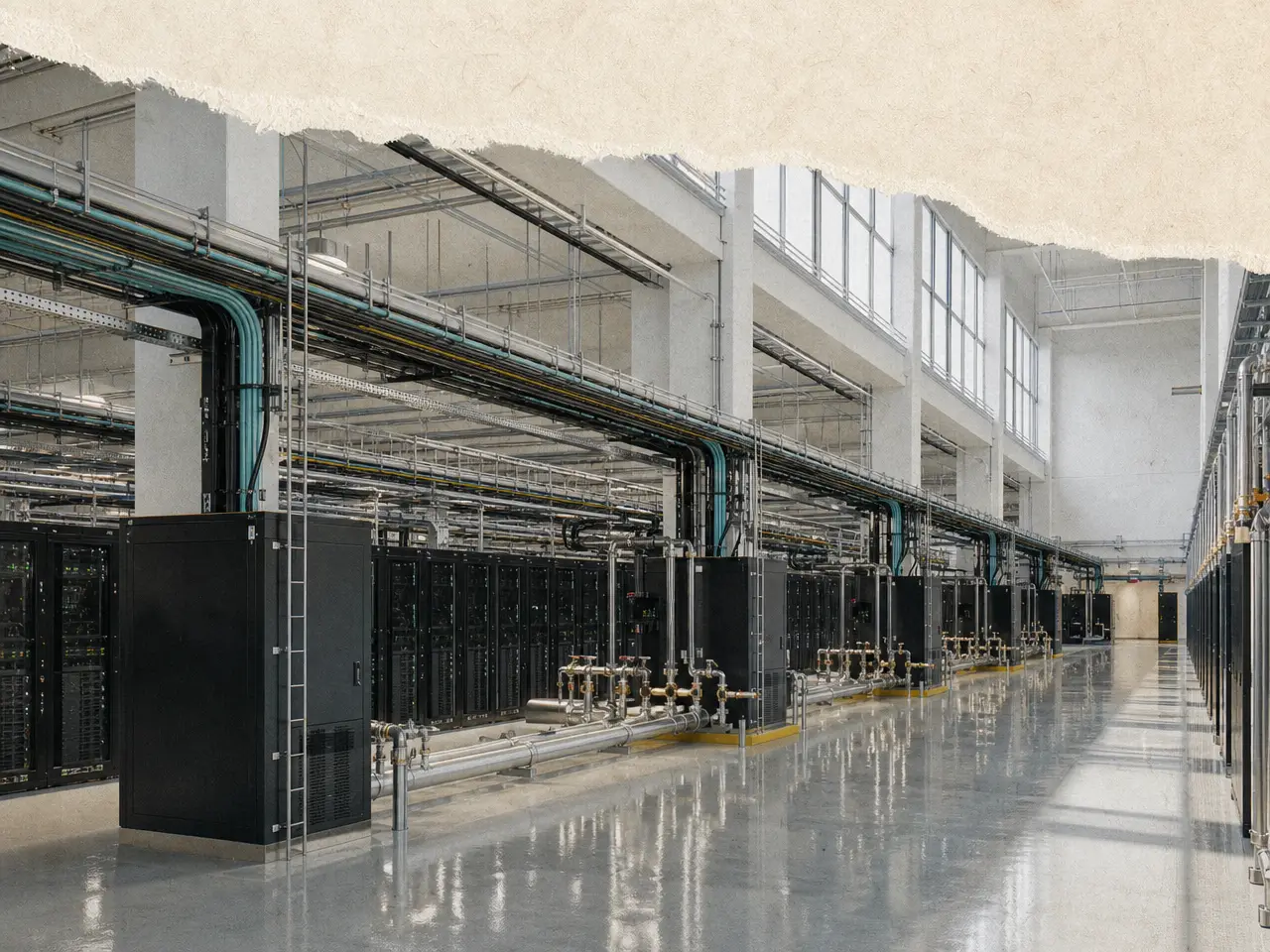
What's more interesting is that Nvidia is trying to sell an entire "AI factory," not just a fast chip. The company bundles GPUs, CPUs, NVLink, Ethernet and InfiniBand networking, systems and software into a single platform. On the most recent earnings call, Huang argued that Nvidia's revenue opportunity per gigawatt of data center capacity has grown from roughly $18 billion in the Hopper generation to $25 billion with Blackwell and $40 billion with the upcoming Vera Rubin platform. Those are the company's own estimates, not confirmed market figures, but the strategic direction is unmistakable: Nvidia wants to be less a GPU vendor and more the systems supplier for the entire AI data center.
Which Means the Next Bottleneck Grows Slower Than Chips Do
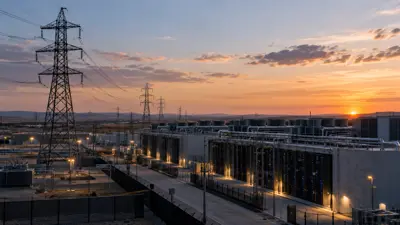
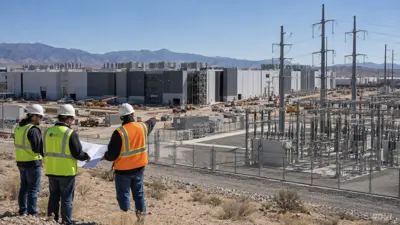
AI models advance at software speed. Data centers don't. Power plants, transmission lines, transformers, cooling systems and site permitting all move on a timeline measured in years. The International Energy Agency projects global data center electricity consumption will nearly double, from about 485 terawatt-hours in 2025 to roughly 950 terawatt-hours by 2030, with consumption at AI-dedicated data centers roughly tripling over the same period.
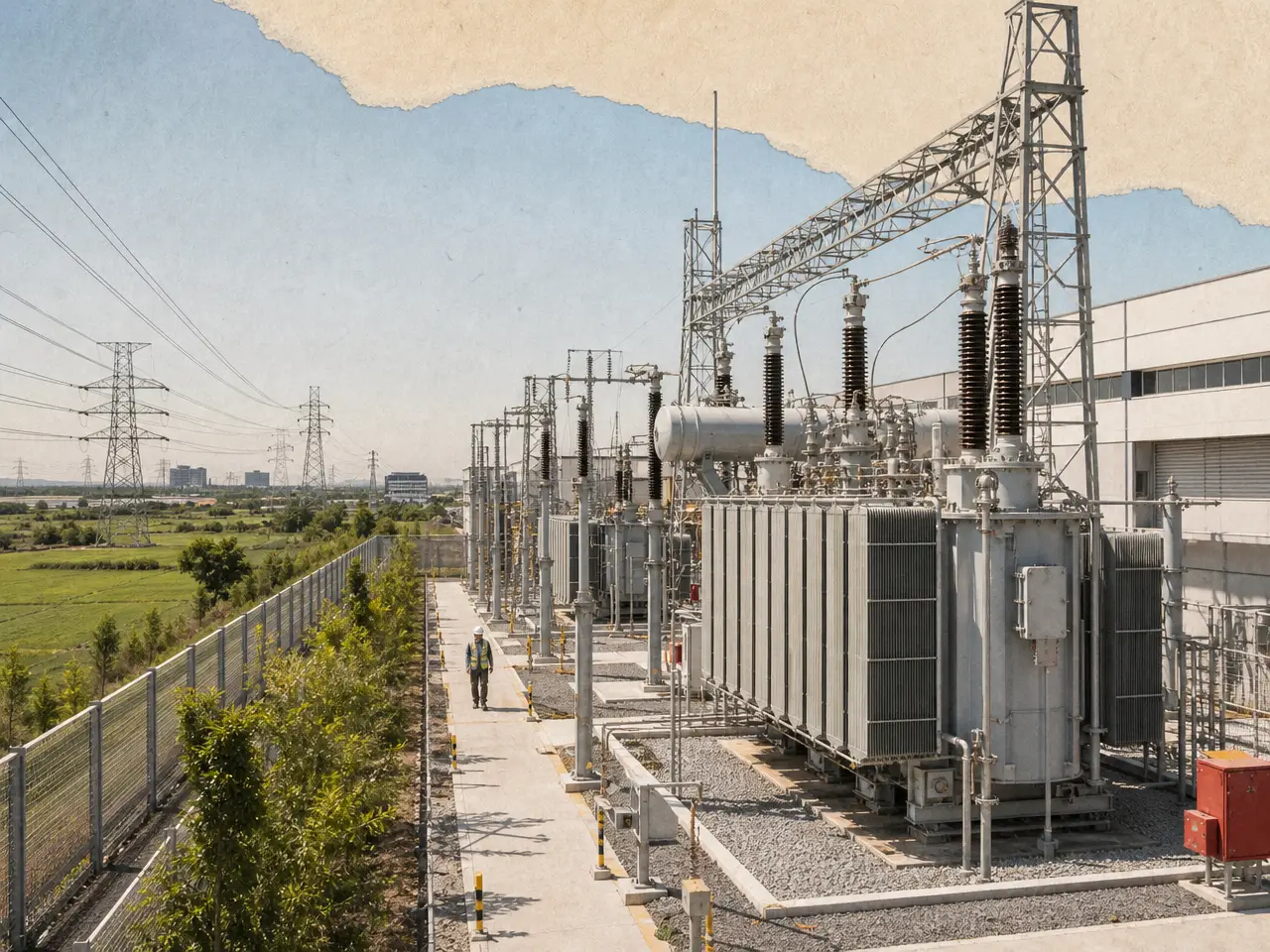
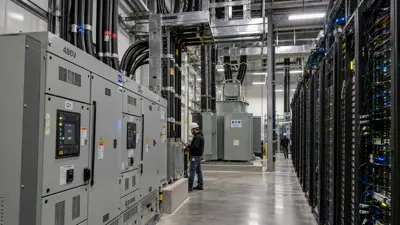
The constraint isn't just how much electricity gets generated. Getting it to the right place at the right time through the grid could be the bigger limit. The IEA notes that building new transmission lines can take four to eight years in advanced economies, and lead times for critical equipment like transformers and cables have stretched out as well. A separate analysis found that grid constraints could put roughly 20% of planned global data center capacity at risk of delayed connection by 2030.
| AI Investment Stage | Core Bottleneck | Numbers to Watch |
|---|---|---|
| Compute | GPUs, HBM, advanced packaging | Accelerator shipments, HBM supply, packaging utilization |
| Cluster | Networking, servers, racks | Networking revenue, server lead times, rack power density |
| Data Center | Cooling, transformers, transmission | Power purchase agreements, grid connection queues, transformer lead times |
| Service | Inference cost and customer ROI | Cost per token, inference revenue, productivity gains from enterprise AI spending |
Good for the Nvidia Argument, Not Automatically a Reason to Buy the Stock
If AI development keeps accelerating, that's clearly good for Nvidia. As compute demand grows across training, inference, agents and robotics, the range of computing and networking gear Nvidia can sell expands with it. According to the IEA, capital expenditure at five major tech companies topped $400 billion in 2025 and is projected to rise roughly another 75% in 2026.
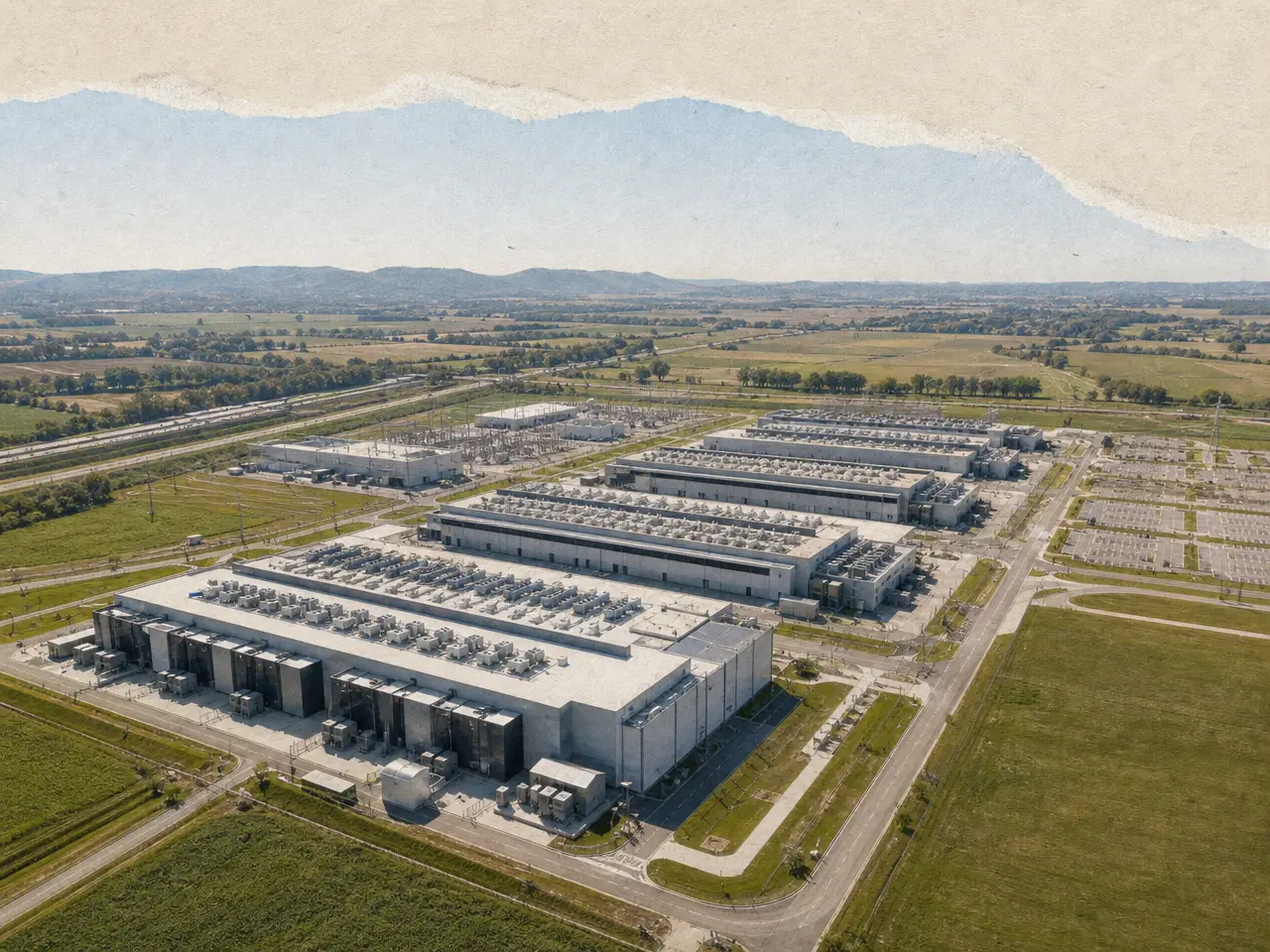
But strong demand and low investment risk are not the same thing. In Nvidia's fiscal 2027 second quarter, one direct customer accounted for 16% of total revenue. For the first half of the fiscal year, three direct customers accounted for 16%, 15% and 13% respectively. AI infrastructure spending is concentrated among a small handful of hyperscalers and AI companies. If several of them slow their capex growth at the same time, the entire supply chain could wobble quickly.
There's a second paradox at work. As GPUs get more powerful and energy-efficient, the electricity needed for a given task falls. But if AI usage grows faster than that efficiency gain, total power consumption still rises. Efficiency improvements don't guarantee lower aggregate demand. That's why the next AI investment cycle will be harder to explain with "faster chips" alone.
Insight Times Editorial Desk