AI Data Centers Are Rewriting Contracts While They Wait for Power
Oracle's Project Jupiter shows that the AI power shortage is no longer a "2030 forecast." The mere possibility of a delayed power hookup has already triggered a force majeure clause, and it is starting to shake billions in loans and lease-income timelines.
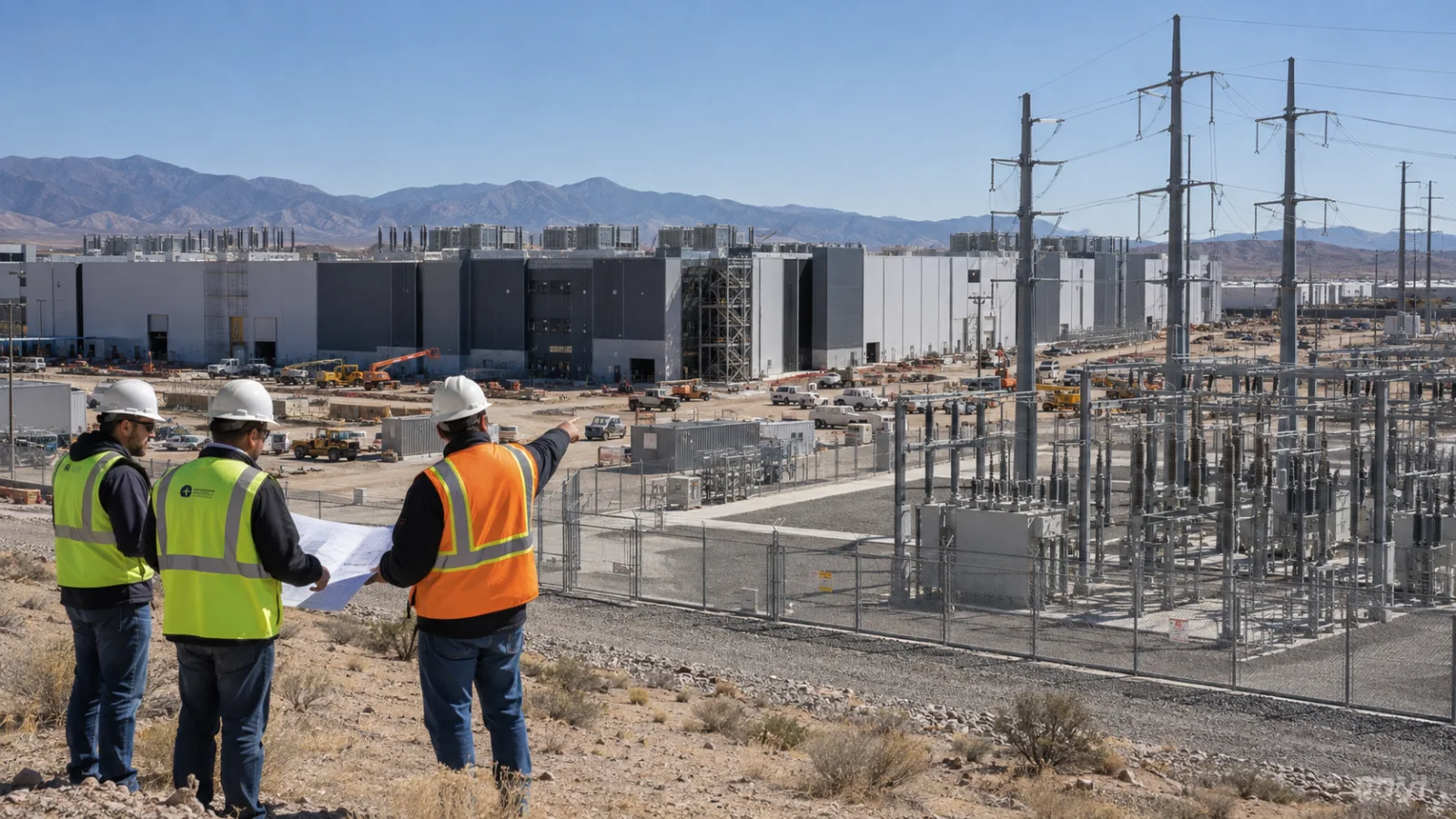
The power shortage has moved from forecast to contract dispute
For the past two years, most talk about AI power has been future tense. Analysts modeled how much electricity demand would grow by 2030, how many gigawatts would be missing, how many more nuclear plants and gas turbines the grid would need. Those forecasts matter, but until now they lived outside the income statement and outside the contract.
Project Jupiter is different. Finance and contract terms are already moving. According to Reuters, Oracle sent a force majeure notice tied to a large AI data center campus in New Mexico. The filing is a hedge against the possibility that delayed power access could keep the facility from coming online on schedule, a protection that could push back payment timing if the schedule slips. Oracle says it is not walking away from the project and maintains that, officially, the build is still on its planned timeline.
The word "force majeure" itself is not the story. What matters is that the risk of electricity arriving late has grown large enough to change the economic terms of a data center contract.
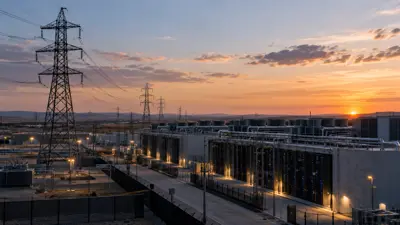
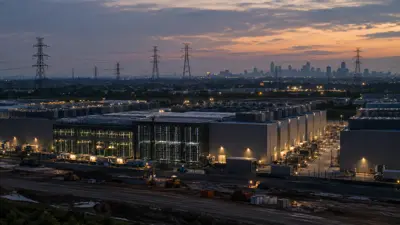
Project Jupiter is less a data center than a giant project financing
- About 1,400 acres: the size of the New Mexico campus site
- Up to 2.45 GW: designed power capacity based on Bloom Energy fuel cells
- About $18 billion: bank loans tied to the project
- About $3 billion: Blue Owl's equity stake
It is tempting to picture an AI data center as simply "a giant computer full of GPUs." Open up the investment structure, though, and it looks more like an infrastructure project stitched together from real estate, power generation, fuel supply, environmental permitting, loans and long-term leases.
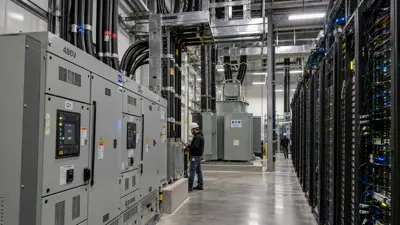
Finishing the building means nothing if there is no power. The gas pipeline feeding the fuel cells cannot be late. The air-quality permit cannot be late. The switchgear, cooling and networking all have to be ready at the same moment. Only after that can billions of dollars of GPUs start running inference workloads and generating cash.
Project Jupiter is built around a Bloom Energy fuel-cell design rated for up to 2.45 GW. But the gas-supply infrastructure and permitting process remain variables. Reuters reports the project carries roughly $18 billion in loans, with Blue Owl putting in about $3 billion of equity. According to people familiar with the deal, Blue Owl's returns are structured to be higher after completion than during construction. Every month the startup slips is a month that higher payout gets pushed back too.
The new metric: Time to Power
- The old question: How many GPUs did you secure?
- The second question: How many gigawatts did you secure?
- The question that matters now: When does that power actually arrive?
Judging the profitability of AI infrastructure now requires a metric that sits one step ahead of the familiar "time to revenue." Call it Time to Power: the time it takes for actual electricity to reach the data center.
The logic is simple. Until power arrives, the capital sunk into land, buildings, cooling, networking and GPUs generates almost no return. Meanwhile interest expense, construction costs, labor and equipment depreciation risk keep piling up. Push the hookup back six months, or twelve, and the project's IRR and the present value of its lease income both change.
That means a slide deck claiming "1 GW secured" is not enough on its own. Investors need to ask what kind of power source it is, the permitting status of the pipeline or transmission line, the interconnection timeline, how far along the on-site generation build actually is, and who bears the cost if the schedule slips.
Read the second act of AI infrastructure in the language of energy and finance
Reuters reports that the Project Jupiter case is already shaping how other data center financings get discussed. Lenders are moving past the stage where a big tech tenant's name on the lease was reassurance enough. Now they are asking, again, who actually absorbs the risk of power and permitting delays.
That shift is a sign of an industry maturing. As models get better and compute demand keeps climbing, the industry finds itself tied more tightly, not less, to older problems: power supply, land, interest rates, contracts, depreciation, long-term debt, project financing.
Moody's told Reuters that AI-related capital spending by six major US technology companies could reach roughly $1 trillion by 2027. At that scale, "is there enough demand" stops being the only question that moves capital. Financial markets are starting to price in construction delays, power hookups, local opposition, collateral value and debt repayment structures, all at once.
Insight Times Editorial Desk