Energy
Generating, moving and selling electricity. Long classified as a cyclical, it has picked up a growth narrative from data centre demand.
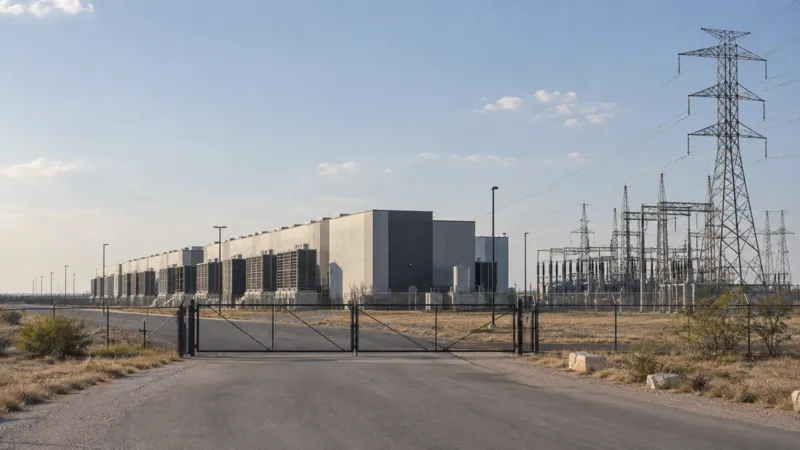
Texas Just Hit Pause on Its Data Center Boom
Requests to connect to the Texas grid have hit 474 gigawatts, about five times the state's record demand, and the state has stopped issuing new permits until it can verify which projects are real.

AI Survived a 5% 10-Year Yield - Now Wall Street Watches Bottlenecks, Not GPUs
The Fed hiked again and Treasury yields topped 5%, but chipmakers barely flinched. The market is starting to ask who controls memory, power and capital, and who can fund it with their own cash.
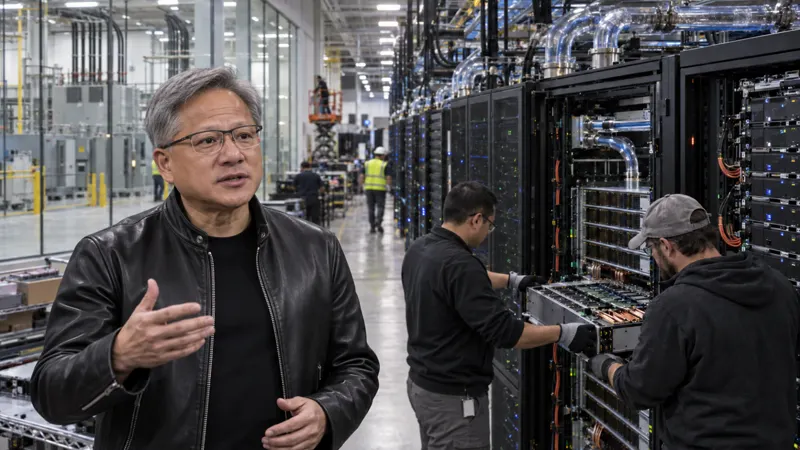
Nvidia's $1 Trillion Bet: How Far Has the AI Infrastructure Supercycle Come?
Nvidia sees Blackwell and Rubin revenue opportunity topping $1 trillion by 2027. The real story isn't chip count, it's AI becoming a physical infrastructure buildout spanning chips, memory, networking, cooling and power grids.
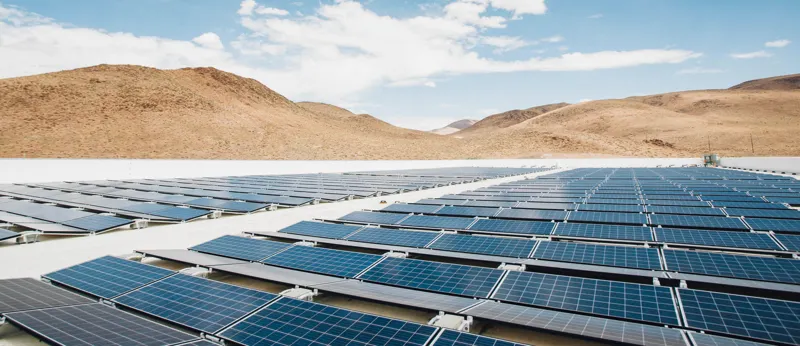
Texas Solar Passed Nuclear. The Real AI-Era Trade Isn't the Panel
Elon Musk says solar's exponential growth will make nearly every other power source disappear. The direction is right, but the investable story runs through storage, grids, transformers and interconnection, not solar modules alone.

The Scarcest Resource for AI Data Centers May Be Permission, Not Power
A pileup of 474 gigawatts in interconnection requests on the Texas grid suggests the next AI infrastructure bottleneck may not be electricity generation at all. Before a gigawatt becomes usable computing capacity, it has to clear grid interconnection, water use, community acceptance and cost allocation.
Forget Dollars: AI Investment Now Needs to Be Measured in Gigawatts
Reports say Microsoft's data center capacity could grow from about 12GW today to more than 38GW by 2032. The real story isn't the CAPEX total, it's that AI has become an industrial infrastructure race spanning power, chips, networking and cooling.
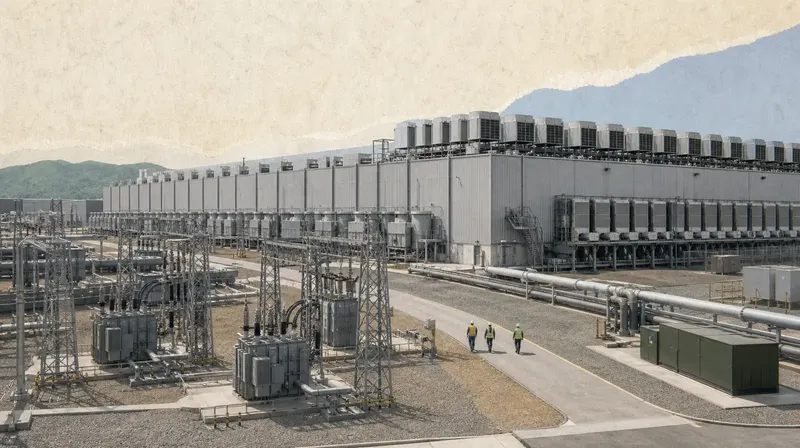
AI's next bottleneck is not silicon. It is electricity
GPUs were scarce, then HBM and advanced packaging. Now the constraint is power delivered to the right place at the right time, and the ability to pull heat out of racks drawing more than 100kW.
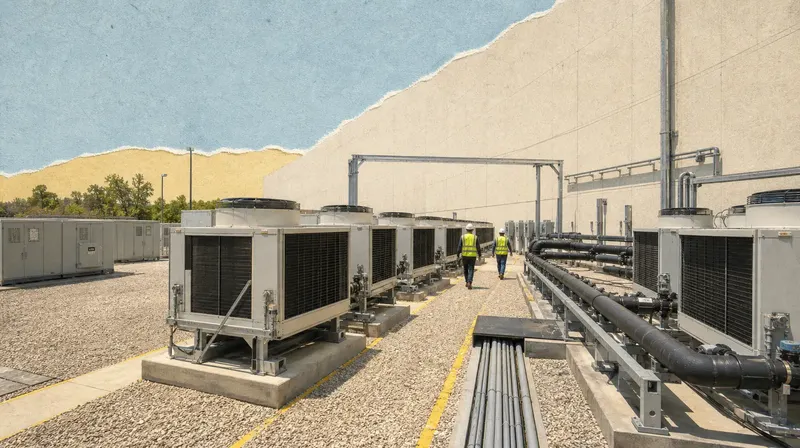
The money in AI runs two ways: one company pays for the power, the other sells it
Meta barely sells AI as a product. It recovers the value inside ad prices and time spent. Vertiv builds no models at all, and sells the power and cooling gear that keeps GPUs running. One side spends the capex. The other side books it as revenue.
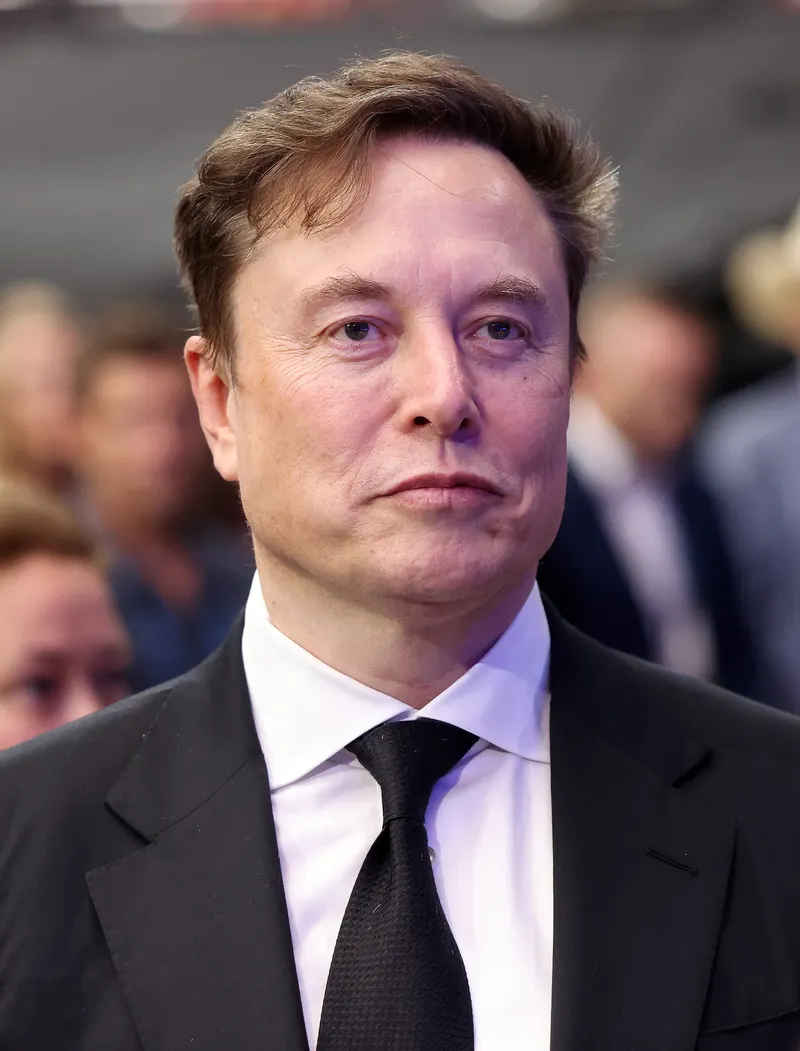
Musk's G20 message: AI's real bottleneck is not GPUs, it is electricity
A billion humanoids and a 20 to 30 percent bigger world economy make headlines. The line investors should read first is duller: AI chips are multiplying faster than the power and physical infrastructure needed to switch them on.
Nothing featured in this section yet.
Enter the email address where we should send the newsletter.