If You Only Watch Tesla, You May Be Missing Half the AI Story
Nvidia builds the AI brain. Who supplies the electricity to run it? Six power companies Tesla investors should know, and why Tesla's storage business is just one link in the chain.
AI moves at digital speed. The power grid does not.
485 TWh: global data center power consumption in 2025
950 TWh: the International Energy Agency's 2030 projection
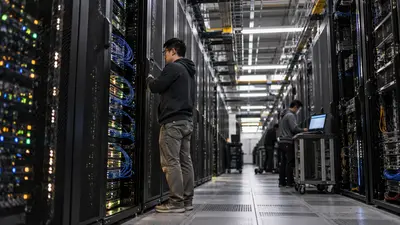
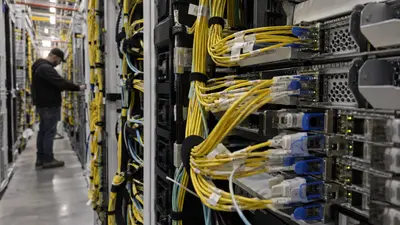
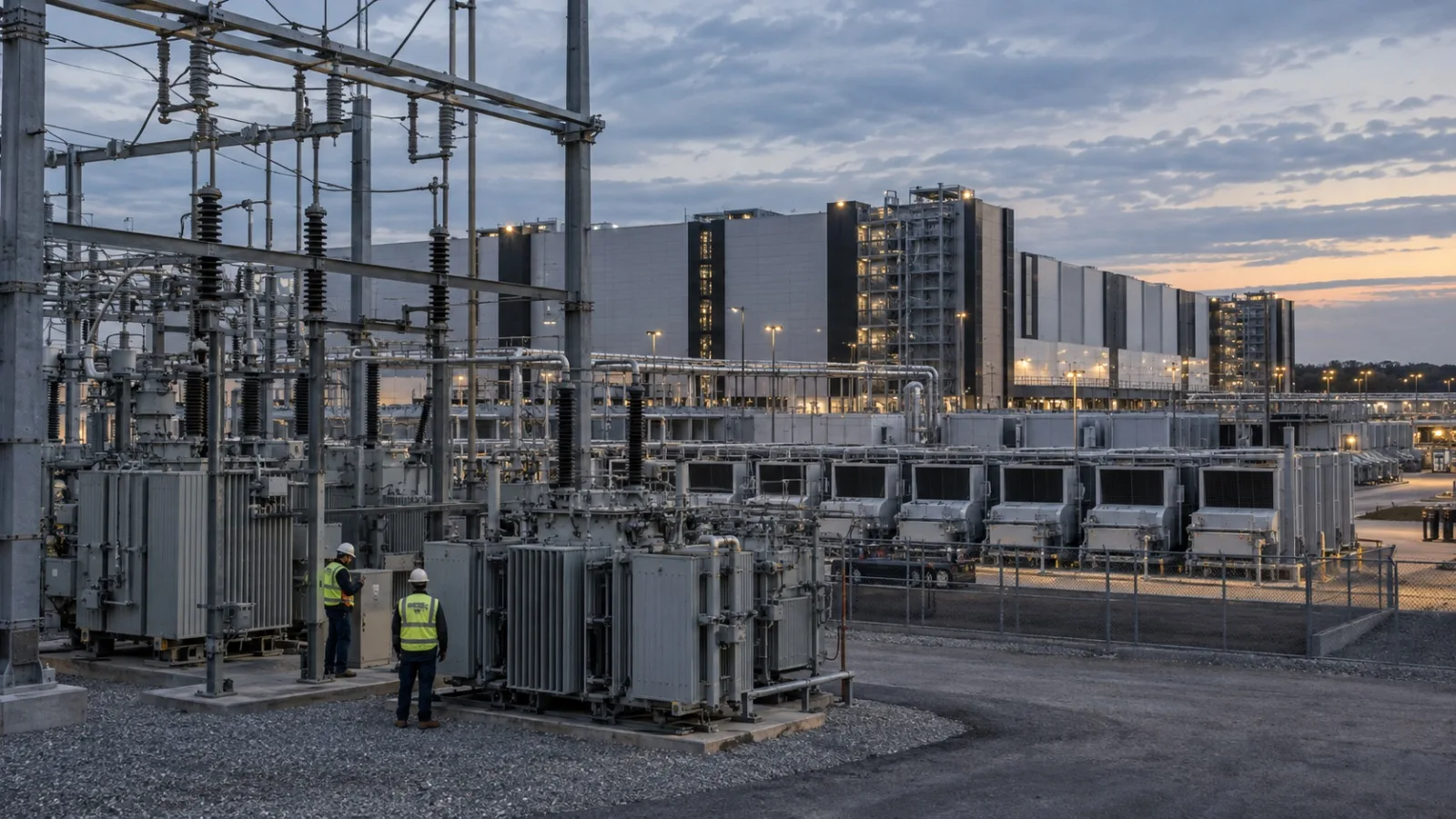
Securing Nvidia GPUs is not enough. Without stable power, a data center cannot start on time. The AI bottleneck is widening from chip supply to grid connections, substations, cooling and generating capacity.
The IEA projects global data center electricity use will rise about 96%, from 485 TWh in 2025 to 950 TWh in 2030. Consumption by AI-focused data centers is expected to roughly triple over the same period. 950 TWh is a little more than Japan's current annual electricity consumption. But this is a forecast, not confirmed demand. It could change with the economics of AI investment and with grid bottlenecks.
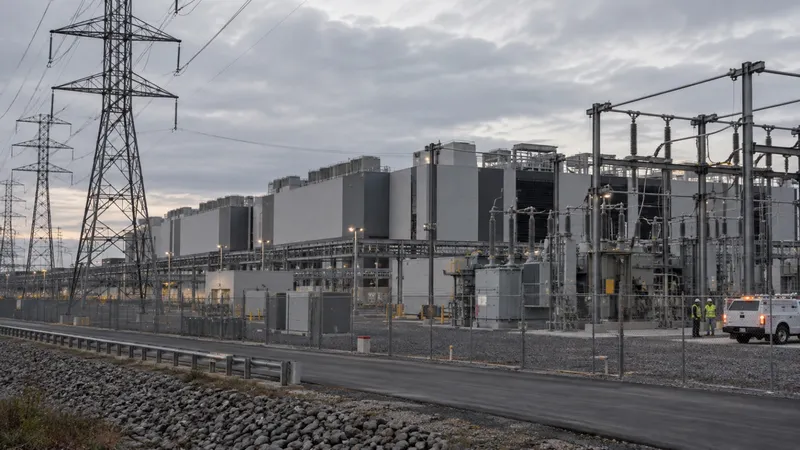
New servers can be installed relatively fast. Power plants, transmission lines and substations need equipment lead times, permits and construction. That gap in timing creates pricing power and order opportunities across the power value chain.
Six stages from power plant to GPU
| Ticker | Company | Role |
|---|---|---|
| GEV | GE Vernova | Power generation equipment |
| CEG | Constellation | Power plant operation |
| PWR | Quanta Services | Transmission construction |
| ETN | Eaton | Distribution and power management |
| VRT | Vertiv | Power and cooling |
| TSLA | Tesla | Energy storage |
GE Vernova (GEV) supplies gas turbines, generation equipment and grid equipment. The more new capacity is needed, the bigger the opportunity. Production capacity, delivery times and costs drive its margins.
Constellation (CEG) operates existing nuclear plants and sells the power. Its 20-year deal with Google involves adding 890 MW through performance upgrades at 11 existing nuclear units. That does not mean 890 MW has already been delivered. The value of a generation asset depends on contract prices, utilization and maintenance costs.
Quanta Services (PWR) builds the infrastructure that carries power to where it is used, including transmission lines and substations. Even as its backlog grows, profit and cash flow can vary with labor, materials costs and construction delays.
Eaton (ETN) supplies switchgear and power management equipment. Whether the source is nuclear, gas or solar, a data center needs a reliable distribution system. Order growth, profitability and valuation all need to be weighed together.
Vertiv (VRT) provides power delivery, thermal management and liquid cooling inside the data center. As the power density of AI racks rises, the value of equipment around each server may rise too. The pace of the technology shift and customers' investment schedules are variables.
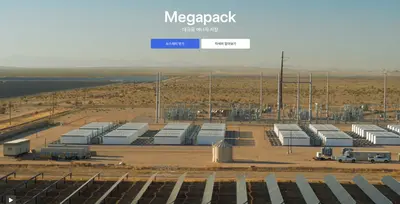
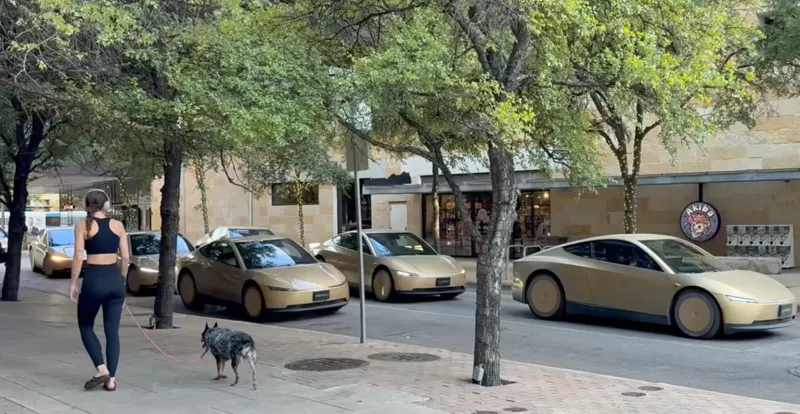
Tesla (TSLA) makes the Megapack, a large battery system that stores electricity and delivers it when needed. It does not replace a power plant or solve a prolonged power shortage. Storage duration, how much power can be charged and project profitability determine the economics.
Tesla Energy is already a business. Growth is not automatic.
$8.428 billion: energy revenue, first three quarters of 2026
30.2%: gross margin over the same period
Tesla's energy generation and storage revenue for the first three quarters of 2026 was $8.428 billion. Gross profit was $2.546 billion, a gross margin of 30.2%. Gross profit is not operating income or free cash flow. The figure also includes products and businesses beyond the Megapack.
Energy revenue over the period fell about 5.7% from $8.934 billion a year earlier. Energy storage deployments in the third quarter were 13.7 GWh, but lower prices, tariff refunds to some customers and shifts in product mix weighed on revenue. That is why revenue growth should not be inferred from deployment growth alone.
Long-term conviction in Tesla and a separate assessment of its energy business can coexist. Expectations for autos, autonomous driving and robots, and the proven revenue of the energy storage business, belong on different time horizons.
Studied Tesla closely? Now look at the grid.
The central question of the AI era does not end at who builds the most powerful model. It extends to who generates, connects, safely distributes, cools and stores electricity, and earns real cash doing it.
Focusing on Tesla's chance of being an important winner while researching other companies is not a contradiction. Conviction in one company should not narrow the view of the whole industry.
This article is for industry analysis and investor education. It is not a recommendation to buy any specific stock.
Insight Times Editorial Desk