The Next AI Data Center Bottleneck May Be Local Consent, Not Power
Amazon is adding $1 billion for communities near its data centers. It signals that scarce AI inputs are shifting from GPUs and power to permits, grid access and local acceptance.
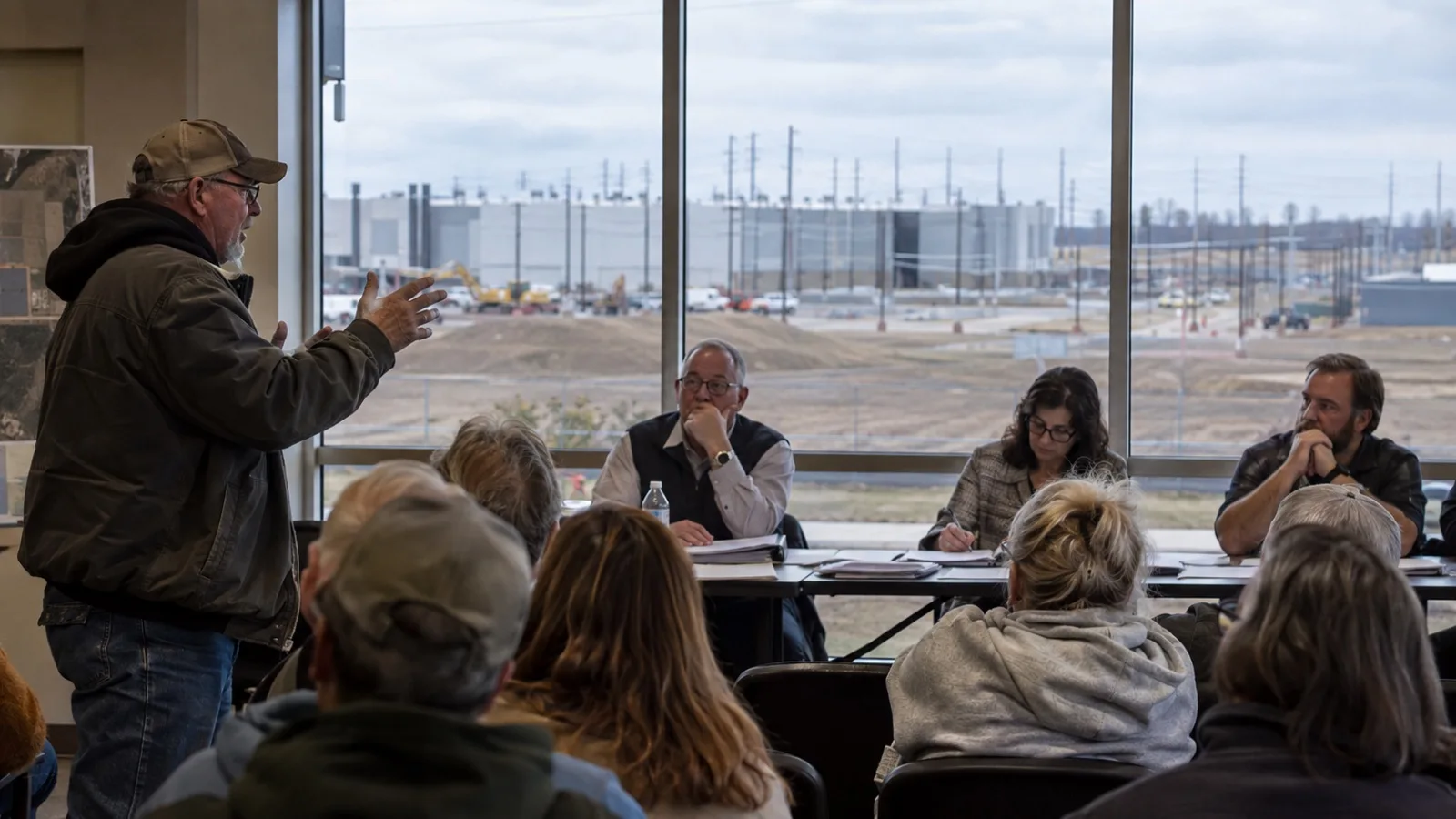
The $1 billion looks less like charity than a "social license" cost
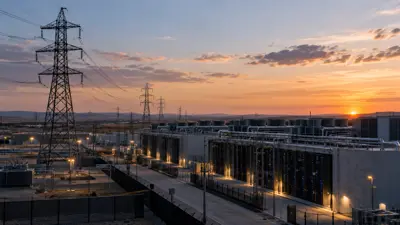
Amazon will put more than $1 billion over five years into communities near its U.S. data centers, under a program called Built Together. The money targets free community college, job training, energy efficiency upgrades, water conservation and local priority projects.
On its face, this is a community support program. To an AI infrastructure investor, it means something else. Securing land and power is no longer enough to build a data center. The cost and time of winning consent from residents, local governments and regulators are starting to enter the cost of infrastructure.
Reuters reported that Amazon invested $276 billion in U.S. data centers from 2011 to 2025. That the company still launched a separate $1 billion program suggests data center expansion has entered a stage where technology and capital alone do not set the pace.
Permits belong in the AI infrastructure supply function
Simplified, data center supply is GPU × memory × power × land × capital × permit. If any one term is zero, real computing capacity is close to zero.
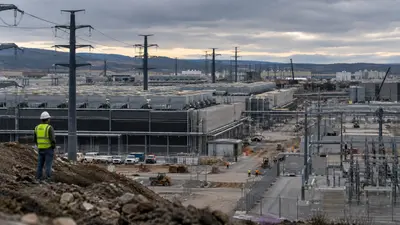
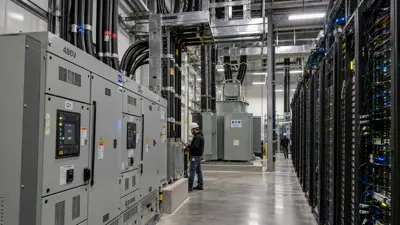
Market attention has recently centered on power. That direction is right. But even with a power plant secured, a project needs transmission and grid interconnection approval. Even with land, it must clear zoning and environmental review. Even with water for cooling, schedules can slip if the community does not accept the costs and environmental burden.
This bottleneck differs from software. Software can be copied. A data center requires buying land in a specific place, signing with a utility, holding community meetings, winning permits and then building. That is why supply cannot grow as fast as AI demand, even when demand explodes.
The gap between planned and operating gigawatts is a new investment variable
AI infrastructure analysis will likely need to separate four stages.
Announced (plan disclosed) → Permitted (approvals complete) → Energized (power connected) → Operational (running)
Announced GW is a disclosed plan. Permitted GW has its approvals. Energized GW is actually connected to power. Operational GW is capacity running AI workloads.
Company announcements usually look largest at the first number. But revenue, GPU demand, power sales and cooling equipment demand connect to the last two stages. The slower permits and grid connection become, the wider the time gap between announced demand and realized demand.
Sites with permits and grid access may gain value
If this shift persists, assets that already hold permits and grid interconnection could become scarcer than new sites. That would change the value not only of data center operators, utilities, transmission and generation assets, but also of land that already carries development rights.
Conversely, for developers that aggressively announced large campuses, the measure of execution becomes less how much they invest than how quickly they finish permitting and power connection. If capex plans are large but Energized GW does not follow, AI demand will reach the financial statements more slowly.
Insight Times Editorial Desk