Musk Sees the Next Phase of AI Infrastructure: Who Can Switch GPUs On, Fast
If neoclouds struggle under financial pressure, AI demand may not shrink. It may simply favor the few operators with the capital and execution to serve it, a shift that could matter for SpaceX and Tesla.
If AI data center companies struggle under financial pressure, does the whole AI industry shrink?
Elon Musk points to a different possibility. Demand for AI compute may keep growing while the number of operators able to supply it falls.
The key is that the basis of competition appears to be moving. It is less about how many GPUs a company can secure, and more about how quickly it can power them on and tie them to sustainable revenue.
20-second briefing
Industry growth does not mean every company wins
A neocloud is a cloud provider that specializes in GPU-based AI compute.
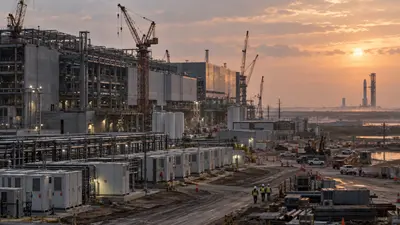
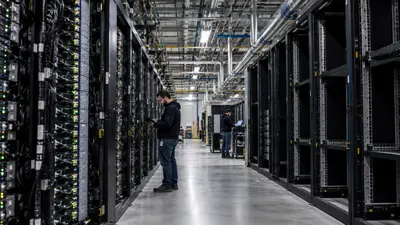
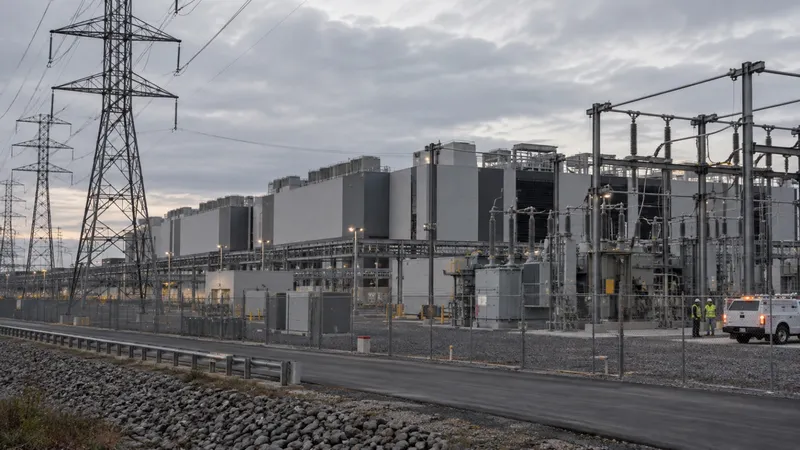
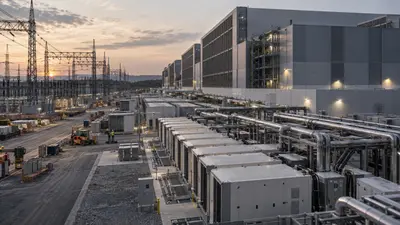
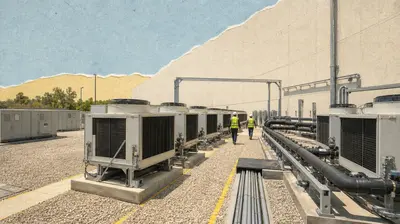
The problem is the business structure. Buying GPUs, securing power, and building cooling and networking all require large amounts of cash up front. Customer revenue arrives only after a facility is finished and service begins.
Even as AI demand surges, lenders do not offer every operator the same terms.
That is the backdrop to Musk's comments about a possible shakeout among neocloud companies.
Industry growth and individual company failure can therefore happen at the same time. Even if some operators exit, the overall AI compute market can keep growing if firms with enough capital and operating skill expand supply.
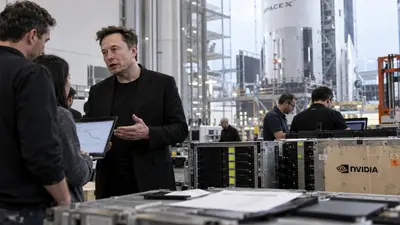
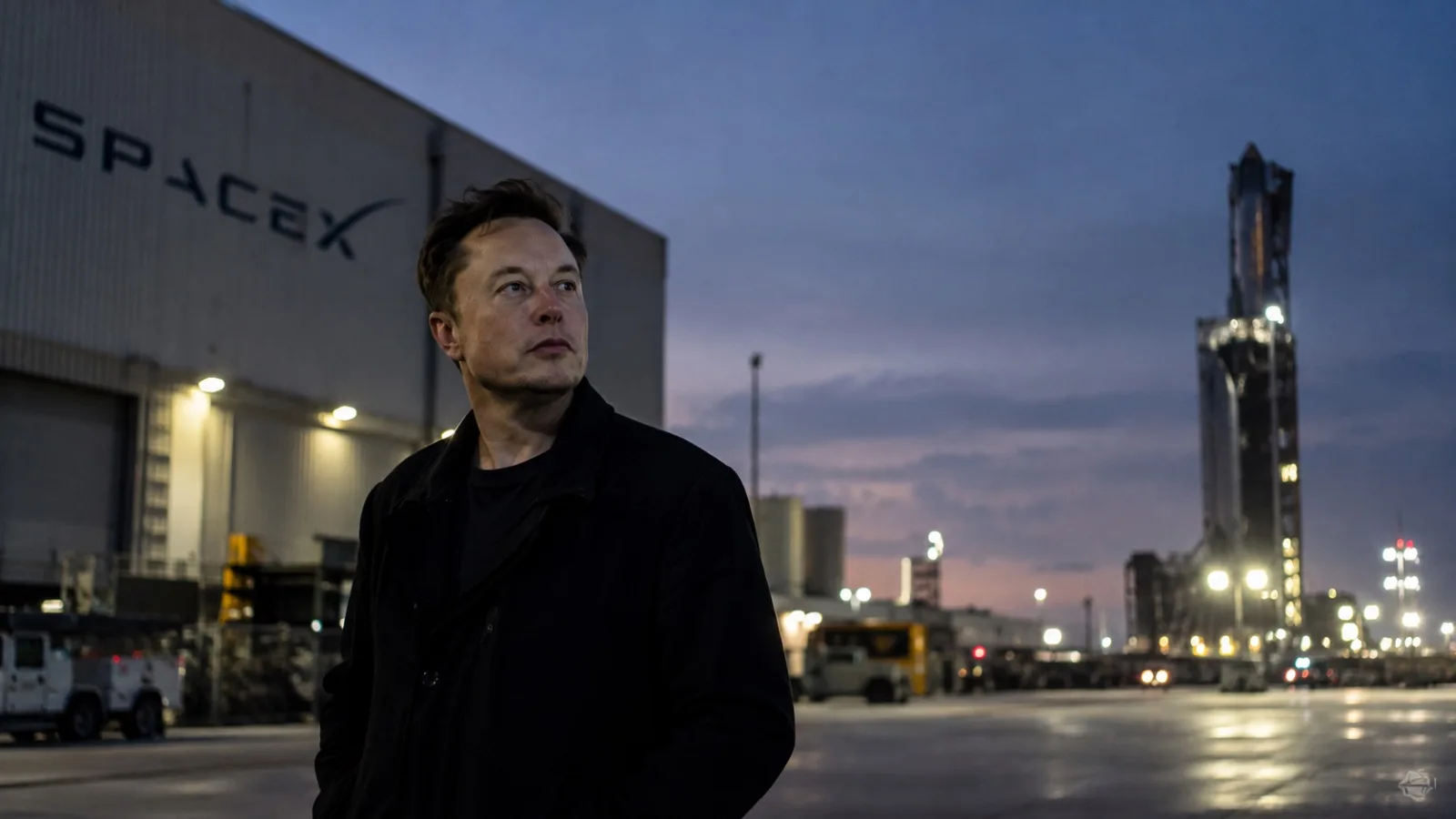
SpaceX has more than the ability to buy GPUs
On October 26, SpaceX announced a binding commitment for a roughly $40 billion financial lease of GPUs and related equipment with a financing entity managed by Apollo.
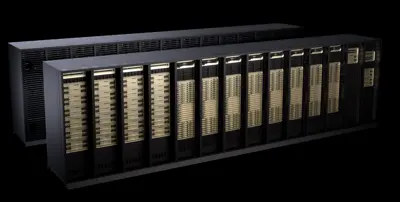
The equipment is next-generation compute hardware based on Nvidia's Vera Rubin. The company expects the deal to close before the end of 2026, with the lease starting on equipment delivery in the first half of 2027.
Still, it matters because it gives concrete shape to how SpaceX would finance a large equipment build-out.
- Financing commitment
- Equipment delivery
- Installation and operation
- Customer revenue
The announced financing commitment and future revenue are separate stages.
What sets SpaceX apart is that it also earns revenue from Starlink and space launch.
In the third quarter of 2026, SpaceX's total revenue was about $14.58 billion, up 161% from a year earlier. Revenue in the Connectivity segment, which includes Starlink, was about $5.25 billion, and operating income in that segment was about $2.37 billion.
That suggests the cash generation of existing businesses may help support AI investment. Segment revenue and operating income, of course, are not the same as freely usable cash.
Tesla's opportunity lies in practical cooperation, not a merger
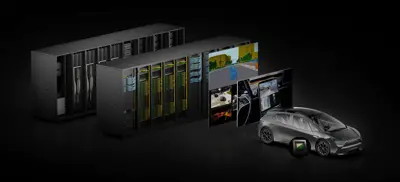
Tesla is trying to carry AI into real-world products through autonomous driving and robots.
If SpaceX expands its AI compute supply, Tesla could look for cooperation on future infrastructure sourcing or joint development.
But that is still only a possibility. The fact that both companies sit under the influence of the same executive does not by itself transfer the economic benefit of SpaceX's financing commitment to Tesla.
According to Tesla's third-quarter 2026 SEC filing, cash and short-term investments were about $45.45 billion, and capital expenditures for full-year 2026 are expected to exceed $20 billion.
That means Tesla has its own investment plans and financial options. If it does work with SpaceX, the key will be less a merger announcement than whether there are actual compute supply contracts, cost savings and gains in development efficiency.
FAQ
Translated into investor language, Musk's remarks come down to this:
If SpaceX can prove that ability in real earnings, and Tesla can turn its AI technology into competitive products, long-term expectations for both companies would rest on firmer ground.
Insight Times Editorial Desk