Musk Borrowed $40 Billion for GPUs. He Also Warned AI Cloud Firms Could Go Bust
SpaceX's giant financing shows a new dividing line in AI: who borrows matters as much as how much is spent. Firms with other revenue may outlast those that rent out GPUs alone.
Why a company borrowing $40 billion is warning about others' bankruptcies
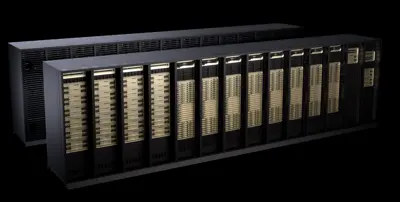
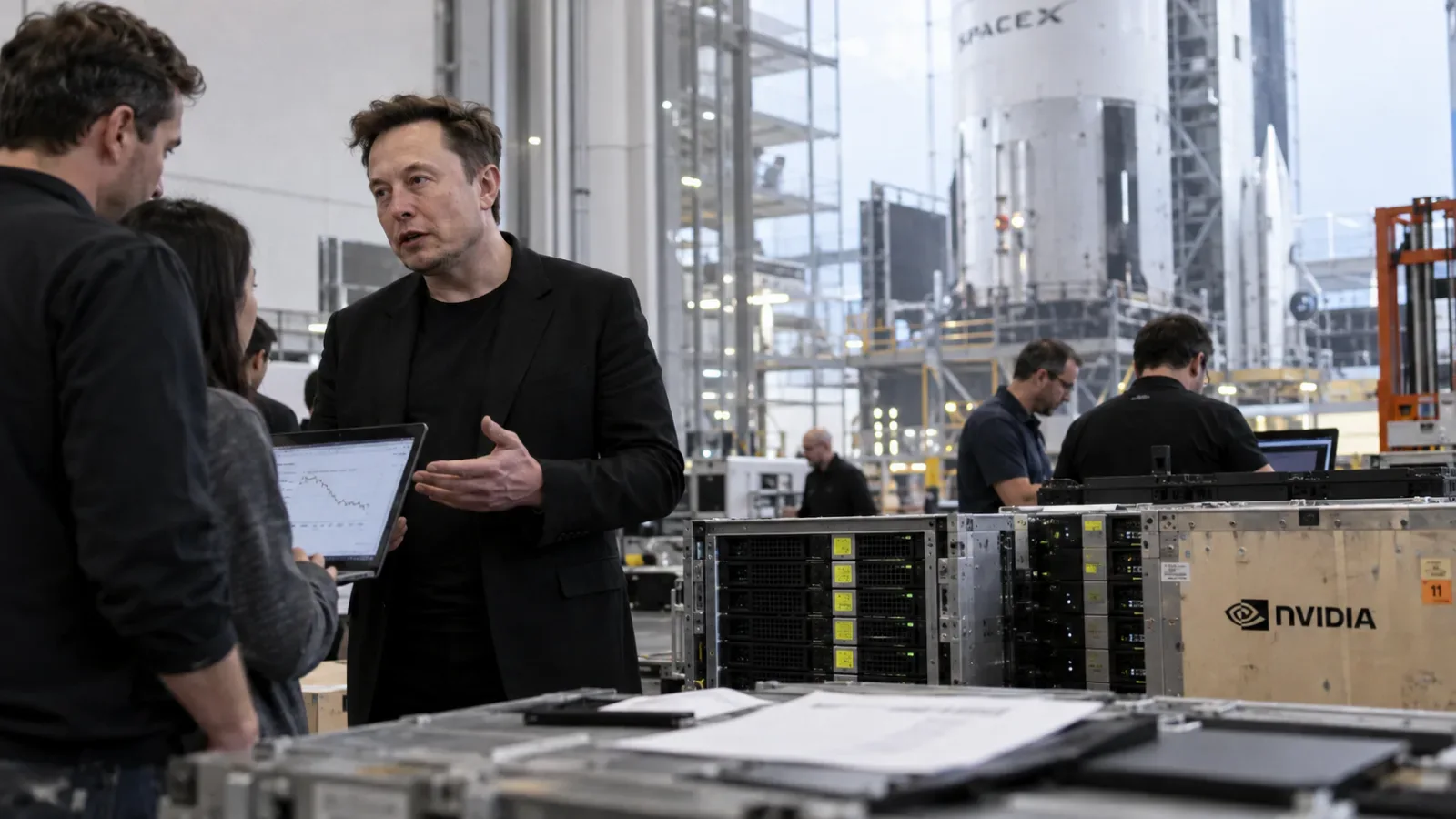
On Oct. 25, Elon Musk said SpaceX had finished raising $40 billion in debt to buy GPUs. The money is mainly for GPUs due for delivery in the first half of 2027. He described the debt as callable, meaning it can be repaid early. The specific terms have not been disclosed.
Musk also argued that borrowing conditions have deteriorated sharply for companies that lack enough revenue outside AI data centers.
That is the core of this story.
The advantage may go not to the company that secures the most AI infrastructure, but to the one that can hold out until AI investment turns a profit.
SpaceX has its Starlink communications business and its rocket launch business. Both can generate revenue separate from AI spending. For some neoclouds, by contrast, GPU rental fees are effectively the main source of income. If customer contracts slip or GPU prices fall, the burden of repaying debt could weigh much more heavily.
Why 161% revenue growth still needs huge funding
SpaceX's third-quarter 2026 results, filed with the SEC, show growth and investment strain at the same time.
- Third-quarter revenue: $14.575 billion, up 161% from a year earlier
- Revenue from the SI segment, including AI: $7.56 billion, or 51.9% of the total
- Third-quarter capital expenditure: $19.593 billion, about 1.34 times quarterly revenue
- Fourth-quarter capex plan: $35 billion to $40 billion, a company projection, not a result
Source: SpaceX third-quarter 2026 filing, Reuters. SI stands for Super Intelligence, a unit that includes AI software and infrastructure.
The notable point is that capital spending is growing faster than revenue. Third-quarter capex exceeded revenue for the period by about $5 billion. That does not immediately mean a cash shortfall or a loss, but it shows how much funding growth requires.
SpaceX's third-quarter operating profit was about $2.791 billion. The AI-related SI segment also posted an operating profit of about $431 million. That is a positive sign that profitability is improving. But earning a profit is a different matter from being able to fund enormous capital spending from internal cash alone.
The neocloud risk lies in debt more than GPUs
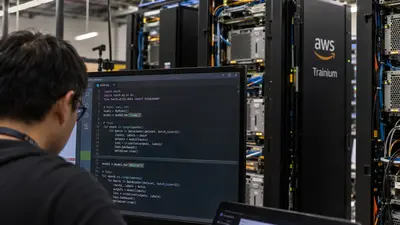
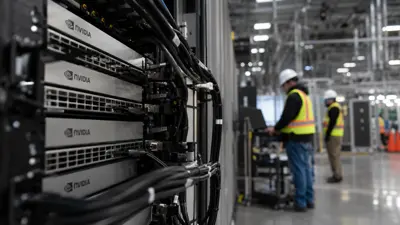
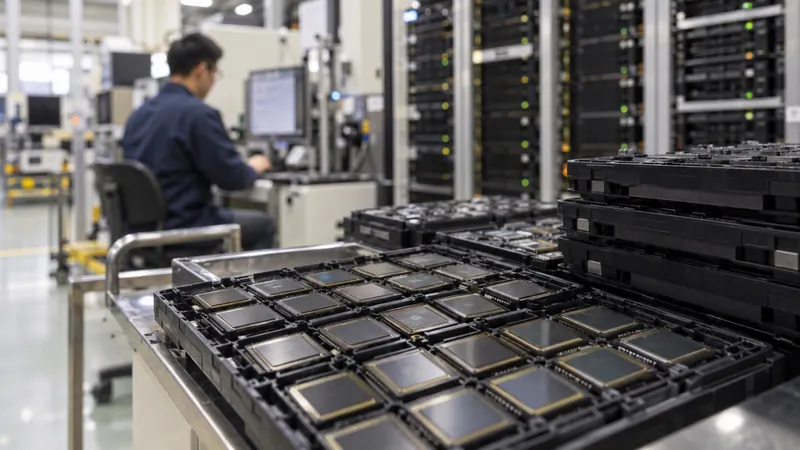
Neoclouds buy Nvidia GPUs in bulk and rent the computing power to AI model developers and companies. CoreWeave and Nebius are the best-known listed examples.
That does not mean the business is structurally doomed. With long-term customer contracts, high GPU utilization, competitive power supply and reasonable borrowing costs, these companies can grow.
The problem is timing. Large sums go into GPUs and data centers first, while customers pay later. If construction is delayed or GPU rental rates fall, the financial strain can grow.
| Diversified infrastructure company | AI-focused neocloud | |
|---|---|---|
| Revenue base | Existing businesses plus AI | Mainly AI compute rental |
| Debt repayment | Can draw on cash flow from several businesses | May depend heavily on AI customer demand |
| Key risk | Scale of investment, execution efficiency | Refinancing cost, utilization, contract fulfillment |
| Survival condition | Keep existing profitability and monetize AI | Secure long-term contracts and cash earnings per unit |
This comparison describes general structures by company type. It is not a judgment on any individual company's financial health.
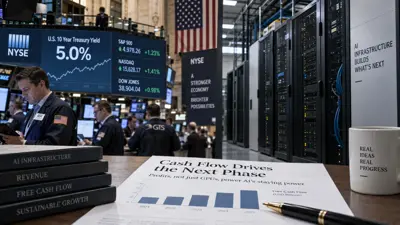
In the end, the real competitive edge in AI infrastructure depends less on how many GPUs a company has secured than on how reliably the cash those GPUs earn can recover the investment and the debt.
Insight Times Editorial Desk