Midterms Matter Less for Big Tech Than Whether Data Centers Get Built
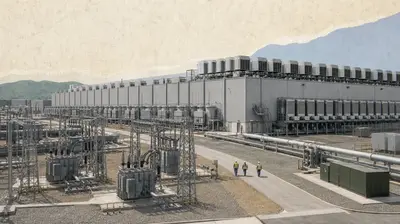
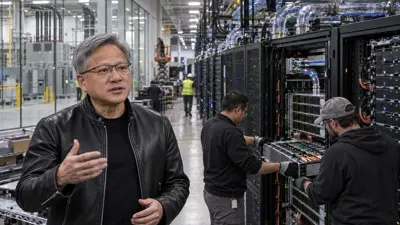
The next obstacle in the AI race may be the power grid, building permits and local consent rather than GPU performance. The question for investors is less which party wins than how fast and how economically planned data centers can come online.
The 20-second read
Two in three Americans take a dim view of fast data center construction
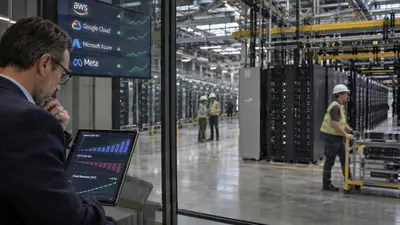
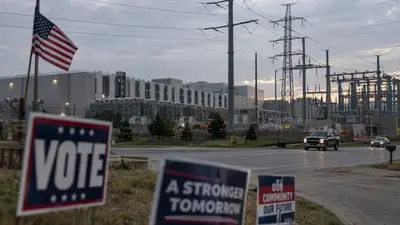
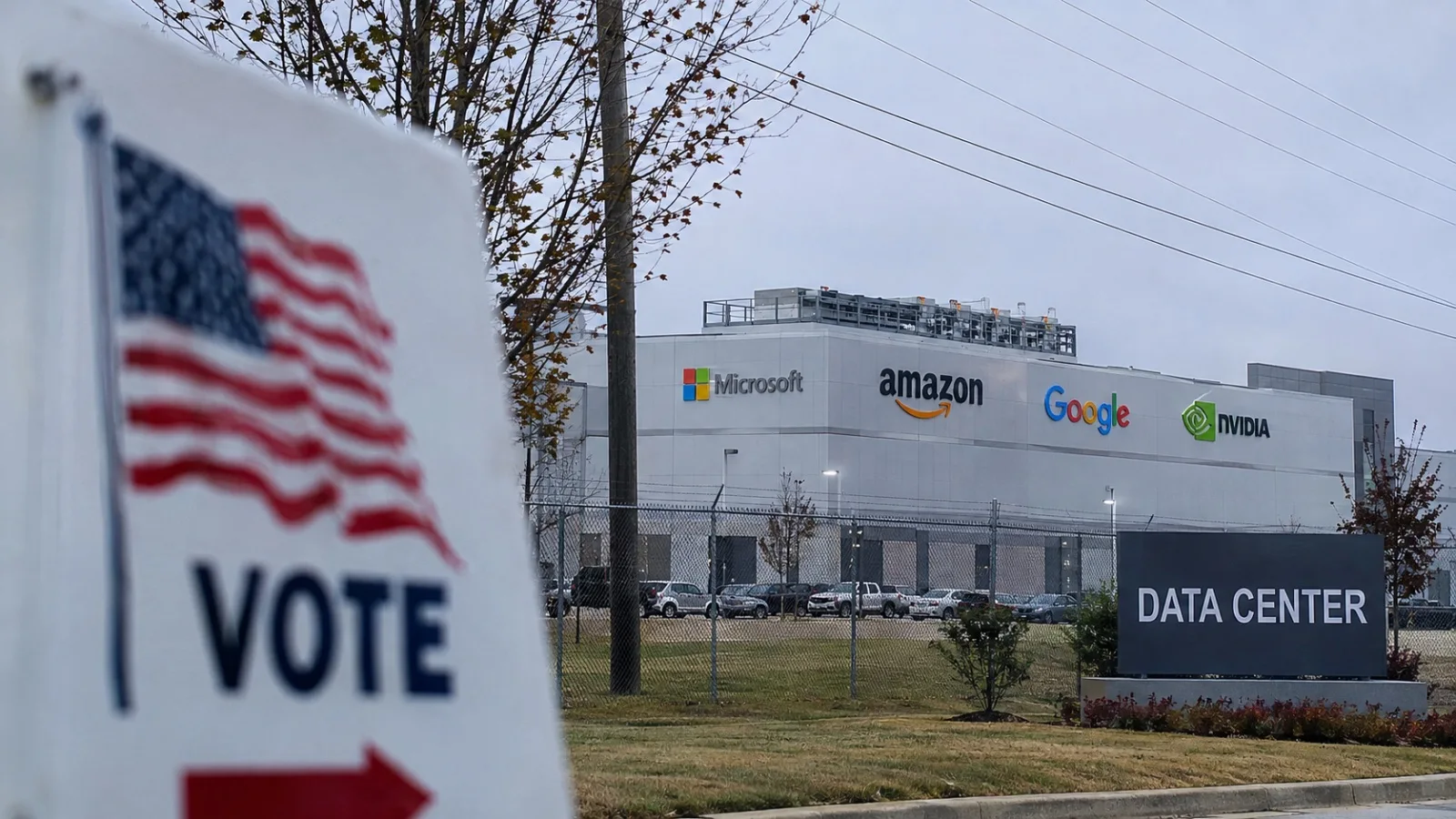
AI has developed a paradox. Companies want more data centers, but residents do not welcome them nearby.
In a June Reuters/Ipsos survey of 4,531 Americans, 33% viewed fast construction of data centers positively. Some 64% viewed it negatively, and 57% opposed a data center being built in their own area. Some 77% worried about higher electricity bills.
An October poll made those concerns more concrete. In a joint ABC News/Washington Post/Ipsos survey, 72% of Americans opposed new data center construction in their area. Opposition was a majority among Republican-leaning respondents as well as Democratic-leaning ones. The surveys were taken at different times and asked different questions, so the two figures cannot simply be read as a trend of worsening opinion.
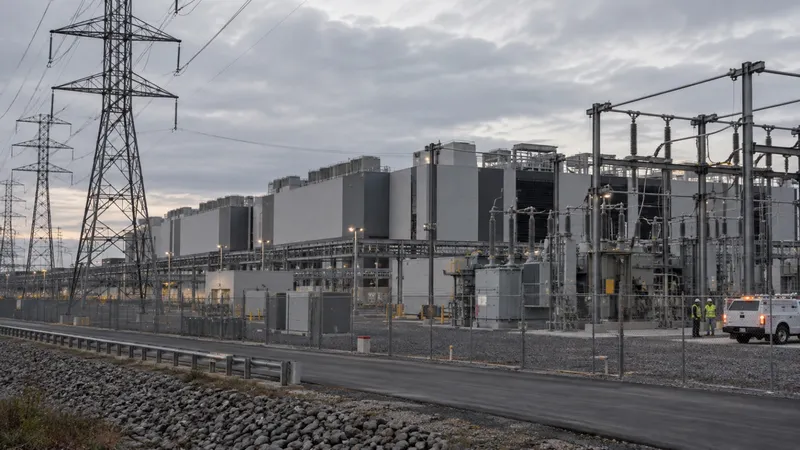
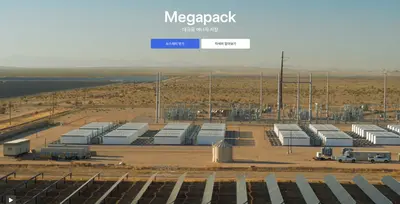
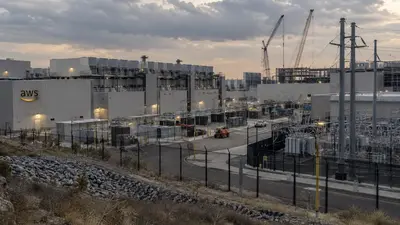
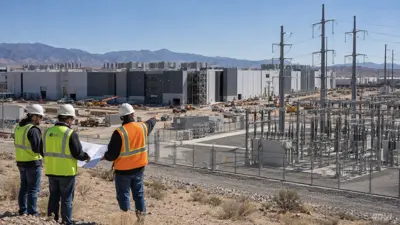
The issue is not only taste for AI. Running a large data center requires expanded transmission lines, generation capacity, cooling water and land. Who pays, and what benefits go to the local community, is the new point of contention.
Data centers are now power policy and local politics
According to the U.S. Department of Energy, data centers accounted for 4.4% of total U.S. electricity consumption in 2023. By 2028, the share was estimated to rise to 6.7% to 12%.
Share of U.S. electricity consumption used by data centers
- 2023 estimate: 4.4%
- 2028 projected range: 6.7% to 12%
Source: U.S. Department of Energy and Lawrence Berkeley National Laboratory estimates. Projections are not confirmed results.
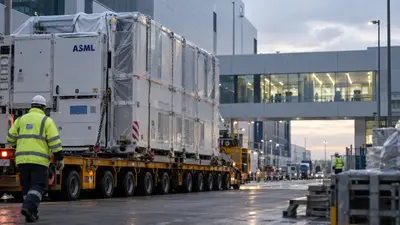
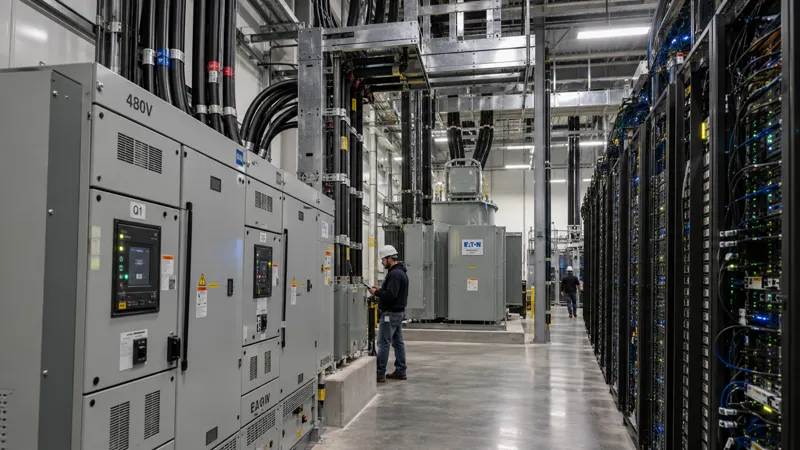
The International Energy Agency expects data centers to account for about half of the growth in U.S. electricity demand through 2030. It has also pointed to bottlenecks in grid connections and in the supply of key electrical equipment.
Rising AI demand is one thing. Getting the data centers that serve it running on time is another. If a chip purchase is followed by a delayed power connection, revenue arrives later and the payback period on money spent up front gets longer.
Three investing backdrops, depending on the election
On Nov. 2, Reuters analyzed how the makeup of Congress could change AI oversight, spending and debt-ceiling talks. A congressional election alone does not decide the president's executive authority or the permitting powers of state and local governments.
| Congressional scenario | What AI investors should watch |
|---|---|
| Democrats gain influence | Possibly tougher corporate investigations and oversight of AI model safety. Pressure to scrutinize data center power costs and environmental impact |
| Divided Congress | Risk of delays in budget and debt-ceiling talks. Slower policy action and fiscal uncertainty |
| Republicans keep control | Continuity of the push to ease infrastructure permitting. Higher Treasury yields and capital costs if spending expands |
In all three scenarios, factors that help data center construction coexist with factors that hurt it. Local opposition, in particular, does not follow party lines.
For Big Tech investors, rates and utilization matter
Data center investment runs on two clocks. One is the time it takes to finish construction. The other is the time it takes to earn the money back.
Construction delays push back the point at which a project starts producing returns. If long-term Treasury yields rise as well, borrowing costs and the discount rate applied to future cash flows can add to the burden.
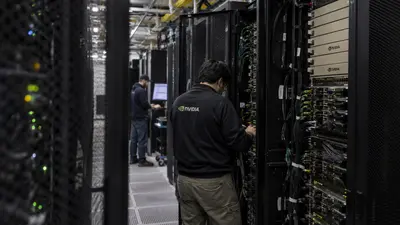
For Nvidia, the key items are GPU orders and the actual delivery schedule. For Microsoft, Amazon, Alphabet and Meta, they are the pace of capital spending growth and the growth rate of cloud and AI revenue. For power equipment companies, grid-connection spending for data centers can itself be an opportunity, though project cancellations and delays are a separate risk.
There is a counterargument. In an October analysis, Goldman Sachs said the outlook for U.S. data center growth through 2027 is largely intact despite local opposition. Social resistance, in this view, does not immediately mean a halt to construction across the industry.
- Scrutiny and regulatory pressure on AI companies could rise, but policies such as expanding the power grid and supporting technological innovation could move forward at the same time. Actual legislation and the impact on individual companies need to be assessed separately.
- The federal push to ease permitting could continue. But that does not shorten every process involving state and local governments, utilities, and residents.
- If new facilities come online later, GPU deployment schedules could be pushed back. On the other hand, demand for equipment upgrades that raise computing efficiency at existing data centers could hold up. Investors should distinguish actual orders and deliveries from customers' capital spending plans.
- There is not enough evidence to read it that way. Power demand and the investment pipeline are still expanding. The key issue is less whether demand exists than when facilities start operating and how profitable they are relative to cost.
What to watch
Insight Times Editorial Desk