Midterms Are 3 Days Out. What Would a Democratic Win Mean for AI Stocks?
The result may matter less than who pays for AI's growth and which companies can keep cash. Data center timelines and costs are the numbers to watch.
1. This election does not change the president
The Nov. 3 midterms are not a presidential election. All House seats and about one-third of Senate seats are up. A Democratic win would not remove President Donald Trump from office.
Republicans now control the White House and both chambers. If Democrats take even one chamber, government becomes divided. New taxes or large policy shifts would then depend more heavily on congressional negotiation. But a harder path for legislation does not end hearings, document requests or state-level investigations.
2. Democrats 52%, Republicans 42%: strong in the House, a wild card in the Senate
An Emerson College poll released Oct. 30 showed 52% support for Democrats and 42% for Republicans on the generic congressional ballot. Trump's approval stood at 37%, with 57% disapproving. The poll surveyed 1,000 likely voters from Oct. 24 to 26.
The Cook Political Report projects Democratic House gains of 12 to 25 seats. National support does not translate directly into seats, though. District and state-level results can differ. Silver Bulletin also noted that, unlike the House outlook, Democratic leads in Senate battleground states could be erased by a normal polling error.
A high probability of a Democratic House takeover is a very different thing from a confirmed win in both chambers.
3. Why AI became a political issue: electricity bills
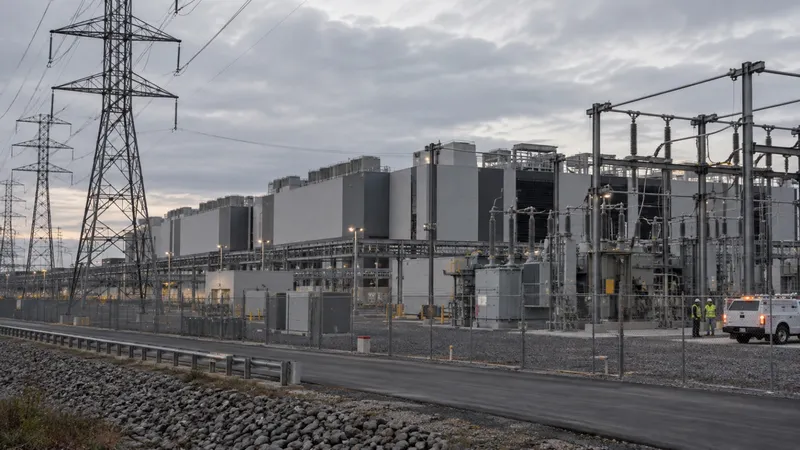
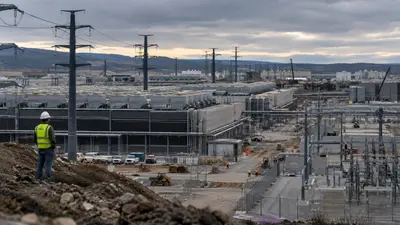
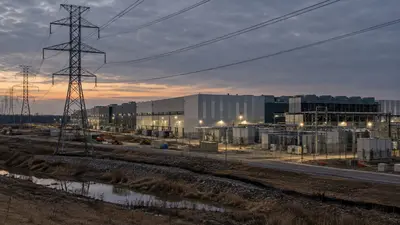
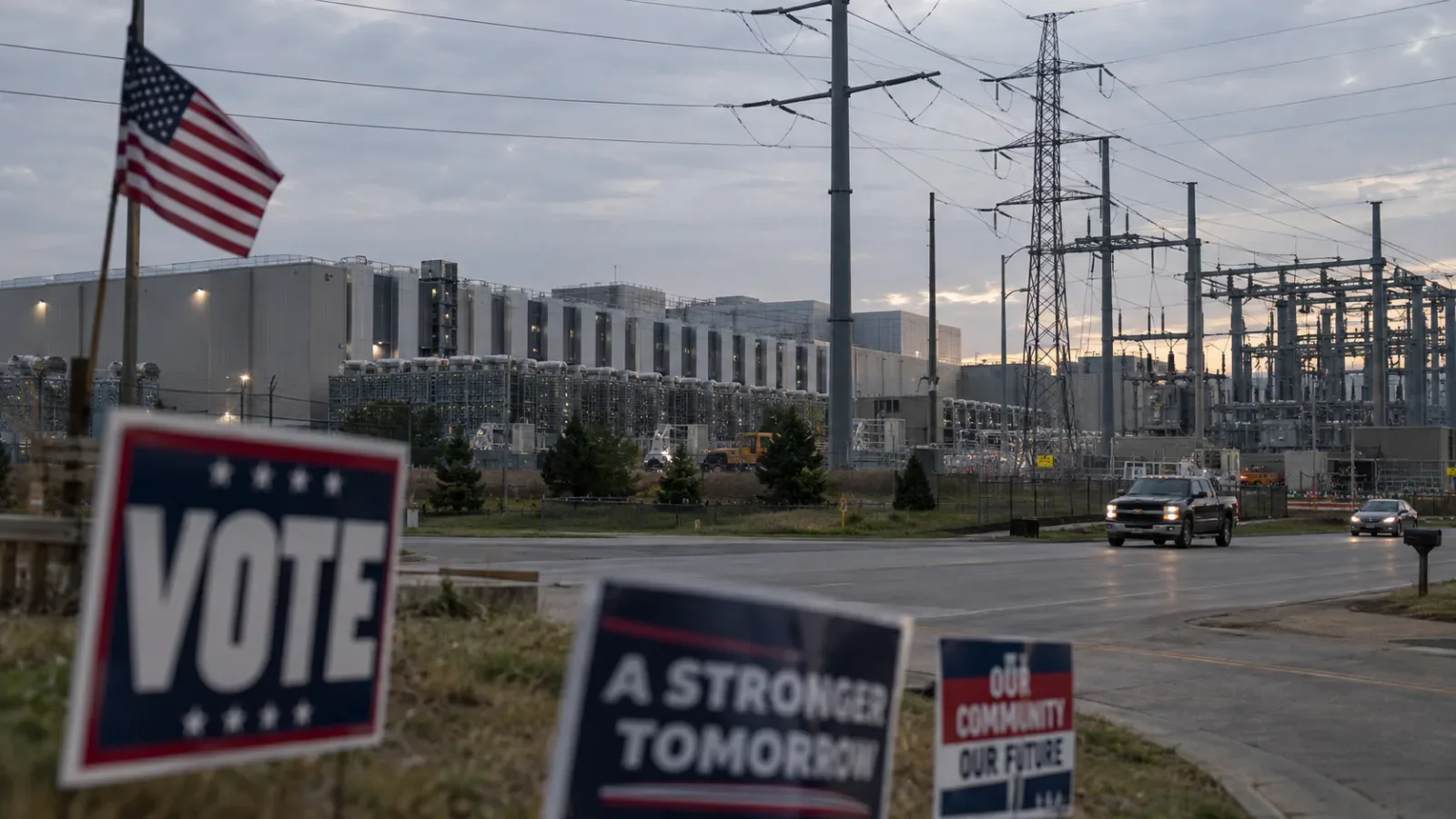
Data centers can bring local investment and tax revenue. They also bring costs: power plants and transmission lines, water use, noise and higher electricity bills for residents. The issue in local politics is less AI growth itself than who pays for it.
In a survey cited by J.P. Morgan Asset Management, about 64% of US adults said AI would reduce jobs. Meanwhile 43% said it is important for the US to lead global AI development. The demands pull in opposite directions: people want competitiveness but do not want to absorb all the burden.
For that reason, a Democratic win is hard to read as simply "anti-AI." If Republicans win, electricity prices and local permitting problems remain.
4. Three outcomes, three investment paths
| Outcome | Possible change | What investors should check |
|---|---|---|
| Democrats win both chambers | Possibly tougher oversight of AI safety, consumer protection and data center tax breaks | Less the hearings themselves than whether product delays, design changes and higher costs actually materialize |
| Democratic House, Republican Senate | More investigations and political fights, but laws may be harder to pass | The gap between a bill being announced and obligations actually taking effect |
| Republicans hold both chambers | Concern about strong federal regulation may ease | Whether local permitting, grid interconnection, environmental review and resident opposition persist |
Rising political pressure is not the same as a full halt in data center investment. Construction stoppages by state and local governments, or delays in grid interconnection, can hit project timelines more directly than debate in Congress.
5. Stocks react to surprises, not to who wins
If a Democratic House win is already widely expected, the fact that the result matches is hard to call a major negative. By contrast, a larger-than-expected seat margin, the Senate outcome and local races tied to data centers could be new information.
That still does not mean every risk is already priced in. Investors need to separate what the market expected, the actual result, and changes in corporate earnings outlooks.
Right after the election, corporate earnings and the monthly jobs report are also market drivers. Attributing every price move to the election is best avoided.
6. Same AI theme, different bills
Big tech: the gap between growth and cash recovery
Companies with compliance teams and financial firepower have room to absorb costs. But as investment grows, it is worth checking whether revenue and cash are coming back. A company that can endure is not the same as a company whose current share price is attractive.
Semiconductors and equipment: canceled orders or delayed deliveries?
Slower data center construction does not mean chip demand has vanished. Customer investment plans, order firmness, delivery schedules and actual utilization help show whether this is a revenue timing delay or worsening project economics.
Power, cooling and electrical equipment: solving bottlenecks is not the same as profit
Demand for power and cooling may be an opportunity. But long-term contract terms, customer credit quality, deliverability and cancellation risk all need to be weighed. For utilities, the key is how much of their capital spending they can recover.
Debt-reliant operators: cash to last until go-live
If a facility opens late, revenue slips while interest and fixed costs keep running. Cash balances, debt maturities, the actual start date and long-term customer contracts matter more than facility size.
Financial and crypto companies should also be watched for tighter oversight. But financial firms are driven by interest rates, loan quality and capital markets activity, and crypto firms are sensitive to trading volume and asset prices. Predicting a whole sector's stock moves from one party's win is difficult.
7. Three things long-term investors can watch from the day after
First, separate seats from the actual force of policy. A politician's remarks, a bill's introduction, passage in Congress, final enactment and implementing rules are different stages.
Second, track investment timelines and cost changes. Check whether data center completion and power hookup schedules, added capital spending and customers' ability to absorb price increases change cash flow.
Third, look for hidden overlap in a portfolio. Holding chips, data centers and power equipment separately can still stack risk if revenue for all of them depends on the capital spending of the same large customers.
For investors who build positions gradually over time, it is likely more sensible to first check whether existing investment assumptions have been damaged by real numbers than to change trading rules on election headlines.
Insight Times Editorial Desk