Nasdaq Futures Drop 2.36% as AI Spending Fear Returns. Should Long-Term Investors Sell?
After Alphabet and Amazon earnings, the market is asking less about AI demand and more about capex and cash flow. The worry is not new, and the useful question is whether your own investment thesis still holds.
1. What is the market so afraid of?
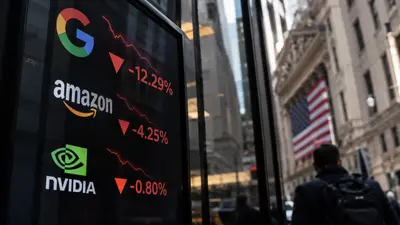
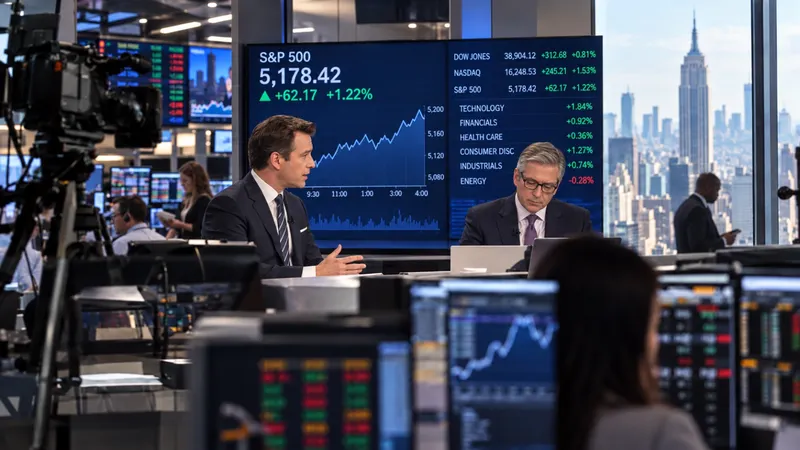
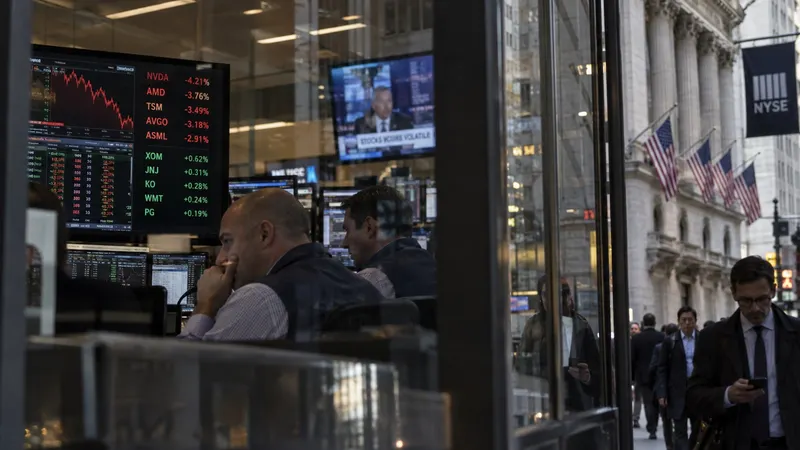
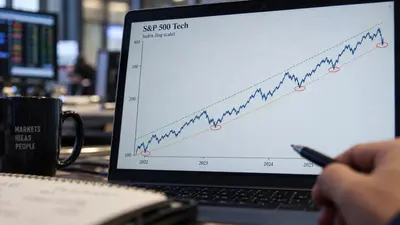
Nasdaq futures were down about 2.36% and S&P 500 futures about 1% on Friday, Oct. 30, ahead of the regular session. Selling pressure built in tech before the US market even opened.
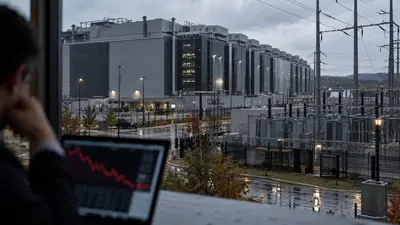
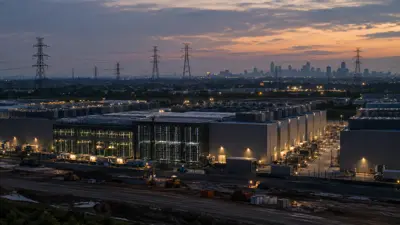
Alphabet, Google's parent, and Amazon sit at the center of the drop. After their earnings, investors again started worrying about the huge capital expenditure (capex) going into AI and the resulting deterioration in free cash flow (FCF).
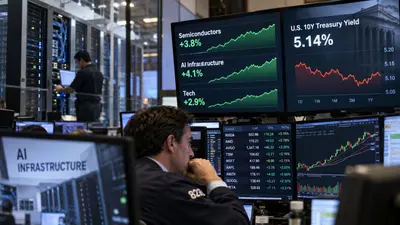
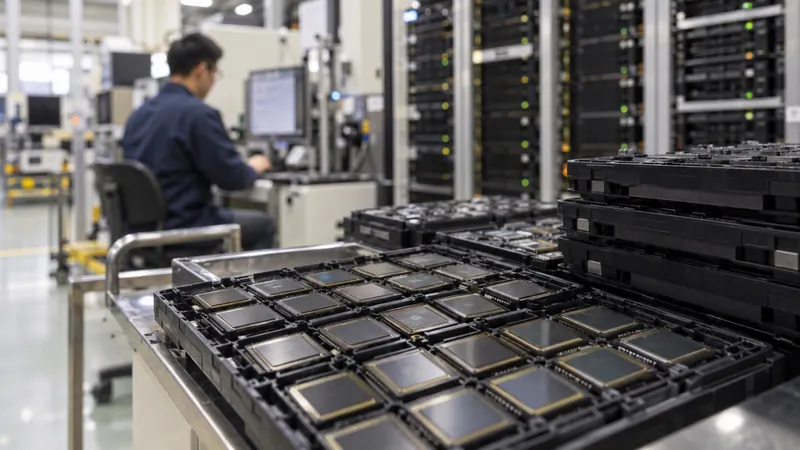
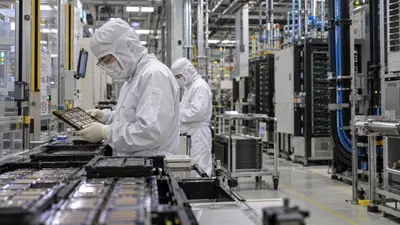
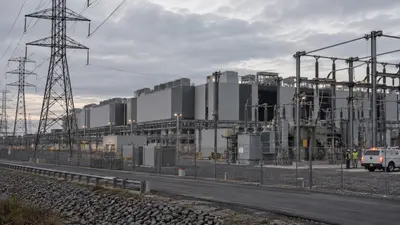
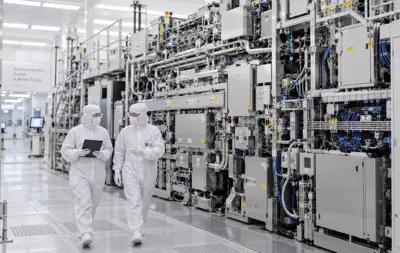
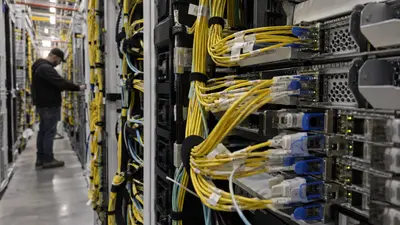
The issue is not that AI demand has vanished. Demand is strong, which is exactly why these companies must spend more on data centers and AI infrastructure.
What has changed is the market's question. Investors now care less about how fast AI is growing and more about how much it costs to get that growth and when the money comes back.
2. Alphabet and Amazon grew, but cash flow was the problem
Alphabet reported third-quarter 2026 results on Wednesday, Oct. 28. Revenue was $127.6 billion, up 25% from a year earlier. Google Cloud revenue reached $30.7 billion, up 103%. Operating income rose 30%, and the operating margin was 31.8%.
That is far from a business in trouble. But a miss in search advertising against expectations, surging AI spending and weaker cash flow fed investor concern.
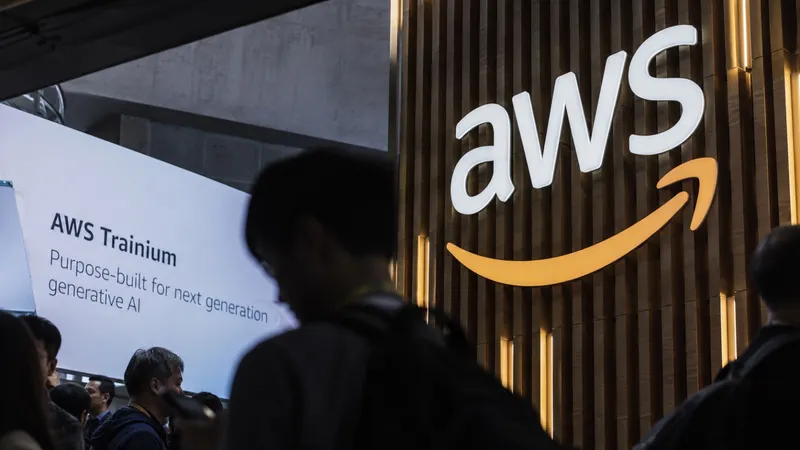
Amazon, which reported on Thursday, Oct. 29, tells a similar story. Third-quarter revenue was $201.9 billion, up 12%. AWS revenue was $46 billion, up 39%, and total operating income was $28.1 billion. The 13.9% operating margin is among the highest in Amazon's history.
Yet Amazon's trailing 12-month free cash flow was negative $42.4 billion. A year earlier on the same basis it was positive $14.8 billion, a swing of $57.2 billion for the worse.
Over the same period, operating cash flow rose 29% to $168.3 billion. Cash is not failing to come in. AI infrastructure spending has simply outrun the pace of cash generation.
One distinction matters here. A company losing cash because its operations are weak is a different problem from a company whose free cash flow shrinks because it is expanding capital spending for future growth.
Of course, spending does not guarantee profit. If AI data centers fail to generate enough revenue and earnings, today's expansion could become tomorrow's margin pressure. The market's concern has a reasonable basis.
3. Is this AI spending scare really new?
It is a familiar scene.
Through 2025, similar debates repeated each time big tech raised its AI investment plans. The question was whether enormous GPU purchases, data center construction and power costs could earn an adequate return.
During the DeepSeek shock in early 2025, fears spread that if AI models could be built more cheaply, existing large-scale AI infrastructure spending might be excessive. AI chips and related tech stocks fell sharply. As AI infrastructure demand and corporate earnings were confirmed, the market recovered.
Amazon has been through this before. When it reported fourth-quarter results on Thursday, Feb. 6, 2025, it said 2025 capex, including AI infrastructure, could exceed $100 billion. AWS growth and next-quarter guidance fell short of expectations, and the investment burden drew attention. The stock fell about 5% at one point in after-hours trading. The next day, Friday, Feb. 7, it closed at $229.15, down about 4.05%. On Friday, Oct. 23, 2026, it closed at $250.38, about 9% above that post-drop close. The road back was not smooth, but the earlier scare did not mean a permanent decline.
Meta's case is more dramatic. In its Oct. 29, 2025 earnings report, it raised its full-year capex outlook to $70 billion to $72 billion and said spending would grow further in 2026. Concern over returns spread, and the stock plunged 11.33% on Thursday, Oct. 30. On Wednesday, Oct. 21, 2026, it closed at $697.52, about 4.7% above the $666.47 close right after that plunge. But on Thursday, Oct. 29 it closed back down at $624.52. The shares did recover for a stretch over time, but that recovery was not permanent.
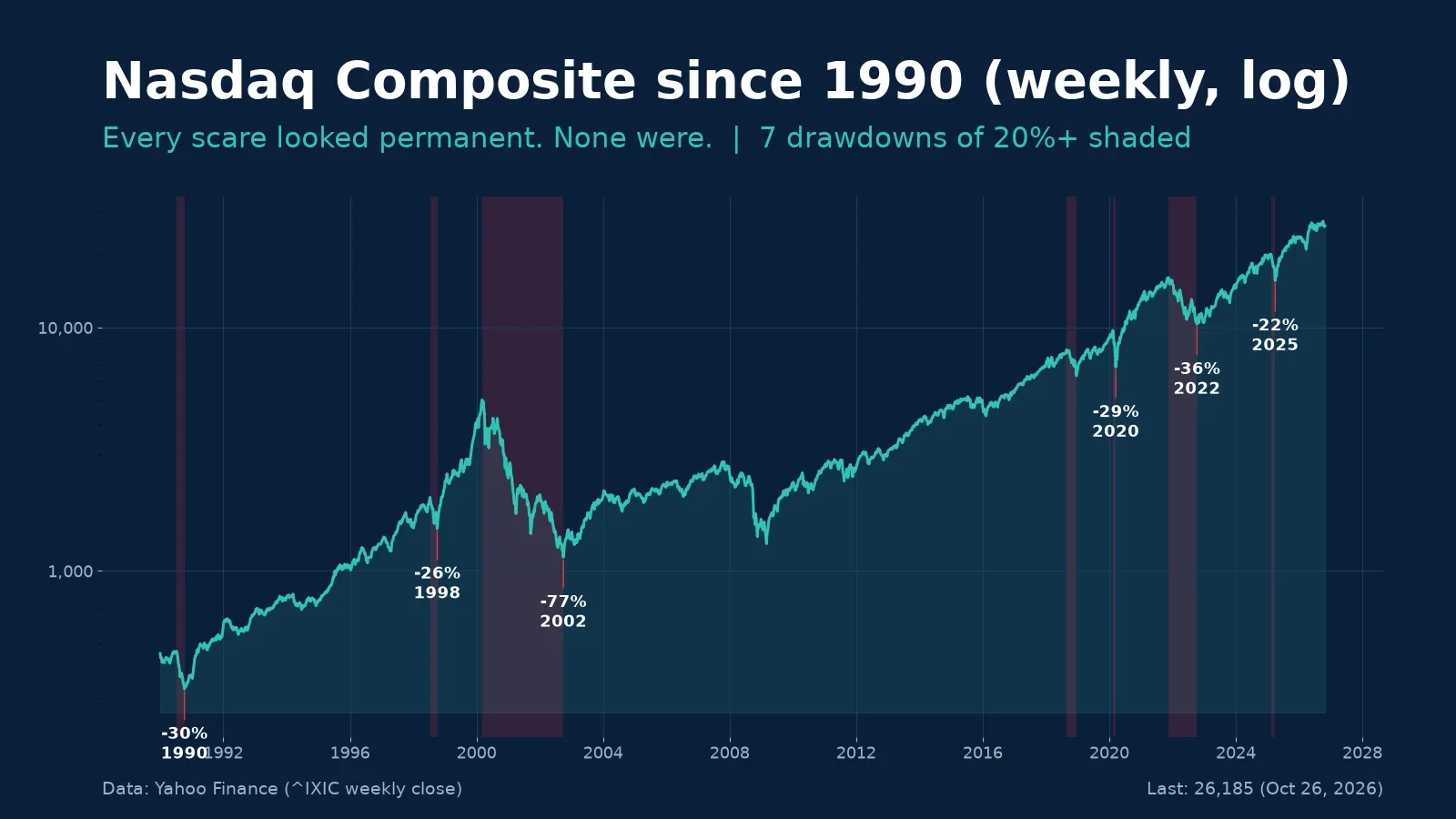
AI spending and profitability debates repeated through 2025 and 2026. In some cases tech stocks corrected and then rose again.
That does not mean the outcome must be the same this time. Past recoveries do not guarantee future returns. But even when the market reacts as if it has just discovered a risk, it is worth asking whether that risk is truly new.
Doubts about recouping AI investment did not appear overnight. They are a structural risk of the industry that long-term investors should already know about.
4. More AI spending is not necessarily bad news
Higher capex can reduce free cash flow in the short run. But it is worth looking at why spending is rising.
Alphabet's cloud revenue up 103% and Amazon's AWS up 39% are evidence that demand for AI-related infrastructure remains strong. Total cloud revenue should not be read as all AI revenue, however.
What matters to investors is not the increase in capex itself but the future cash flow it generates.
When a data center is built, cash goes out first. As customer usage grows and utilization rises, revenue and cash collection may follow. If demand falls short or competition pushes prices down, the payback period gets longer.
To tell the two apart, look at cloud growth, operating margin, operating cash flow and capex growth together.
That the AI industry is growing is entirely different from saying AI stocks always go up. Even a great business can deliver disappointing returns over a long period if bought at too high a price.
5. The bigger risk for long-term investors is the habit of reacting to fear
When Nasdaq futures fall more than 2%, anxiety is natural. For investors heavily weighted in tech, unrealized losses can feel large.
But the question for a long-term investor is a little different.
More important than how far futures fell today is whether the competitive position of the companies you own has actually been damaged, whether their long-term earning power has changed, and how much of that risk the current price already reflects.
This is especially true for anyone running a dollar-cost averaging (DCA) plan, investing a fixed amount each month.
When prices fall, the same amount buys more shares. When prices rise, it buys fewer. The point of the strategy is to spread out purchase timing without trying to predict the market's short-term direction.
DCA does not prevent losses or guarantee gains. If a company's competitiveness is permanently impaired, or if the entry price was too high, buying in installments cannot avoid losses.
So the premise is to check the fundamentals of what you own, separate money needed for living expenses from investment money, and keep a stock allocation you can bear.
If those conditions hold, one day's drop in futures is not much of a reason to change existing principles.
6. The news talks of crisis daily, but investors need not decide daily
Financial markets produce a new story every day.
Yesterday the worry was too little AI investment. Today it is too much. Yesterday the market demanded growth. Today it demands cash flow.
It is natural for the market's yardstick to shift. But investors do not have to change their long-term plans each time.
News carries important information about risk. Still, the urgent tone of a headline should be kept apart from any real change in a company's value.
When markets fall, the behavior most worth avoiding is selling good assets cheaply under pressure from fear and without enough analysis. The opposite is also worth guarding against: buying aggressively just because prices fell, without weighing value.
No one can say precisely how deep this correction will go. The possibility that AI spending turns into real overinvestment should be kept open.
But if the long-term thesis holds and the DCA plan and cash management are sound, today's drop may not be an event that demands action.
Read the news, but there is no need to follow the emotions it creates.
A long-term investor's edge often comes less from calling the market's direction each time than from sticking to principles in uncertain moments.
The market is noisy again today. But an investor's time horizon does not end with one day.