Meta's Muse Test Isn't App Rank. It's Ad Conversion vs AI Costs
Muse's early download numbers beat ChatGPT's launch pace, but the real question is whether Meta can turn attention on Instagram, Facebook and WhatsApp into purchases, bookings and ad revenue that outpaces its rising AI bill.
<span class="badge">INSIGHT TIMES · AI / META</span>

The launch is a hit. The business case isn't proven yet
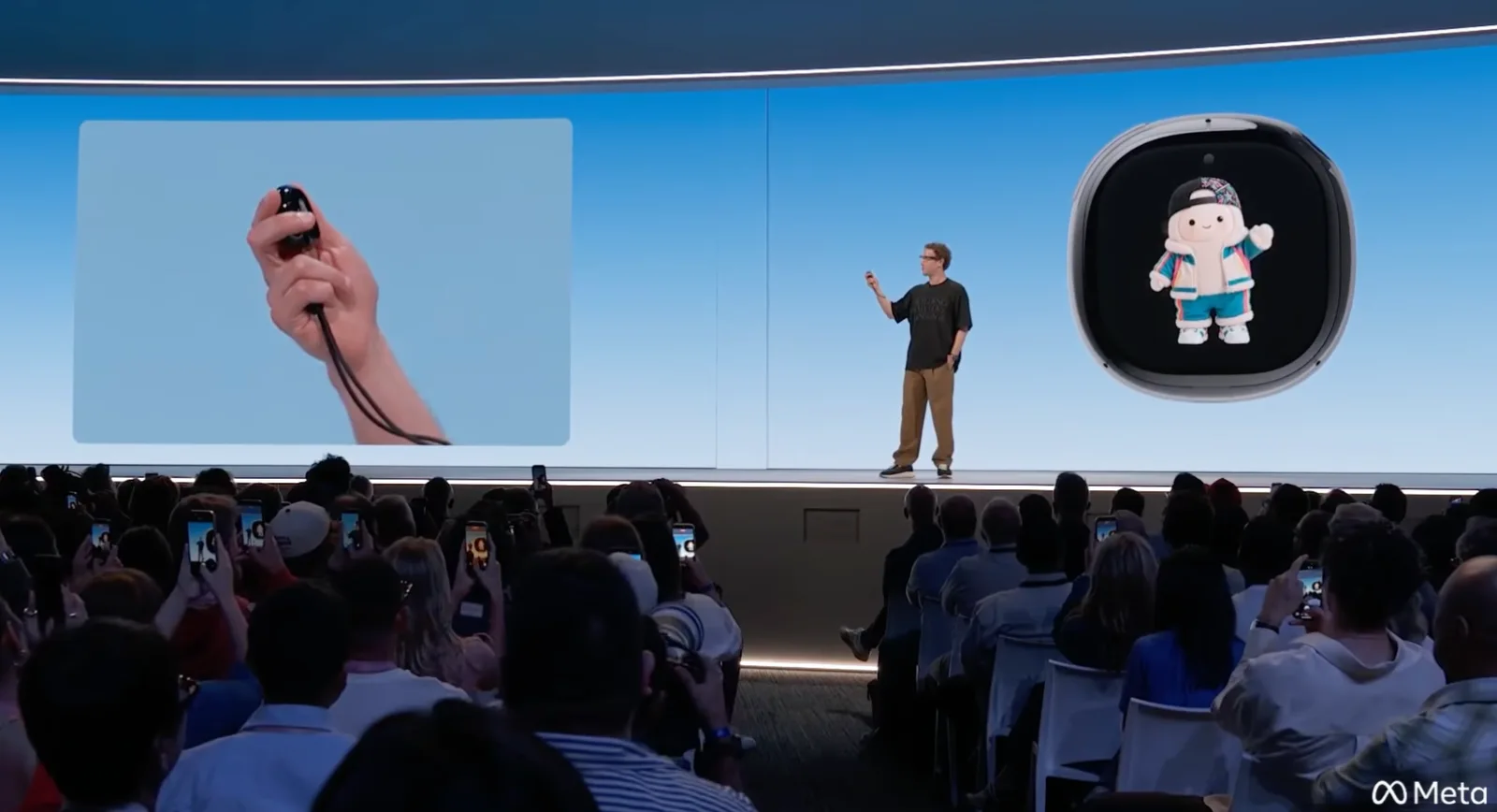
Meta unveiled its personal AI agent, Muse, on September 8. Unlike a standard chatbot that just answers questions, Muse is built to carry out real tasks: sending emails, booking travel, filling out web forms, and getting a purchase to the final step before checkout. It runs inside a dedicated sandbox called Muse Secure VM, and sensitive actions require user approval before Muse acts.
Early distribution has been strong. Apptopia's tracking puts installs at roughly 2.8 million in the first 12 days. On the more directly comparable US and Canada iOS measure, that figure was 1.8 million, ahead of ChatGPT's mobile app, which logged 1.3 million installs in its own first 12 days. These are third-party estimates, not Meta's own disclosures, and install counts say nothing about paid conversion or long-term retention.
<div class="metrics"> <div class="metric"><div class="num">2.8M</div><div class="label">Estimated Muse installs across iOS and Android in the first 12 days</div></div> <div class="metric"><div class="num">$59.4B</div><div class="label">Meta's Q2 2026 ad revenue, up 27% year over year</div></div> <div class="metric"><div class="num">$130-145B</div><div class="label">Meta's projected 2026 CapEx, the number that has to be weighed against any AI payoff</div></div> </div>

Meta's edge isn't the operating system. It's the distance from attention to action
Apple and Google start from a different place. Apple links context at the system level: the device, the OS, Messages, Photos, Mail. The Siri AI update unveiled in September leans on understanding personal context, reading the screen, and acting across apps. Google is layering Gemini's agent features on top of Android and Chrome, automating tasks like bookings and orders directly inside the browser.
Meta doesn't have that kind of system-level access. What it has instead is a detailed picture of what users watch, save, share, and which ads they respond to. That distinction matters. In a race to become the "operating system for daily life" where an AI agent handles everything, Apple and Google hold the advantage. But in the specific moment a consumer decides what to buy or where to go, Meta's data can be the stronger asset.
<div class="flow" aria-label="Meta's AI monetization flow"> <span>Content consumption</span><i>→</i><span>Interest signals</span><i>→</i><span>AI recommendation</span><i>→</i><span>Comparison / conversation</span><i>→</i><span>Purchase / booking</span><i>→</i><span>Ad conversion measurement</span> </div>
This is where Muse's economics come into focus. Meta posted $59.4 billion in ad revenue in the second quarter of 2026, up 27% from a year earlier. Even if Muse never becomes a meaningful standalone subscription business, it could still feed directly into the core business by sharpening ad targeting accuracy and lifting purchase conversion rates.
The number investors should watch harder is on the cost side
The stronger the AI story gets, the more the cost side needs checking too. Meta's Q2 2026 revenue came in at $60.8 billion, up 28%, but costs and expenses rose faster, climbing 55% to $42 billion. Operating margin slid from 43% to 31%. Quarterly CapEx hit $31.1 billion, and free cash flow was just $784 million. The company's own guidance puts full-year 2026 CapEx at $130-145 billion.
One-time legal costs and restructuring charges are baked into that quarter, so a single quarter's numbers can't settle whether the AI spending is paying off. Still, the investment framework is clear enough. As Muse's user base grows, so does the bill for inference, browsing, and executing transactions on users' behalf. If gains from better ad targeting, subscriptions, and transaction fees don't keep pace with that rising cost, a popular product doesn't automatically translate into a higher valuation.

Meta isn't playing on the same field as Apple or Google
<div class="table-wrap"> <table> <thead><tr><th>Company</th><th>Strongest asset</th><th>Where it wins in agentic AI</th><th>Core weakness</th></tr></thead> <tbody> <tr><td><strong>Meta</strong></td><td>Relationships, content, ad response data, messaging</td><td>Discovery, recommendations, social commerce, WhatsApp Business</td><td>No OS-level access, no default payments or device control</td></tr> <tr><td><strong>Apple</strong></td><td>Devices, OS, personal context, system apps</td><td>Everyday assistant tasks, device control, work built on personal data</td><td>Slower pace expanding into the open web and commerce</td></tr> <tr><td><strong>Google</strong></td><td>Search, Android, Chrome, Gmail, Maps</td><td>Search, browsing, work tasks, automating local services</td><td>Agent adoption risks cannibalizing its own search ad business</td></tr> </tbody> </table> </div>

What to Watch

FAQ
</markdown>
Insight Times Editorial Desk