Zuckerberg Doesn't Want an AI Gadget. He Wants a World Without Apple
The point of Meta's Muse Charm isn't its 2-inch screen. It's Meta's bid to own the first screen, the personal agent, and the gateway to transactions in the AI era, outside Apple and Google's operating systems.
SO WHAT
The 2-inch screen isn't the point. Owning the gateway is.
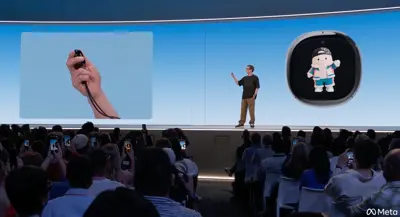
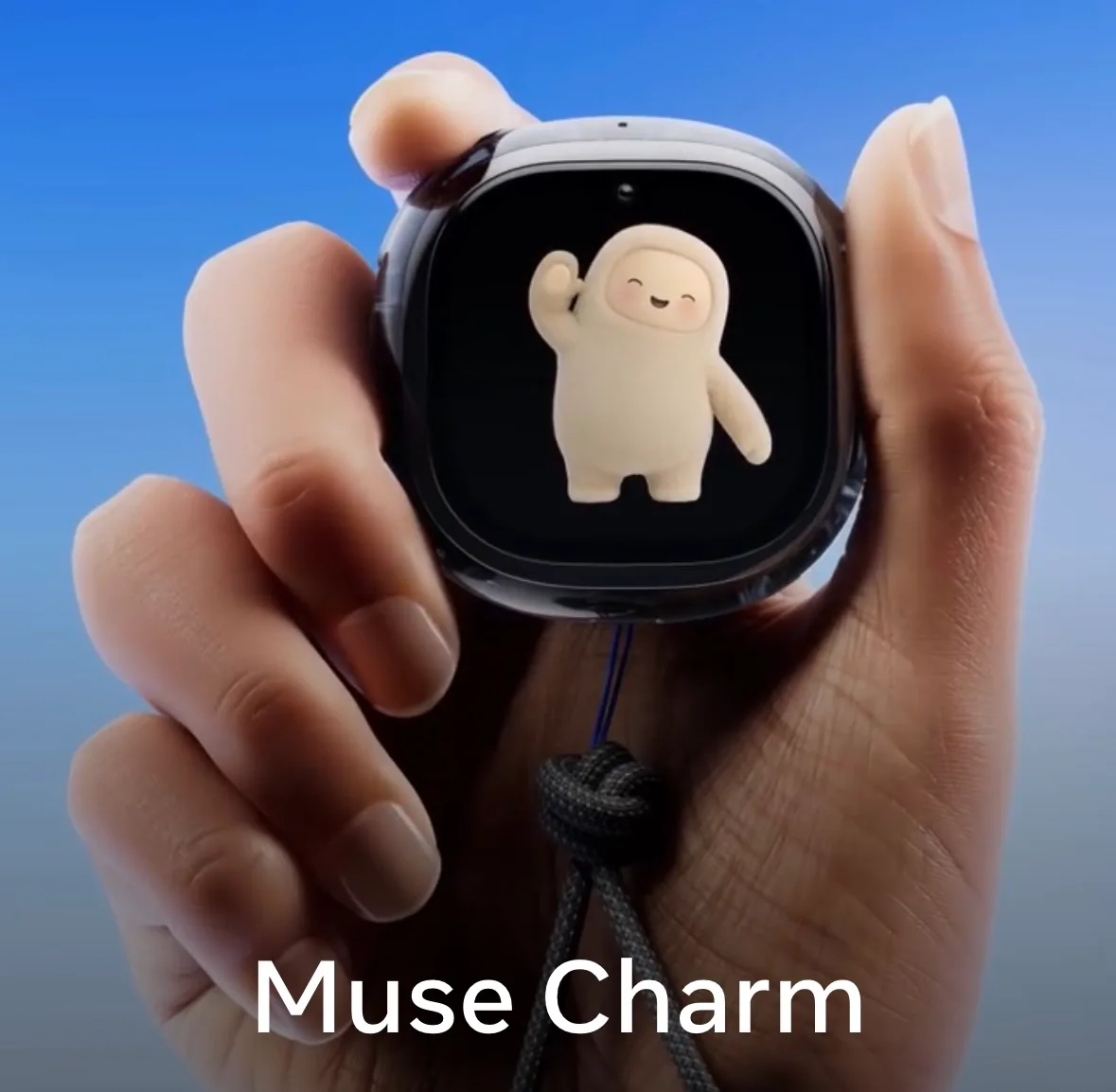
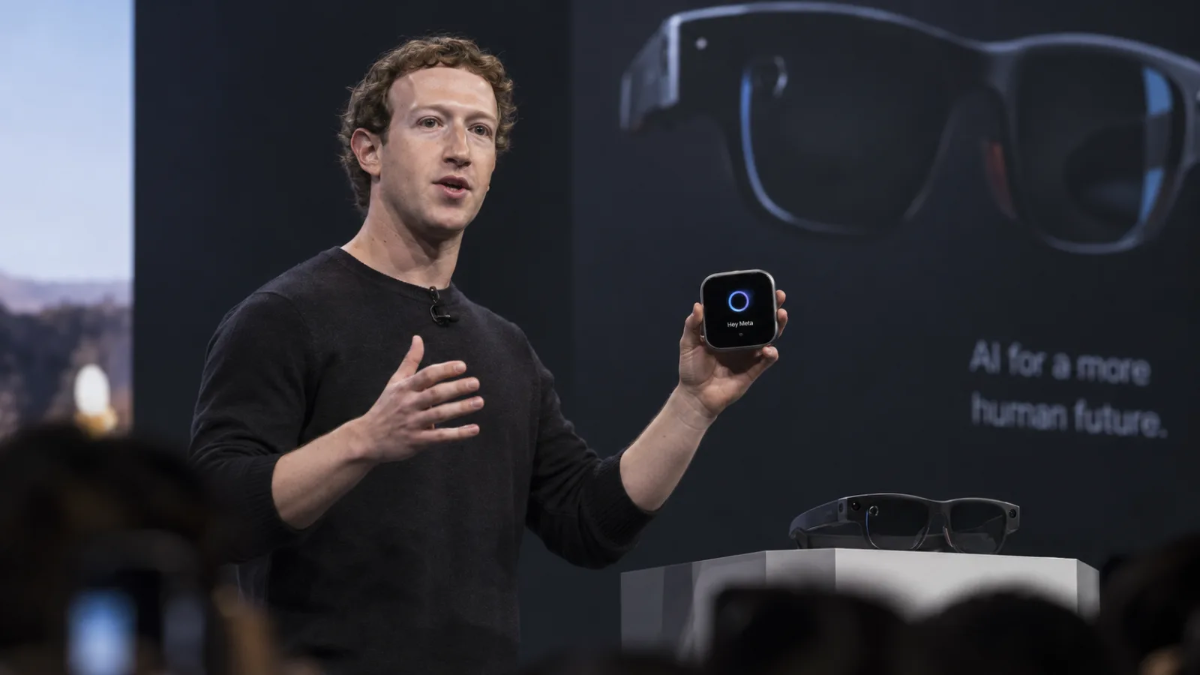
Meta unveiled Muse Charm at Connect on September 23, a roughly 2-inch touchscreen device with its own 5G connection. Users can reach Muse directly without a smartphone, though the device makes no calls. The same day, Meta said it would expand Muse into the core interface across its entire smart glasses lineup.
On the surface, the product looks unnecessary. Muse already runs on iPhone and Android. There seems to be no reason to build a separate device for it.
But viewed against Meta's history, the logic comes into focus. Meta owns one of the largest app ecosystems in the world, yet for years the door into that ecosystem has belonged to Apple and Google.
Why one Apple policy hurt Meta so much
When Apple introduced App Tracking Transparency, or ATT, in 2021, apps had to get permission before tracking users across other apps and websites. Meta estimated in 2022 that the iOS change could cost roughly $10 billion in annual revenue as a headwind.
The number matters less than the structure it exposed. No matter how strong Meta's ad engine is, if the operating system owner changes identifiers and tracking rules, ad targeting and measurement can shake regardless.
Meta's heavy investment in the metaverse is hard to separate from that same problem. If VR became the next computing platform, Meta could own the device, the operating system, app distribution, and the user interface all at once. But mainstream adoption moved slower than expected.
At this year's Connect, Zuckerberg said personal superintelligence is arriving sooner and mattering more than the metaverse, and that Meta has shifted its focus accordingly toward building the best personal AI device.
PCs had Windows, phones had iOS and Android. The AI era may belong to the agent.
- PC era: Users started from the operating system and the desktop.
- Smartphone era: iOS and Android controlled app distribution and device permissions.
- Agent era: Users say "do this" instead of opening an app, and AI moves across services on its own.
- The power shift: A default agent could capture the front end of recommendations, choices, and transactions.
If, instead of opening 50 apps a day, users simply tell Muse to book a flight, reserve a restaurant, send an email, or order a product, the first point of contact in computing could shift from the OS to the agent.
In that world, Meta doesn't need to replace iOS. It only needs to build a layer above it that gets called more often. But as long as Muse lives inside an app, it still operates within Apple and Google's distribution rules and hardware permissions. That is why Charm and the smart glasses matter: they are endpoints Meta owns directly.
From an ad company to a broker of intent and transactions
| Structure | Meta today | If agents take over |
|---|---|---|
| User's starting point | Instagram, Facebook, WhatsApp | Muse |
| Core monetization | Ad impressions, clicks, conversions | Recommendations, transactions, subscriptions, possible commerce fees |
| Center of data | Content consumption, social graph | Behavioral intent, actual task execution |
| Strategic weakness | Dependence on iOS and Android policy | Still OS-dependent if its own device adoption stays low |
Meta's current ad model roughly runs: user, content feed, ad, merchant. If an agent becomes the consumer's first screen, that could shift to: user, Muse, recommendation, transaction.
That difference isn't small. Ads infer what a user might be interested in. An agent receives, directly, what a user is actually trying to do. That is the exact point where purchase intent and behavioral intent surface together, in travel booking, shopping, finance, email, and calendar management.
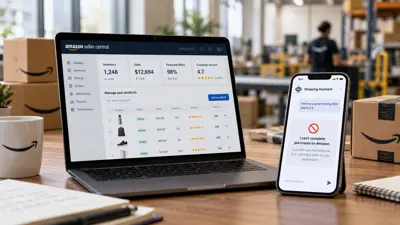
Amazon's reported refusal to let Muse access its own shopping platform can be read in this light. If an agent becomes the consumer's first screen, retail platforms may end up ceding some of their customer touchpoint and product recommendation rights to the agent operator.
The market has already bet on Muse as a platform, not a device
- About +24%: Meta stock's move from the September 8 Muse launch through the September 23 close.
- +$324 billion: The increase in market value over that same stretch.
- 2.8 million: Downloads in the first 12 days after launch, per Apptopia.
Those numbers shouldn't be read as proof that Charm itself is a success. Charm hasn't even had a price announced yet, and a comparable dedicated AI device, the Rabbit R1, never became a mainstream product. Market analysts cited by Reuters have also noted that without a function smartphones, earbuds, watches, or smart glasses can't already replace, mainstream adoption may be difficult.
So the more important question for investors isn't unit sales. It's whether Muse can become the consumer's default agent.
Insight Times Editorial Desk