After the Smartphone, the Contest Is Over Delegation, Not Screens
Meta Connect 2026 showed where AI glasses are heading. The question is who will handle users' tasks for them, and how much control users keep.


Smartphones got easier, but people still do the work
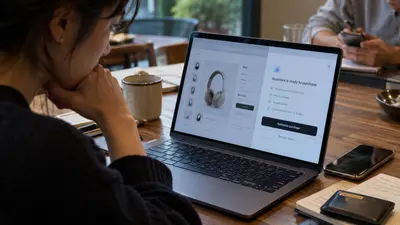
Take planning a trip. You search for flights, compare hotels, book, pay and organize the schedule. Each app is convenient. Connecting the whole process is still the user's job.
AI agents aim to change exactly that.
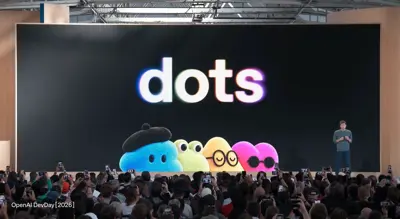
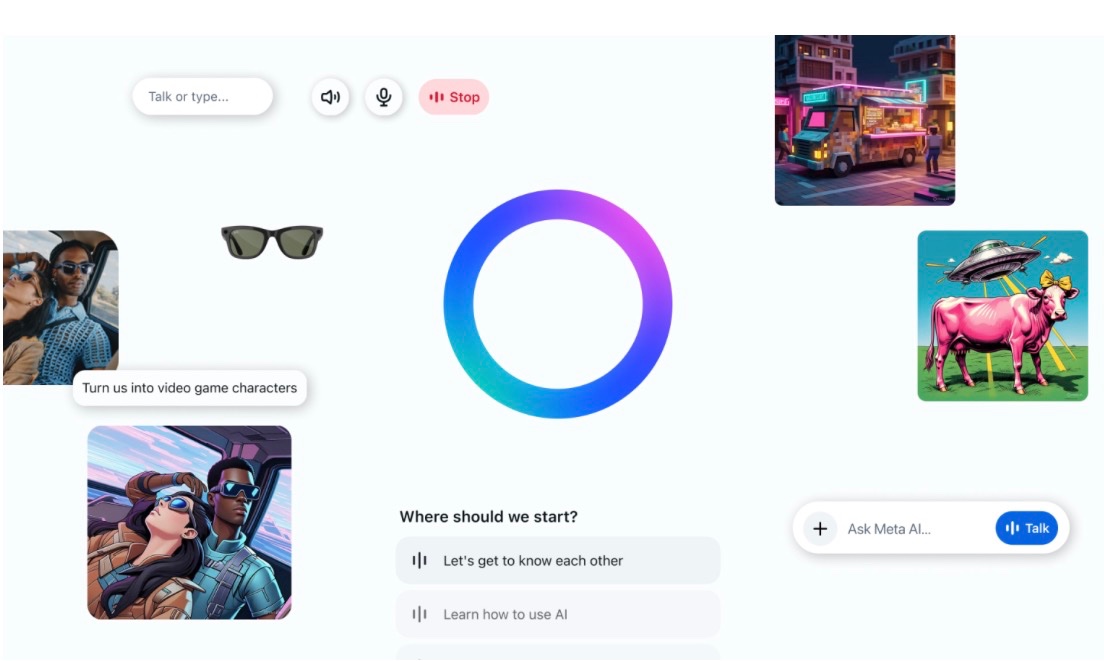
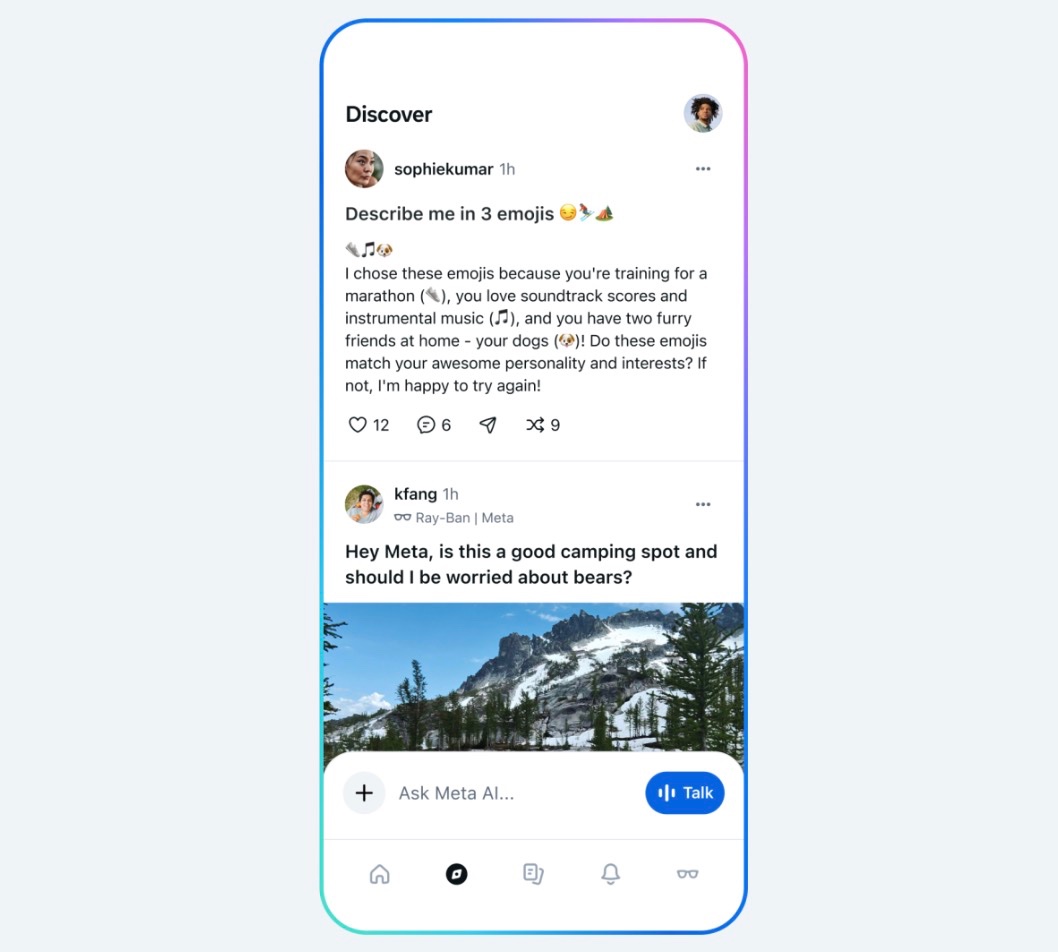
At Connect 2026 in September, Meta said it would link its personal AI agent, Muse, to its AI glasses and extend what it can do across services including Shopify, PayPal, Expedia, Notion and GitHub. The glasses integration is a plan for the coming months. It does not mean every feature is already on sale.
Eventually, instead of opening a flight app and then a hotel app, a user could simply ask: "Plan a family trip this weekend within my budget."
The starting point of platform competition is moving from choosing an app to interpreting the user's intent.

The real value of AI glasses: less need to explain reality
AI glasses are not a smaller smartphone screen. They are a device that shares what the user is looking at with an AI.
When a user looks at a product in a store, reads a notice or checks a packing list, the AI can understand that context and suggest a next step.
Three capabilities are needed.
- Perception: what is the user looking at? Cameras, voice and location capture the context of the real world.
- Interpretation: what does the user want? The AI infers intent, preferences, constraints and purpose.
- Execution: how much can be delegated? The AI carries out tasks such as booking, payment and messaging within permitted limits.
But looking at a product is not permission to buy it. An AI's ability to understand context and its ability to act safely are separate things.
Why Meta is building so many devices at once
Meta unveiled Ray-Ban Meta Audio, an audio-only model, along with Muse Charm, a handheld AI device, and new VR glasses. It also said it plans to offer more than 100 AI glasses options across the Ray-Ban, Oakley and Meta brands by year-end.
- Audio AI glasses: no display, focused on voice and AI features
- Muse Charm: access to the personal AI even when not wearing glasses
- Meta VR Glasses: roughly 100g glasses with an external compute unit
- Display AI glasses: visual information combined with a personal AI
Meta VR Glasses are due in spring 2027 at $1,299.99. The roughly 100g figure covers the glasses body only. Compute and battery sit in a separate puck. The weight has not disappeared. It has moved from the face to another place.
Meta's strategy does not depend on a single device replacing the smartphone. It aims to let users reach the same personal agent through many form factors.
If it works, consumers may become more tied to their AI agent, its memory and its network of connected services than to any device.
Where will platform power go?
Today's smartphone platforms connect users and services through the operating system, the app store, search and advertising.
Once agents become common, a new middle layer appears.
User: "Find a product that fits my needs and get it ready to buy."
AI agent: understand intent, compare services, choose a provider, ask for approval.
Services: shopping and booking, payments, work tools.
Conceptual diagram: an analysis suggesting AI agents could become a new gateway for transactions and work.
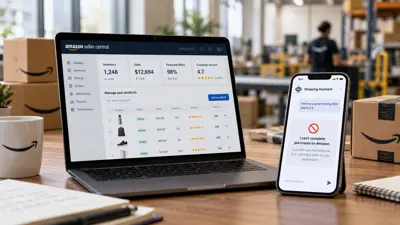
In this flow, the agent closest to the user can influence how products are ranked, which services are chosen and which transactions close.
For Meta, that could be a new way to earn money from commerce. For search advertisers and app-based distribution platforms, it could be competitive pressure. Google is also combining Gemini, Android XR and its existing service ecosystem, so this is not a one-sided race.
Whether an agent's recommendation is best for the consumer, or shaped by advertising and affiliate revenue, is likely to become a major competition and regulatory issue.
The smartphone may stay, but the starting point may change
Until now, progress in computing meant more powerful devices and more convenient screens. The new yardstick is how accurately a system can cut the work people once did by hand on those screens.
Meta Connect 2026 signals that this shift is taking shape in products and strategy.
The winner of the next platform is likely not the company with the most sensors. It is more likely the one that handles what users need while leaving them in control.
The question after the smartphone is not what to hold in your hand. It is whom to hand your tasks to, and how far.
Insight Times Editorial Desk