When AI Starts Doing Your Work, Watching Nvidia Alone Is Not Enough
Meta's Muse hints at the next AI investment map: from GPUs to CPUs, memory, SSDs and power. Agents that work on a user's behalf could keep the whole server busy.
The difference between a chatbot and an agent is simple
The AI most people know answers questions. Ask it to find flights for a London business trip, and it shows you candidates.
An agent goes a step further. It compares flights and hotels, checks the company travel policy, looks at your calendar and carries the job right up to the point of booking. If a flight is canceled, it can look for alternatives.
Put simply, a chatbot is a smart support agent. An agent is closer to a digital employee who has been handed a computer.
That is why Meta's Muse is interesting. The key shift is from "AI gives me an answer" to "AI keeps working on my behalf."
Early response was strong. According to Apptopia data cited by TrendForce, Muse logged about 1.8 million downloads on iOS in the US and Canada in its first 12 days. That compares with about 1.3 million for ChatGPT over the same post-launch window. But early downloads mostly show curiosity and Meta's distribution muscle. The long-term contest will likely turn on repeat usage and real task success rates.
Why more AI agents could make CPUs matter again
This is where the investment story starts.
GPUs and AI accelerators still handle the core computation that lets models write text and understand images. But for an agent to do real work, calling a model is not enough.
It has to open a web browser, move across several sites, read files, stay logged in, call APIs and check the results. That process uses a lot of CPU and general-purpose server resources.
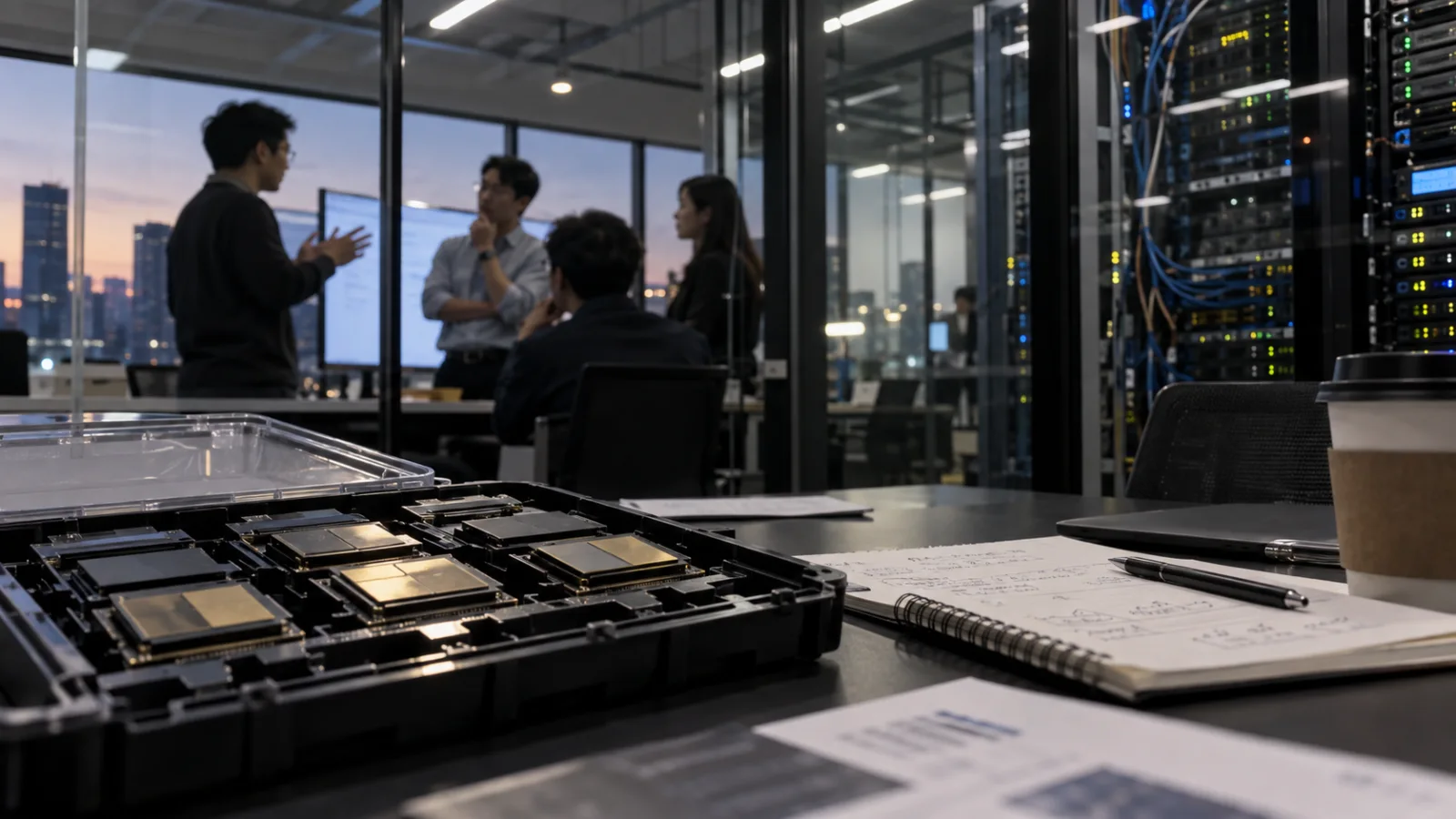
As an analogy, the GPU is the "thinking brain." The CPU is the "site manager" that assigns tasks in order and keeps programs running. DRAM is the workspace on the desk, SSD is the filing cabinet, and the network is the road linking the office to the outside world.
TrendForce argues that personal agents like Muse use cloud virtual machines, and that the orchestration layer that coordinates tasks also needs CPUs. It also points to a supply chain signal: server CPU lead times have stretched beyond what is normally considered balanced.
What one AI agent needs when it moves
| Component | Role | What it handles |
|---|---|---|
| GPU / AI accelerator | Thinks | Model inference, image and document understanding |
| CPU | Moves | Running browsers, apps, APIs and virtual machines |
| DRAM | Lays things out | User sessions, task state, cache |
| SSD | Remembers | Files, logs, long-running task records |
| Network and power | Connects and endures | Service calls, data movement, server operation |
The range of "AI beneficiaries" widens
This is not a story where CPUs rise and GPUs are finished. It is closer to the opposite.
The more work people hand to AI, the more often models get called. GPUs remain necessary. But the whole server around each GPU gets busier.
If the old AI investment map centered on Nvidia GPUs and HBM, the agent era could spread demand to server CPUs, conventional DRAM, enterprise SSDs, networking, power and cooling.
TrendForce says forecasts for server shipments and CPU requirements are being revised up as AI agents and inference workloads expand, and that server DRAM supply remains constrained. It also estimates global data center power capacity demand in 2026 at 161GW, up about 31% from the prior year.
The important change for investors is that the one-line formula "AI infrastructure = GPUs" is becoming less complete.
Why Amazon's block of Muse is also an investing clue
The reach of agents does not stop at semiconductors.
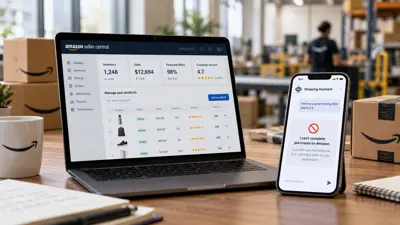
Amazon blocked Muse from accessing its online store, saying persistent access by unauthorized AI agents violates its terms of service. The episode looks like a technical hiccup, but the flow of money makes its meaning clear.
Today, shopping works like this: a consumer opens the Amazon app, searches, sees ads, compares products and buys. If a personal agent instead roams several stores and picks the best product, the consumer has less reason to look at Amazon's search screen.
At that point, who meets the customer first changes. Retailers used to be the customer's first gateway. Personal AI agents could take that seat.
So the competition among Meta, Google, OpenAI and Amazon is not only about who builds the smarter model. It is about who receives the user's request first, connects it to an actual transaction and earns money along the way.
Insight Times View: Look at the whole server, not one stock
It is too early to declare Meta the winner on Muse's early popularity. Even with many downloads, the agent economy will not open up much unless users actually hand over sensitive tasks such as bookings and payments.
The picture changes if users go beyond asking AI a question or two a day and start delegating email sorting, shopping, travel booking, document drafting and scheduling. AI usage would then grow in "hours of work," not "number of questions."
What matters here is not the short-term gain for any single CPU stock. The next growth stage of AI could lengthen software usage time while requiring more types of components inside each server.
So investors should watch more than Nvidia's GPU shipments. Server CPU demand, DRAM prices, SSD shipments, data center power procurement and cooling investment all belong on the list. The more useful test is whether the AI investment map is widening from one stock to the entire server bill of materials.
Insight Times Editorial Desk