Why the iPhone Fold's Crease Barely Shows in the Middle
Apple's foldable engineering makes sense once you think about bookshelves, matte wallpaper, and window screens. Apple didn't erase the crease. It tricked force, light, and the camera into hiding it.
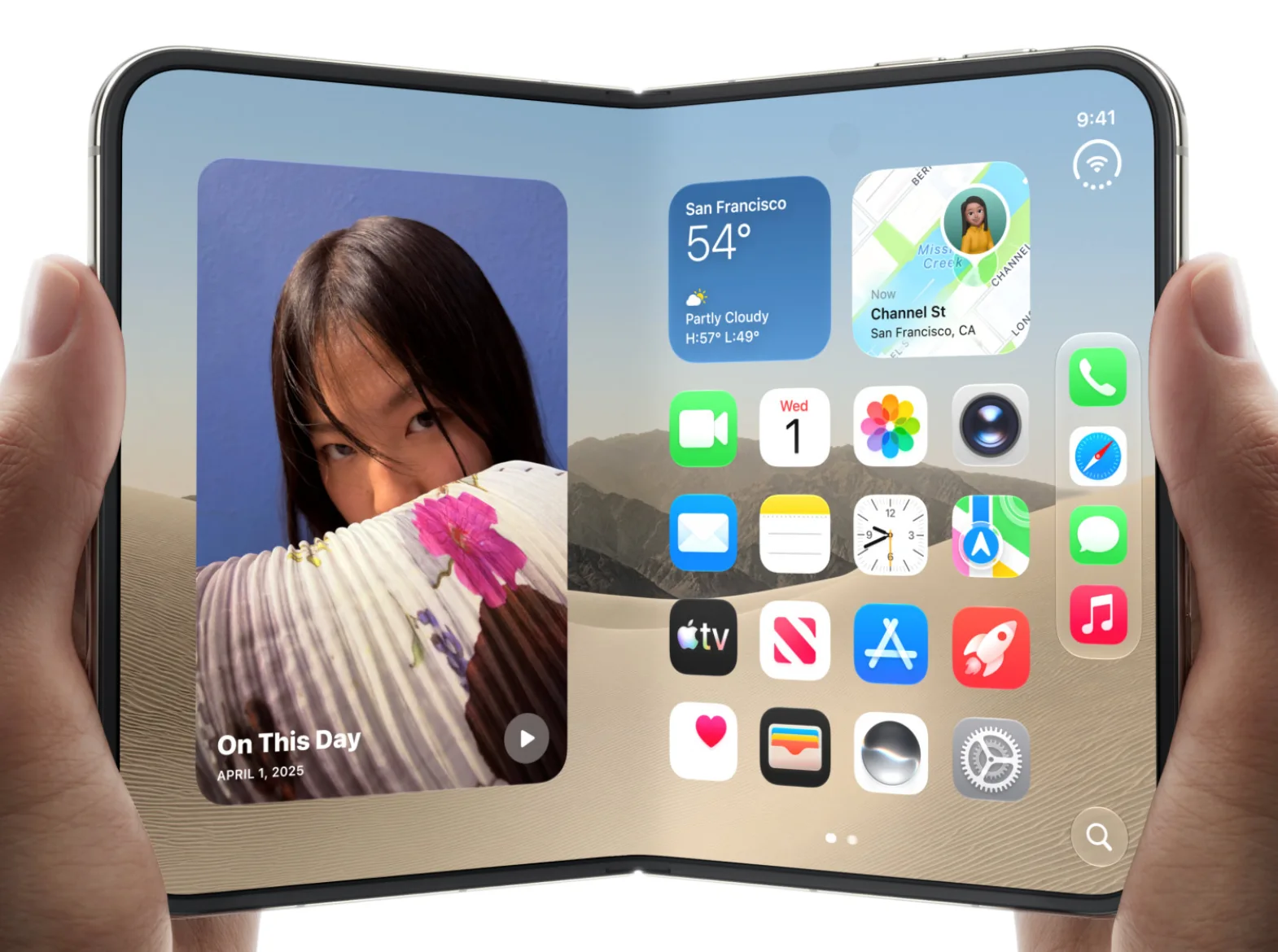
Why foldable phone creases are so visible in the first place
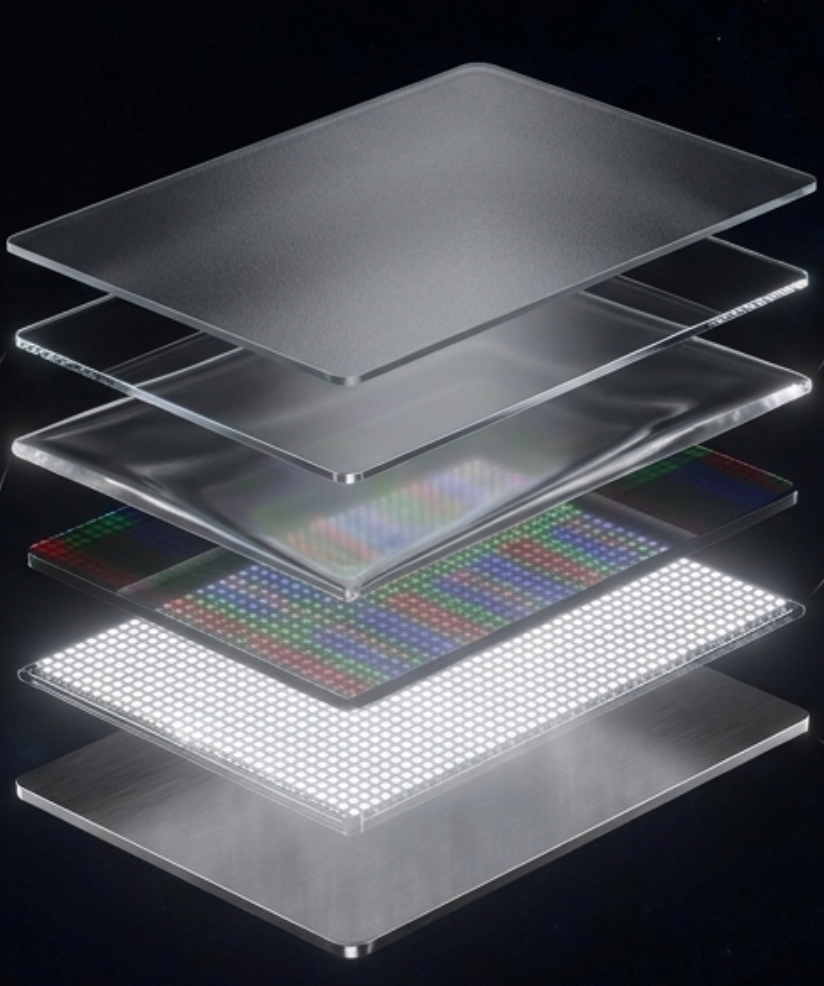
Fold a single sheet of paper and you get a crease line. But a foldable phone screen isn't a single sheet. It's a thin sandwich of glass, a protective layer, OLED, adhesive layers, and a metal support plate, all stacked together. And that stack has to fold in half dozens of times a day.
The problem is that each layer wants to travel a different distance. The outer layers have to take a longer path around the bend. The inner layers have to fold more tightly. Glue every layer rigidly in place and one side gets stretched while the other gets compressed. The result shows up as a mark right down the middle.
Secret 1: Inside the display, it's like turning the pages of a book
Bend a thick magazine into a curve and the edges of the pages don't line up evenly. The outer pages push forward slightly more than the inner ones. That small slip is what lets the magazine bend smoothly instead of tearing.
The iPhone Fold works the same way. Apple places high-strength glass above and below the folding OLED panel, with a custom adhesive layer in between. By Apple's own description, that adhesive lets the layers "slide against each other like pages of a book" as the screen bends. The folding force gets spread across multiple layers instead of concentrating in one spot.
The hinge also supports the center of the screen when it's open. So the hinge isn't just a door-like part that opens and closes. It also acts as a small prop that keeps the middle of the display from sagging.
Secret 2: Instead of erasing the crease, Apple erases its shadow
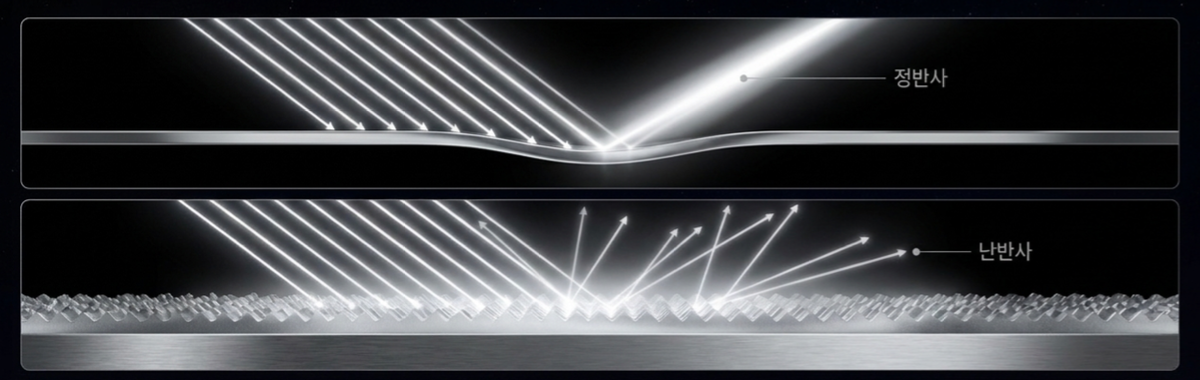
Foldable creases stand out mostly because of light, not the actual bend. A tiny dent in a car door becomes obvious the moment it's under sunlight. Even a slight tilt in a surface creates a bright reflection on one side and a dark line on the other.
The inner display of the iPhone Fold has a nano-texture finish. In simple terms, that means taking a perfectly smooth, mirror-like surface and roughening it at a microscopic, invisible scale. Instead of bouncing incoming light in one direction, it scatters that light in many directions.
So even with a slight physical bend still present down the middle, the sharp bright-dark-bright contrast is reduced. Early hands-on photos do show the crease at certain angles and under certain lighting. That's exactly why it's much less visible when viewed straight on.
Secret 3: The camera wasn't removed, it was hidden behind the screen
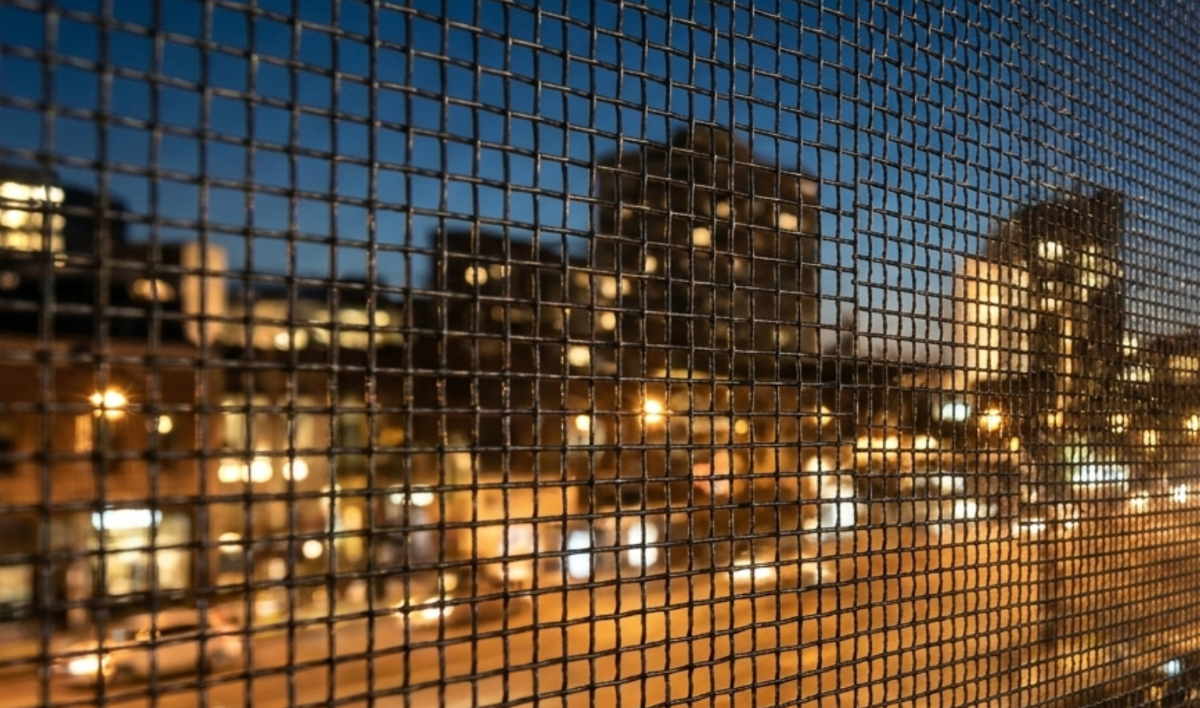
The inner 7.6-inch display has no visible camera cutout. The camera sits hidden beneath the OLED. The principle is similar to looking outside through a fine window screen.
Under normal use, the pixels above the camera display images just like the rest of the screen. When FaceTime turns on, outside light passes through tiny gaps between pixels and a light-permeable structure, then reaches the camera sensor underneath.
That doesn't come free. With an extra layer of display sitting right in front of the lens, less light reaches the sensor compared with a standard front camera, and the grid structure makes light prone to spreading and blurring. That's why Apple used a relatively bright ƒ/1.8 lens for the inner camera. Video capture also tops out at 1080p at 30 or 60 fps, a step down from the outer front camera's 4K support.
So is the A20 Pro redrawing blurry photos with AI?
That's plausible, but this is where a line needs to be drawn. Under-display cameras are structurally prone to diffraction and haze, and modern smartphones typically correct for this in software. But in this release, Apple did not disclose algorithm-level details such as which deblurring model it uses or which diffraction function it inverts.
What's confirmed is that the A20 Pro supports powerful on-device AI processing, the inner camera sits hidden beneath the display, and it uses an ƒ/1.8 lens with 1080p video specs. Beyond that, it may be an interesting engineering guess, but it isn't something stated on the spec sheet.
In the end, Apple didn't beat the laws of physics
01 · Force Let layers slide against each other when folding Keeping multiple layers from binding together as one rigid block spreads out bending stress instead of concentrating it.
02 · Light Blur the crease's shadow A nano-texture finish scatters reflected light, lowering the contrast created by the slight bend in the middle.
03 · Camera Behind the screen instead of through a hole The camera stays hidden, at the cost of light loss offset by a brighter lens and processing.
Insight Times Editorial Desk