Musk Says He'd Cancel Government Contracts. Washington Still Holds Leverage
After Democrats won both chambers in the midterms, Musk floated cancelling SpaceX's federal contracts. The share of revenue matters less than bargaining power and the regulatory risk that remains.
The 20-second read
1. $445 million spent, and Democrats still won
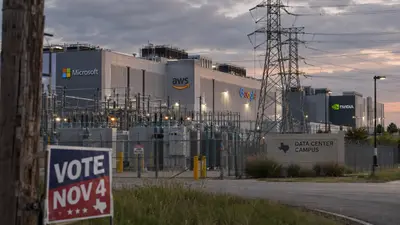
In the Nov. 3 midterm elections, Democrats took majorities in both the Senate and the House. Musk was one of the largest donors backing Republicans.
Estimates of his Republican giving range from at least $445 million to about $474 million, depending on what is counted. The political fallout has centered on conflicts of interest between government contractors and campaign money.
Democratic lawmakers pushed legislation tied to the so-called Musk loophole. It would widen limits on political donations from executives and major shareholders of companies that hold government contracts. The core question is how to control the link between political influence and federal contracts.
2. Musk's answer: cancel them, then
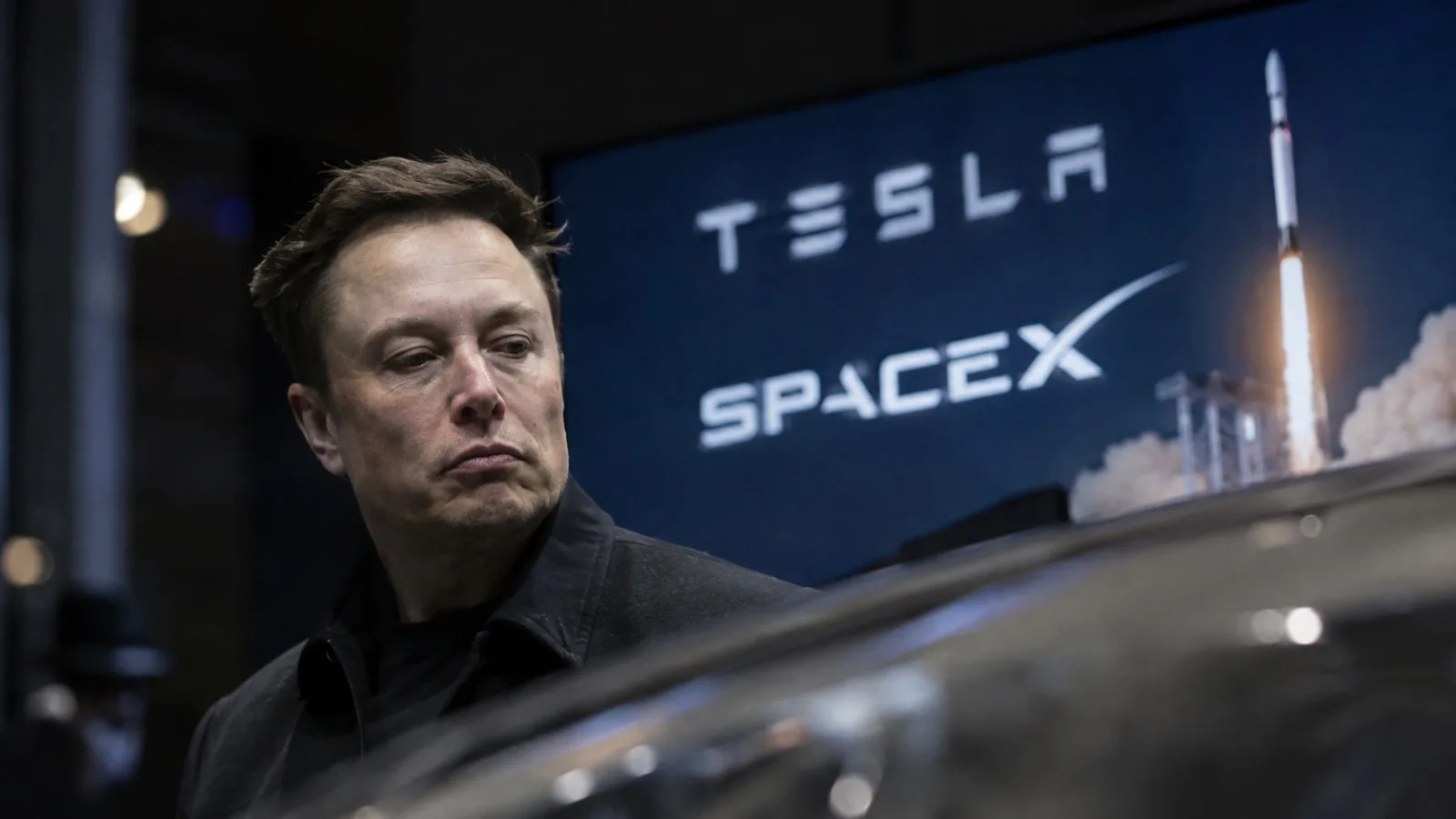
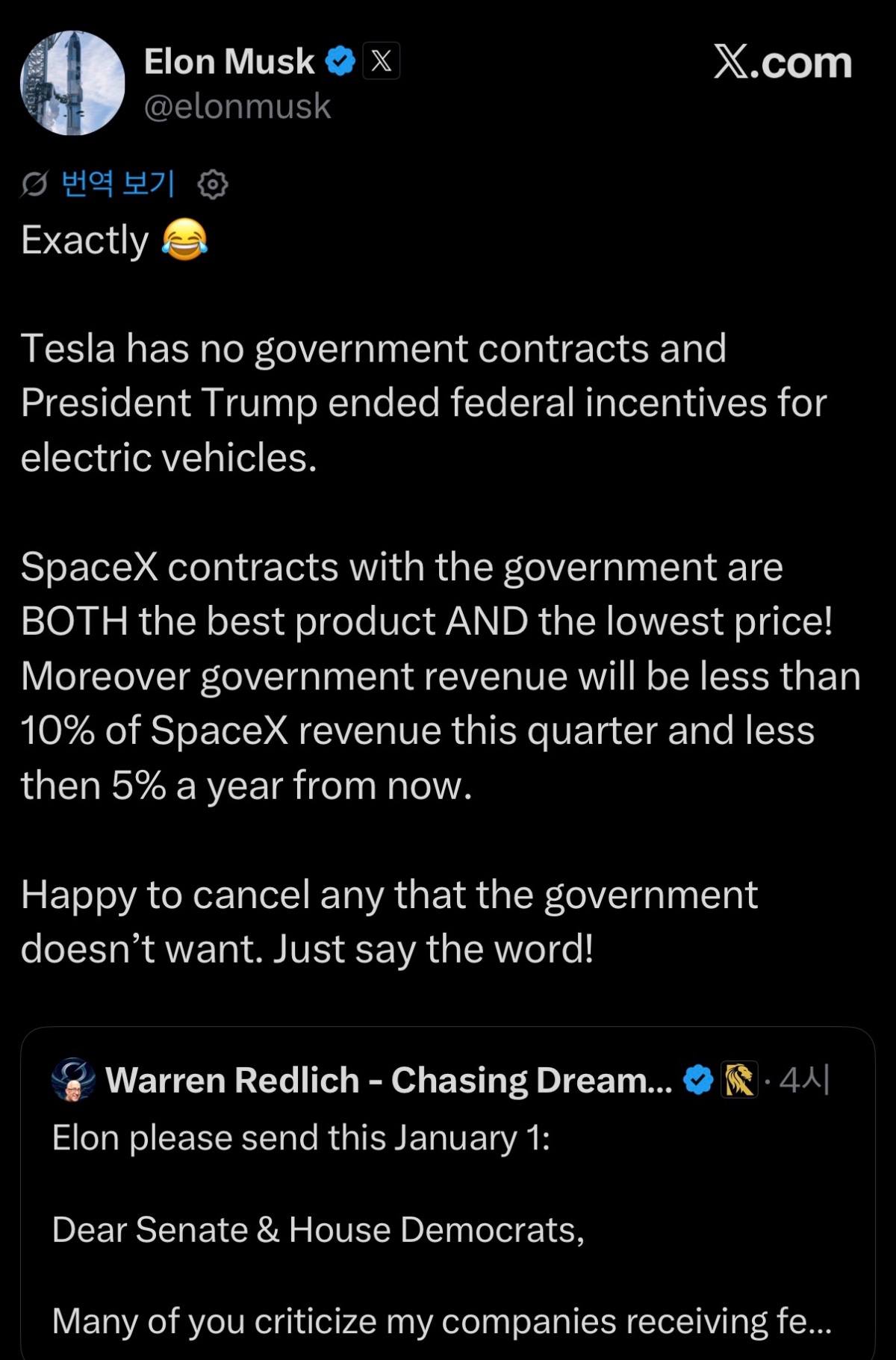
On Nov. 6, Warren Redrich proposed on X that Musk send an open letter to Democratic lawmakers offering to cancel government contracts. Musk agreed and rebutted the point in detail.
He said Tesla has no government contracts and that federal EV incentives have ended. He stressed that SpaceX won its government contracts on quality and price competitiveness.
Musk said government work is less than 10% of SpaceX revenue this quarter and will fall below 5% in a year. These are Musk's statements and projections, not independently verified company results.
- Government share of revenue this quarter: under 10% (Musk's claim)
- Expected share in one year: under 5% (Musk's forecast)
His willingness to cancel contracts the government does not want signals confidence that reliance on government revenue is falling.
3. Less government revenue does not mean government matters less
SpaceX has used NASA and defense-related launch contracts as a base for growth. Starlink and commercial launch are now its key revenue engines.
But a low revenue share does not mean the strategic value of government contracts is small. Certain contracts can share technology development costs or guarantee long-term demand.
Conversely, if the government cannot quickly move a given space mission to another supplier, SpaceX holds bargaining power too. Each side depends on the other in different ways.
4. Cancelling a contract is not as simple as it sounds
A government contract does not end automatically because of a social media post. Termination clauses, costs, national security needs, alternative providers and agency procedures all have to be weighed.
Even with control of Congress, Democrats cannot cancel existing contracts in bulk. Congress can apply pressure through investigations, budget review and legislation, but ending an individual contract follows a separate legal process.
Scrutinizing government contracts is not in itself unfair political retaliation. At the same time, if the government excludes space capabilities that are hard to replace for political reasons, it could bear costs in money and schedule.
As SpaceX grows, its dependence on government revenue may shrink. But that does not remove the government's power to shape a company's future.
That difference is likely to be a key yardstick for judging the political risk facing Musk's companies.
- Congress cannot directly cancel every contract. It can exert influence through investigations, budget reviews and changes to the law, but ending a contract requires legal procedures.
- No. Customer dependence and reliance on permits and regulation are different risks.
- It depends on who is investigated and what the outcome is. Beyond government contracts, you need to look separately at how vehicle safety, self-driving approvals and political image affect the business.
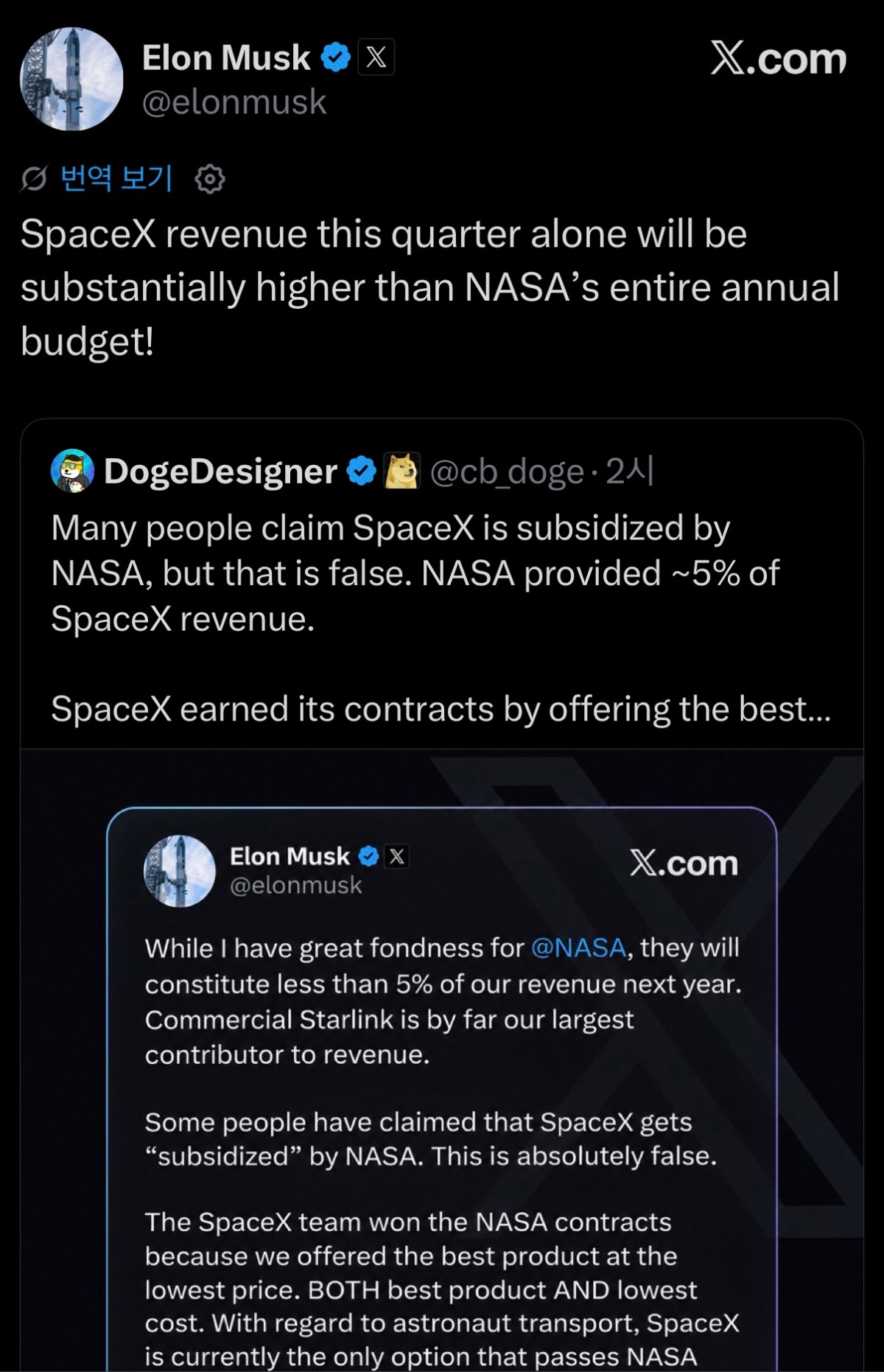
- NASA's share of revenue and SpaceX's total revenue are different measures. The claim that quarterly revenue exceeds NASA's annual budget needs checking against the comparison period and the original data.
What to watch
Insight Times Editorial Desk