SpaceX Revenue Up 14x in Two Years? What Investors Should Watch Instead
Sequoia Capital's Shaun Maguire sees SpaceX becoming a major AI compute company. The $731 billion figure matters less than how the business earns money, and what it costs to get there.
1. SpaceX is no longer just a rocket company
Most people hear "SpaceX" and think of rockets and Starlink.
Shaun Maguire, a partner at venture firm Sequoia Capital, sees a different future. In his view, SpaceX grows from rockets and satellite communications into a global AI computing company.
His revenue estimates:
SpaceX annual revenue forecast
| Year | Revenue |
|---|---|
| 2026 | $51.5 billion |
| 2027 | $274 billion |
| 2028 | $731 billion |
All figures for 2026 to 2028 are estimates from Maguire's financial model. They are not reported results or official company guidance.
Across the three years, revenue rises about 14.2 times. Maguire expects roughly $569 billion of the 2028 total to come from terrestrial AI data centers.
If those numbers became real, the yardstick for SpaceX would change. AI compute revenue and profitability would matter more than the number of launches.
2. Why could SpaceX be strong in AI?
The hardest problem in AI today is not only building a good model.
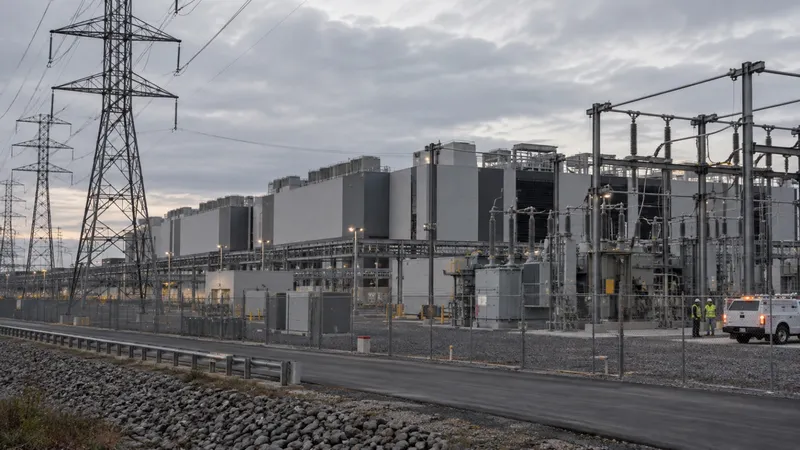
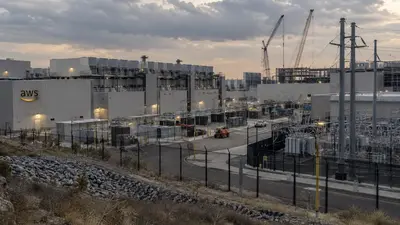
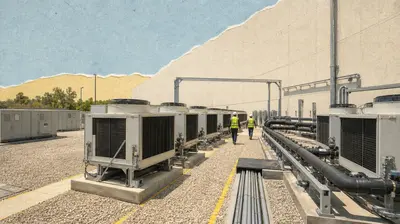
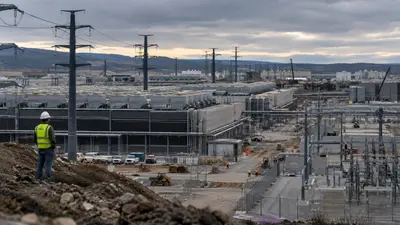
Someone has to build the data centers that run it. They need enormous amounts of electricity and cooling for the servers.
Money alone does not solve that quickly.
Maguire finds SpaceX's edge here. The company has developed complex technology in-house and built difficult facilities fast. That skill could help it expand AI data centers, he argues.
Then there is Starship.
If Starship can launch large numbers of satellites cheaply, Starlink's costs could fall. Over the long run, that would also help a space-based AI computing business.
Still, the competitiveness of ground-based AI data centers and of Starship launches should be judged separately. The two businesses can reinforce each other, but the conditions for success differ.
3. If revenue rises 14x, does the stock?
No.
One more number matters: capital expenditure.
Maguire's model has SpaceX investing about $369 billion in 2028 alone. That is how much building AI data centers could require.
If construction and operating costs rise faster than revenue, less profit reaches investors.
Share prices also reflect future growth in advance. Even if the revenue forecast is right, upside can be limited for someone who already paid a high price.
Three questions follow:
- Can SpaceX expand its AI data centers as planned?
- Are customers actually paying large sums?
- After costs, is enough cash left over?
4. Three things to watch
- Real AI data center capacity: whether planned data centers are finished and serving actual customers.
- Starship launch cadence and cost: whether mass launches and reuse become routine business.
- Free cash flow: whether cash starts to remain even as heavy investment continues.
Bottom line
SpaceX is getting too big to judge by launch counts alone.
But a large future market does not automatically make a good investment.
Recognizing a good company and buying it at a good price are different problems.
For long-term investors, the better focus is less the glossy revenue forecast and more how that forecast turns into actual revenue and cash flow.
Insight Times Editorial Desk