Why Great Stocks Like Apple, Amazon and Nvidia Fell 80% First
Long-term charts hide the fear that came before the gains. A big drawdown is no guarantee of future returns, and the test is whether the business case survives the fall.
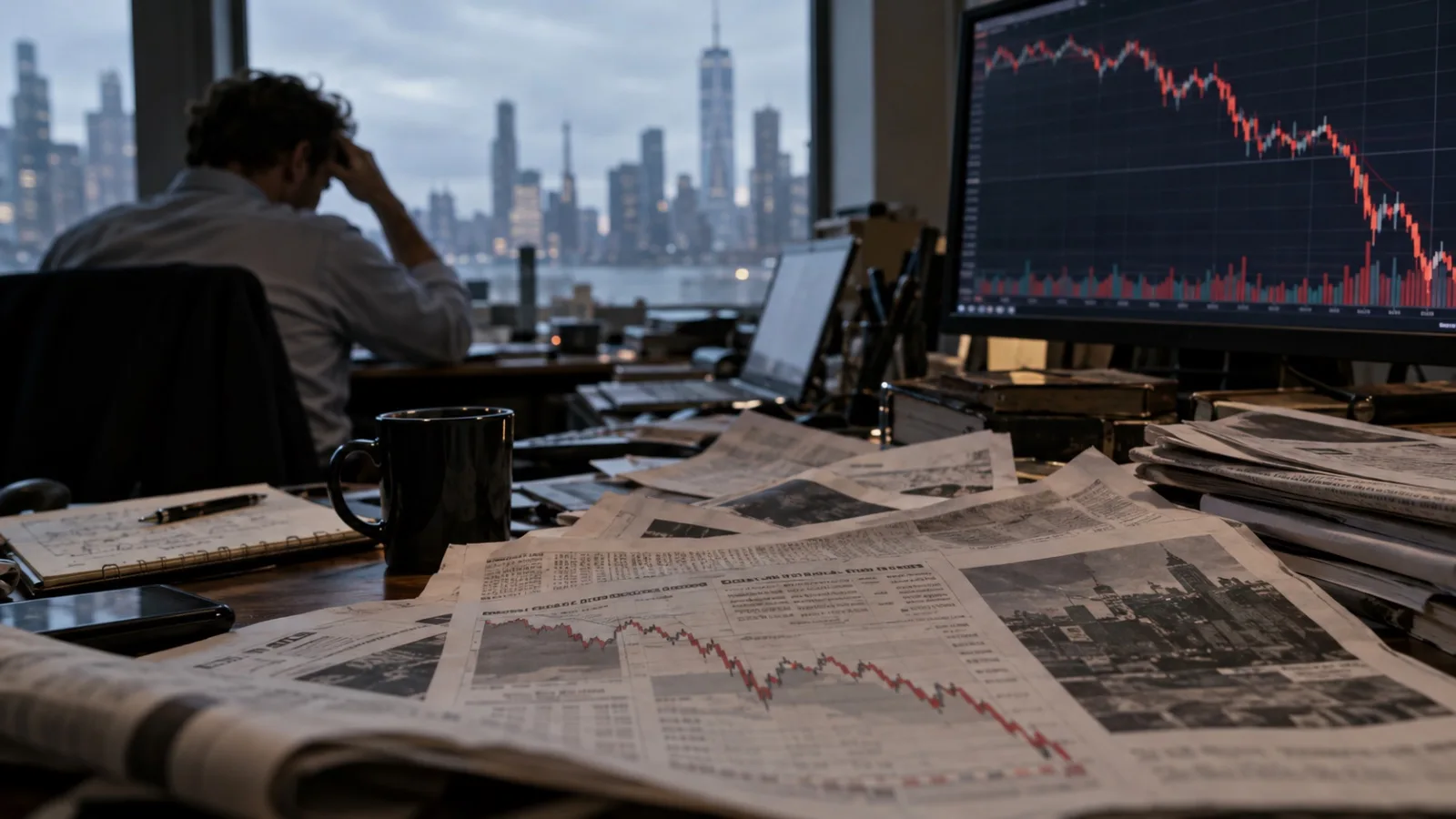
Long-term stock charts hide one thing: the fear that came before. Look at Apple, Amazon and Nvidia today, and it seems that only investors who foresaw the future made money. Before that future arrived, the market repeatedly rejected the value of all three companies.
1. The best stocks endure the worst stretches
Morgan Stanley's Counterpoint Global studied the 20 best-performing US stocks from 1985 to 2024. Their average annual total shareholder return was 19.3%. Their average maximum drawdown was a steep -72%. It took an average of 4.8 years to regain the prior peak. Brilliant long-term returns leave out the painful middle.
Consider $100,000 that falls 72%. Only $28,000 remains, and getting back to even takes a gain of about 257%. That is why "just hold on for a bit" is hard advice to follow. The study also looks only at companies that ended up succeeding. It does not mean every stock that crashed in the past recovered.
2. Amazon: a business built under bankruptcy fears
When the dot-com bubble burst in 2000, internet companies collapsed. Amazon was no exception. Its shares fell about 90% from the peak. For investors then, cash burn and survival mattered more than sales growth.
The skepticism was not entirely absurd. Amazon was investing heavily, and its profitability needed proof. The turning point showed up in the financial statements, not in slogans. According to the 2002 shareholder letter, free cash flow improved from -$170 million in 2001 to +$135 million in 2002. In 2003, Amazon reported annual net income of $35 million.
The lesson is not "believe in the future even without cash." It is that bold up-front investment has to be checked against real customer experience and improving cash flow.
3. Nvidia: the long, uncertain years of CUDA
In 2006, Nvidia introduced CUDA, which let GPUs handle general-purpose parallel computing as well as graphics. The market for AI training GPUs was nowhere near today's size. Building a developer ecosystem and investing in software was a long and uncertain process.
In 2012, AlexNet, trained on GPUs, achieved a breakthrough in an image recognition contest. The strategic meaning of CUDA and GPU-accelerated computing changed. The company was the same, but the market that needed its technology had grown explosively. Not every technology investment pays off this way. Still, opening a large future market may require a long preparation period that quarterly results alone do not explain.
4. Apple: growth-is-over fears kept returning after the iPhone
Apple started the mobile revolution with the iPhone in 2007. Yet from September 2012 to April 2013, its shares dropped about 44%. Worries spread about smartphone saturation, a lack of innovation and intensifying competition. Even after the iPhone's success was known, doubts about future profitability did not go away.
Apple then strengthened its mix of hardware sales, the App Store, services revenue, its own chips and its ecosystem. The lesson for investors is not to mock the decline. It is to track how a product's competitive advantage and profit structure change.
5. What crashes share, and the decisive difference
| Company | Fear at the time | What had to be verified |
|---|---|---|
| Amazon | A business that burns cash | Improvement in cash flow and customer base |
| Nvidia | A tech investment with uncertain monetization | CUDA adoption and growth of the end market |
| Apple | Limits to iPhone growth | Ecosystem, services and brand strength |
All three were doubted, and all three succeeded. But that is a story told by picking the survivors in hindsight. Rather than trusting every stock that crashes, investors need to check whether the investment thesis is still alive in customers, products and cash flow, even in the middle of a collapse.
One sentence for investors
A big drawdown is not a guarantee of future returns. A long-term investor's edge lies in recognizing a low price and an undamaged business together.
Insight Times Editorial Desk